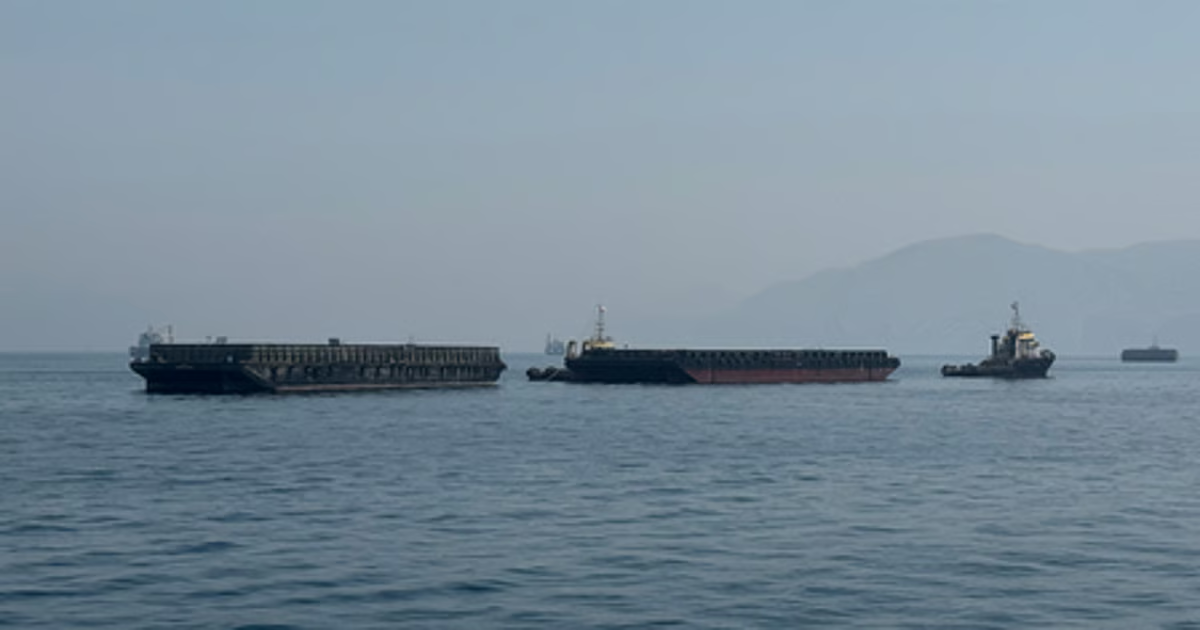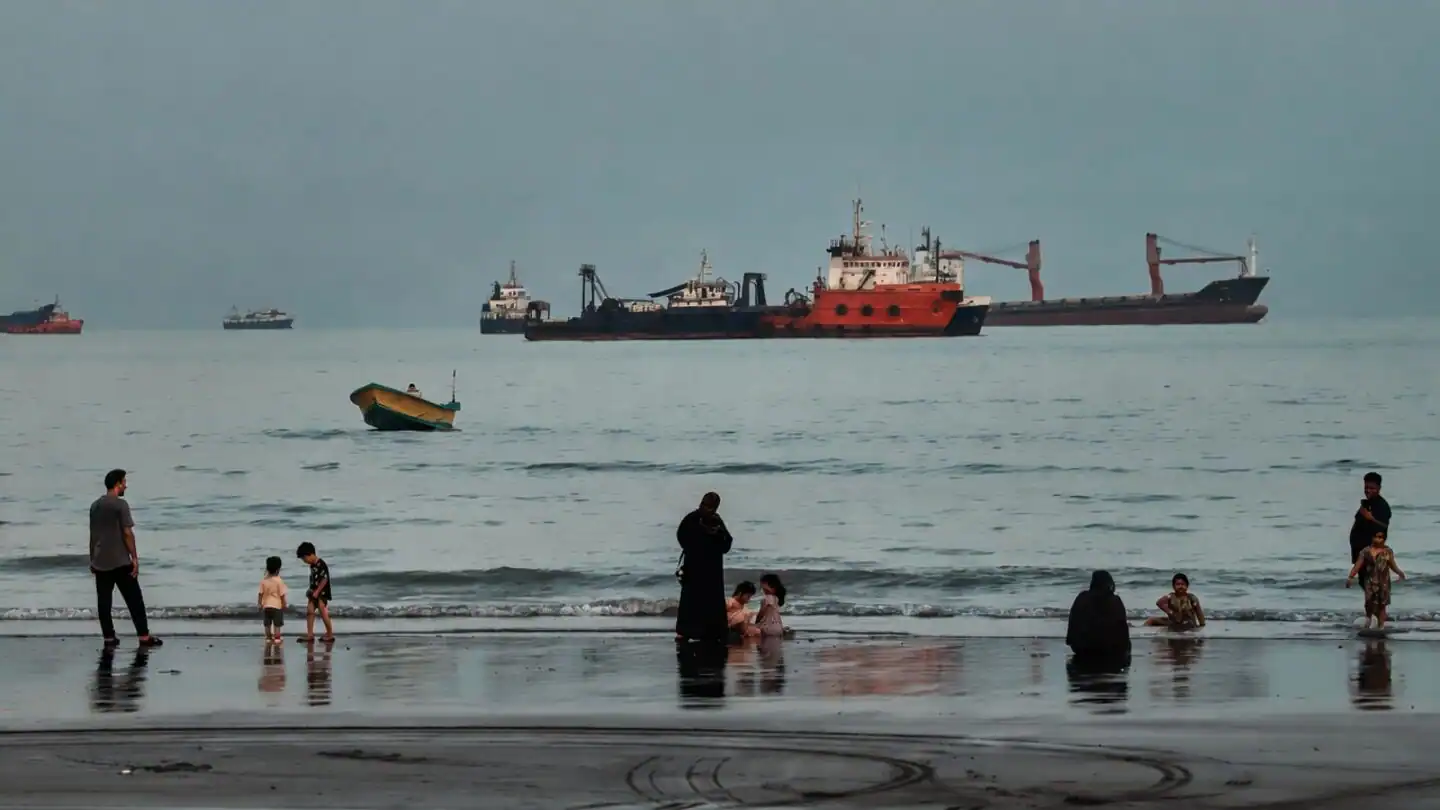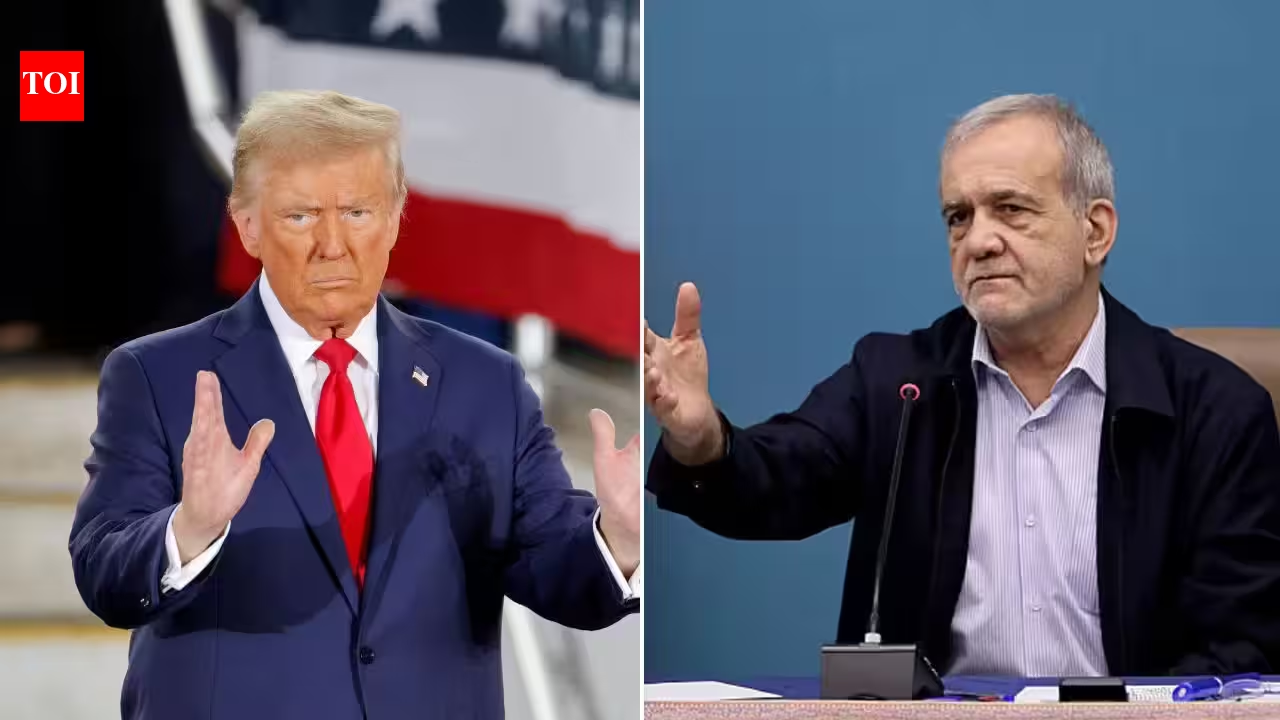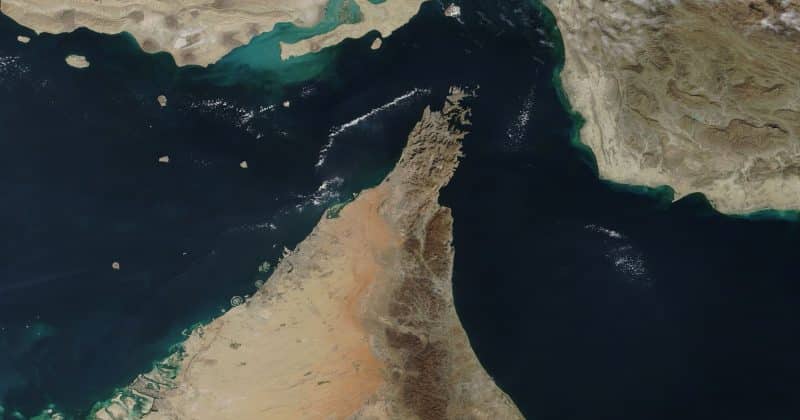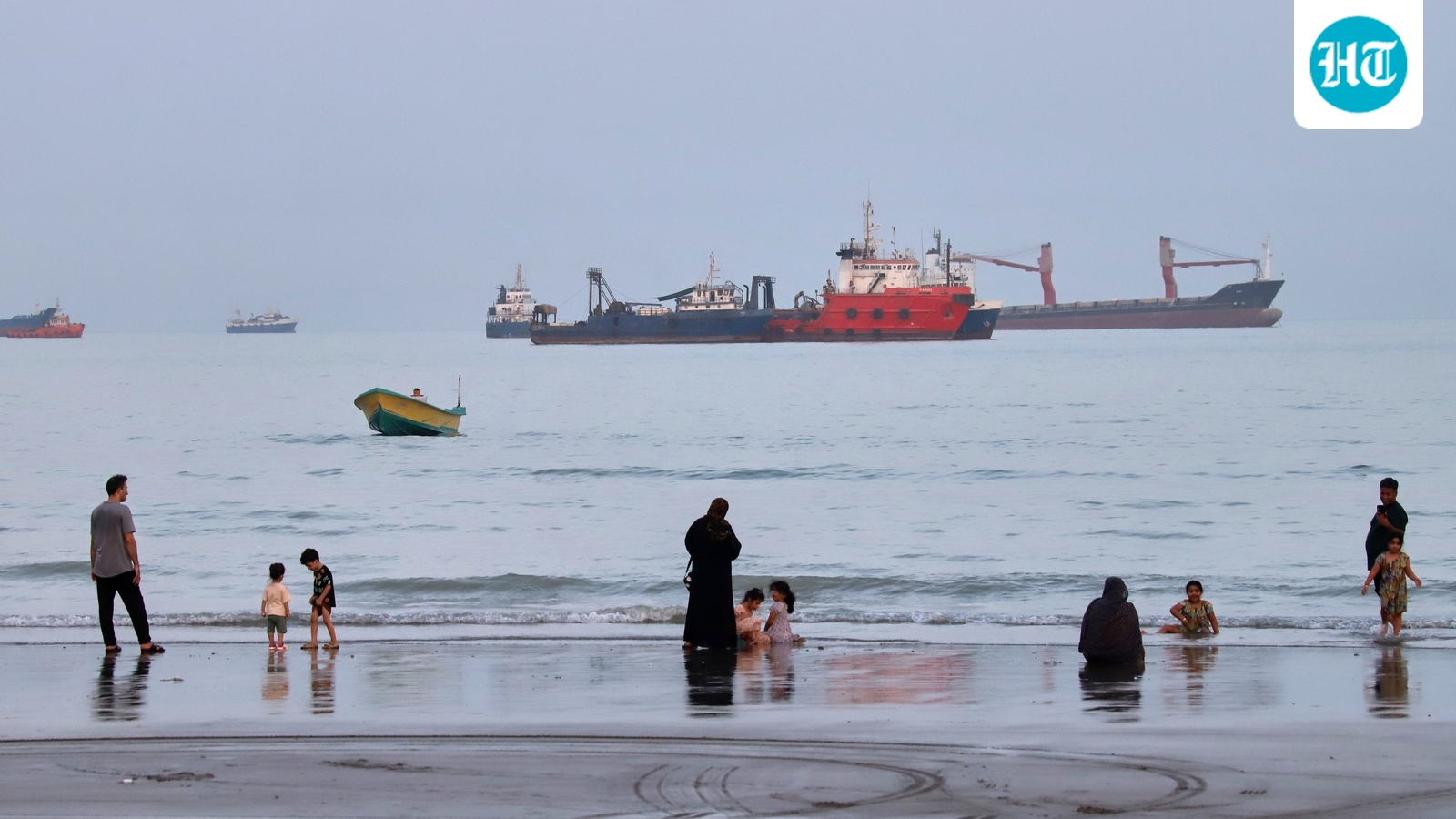
Sensing it has the upper hand, Iran issued a long list of maximalist demands before it reopens the Strait of Hormuz, even as officials in Tehran grow increasingly concerned about the shattered economy.
While Iran and Oman have been in talks over how to manage traffic through the narrow waterway, an agreement won’t automatically unlock the strait. Instead, Iran insists the U.S. must first satisfy several conditions.
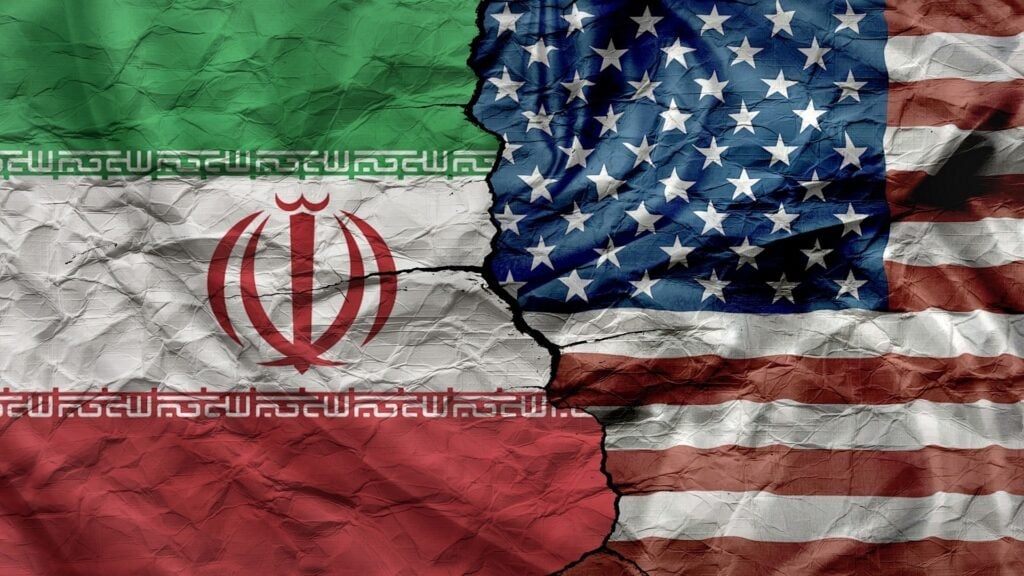
On Saturday, Iran’s Supreme National Security Council called on the U.S. to lift its naval blockade, end sanctions, pull out its military from the region, pay war reparations, unfreeze Iranian assets, end attacks on Iran’s proxies, and stop threatening the country.
To be sure, some of those demands may be intended to set the stage for future negotiations or aimed at mollifying Iranian hardliners who oppose making any deal with the U.S.
But the aggressive initial stance dampens hopes that the strait will see traffic return to normal anytime soon or that the U.S. will stop applying economic pressure on Iran.