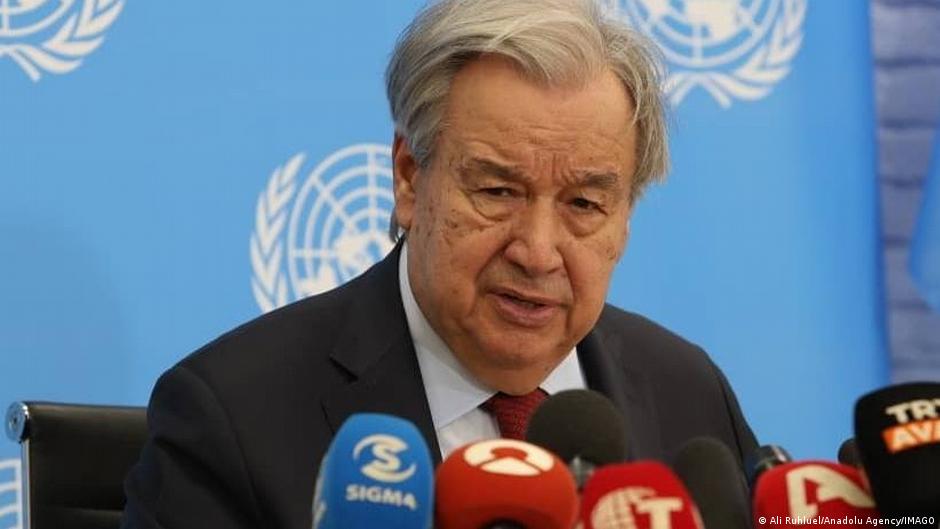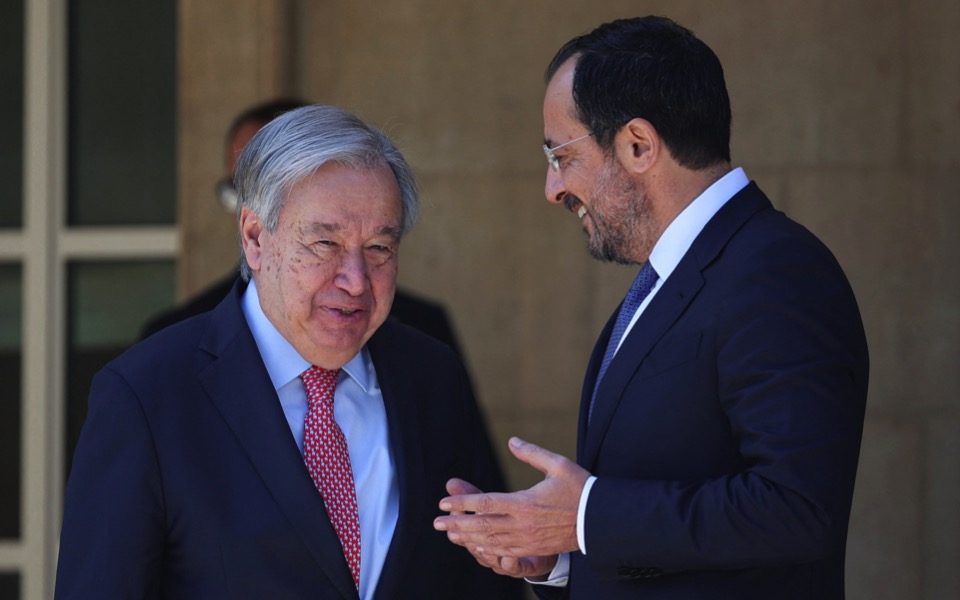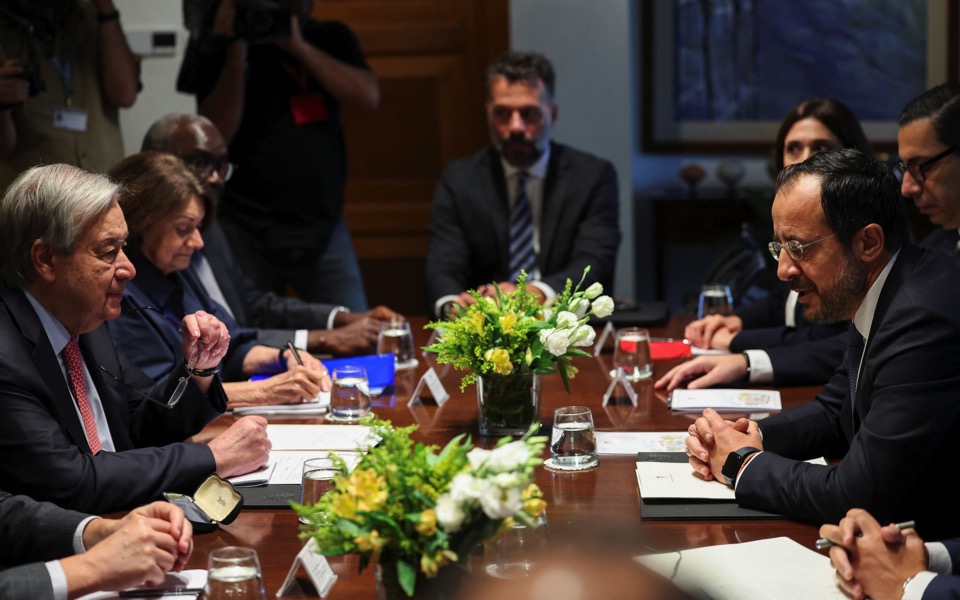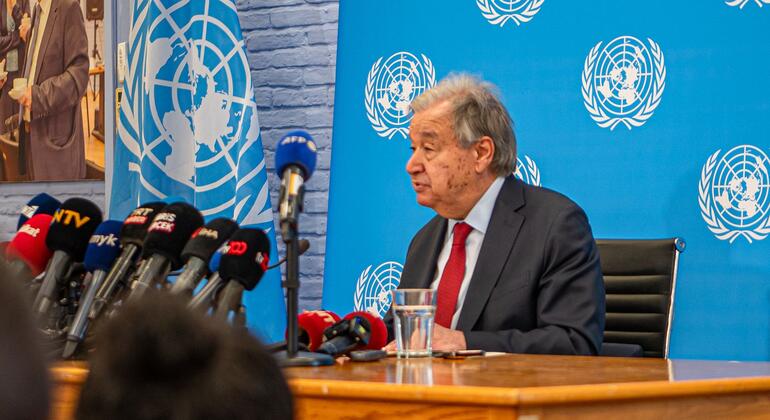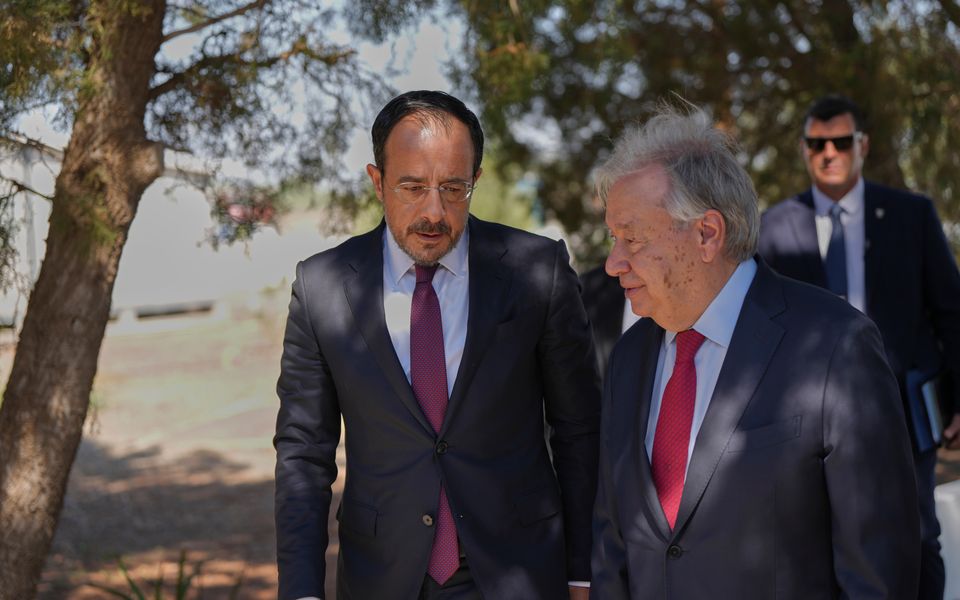
In recent weeks, there has been some diplomatic activity around the Cyprus issue. But any expectations that were initially cultivated were subsequently denied at the press conference of United Nations Secretary-General Antonio Guterres, during which he did not set a specific timetable for the 5+1 meeting (the format that brings together the Greek Cypriot and Turkish Cypriot leaders, guarantors Greece, Turkey and the United Kingdom and the UN). So why has the Cyprus issue now returned to the fore and what is the visible danger due to US President Donald Trump’s relationship with his Turkish counterpart Recep Tayyip Erdogan?
There are at least five reasons of varying gravity for which a new attempt at convergence has begun. First, the election of Tufan Erhurman as the new leader of the Turkish Cypriot community, a much more moderate politician compared to his predecessor. Of course, as long as Turkey controls the decisions of the Turkish Cypriots, considering their absolute dependence on Ankara, the room of any leader for maneuver is dramatically narrow.
Second, the current secretary-general will complete his second and final term in December, and the truth is that, during this time, the UN’s ability to prevent crises and armed conflicts has declined even further, as has the international rule of law, making him look weak. It is therefore reasonable that he is looking for a major diplomatic success to save his legacy. Did he spot a window of opportunity in the Cyprus issue due to developments in the wider region around Cyprus? Was he urged by some powerful actors, such as the United States, to step forward and then apply pressure – possibly suffocating, considering the Trump method? Was he convinced by his personal envoy, Maria Angela Holguin that the time has come to revive the stalled talks, perhaps because she is emerging as one of his possible successors?