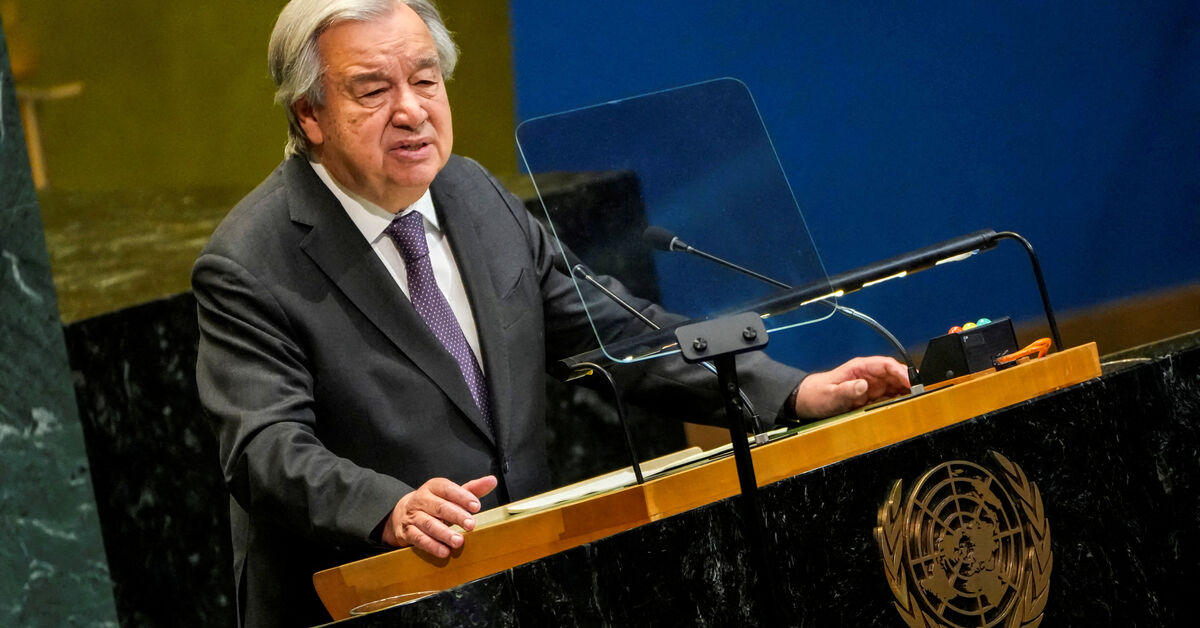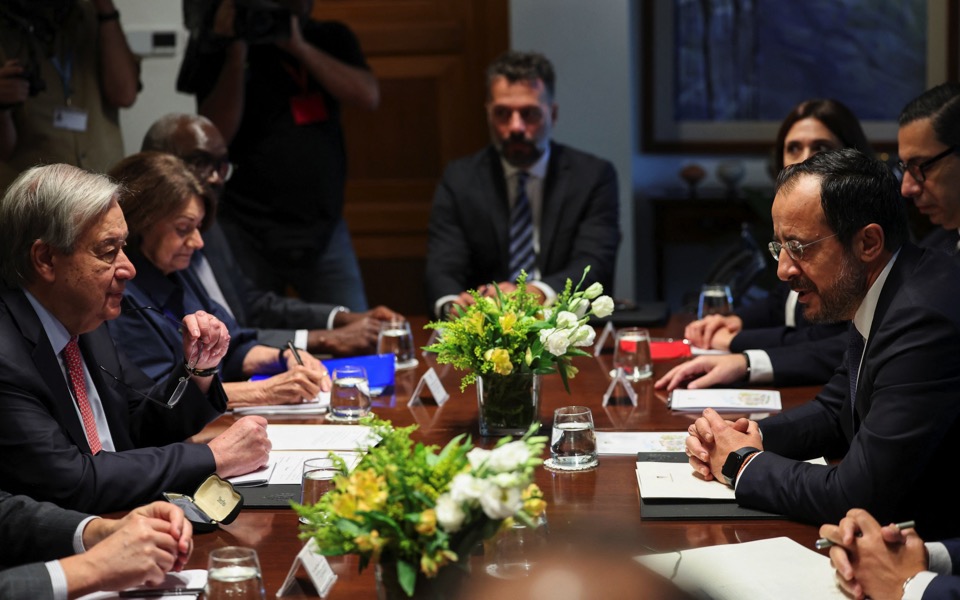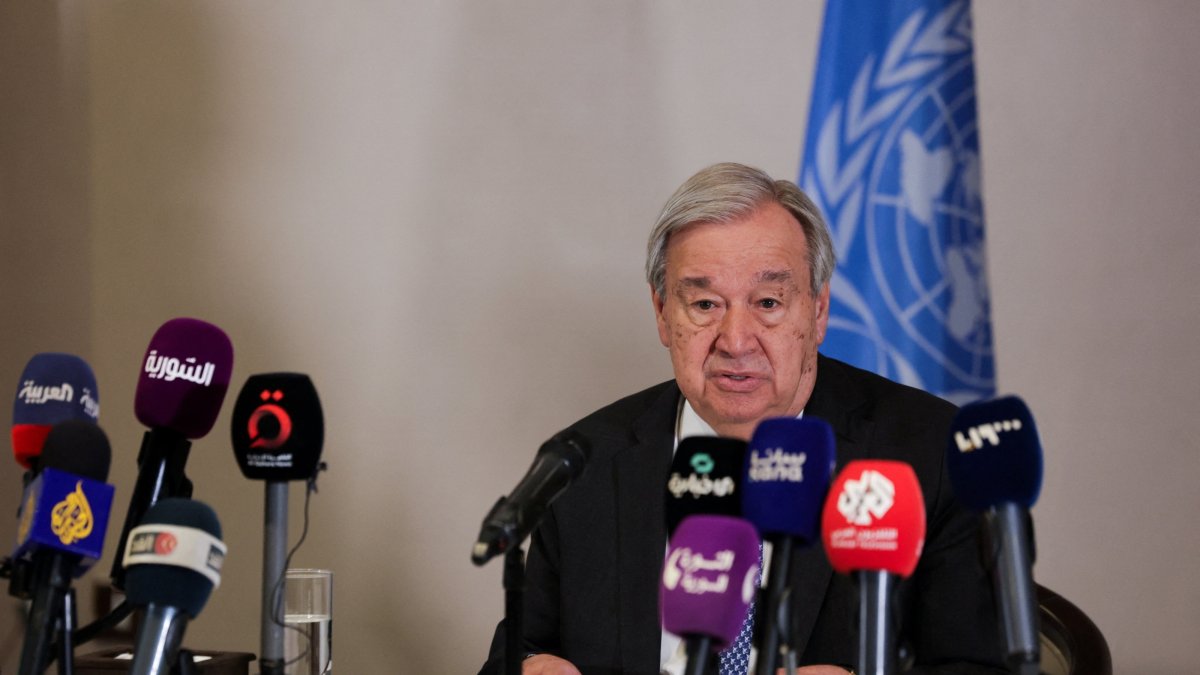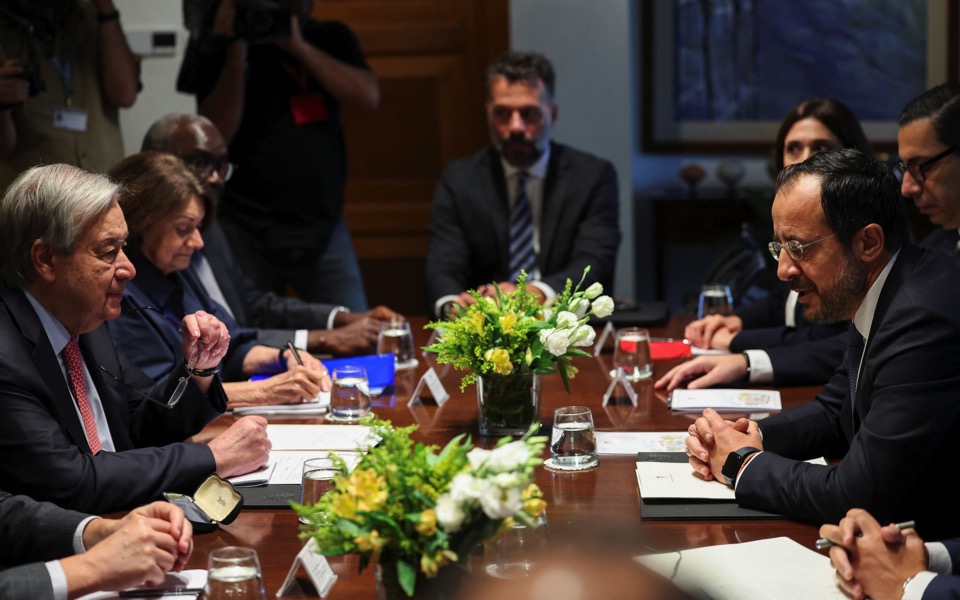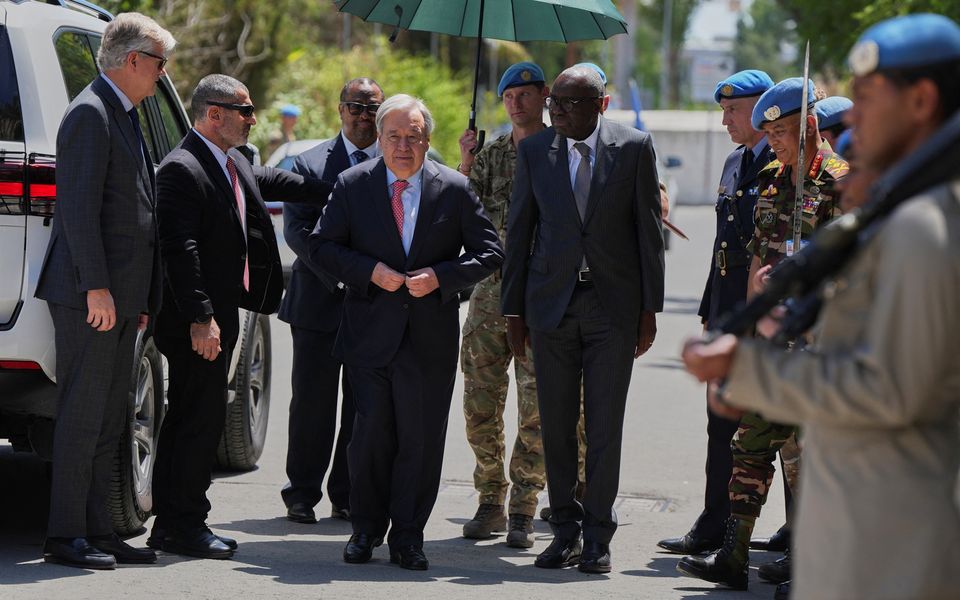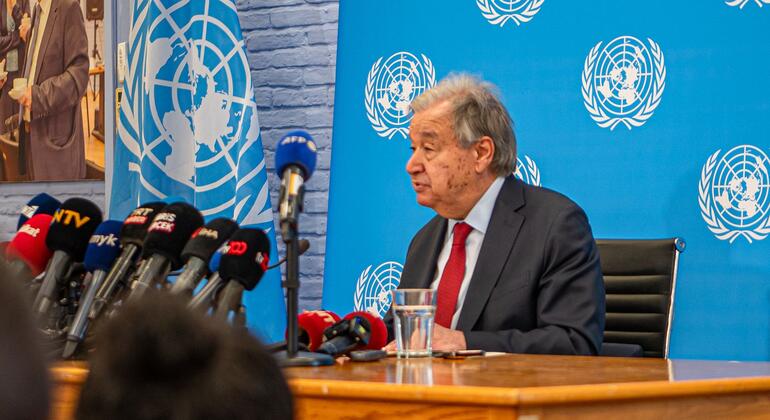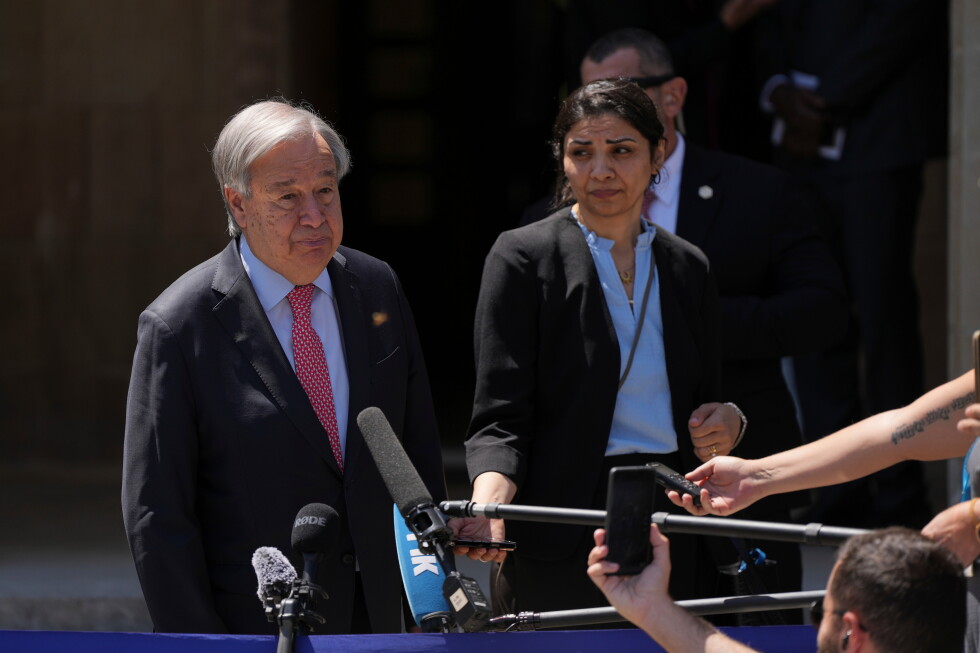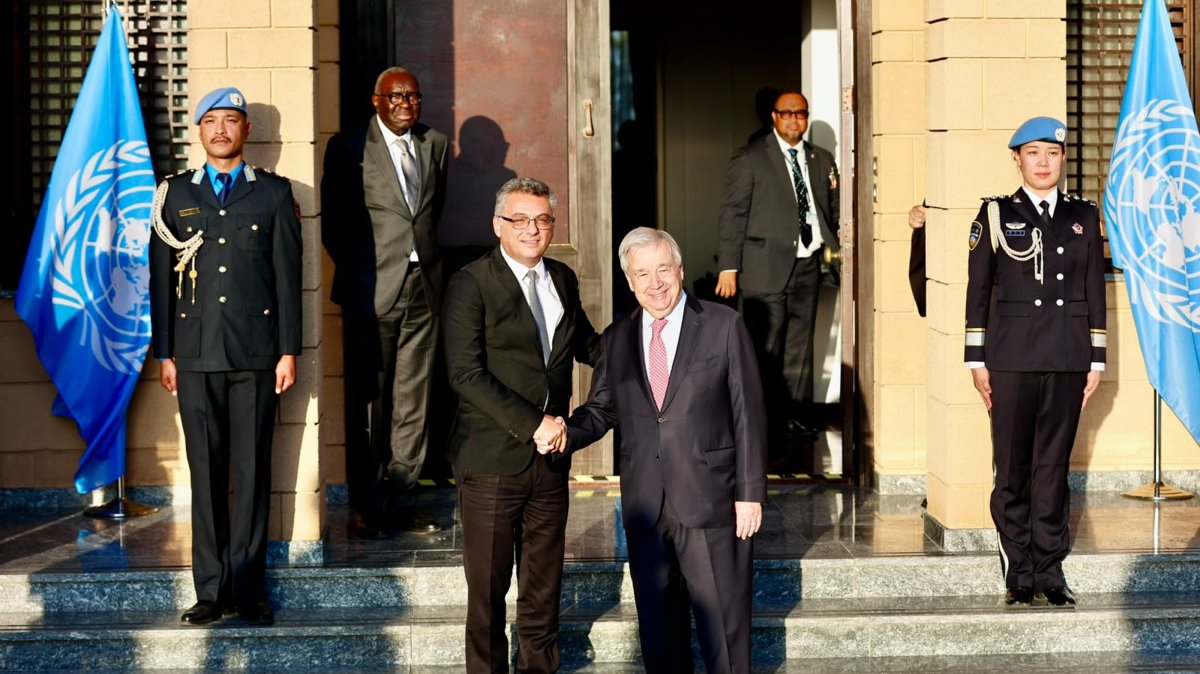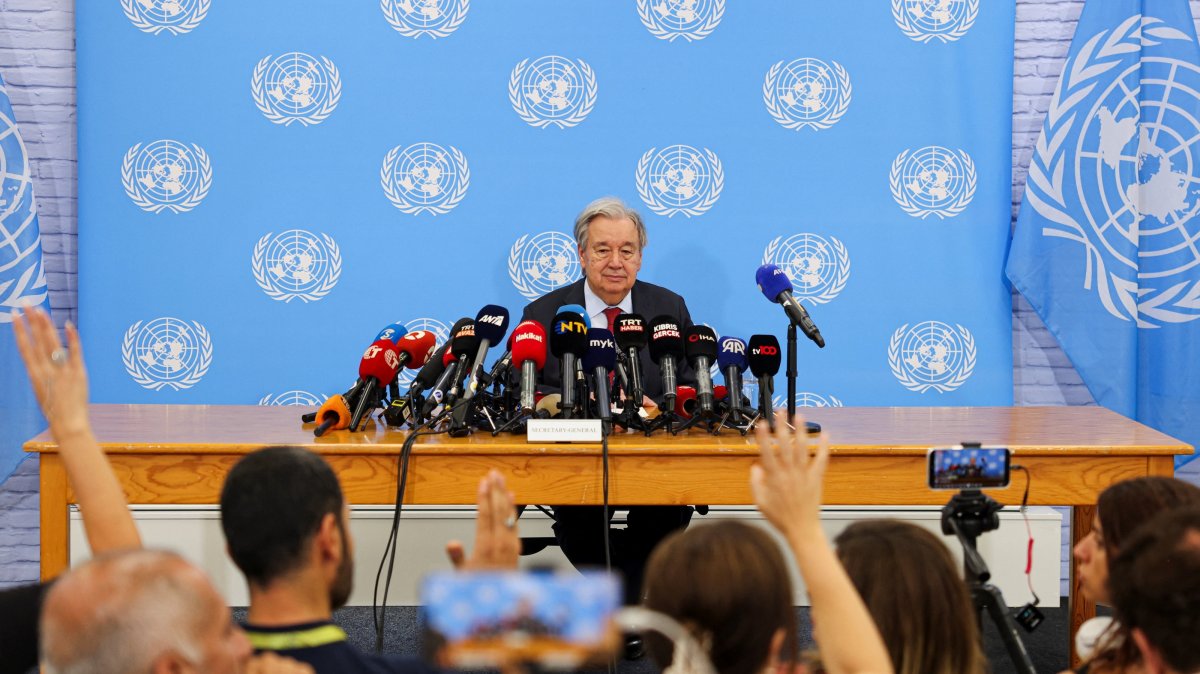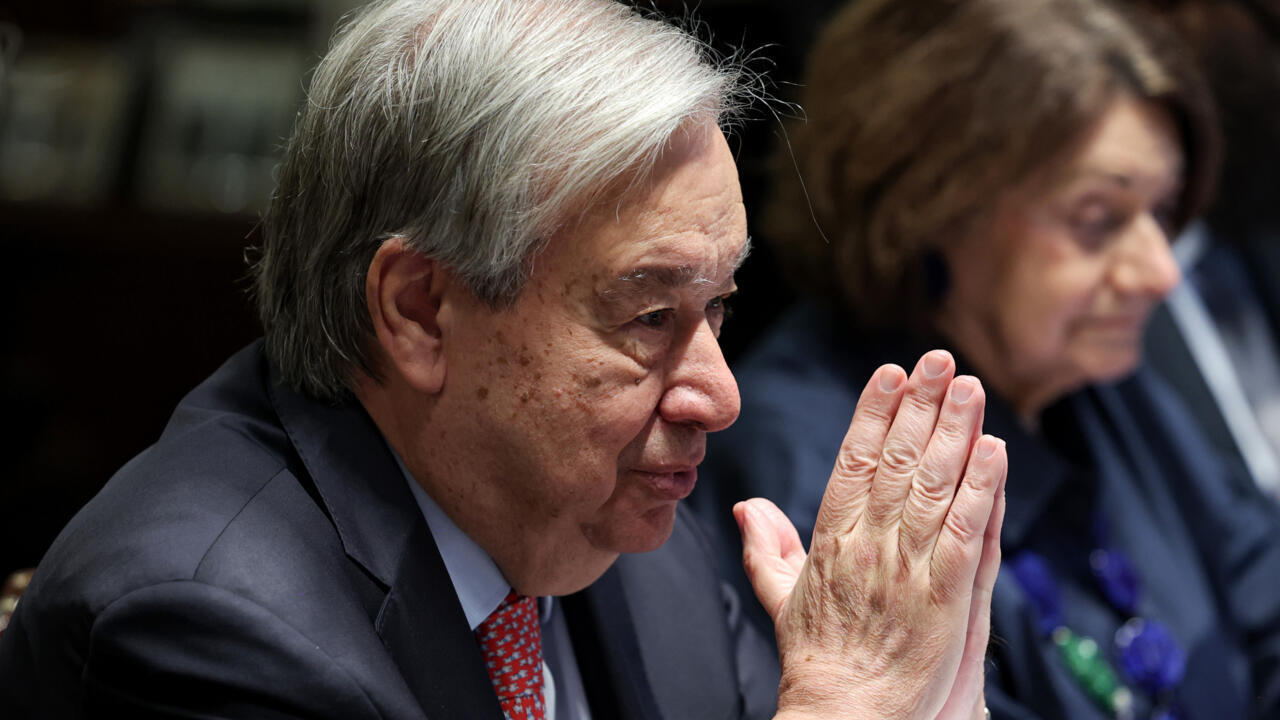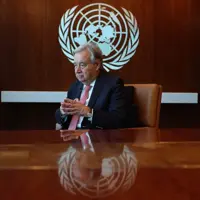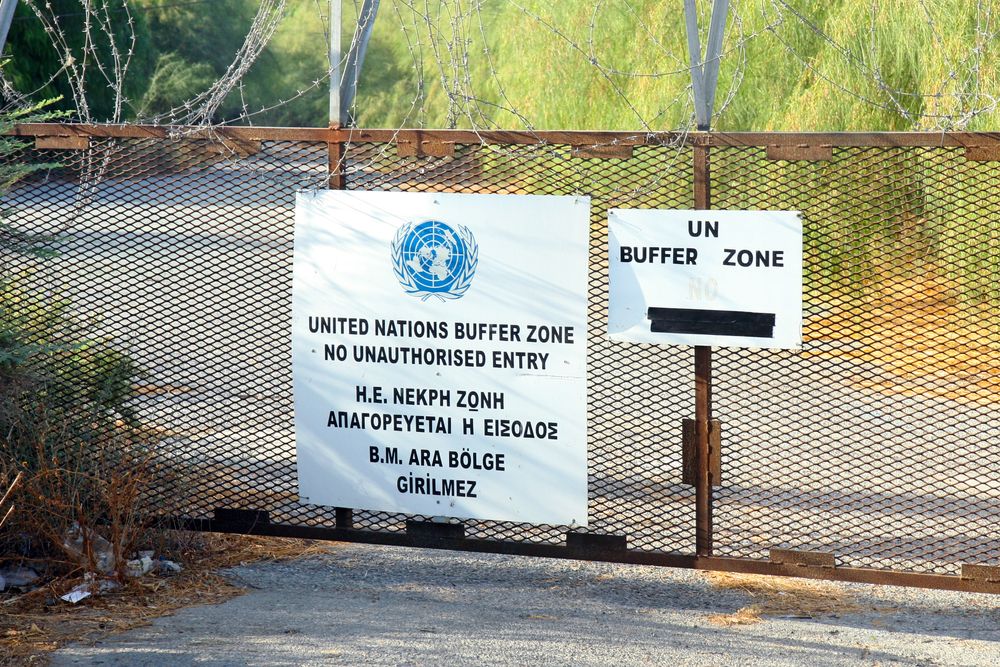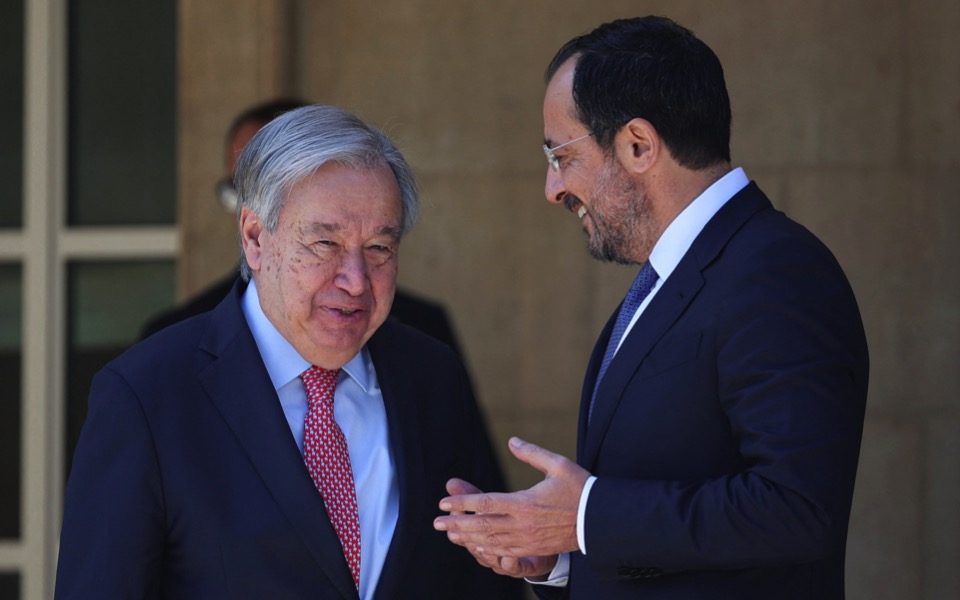
The secretary-general of the United Nations, Antonio Guterres, visited Cyprus this week, with the aim of securing a minimum of consensus for a meeting between the different sides before his term expires at the end of the year. It seems that he succeeded.
There are emotional considerations. They are, obviously, significant for the Greek Cypriots, having endured the painful reality of a nation invaded and a significant portion remaining under occupation for 52 years. One detects similar feelings in the Turkish Cypriot side, too, many of whose members feel more Cypriot than Turkish. But apart from the emotions, each side has its own strategic objectives.
This is true not only for the protagonists – the Greek Cypriots and the Turkish Cypriots, as well as the “motherlands” Greece and Turkey, but also for the European Union, which is part of the equation by the very nature of the situation.
In this context it is somewhat curious that the EU appears willing to support a solution which, in one form or another – at least among those currently being discussed – will allow Turkey to intervene in the Union’s internal processes and decision-making. The extent to which this would be true obviously remains to be seen, but influence there will certainly be.