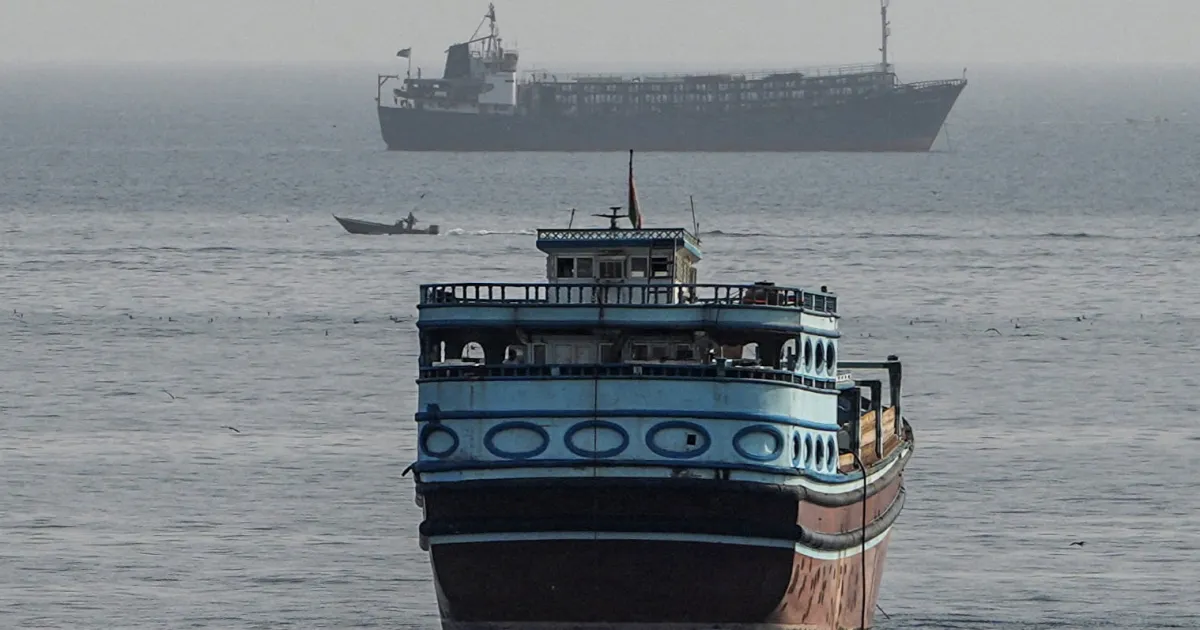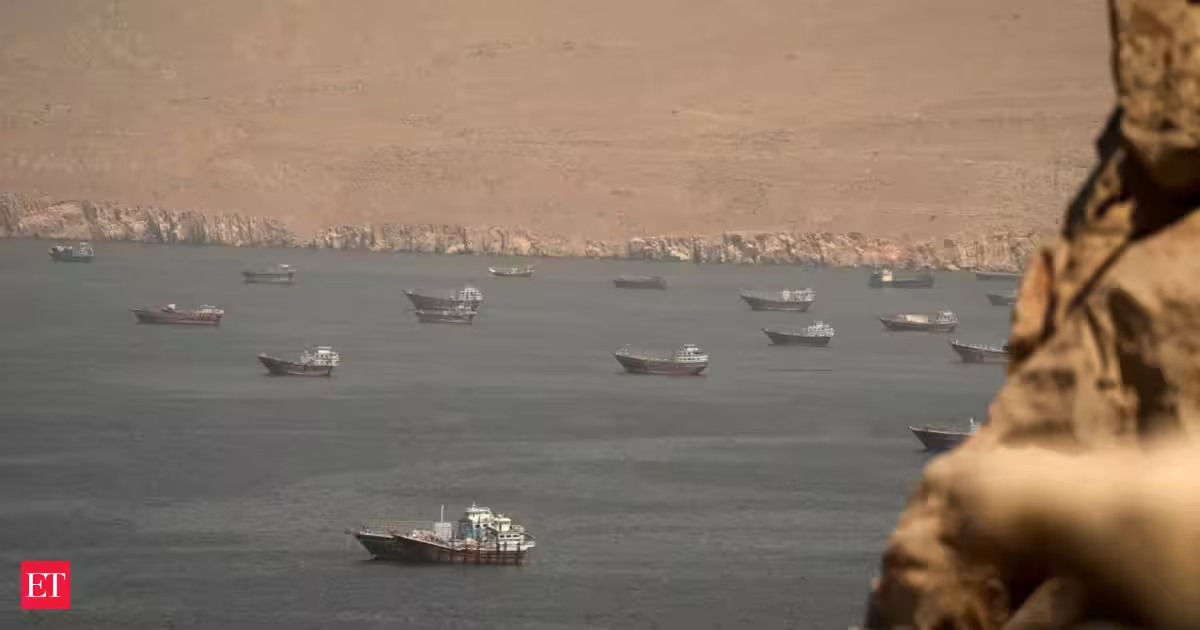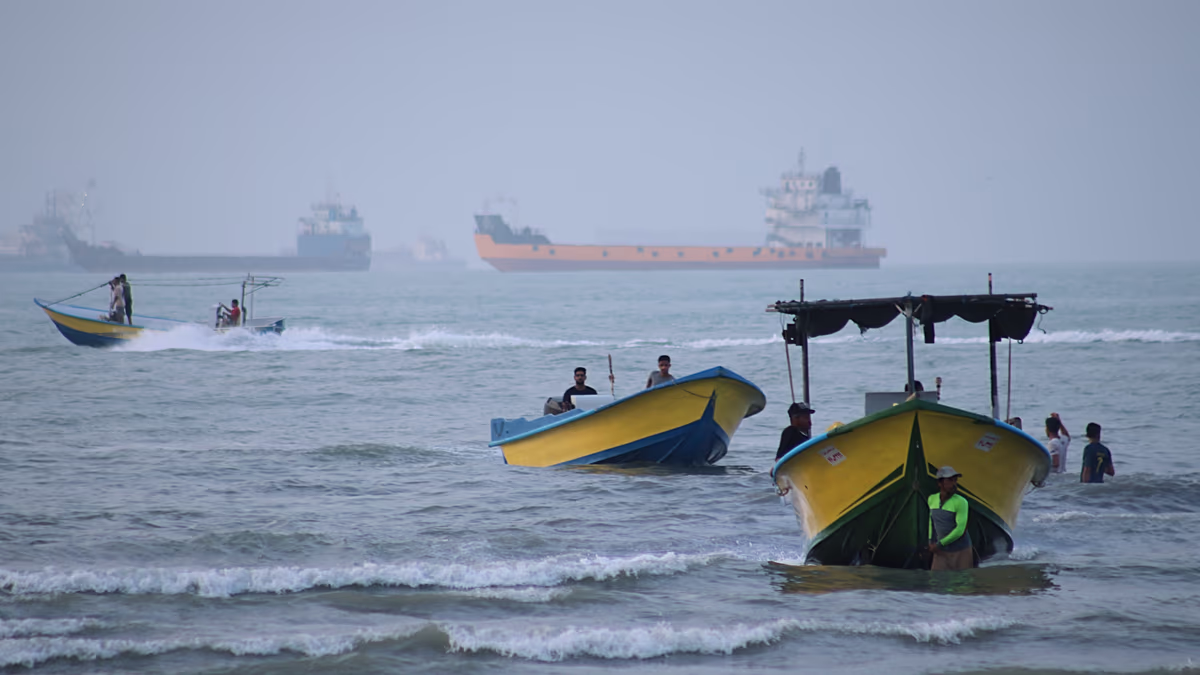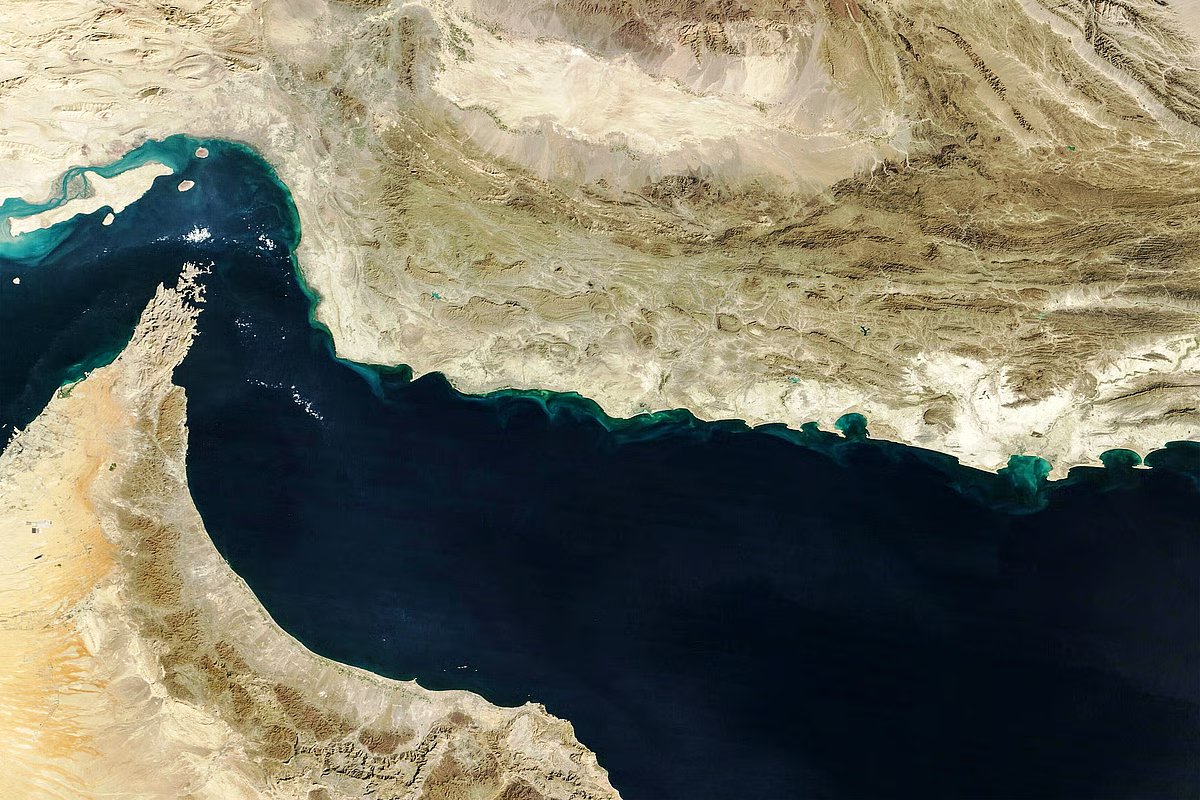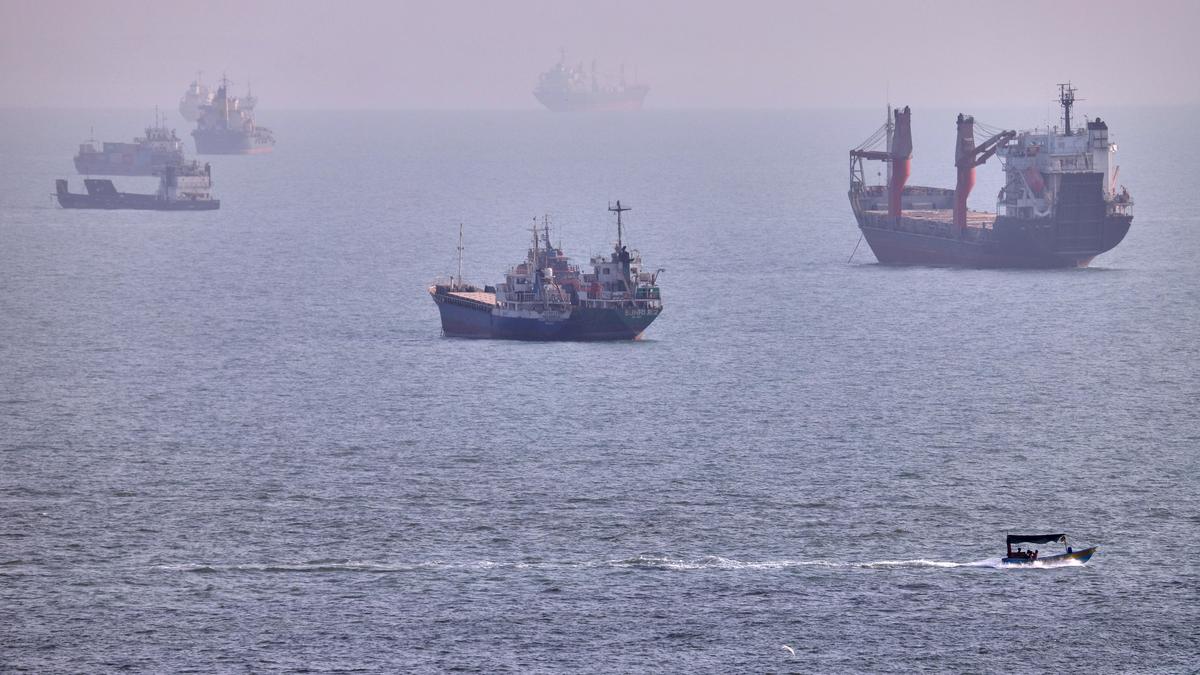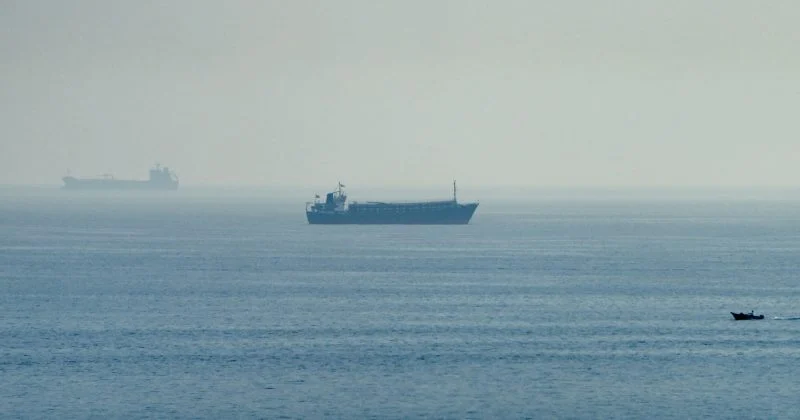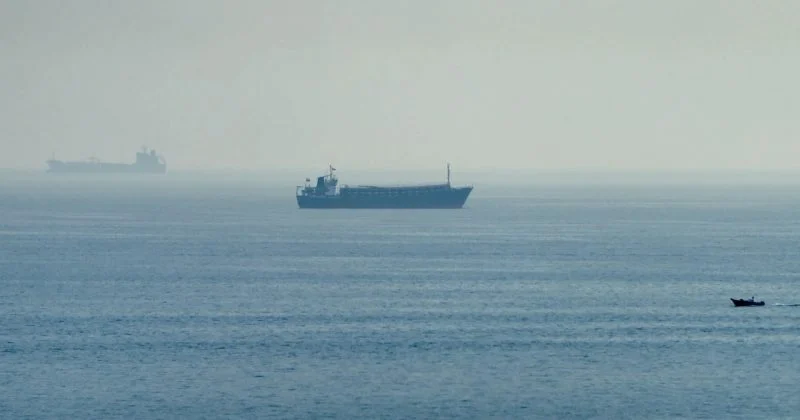
Three capitals are inching toward an agreement that could uncork the world’s most important oil chokepoint. Iran, Oman, and the United States have been negotiating a framework to reopen the Strait of Hormuz, which has been effectively closed since late February 2026, sending Brent crude past $100 per barrel and rattling energy markets worldwide.
Iranian and Omani officials say draft terms covering shipping routes and geographical coordinates are nearing finalization. But Iran is holding a very large card: it insists the strait stays shut unless Washington meets its conditions, including ending the US naval blockade and engaging on war-related demands.
What the deal actually looks like
Rather than flipping the strait back to a fully open navigation regime, the proposed framework would create a temporary corridor with a novel power-sharing arrangement. Iran would oversee inbound traffic while Oman manages outbound lanes.
Reports suggest the initial reopening period would last 60 days. The Strait of Hormuz typically carries about 20% of the world’s oil trade, passing through a narrow waterway just 21 miles wide at its tightest point.