Nahla Khalifa woke on April 15, 2023, to the sound of artillery in Omdurman. She could not have known that the war that sent her and her five children scrambling under beds and tables would upend even the most basic aspects of their lives: food, water and medicine.
At first, the family survived on what remained of its Ramadan provisions. Supplies, however, were limited. Sudan’s economic hardship had begun years before the conflict, and salaries were already insufficient to meet the needs of many households.
‘We eat so we don’t die’
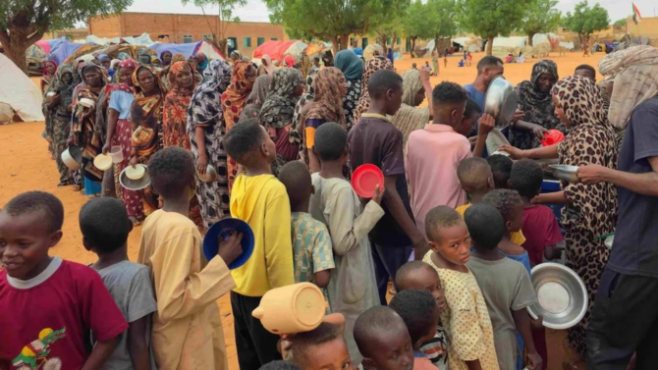
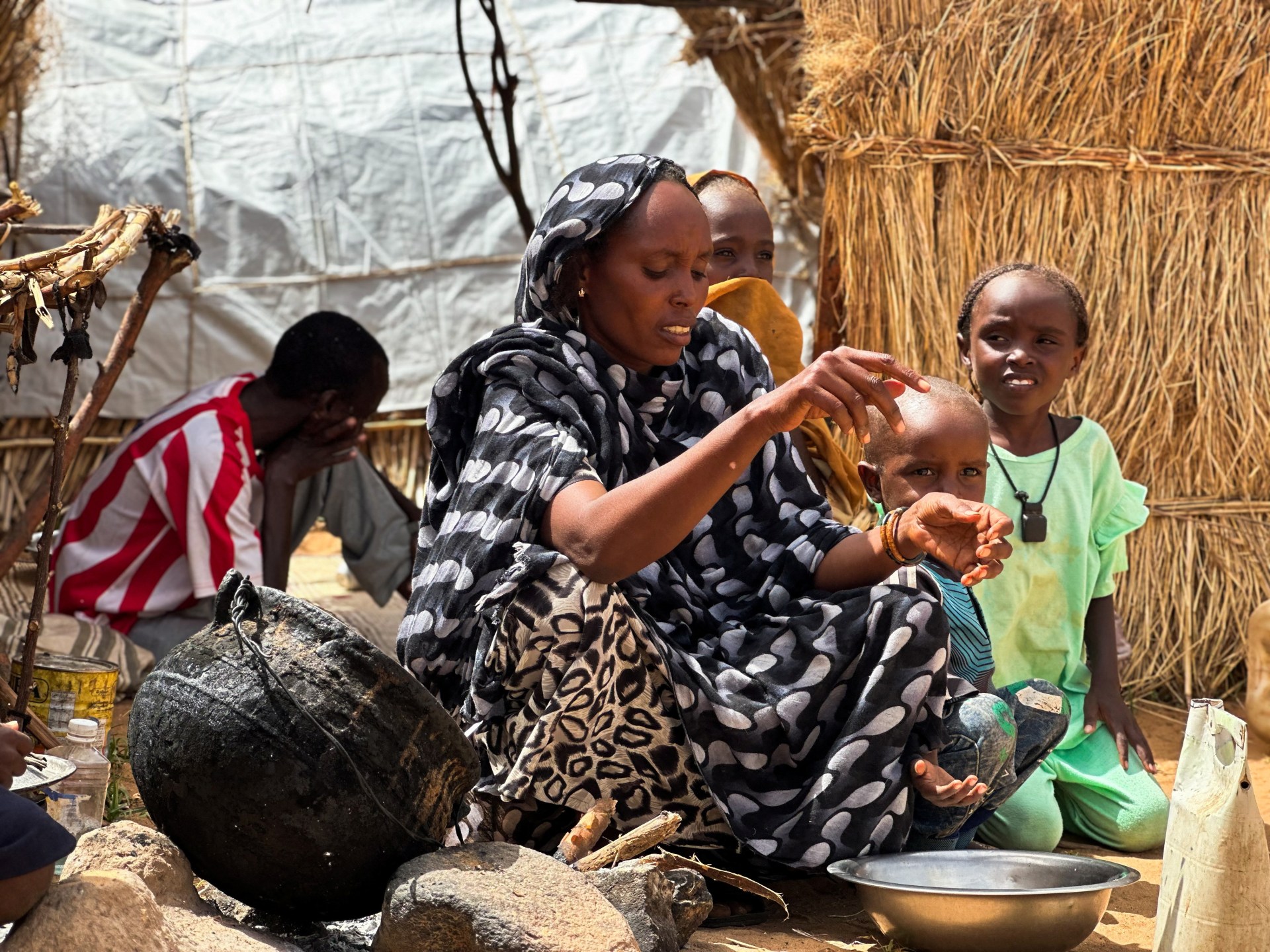
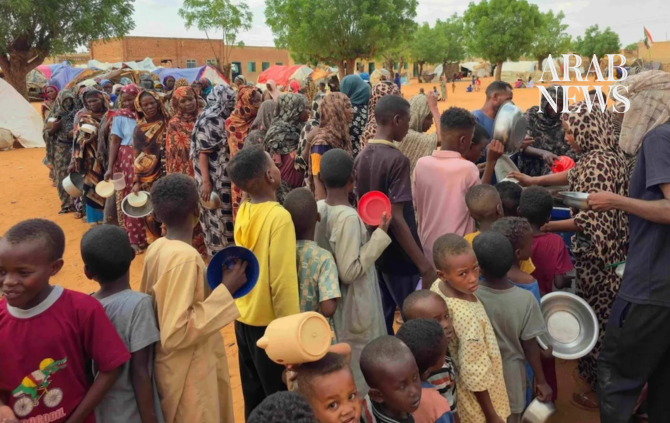
Years of financial strain had forced most Sudanese to cut their daily meals to two. As the fighting dragged on and intensified, household stocks dwindled, leaving stale bread and small portions of lentils or beans supplied by communal kitchens, known as takayas, as staples.
“We ate simply so we wouldn’t starve to death,” Nahla told Asharq Al-Awsat. Meat, milk, vegetables and fruit vanished from the family’s diet, while even a cup of tea became a luxury. Her children often went to bed hungry and frightened, and her diabetic husband’s health deteriorated amid scarce food and limited access to treatment.