“I came here to pray for all those who don’t have a job. The situation is very complicated.”
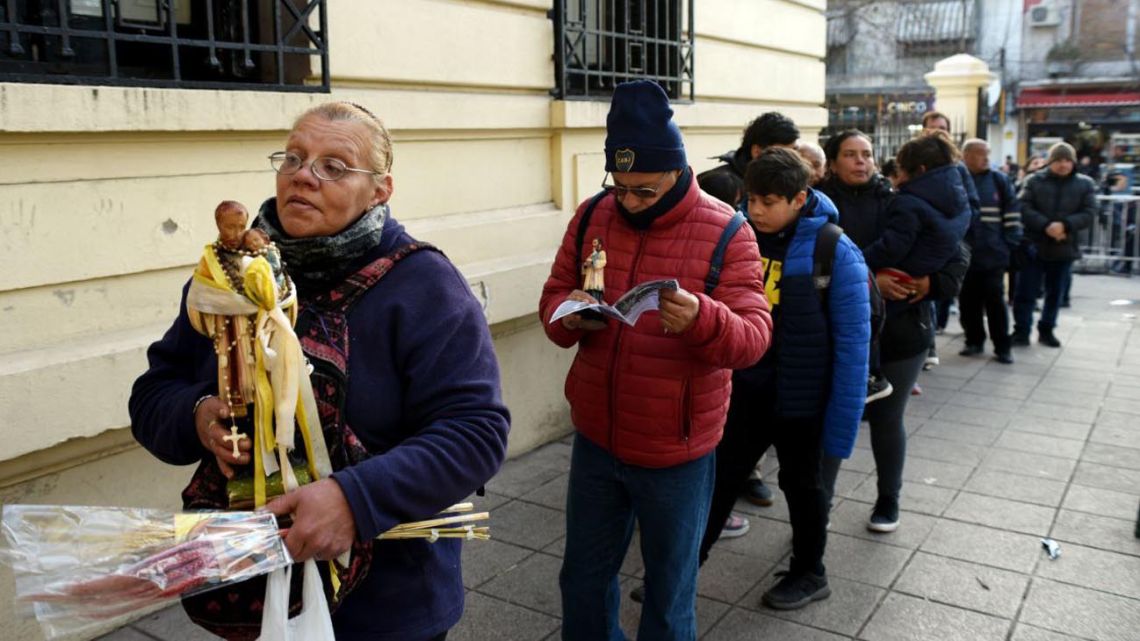
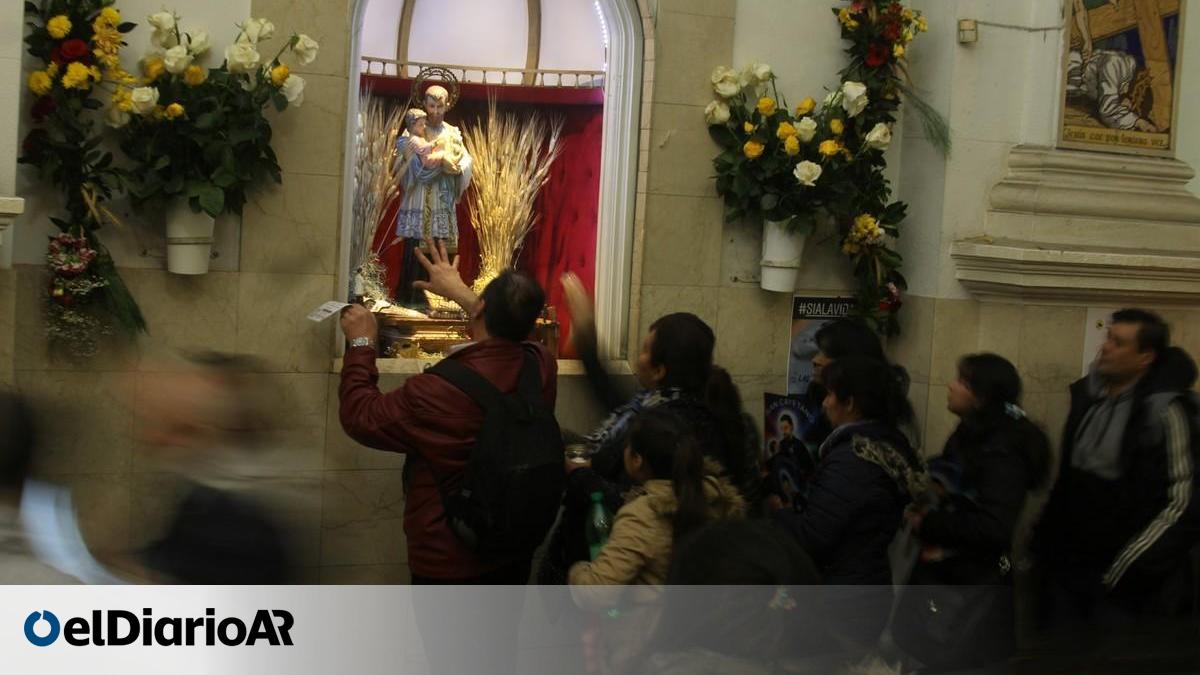
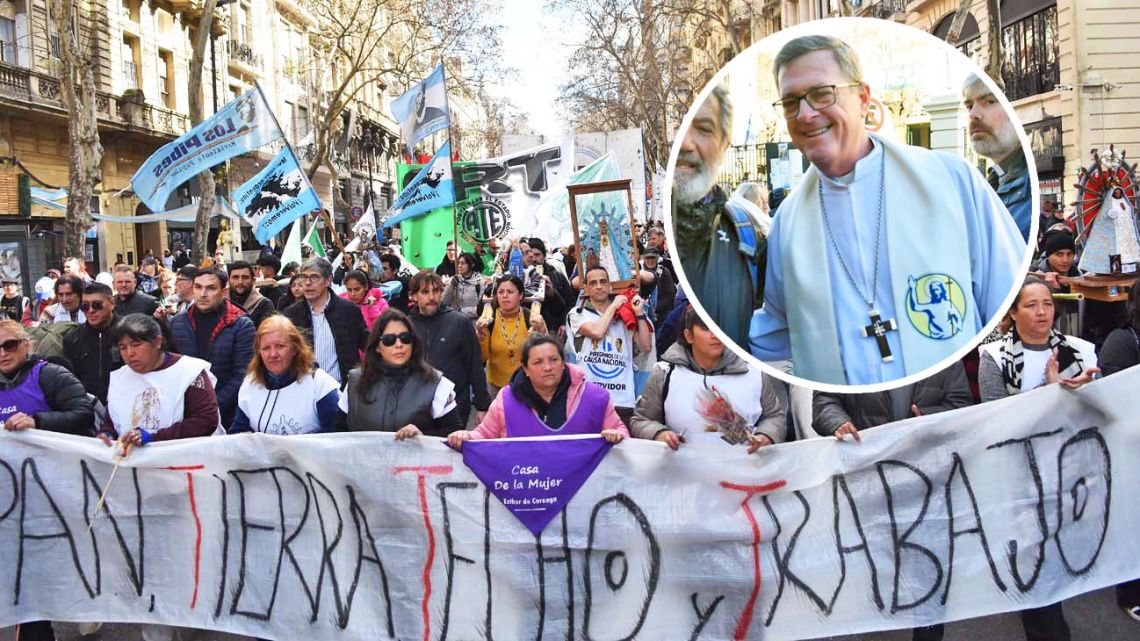
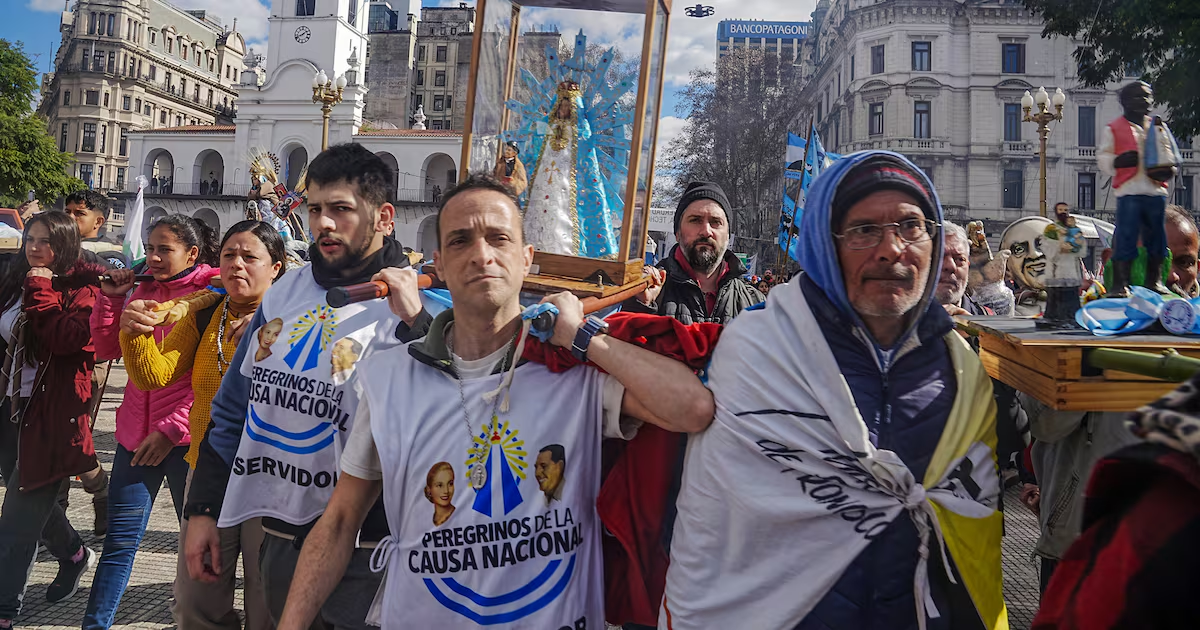
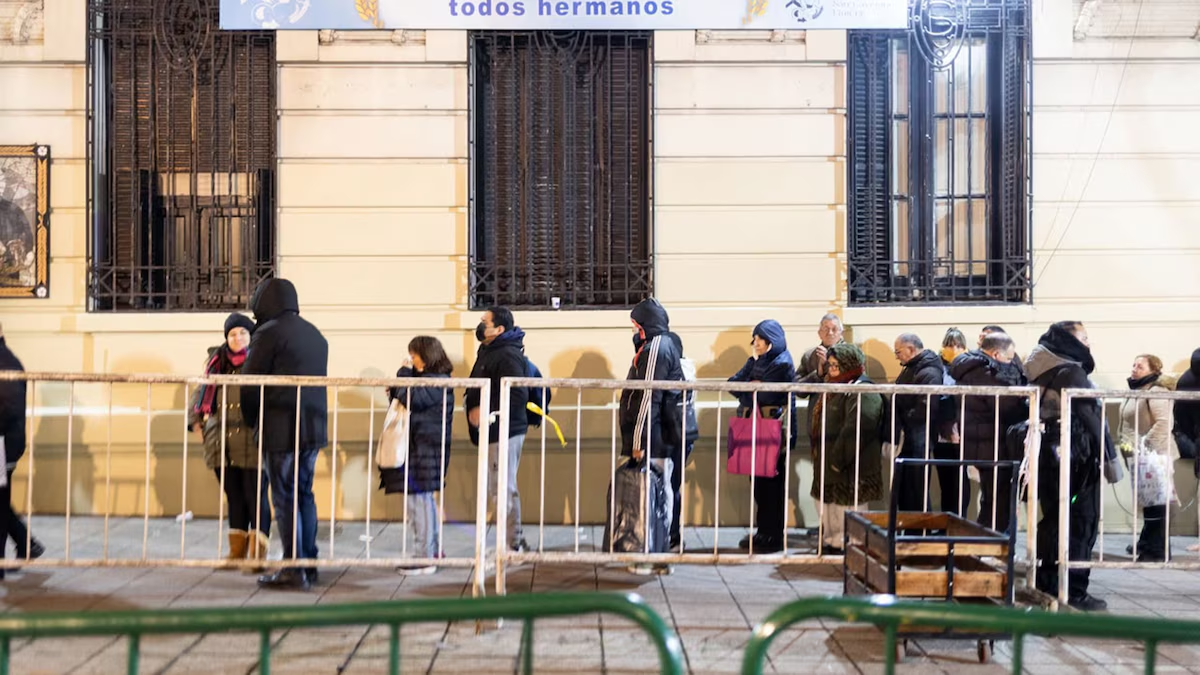
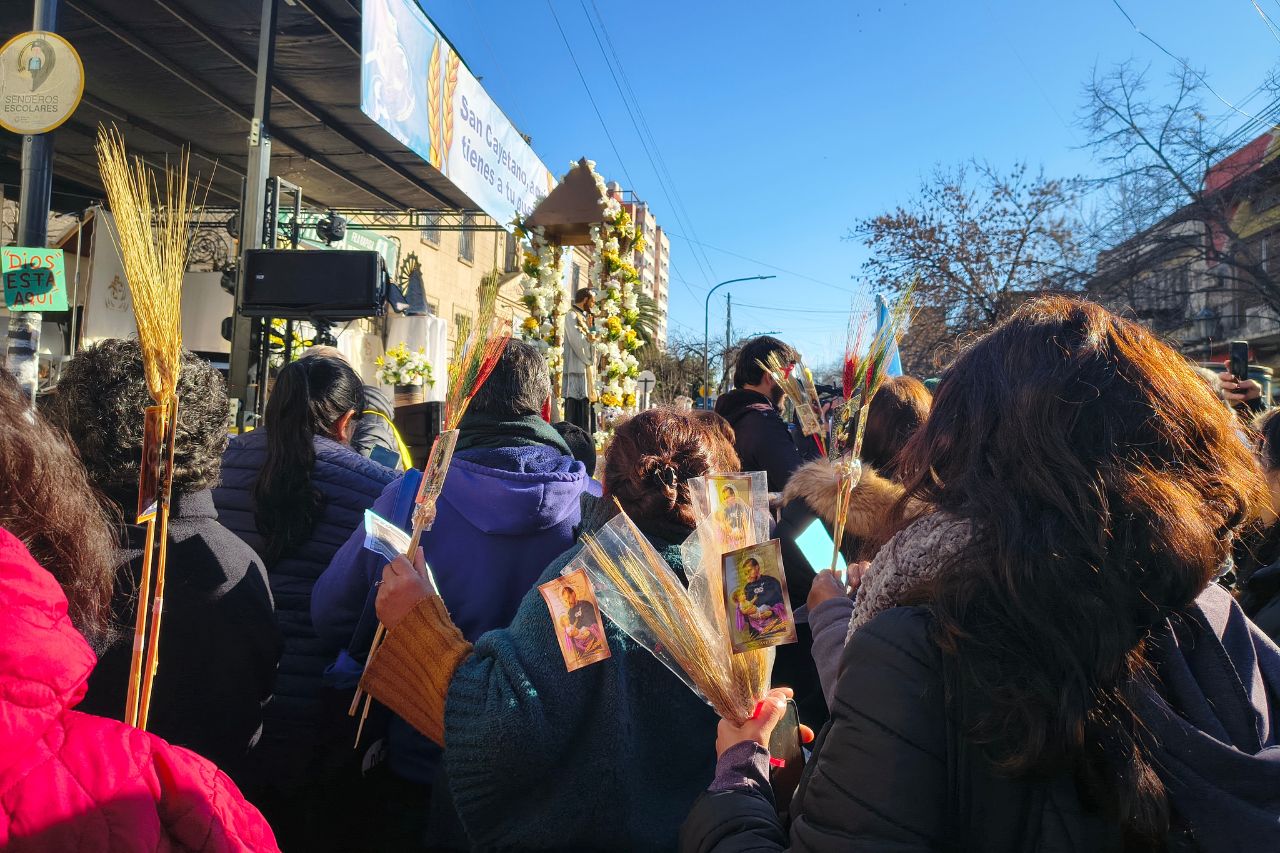
José, a pensioner, traveled all the way from northern Santa Fe province to Buenos Aires with a group of friends to visit the Sanctuary of San Cayetano on Friday, August 7, the day the Catholic community celebrates the patron saint of workers and the unemployed.
Just like hundreds of others, José — who also turned 65 on Friday — gathered outside the church, joining a queue of several blocks on a freezing winter morning.
The tradition has been observed for almost a century in the working-class neighborhood of Liniers, in Buenos Aires City.
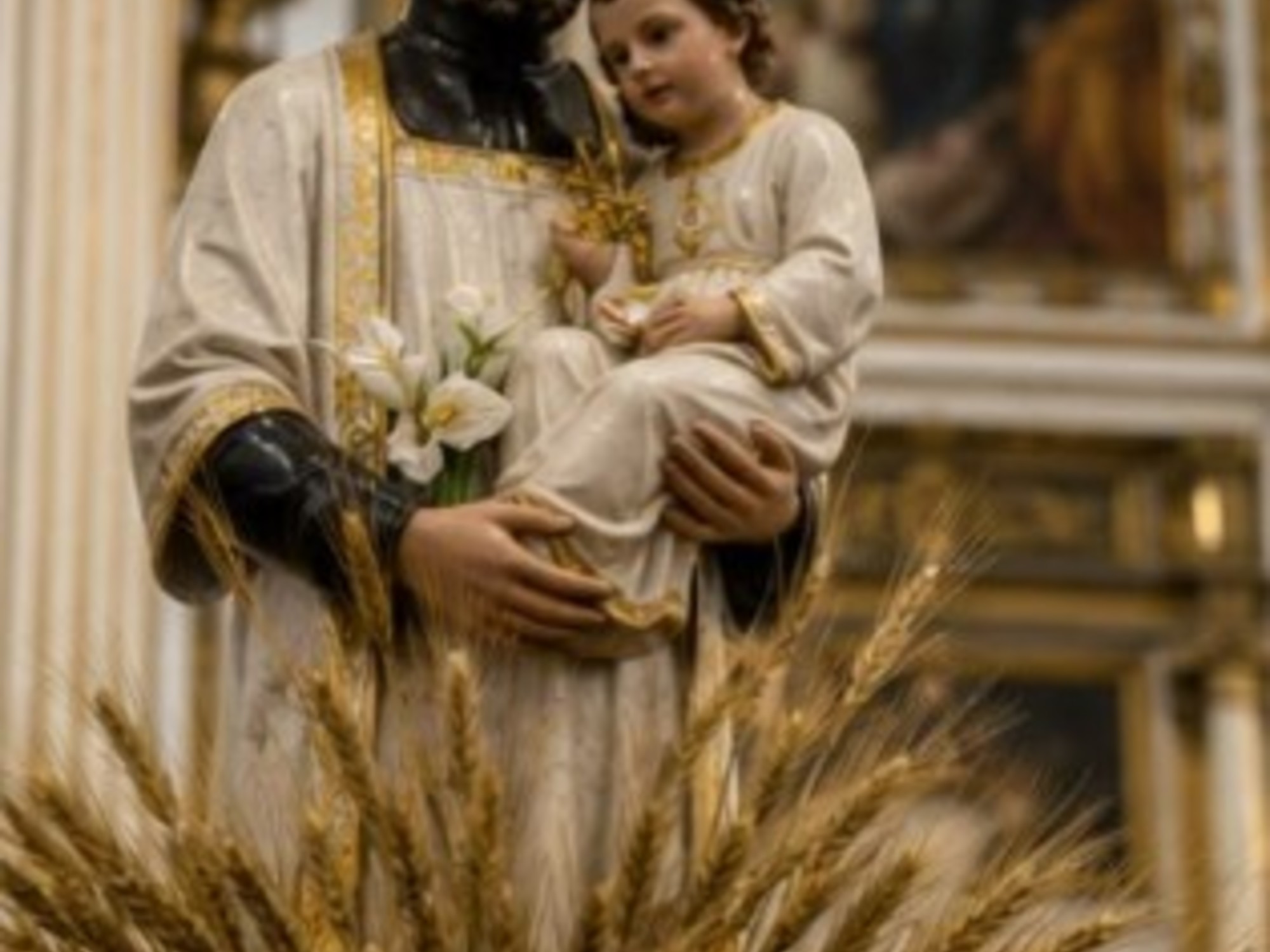
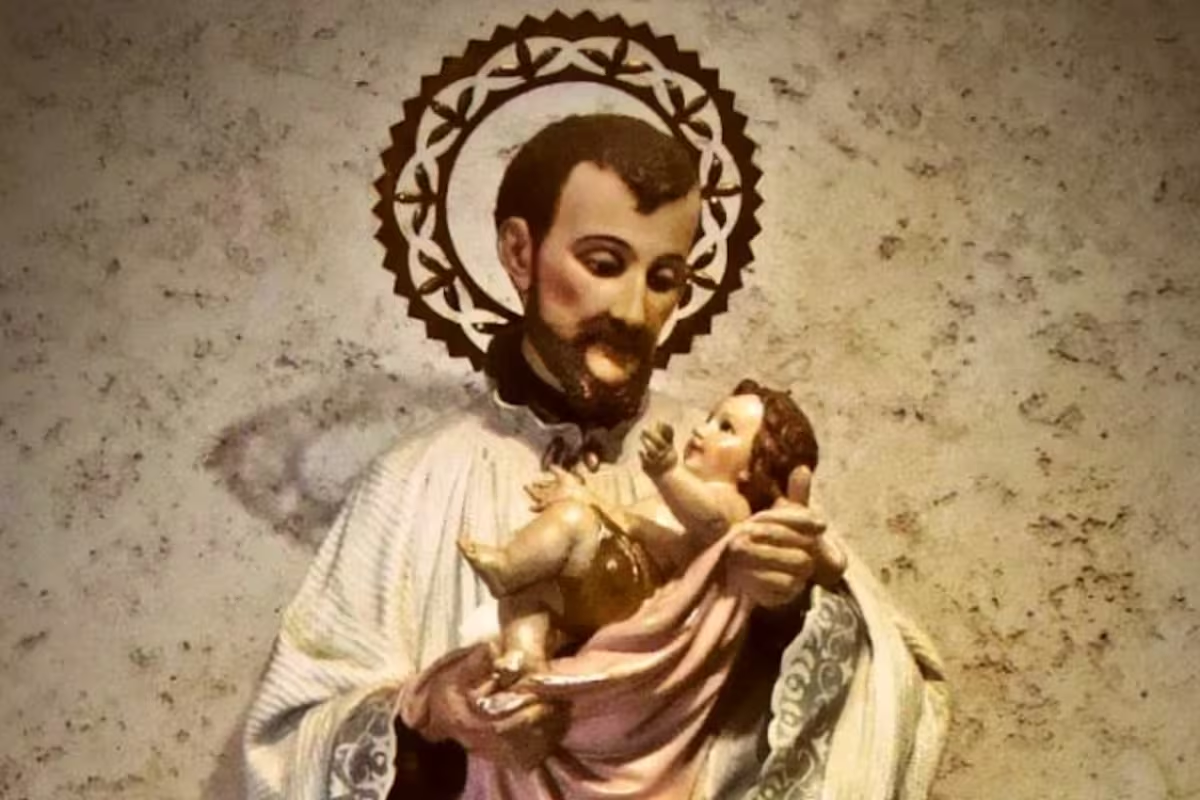
Known globally as St. Cajetan of Thiene, San Cayetano died in Naples in 1547, centuries before Argentina existed. Amid the unemployment crisis that followed the 1929 stock market crash, Argentine priest Domingo Falgioni began distributing images of the saint holding a stalk of wheat to workers who had little else to hold onto, helping to establish a tradition of pilgrimage and devotion in Argentina that continues to this day.