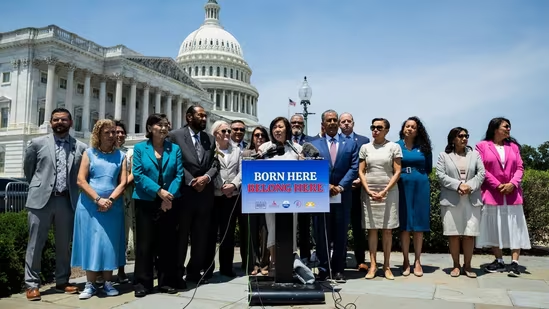
When the U.S. Supreme Court ruled in June in favor of broad birthright citizenship protections for babies born in the United States, one of its most conservative justices warned that the decision could extend even to so-called birth tourists.
Women “who come here solely for the purpose of giving birth” would be able to secure automatic U.S. citizenship for their children, Justice Samuel Alito wrote in dissent from the 6-3 ruling, which blocked President Donald Trump’s first attempt to restrict birthright citizenship.
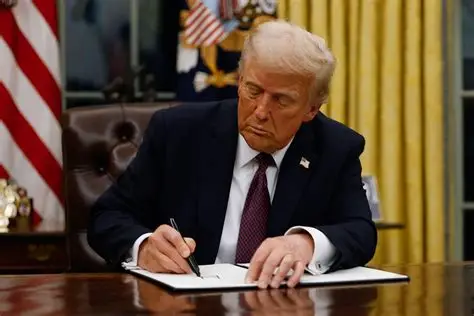
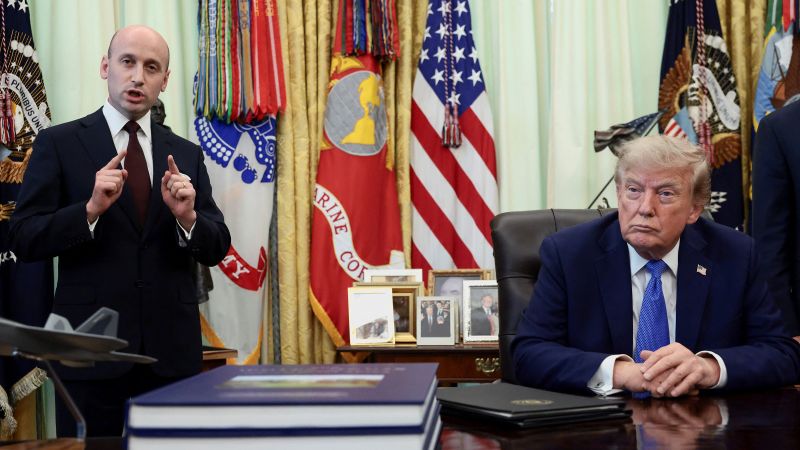
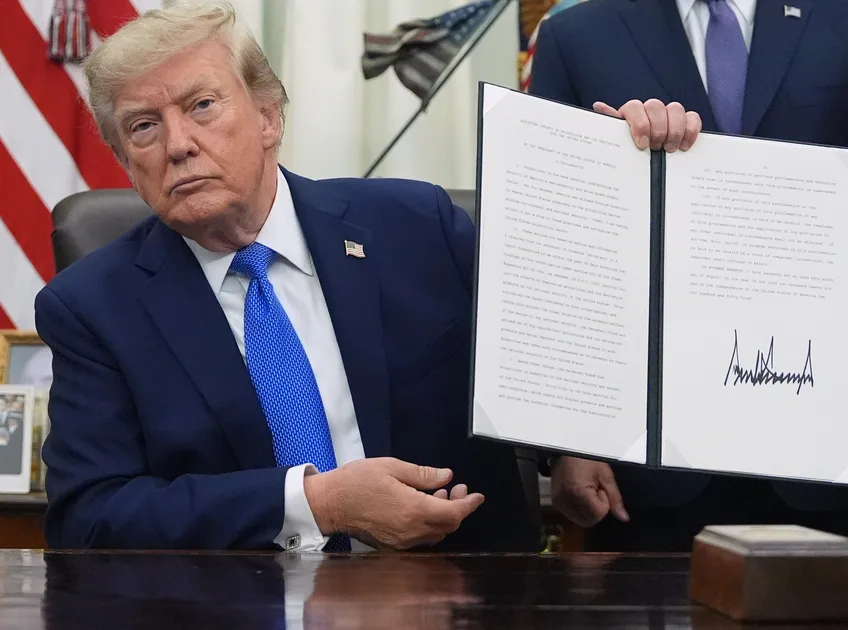
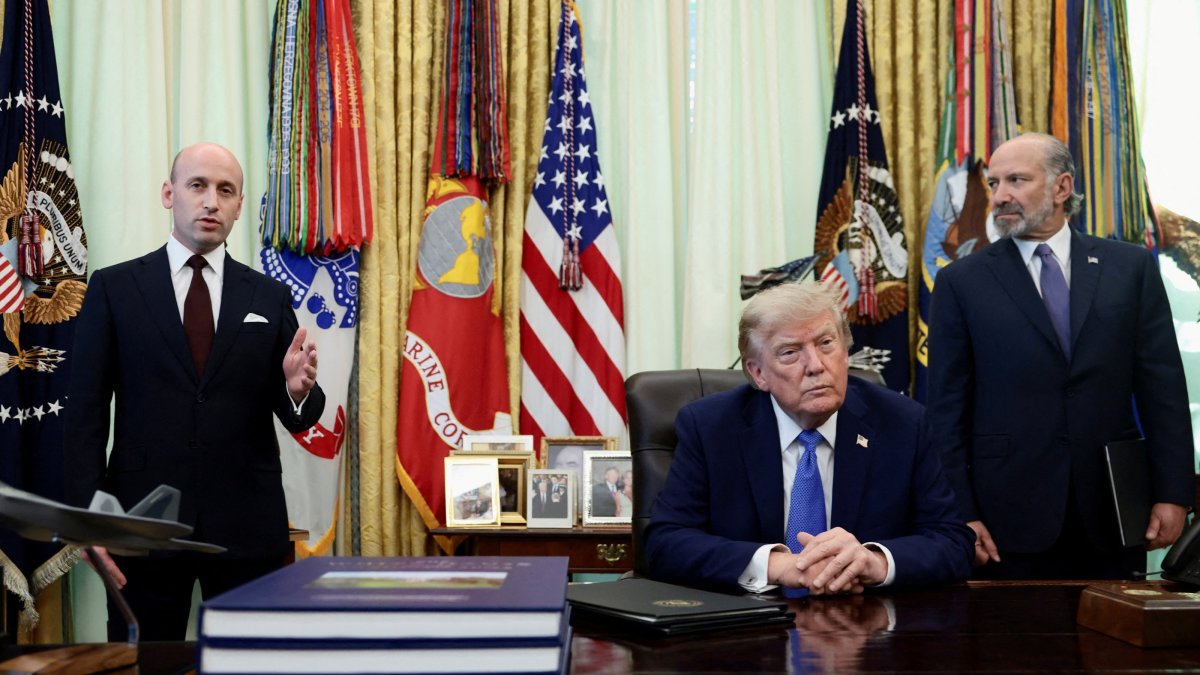
Undeterred by the ruling, Trump tried again Thursday, signing two executive orders largely targeting birth tourism. But that portion of his latest effort is almost certain to face legal challenges and could prove difficult to defend in court, legal experts said, because it targets a category of people they argue the Supreme Court has already addressed.
“These children are citizens based on their birth on U.S. soil,” said Amanda Frost, a University of Virginia law professor who studies birthright citizenship. “Illegal conduct by their parent can have no bearing on their status.”
Trump has for years sought to restrict birthright citizenship as part of his broader immigration agenda. On the first day of his second term in January 2025, he issued a sweeping executive order aimed at denying citizenship to children born in the United States to parents who were either in the country illegally or were present temporarily under lawful status, including those on work visas and international students.