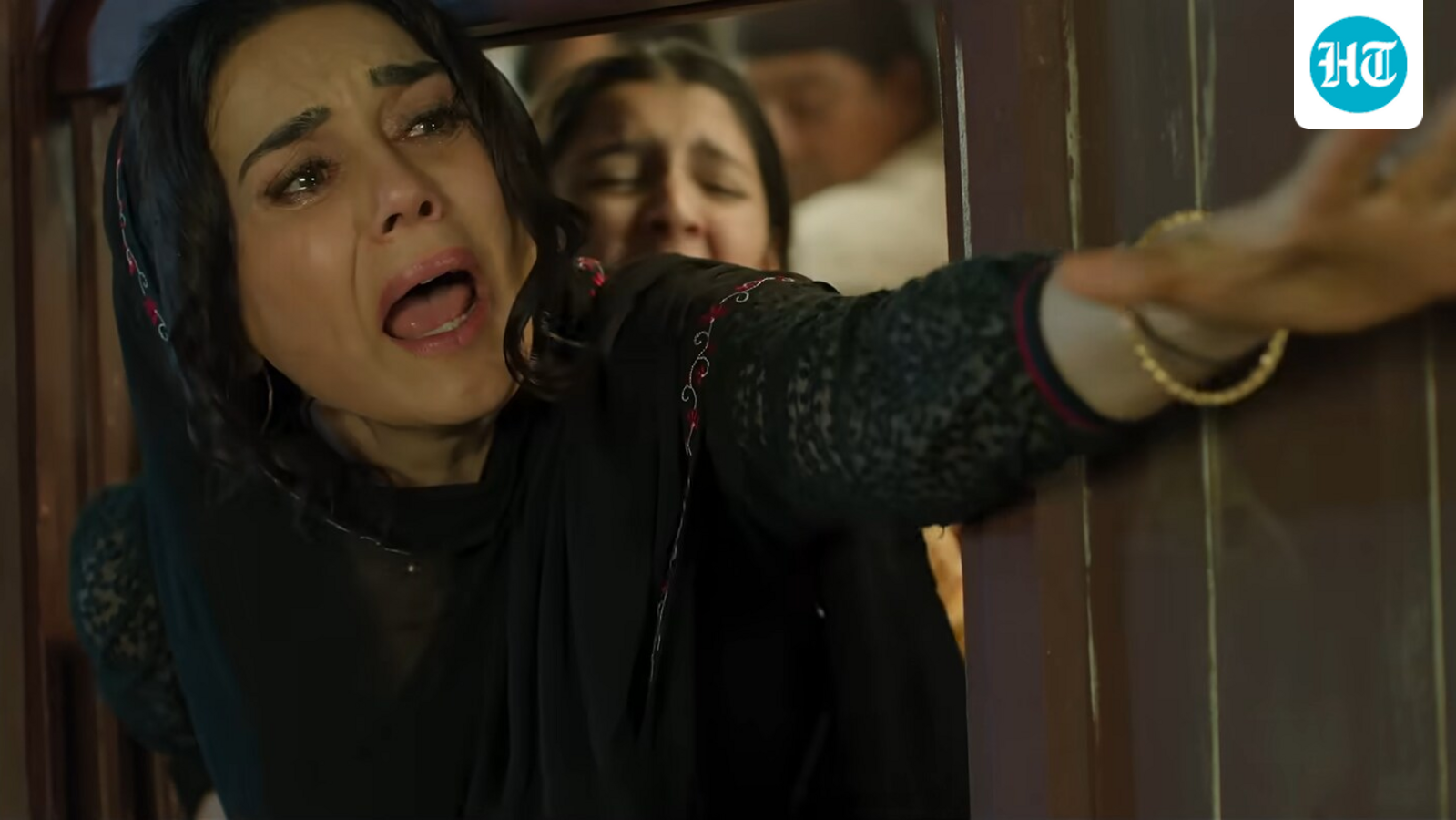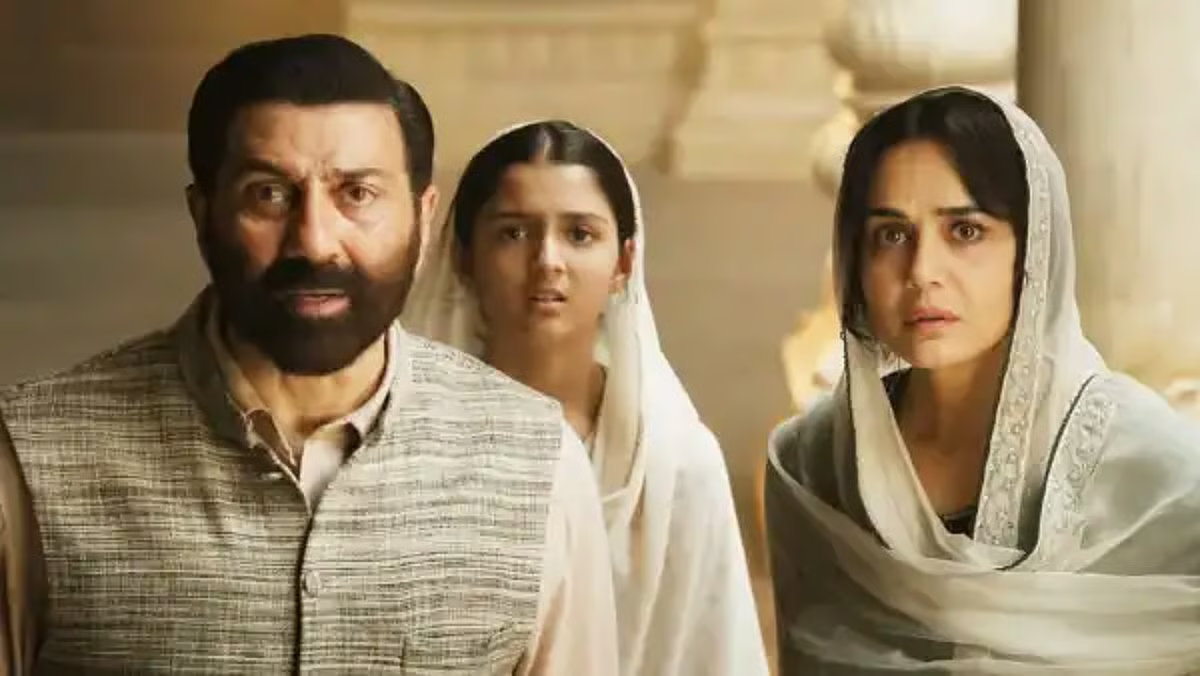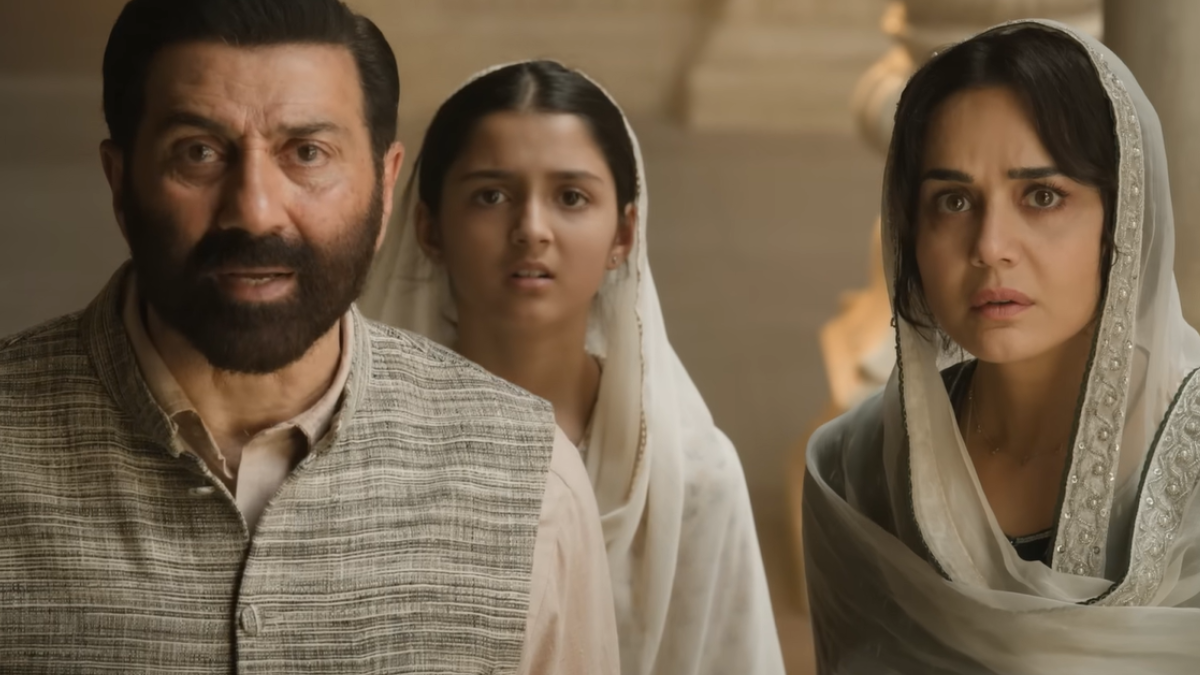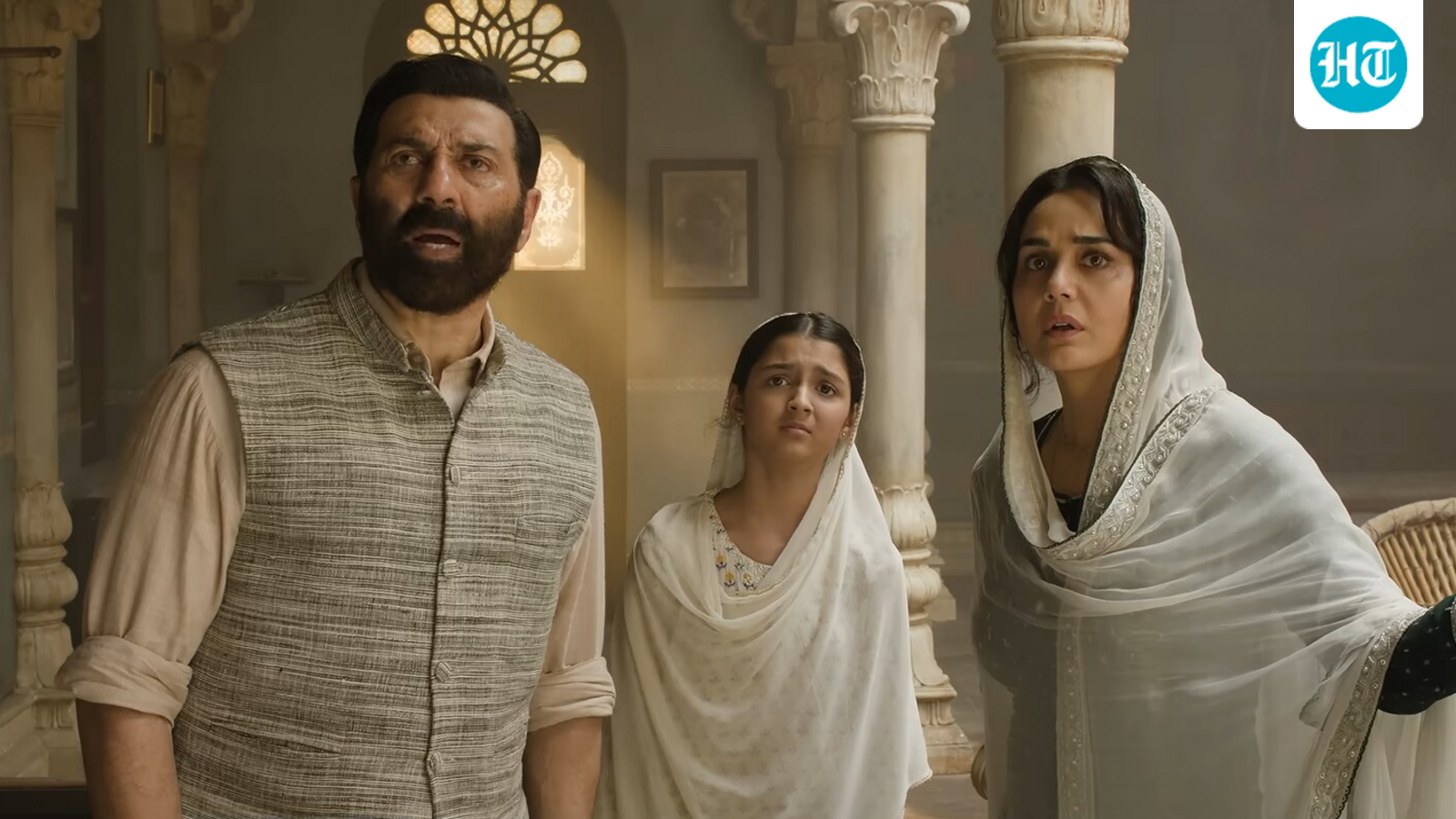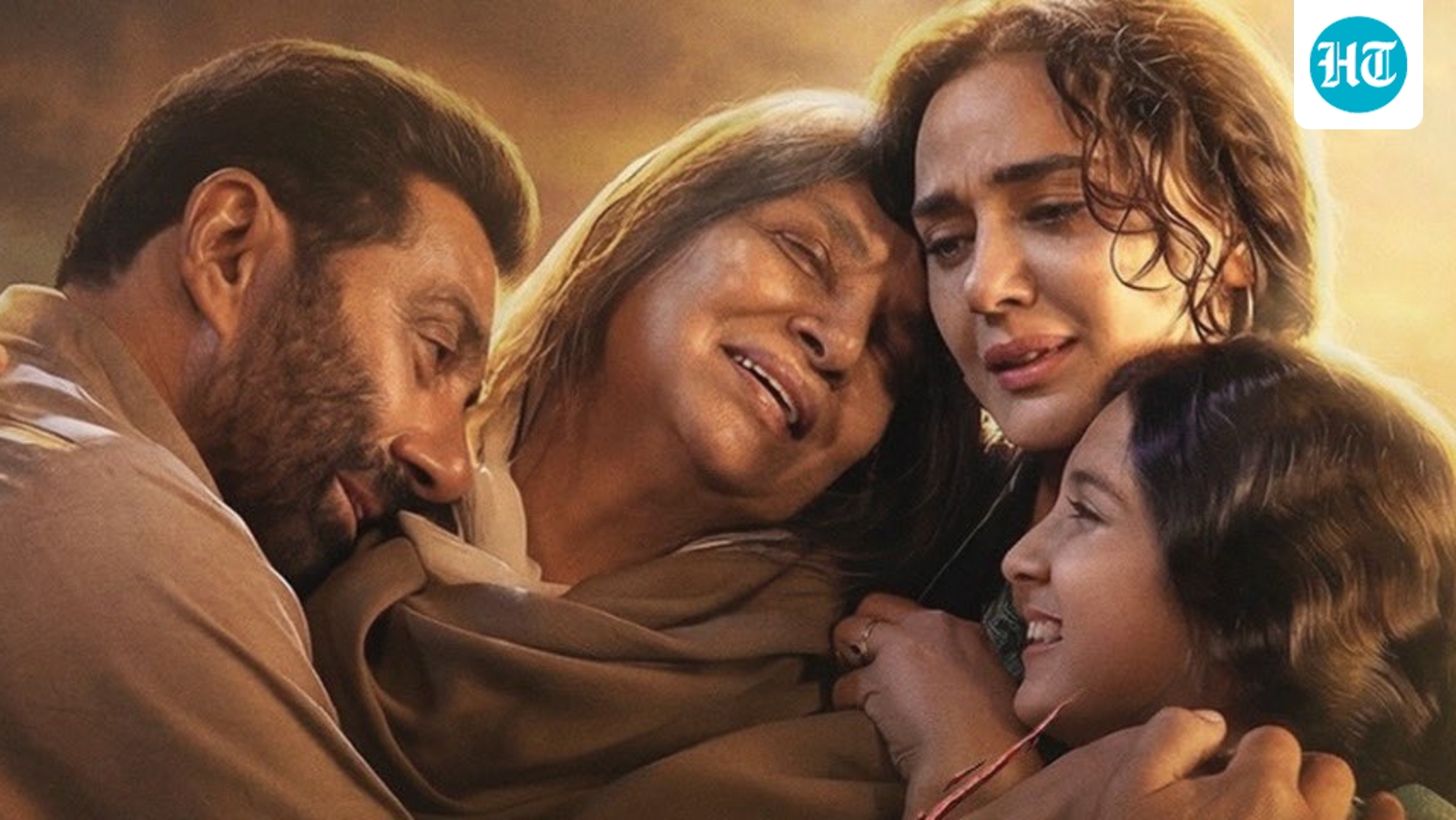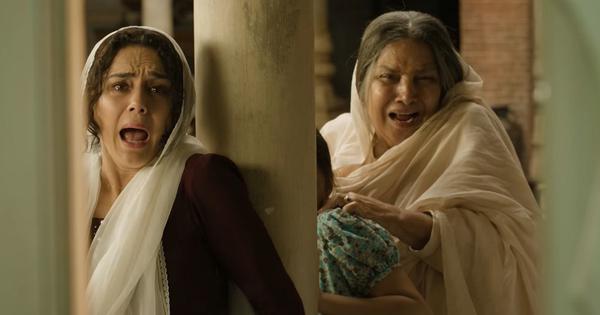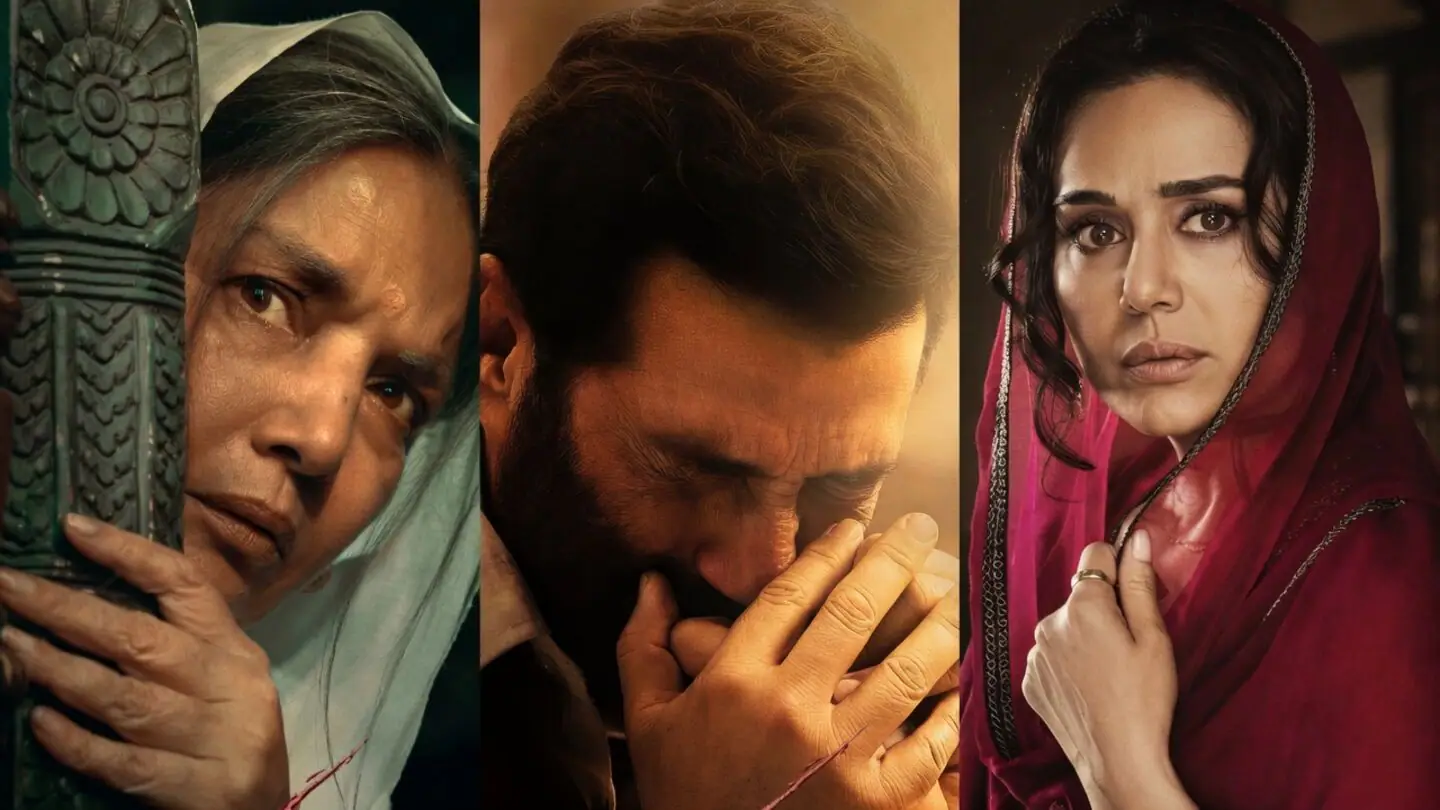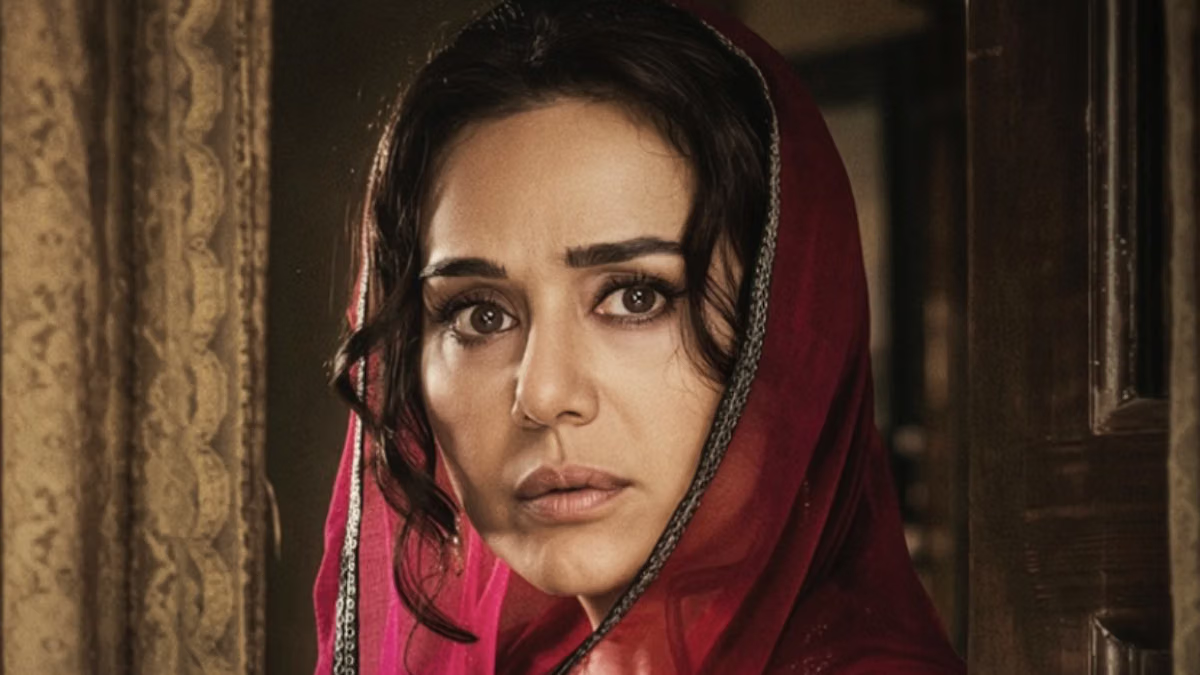
Rajkumar Santoshi’s description of a woman’s life in 1947—as shared by actor Preity Zinta—is a little too neat for history. While speaking about the new film, Batwara 1947, Zinta recalled asking the director how she should approach her scenes, to which Santoshi told her: “Preity, aap khana banao. Next scene, aap safai karo. Next scene, aap stitching karo.” His explanation: during that time, unless a woman was a freedom fighter, “the only career you can have is” a husband, children and managing the home.
There is an obvious truth buried in that description. For a vast number of Indian women, domesticity was the architecture of their lives. Nor was it a choice. Education was restricted, employment was circumscribed, marriage was often arranged early, and the home remained the principal sphere in which women were expected to exercise their labour and identity. But to turn that reality into the entire story of Indian womanhood is to condense history into a compact kitchen.Indian women in the decades before Independence were not waiting around for history to permit them to leave the house. A fact that Mr Santoshi gladly overlooks.
In Bengal alone, the roll call is enough to complicate the director’s proposition. Calcutta has been home to Bethune College, South Asia’s first women’s college established in 1879. It was here that Kadambini Ganguly and Chandramukhi Basu, in 1883, became the first women graduates of the University of Calcutta and in the British Empire.Kadambini did not stop at a degree. When she decided to study medicine, Calcutta Medical College had no provision for female students, but Bethune College adapted: a special arrangement was made for her to pursue medical studies, opening a path that had not existed for women before her. She went on to qualify in Western medicine, practise in Calcutta and later travelled to Britain for further training.Whereas Chandramukhi went into academia, becoming a lecturer at her alma mater and later its principal—the first woman to head an undergraduate academic institution in South Asia. These women broke conventions, but their stories matter more because institutions were beginning, however reluctantly, to bend with them.And they were not alone.Neither majority, nor exception