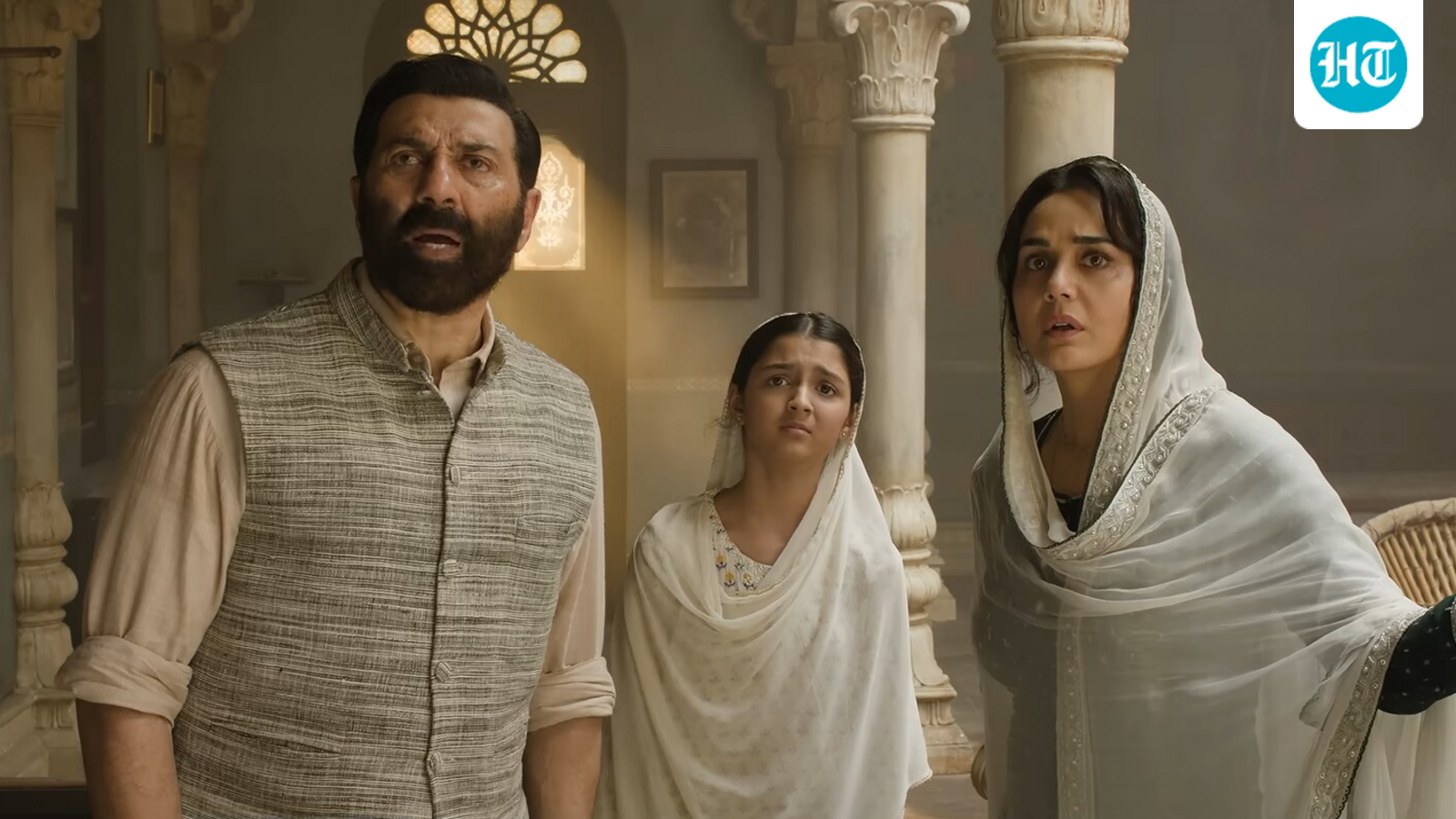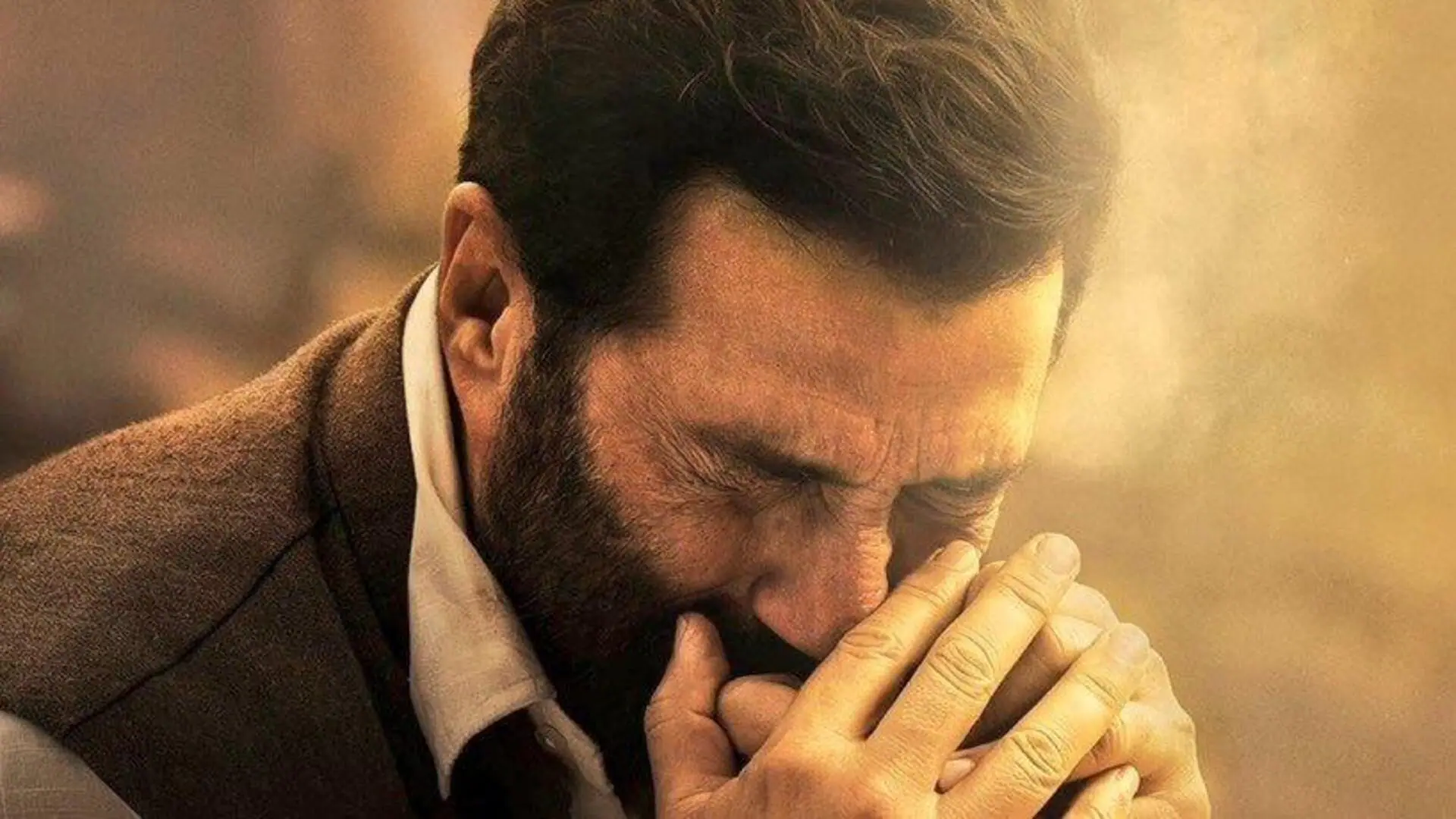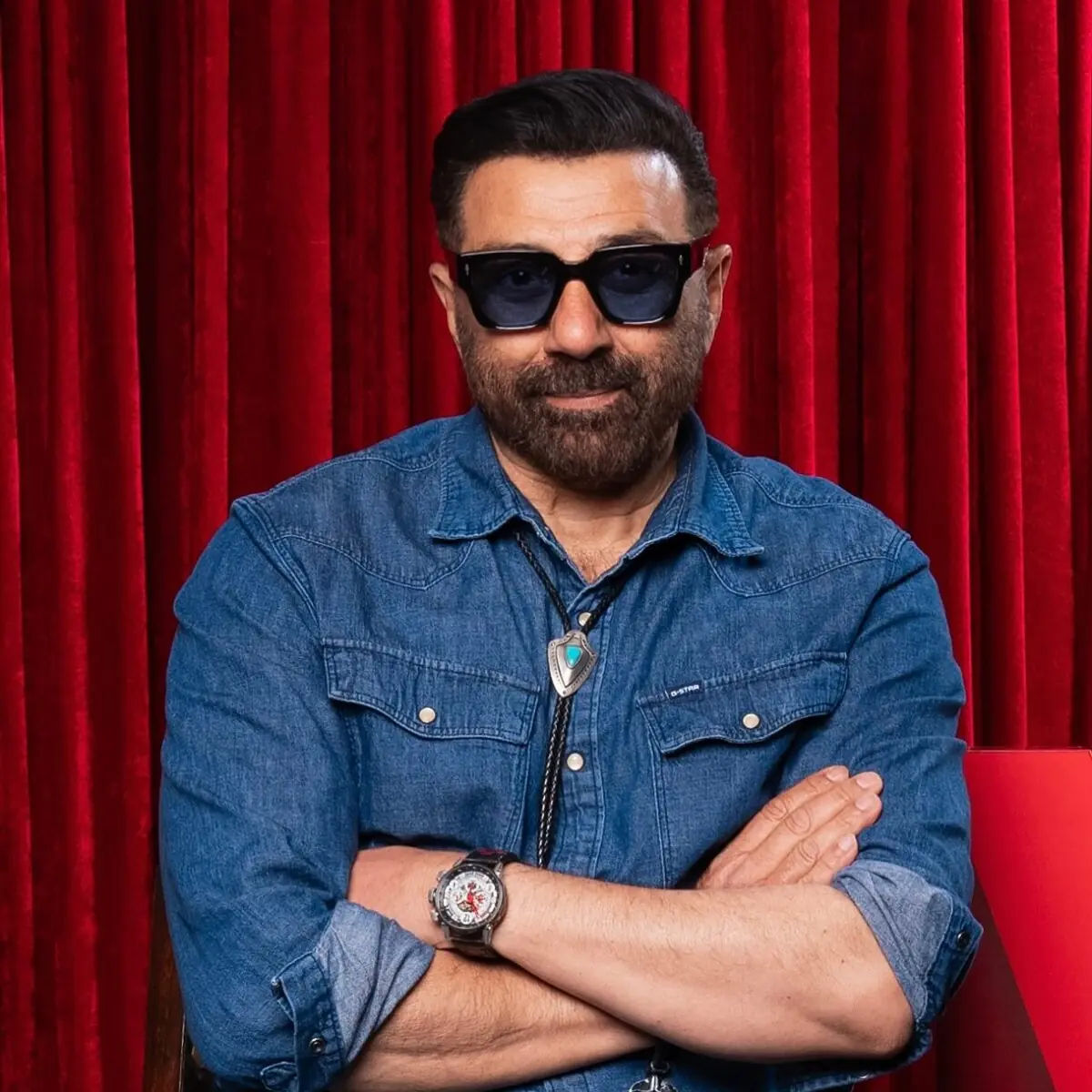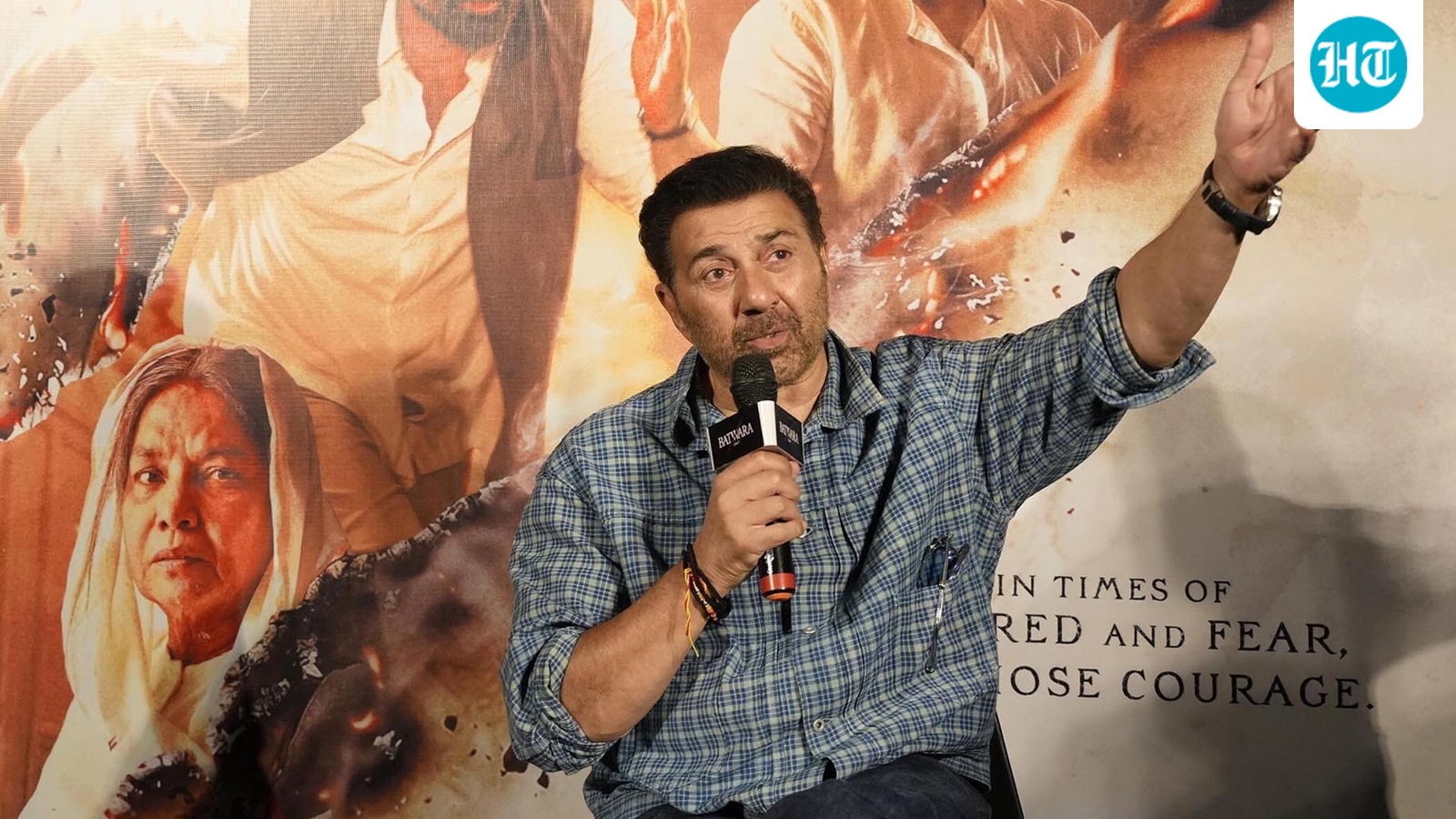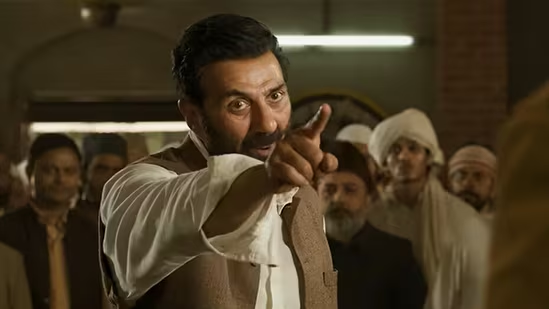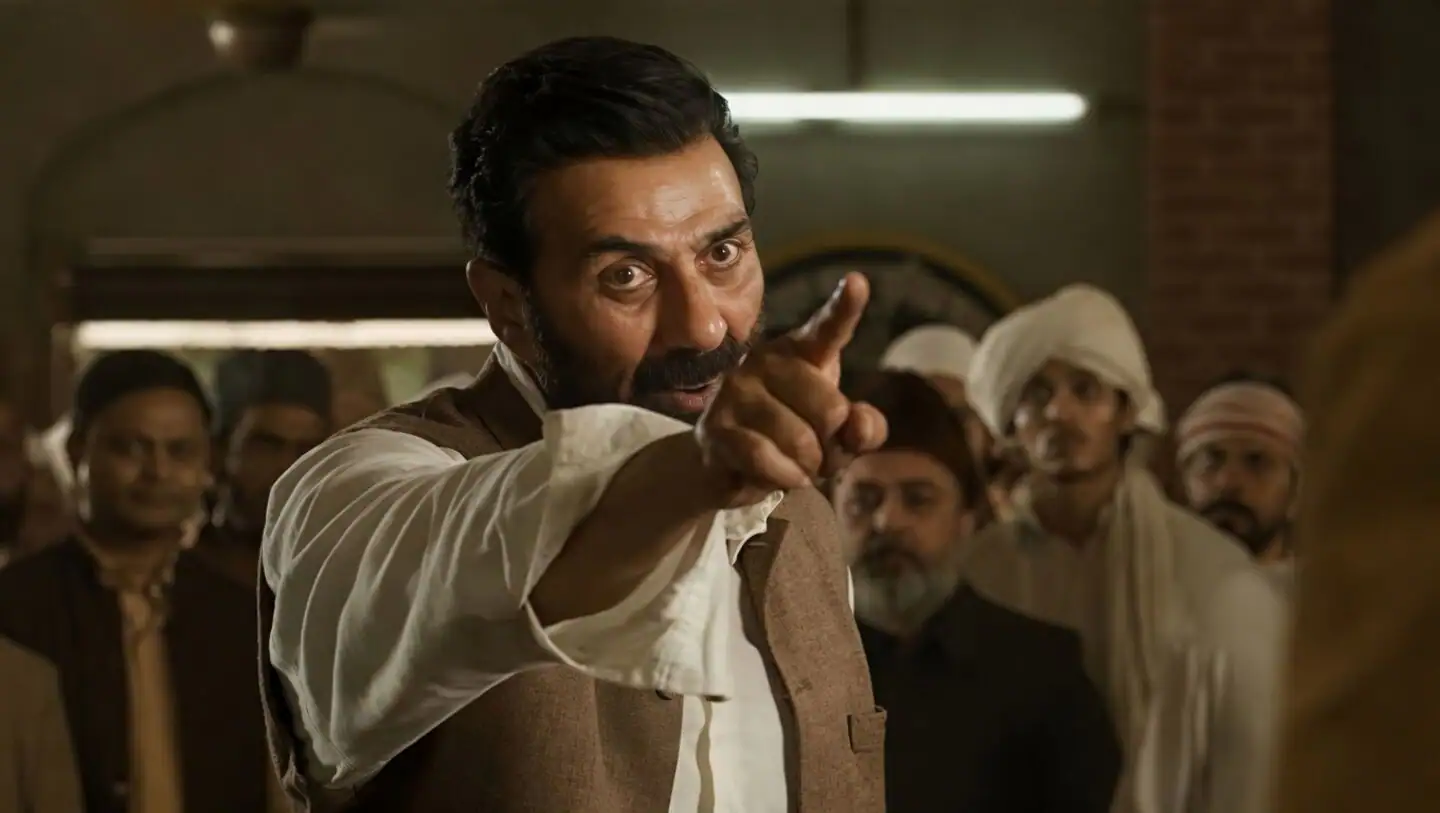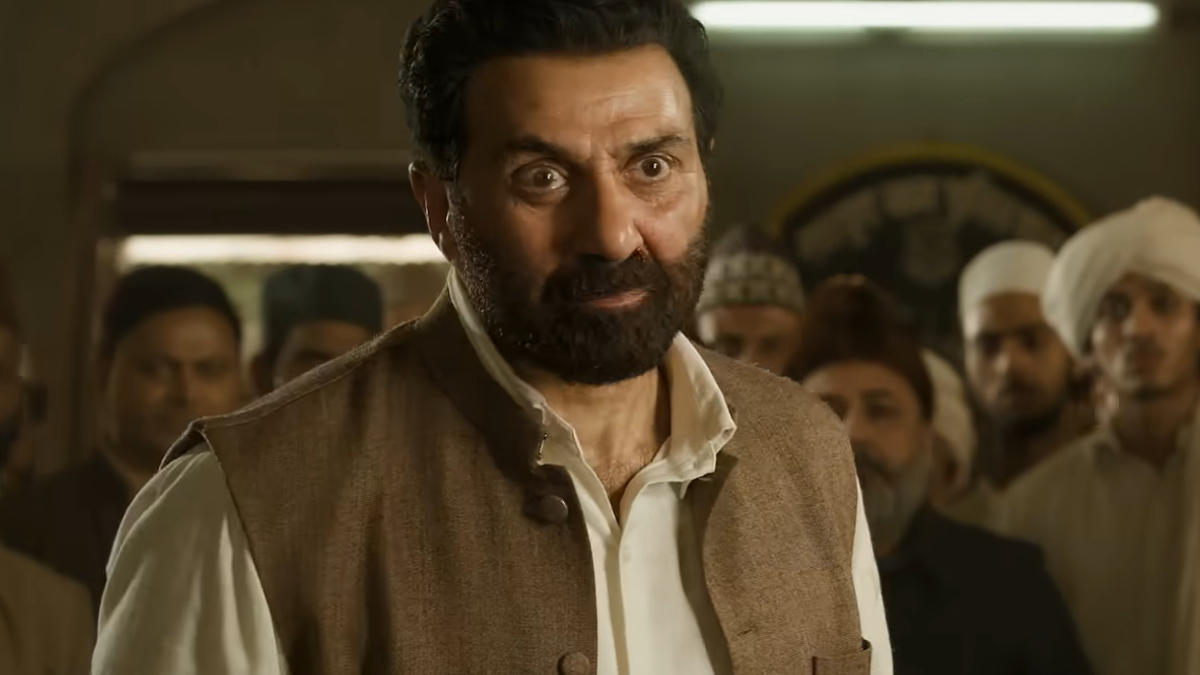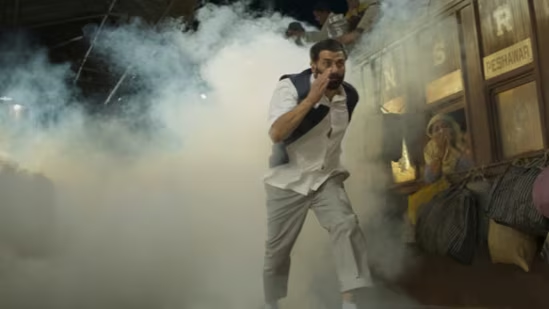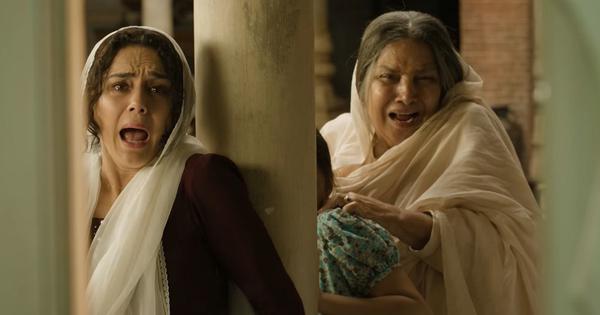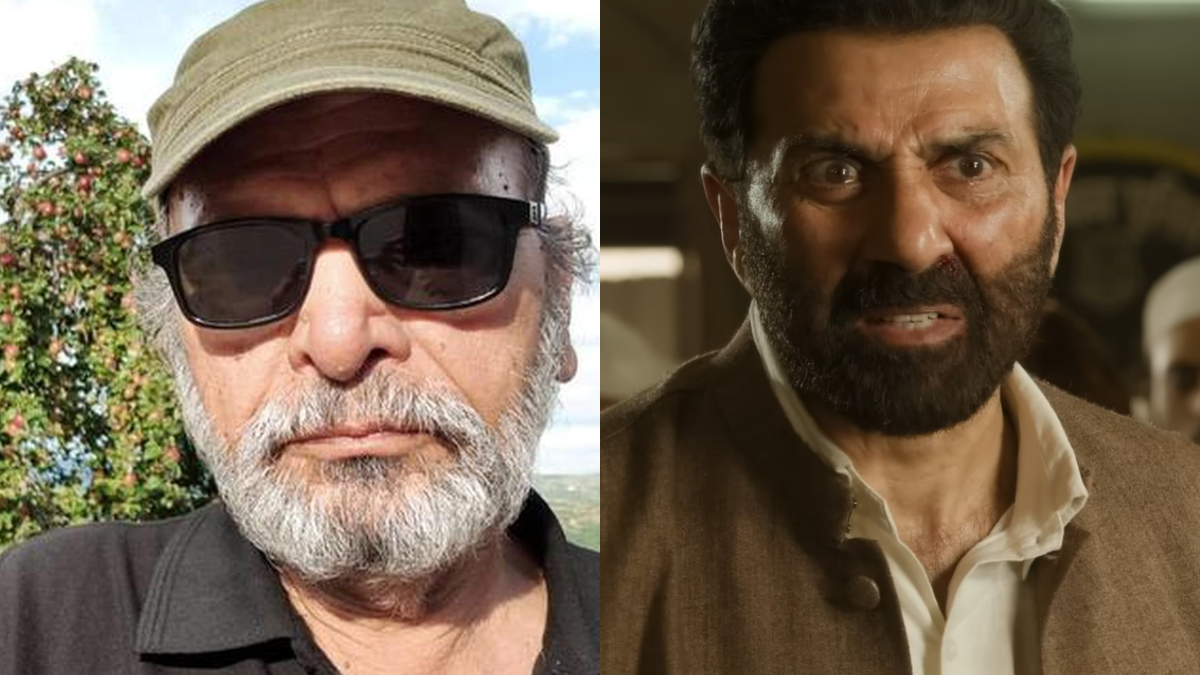
The story of an unexpected home, an unyielding mother, and a bond that defies a line drawn in blood, Syed Asghar Wajahat’s Jis Lahore Nai Vekhya, O Jamyai Nai remains a timeless exploration of compassion, identity, and what truly makes us human. This Independence Day, the celebrated Hindi play will get a cinematic life as filmmaker Rajkumar Santoshi brings the characters that have become familiar names on stage across the world in Batwara 1947, his adaptation of Wajahat’s most popular work.As we discovered with the quiet success of Main Vaapas Aaunga, the unresolved trauma of Partition remains one of the most potent and enduring themes of our art. We could hear an echo of Wajahat’s voice in Imtiaz Ali’s film. Wajahat, whose mellow exterior hides a deeply sensitive soul and whose tentative half-smile holds a quiet reservoir of human insight, says Partition as an idea has not been discussed enough in Indian society.“There has not been a discourse between hard Hindutva and soft Hindutva. There has been no discussion in the public domain where Hindus and Muslims shared their grievances. Only politicians across parties have exploited the sentiments. That is why it remains unresolved, and that’s why wounds remain fresh. Not many people read literature. The confidence-building must emanate from within the communities,” says the Hindi scholar who retired as the head of the Hindi Department of Jamia Millia Islamia.Written in the 1980s, Jis Lahore… was first staged by Habib Tanvir and then took the theatre world by storm. Even today, hardly any month passes when the Mirzas, the Maulvi and Mai don’t make their voices heard in some part of the world. Wajahat remembers that since the first production in 1989, many filmmakers were keen on securing its rights. “Eventually, Govind Nihalani took the rights. But for the next seven-eight years he could not make it.” Then one day, noted playwright and screenwriter Ranjit Kapoor told him that Rajkumar Santoshi was eager to make a film on the play. “As Govindji was his guru, Santoshi was sure that he would pass on the rights, but Govindji refused. Ultimately, I had to step in to request him. He agreed, but a new issue emerged.”
Inside ‘Batwara 1947’: How Asghar Wajahat’s quiet resistance seeps through Sunny Deol’s film
As his play ‘Jis Lahore Nai Vekhya, O Jamyai Nai’ finds a new stage with Rajkumar Santoshi’s film ‘Batwara 1947’, the eminent playwright and novelist discusses how the enduring spirit of humanism can triumph over political divisions.
1,106 words~5 min read