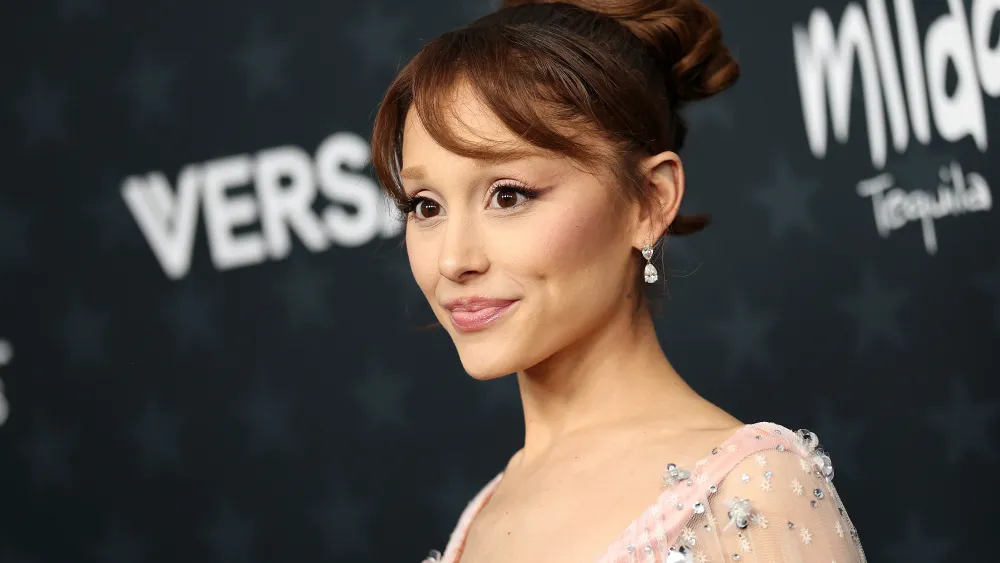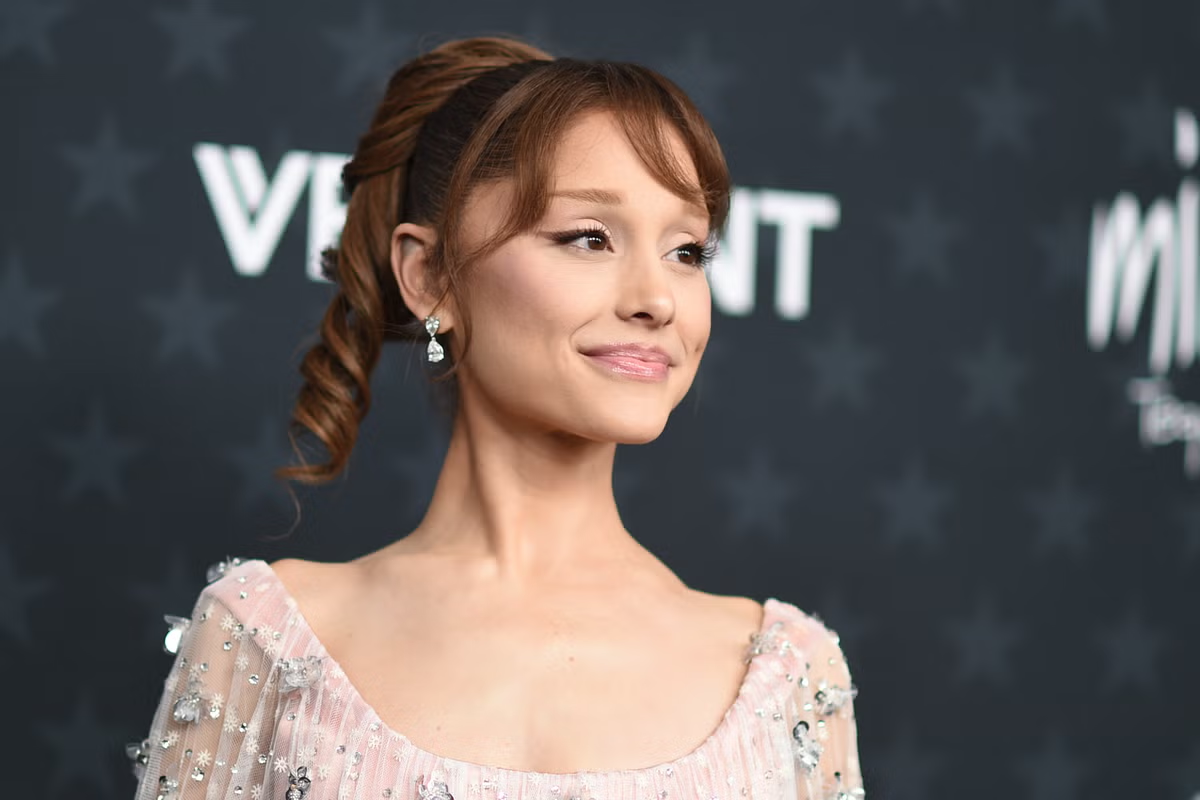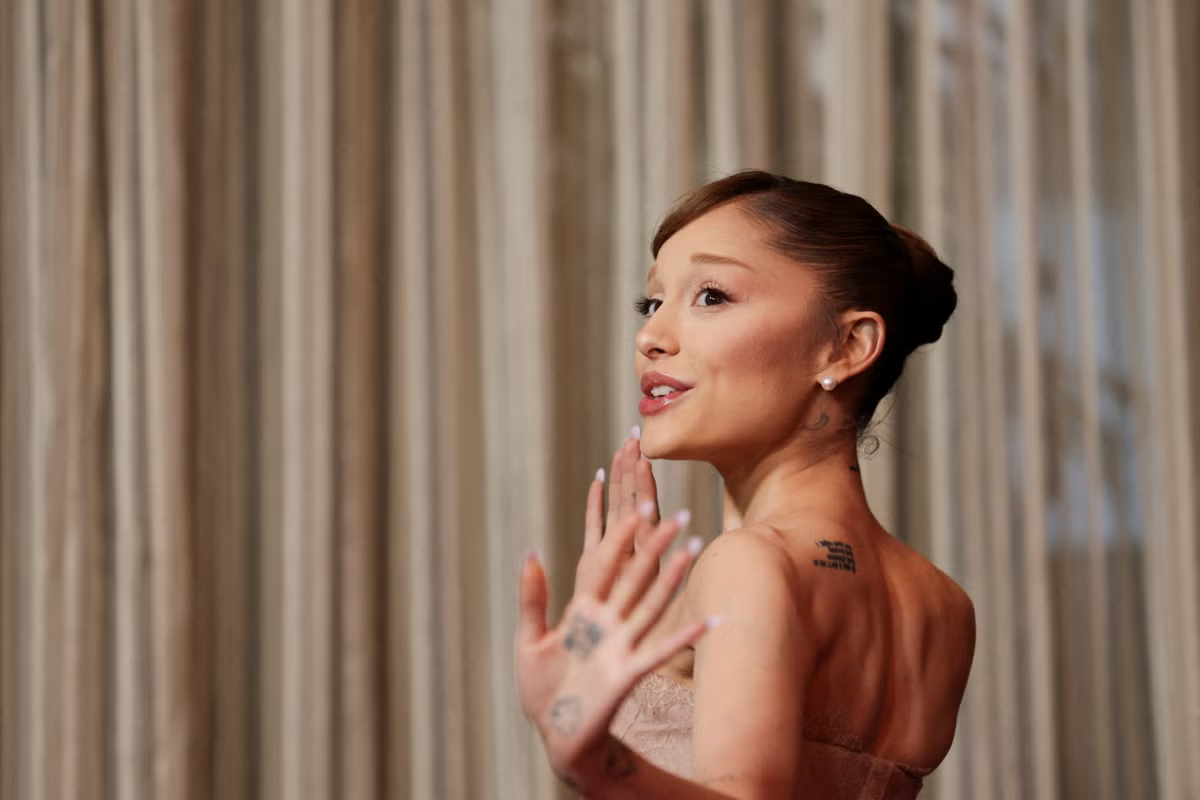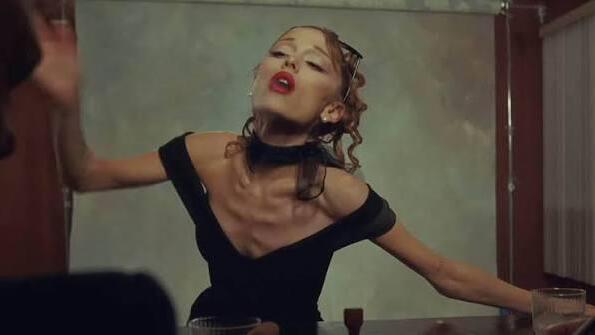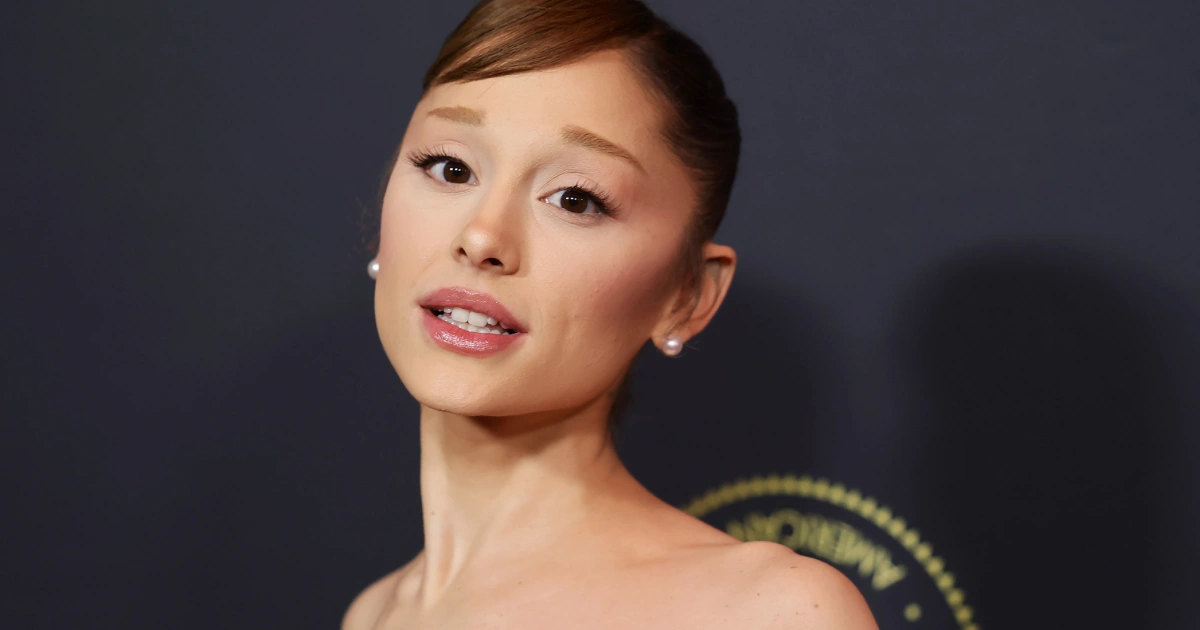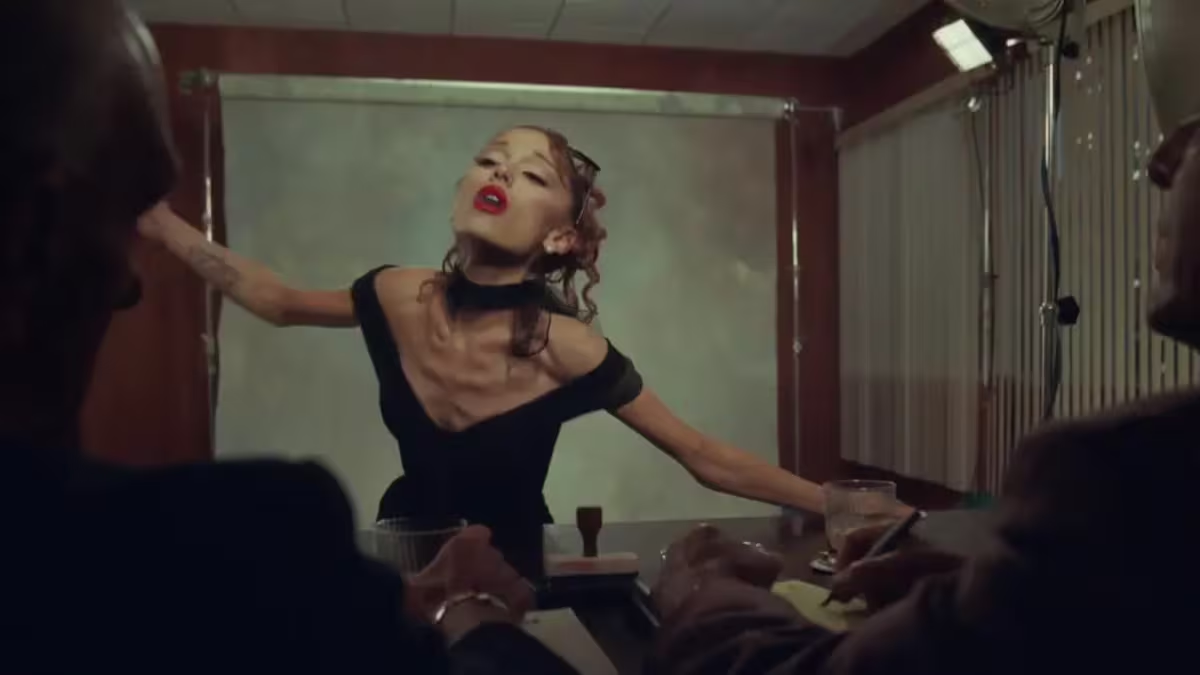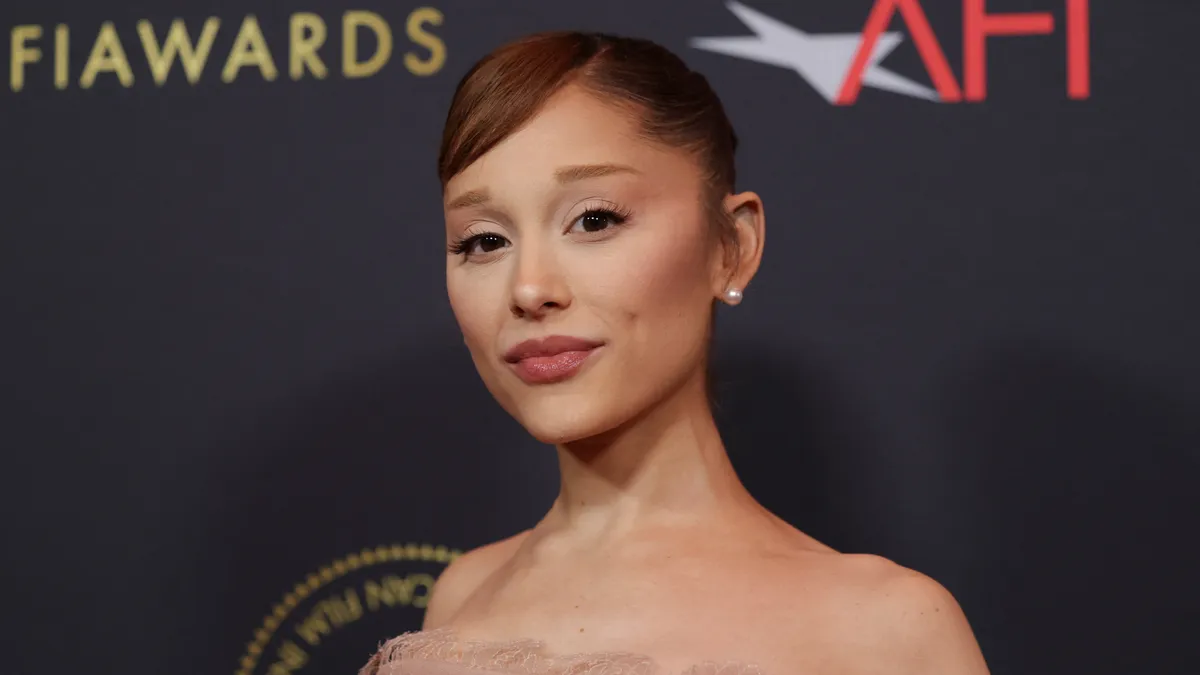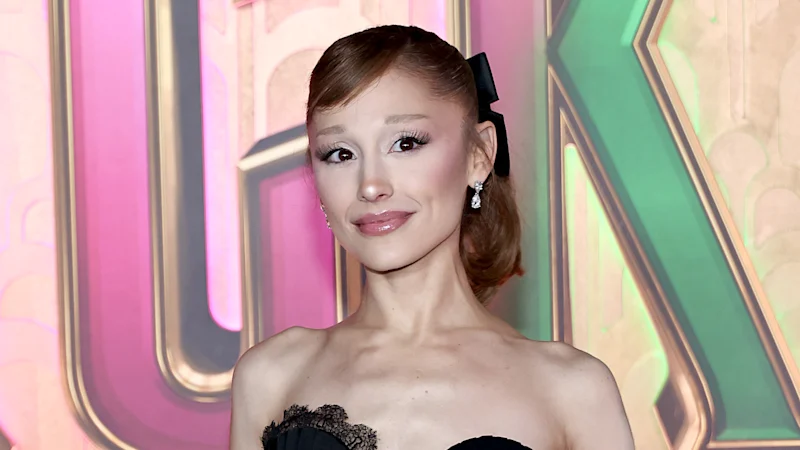
Let’s say it in unison: this isn’t helping. By “this,” we mean commentary, though I prefer “criticism,” an enterprise that, in its contemporary incarnation, is given to analyzing public figures as one would a work of art. For anyone asking whether this kind of analysis—unequal parts interpretation, speculation, and evaluation—will save a worrying figure, the query imparts its own futility. Criticism parses well but advocates poorly; it is diagnostic but seldom curative. Critics, lay and professional alike, apprehend and describe what’s happening on the page, stage, screen, and beyond, and what artists and other unreachable beings make of that, if anything, is their divine prerogative. Such is the ecstasy, the agony, of judgment, which was never for their benefit.Custom dictates that I name names, ferrying us from the generic to specifics, thus embarking upon the dubious practice of personifying a star. Ariana Grande, the pop star and actor, is also a person, of flesh and blood, but unknowable beyond that bare fact from the vantage of a stranger, no matter the ubiquity of her image. Yet modern celebrity hinges upon believable proximity. That paradox reaches its apex in pop music, which trades in the felt commonality of feminine experience and whose performers are their own—and owned—art product.And so, while audiences have been alert to the appearance of a thinner Grande since before her Oscar-nominated turn as Glinda in the 2024 film “Wicked,” it makes sense that such noticing intensified upon Grande’s unexpected return as a pop artist this summer. The eleven-stop, forty-one-show Eternal Sunshine Tour, supporting the studio album of that name, her seventh, coincides with the rollout of her eighth album, “Petal,” which was released last Friday when Grande performed in Montreal. Full of shadow and synth, both “Eternal Sunshine” and “Petal” are existential, moody affairs, preoccupied, as Grande is elsewhere in her œuvre, with the pained process of regeneration. Commentary, however, has dwelled on a darkness of another sort, that of a thin artist gotten thinner.Her figure seems a sign too indicative to ignore. People have speculated that Grande has an eating disorder, picking out tell-tale evidence in fan-made tour clips and album visuals, such as the music video for the title track of “Petal,” also released last week. The video, shot on VistaVision and billed as a short film, bridges the artist’s disciplines. The genre is horror. Grande plays a wannabe ingénue from the nineteen-forties who murders a panel of casting-couch types after trying and failing to perform a version of herself they might want; as it turns out, this is also cinema, scenes from a movie set. Grande has been play-acting play acting: the blood is fake; the ingénue is a star. Like its video, the song is a misdirect, its melancholic tone undercut by the swagger of its vocalist.Tell me, who’s to blame?Is it the people or myself?. . .This is not a cry for help. . .But I am not a victim, bitchI’m practically drowning in my blessingsIf those proclamations are autobiographical, a vanishing few believe it. The “Petal” video has been received as a smoking gun, shot to accentuate her extreme thinness. Its screenshots have circulated with ferocity this past week as proof that Grande is in danger, and imperiling others with her. Some have expressed feeling triggered, in a clinical sense, by these images, as well as dismayed that the outcry has made them omnipresent.Earlier this week, as if in response to the disquiet, a representative for Grande told People magazine that she would be “taking a step back from visibility” after the tour, one aspect of the “public-facing work and appearances” that have “led to endless, ongoing public scrutiny.” At her next stop, in Chicago, Grande corrected the presumption about timing, telling the crowd that plans for her withdrawal had been “quietly made, a long time ago.” The “negativity” wasn’t “ruining things,” she explained with calm, as though chiding her own management team, whose statement was almost pissy in comparison, with its emphasis on how “healthily” Grande has been performing. On Wednesday night, I went to see for myself and watched Grande execute a spectacular show without incident. She belted and sashayed with a pro’s apparent ease. It was, as promised, a “physical” and “beautiful” performance. None of which is dispositive, but, then again, what could be?Well-meaning observers want to split the difference between the sayable and unsayable. Would that they could remark upon what appears troubling about Grande without presuming too much about another body. And many—in comments sections and gossip forums and group chats and Substack blogs, conversations with their waxer and at happy hour—are trying. But articulating what’s happening has been an issue. What people are seeing cannot be described without flouting good sense regarding the disease alleged. Eating disorders, as those in recovery have stressed, thrive on the pathological evidence of their symptoms, spinning negative attention—concern, disgust—into fatal affirmations.But even those in recovery make for imperfect spokespeople. “Concern” is an emotional bricolage, and often clumsily expressed. Witnesses fear the worst, and there is no elegant way of saying it—the worst is death. There is dread and sadness and also anger, not only on behalf of the usual alibi for caring about famous women’s bodies, those masses of impressionable teen-age girls, but on behalf of past and present selves. Not this again, survivors of heroin chic and low-rise denim beg. Though we have, I hope, stopped kidding ourselves with the notion that thinness ever left the cultural mandate—a mandate, lest we forget, that is pernicious past the feelings it hurts, because it is parcelled within a regime of patriarchal control wreaking hell on women’s survival. Earlier this week, the acting Attorney General, Todd Blanche, declared that the Justice Department has been working with federal agencies on potential nationwide restrictions on abortion medication. Frustration, suffuse, blunts the language.Ugly as some of the public comment on Grande has been, I find the indelicacy something of a relief from the usual reproach against commenting on the figures of public figures, what has sufficed for a moral consensus dating back to the rhetorical heyday of body positivity, not that anyone earnestly followed suit. The facile pledge to leave bodies out of it was born out of guilt, an attempt at atonement for celebrities turned tabloid fodder in the blogging era and for Chadwick Boseman, whose gradually slighter form resulted from battling cancer kept from a public who felt ashamed for noticing it after he passed. Grande returned a version of the refrain when people began noticing her changing form in 2023, cautioning that “we should be gentler and less comfortable commenting on people’s bodies.”This message might also mean well. There’s no underestimating the volume and intensity of rubbernecking on the internet, and talk about women in public remains unspeakably cruel, causing us to look askance at critique couched as compassion. But I have also noticed an odd hostility toward attempts at parsing the images of figures paraded as paragons, as though there were something untoward in making sense of how they appear, be it in an ad for denim or in a baby-doll dress. Bad discourse, preoccupied with punitive diagnoses of every kind, has rendered some a bit gun shy, I think; the attention paid to a pointed finger has eroded trust in critics of mass culture. But a sound critic interprets celebrities as exemplary, not singular. Her observation isn’t personal because it can’t be. That access is denied. Whatever symptoms can be seen are societal and so, too, are the diagnoses.Would I know the difference between a dying woman and a healthy one if she appeared before my eyes in a puff of smoke? How about in six-inch platforms? What if she sang in a voice large enough to flood an arena? What if she never flagged once? What if she sang about obliteration and mimicked collapse? What if she laughed? When looking for symptoms, anything can become suspect; and when comfort is sought, anything can look alright. What I saw of Grande that night was no less than the transcendence that pop acolytes come to see, which felt tenuous for reasons beyond any one body. How fragile this all is, I thought, such white-knuckled investments, emotional and financial, that brought us here. How fragile. ♦
Ariana Grande and the Disappointment of Diagnosis
Ariana Grande’s appearance has prompted fans to speculate that she’s suffering from an eating disorder. How should we talk about famous women’s bodies?
1,375 words~6 min read