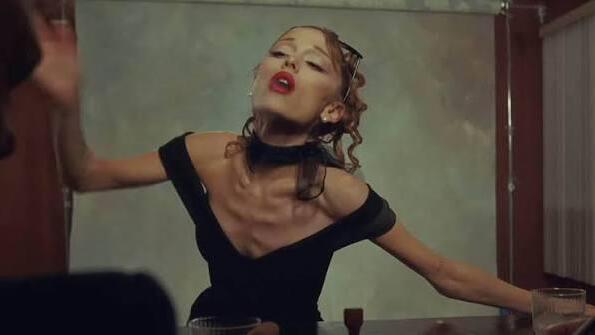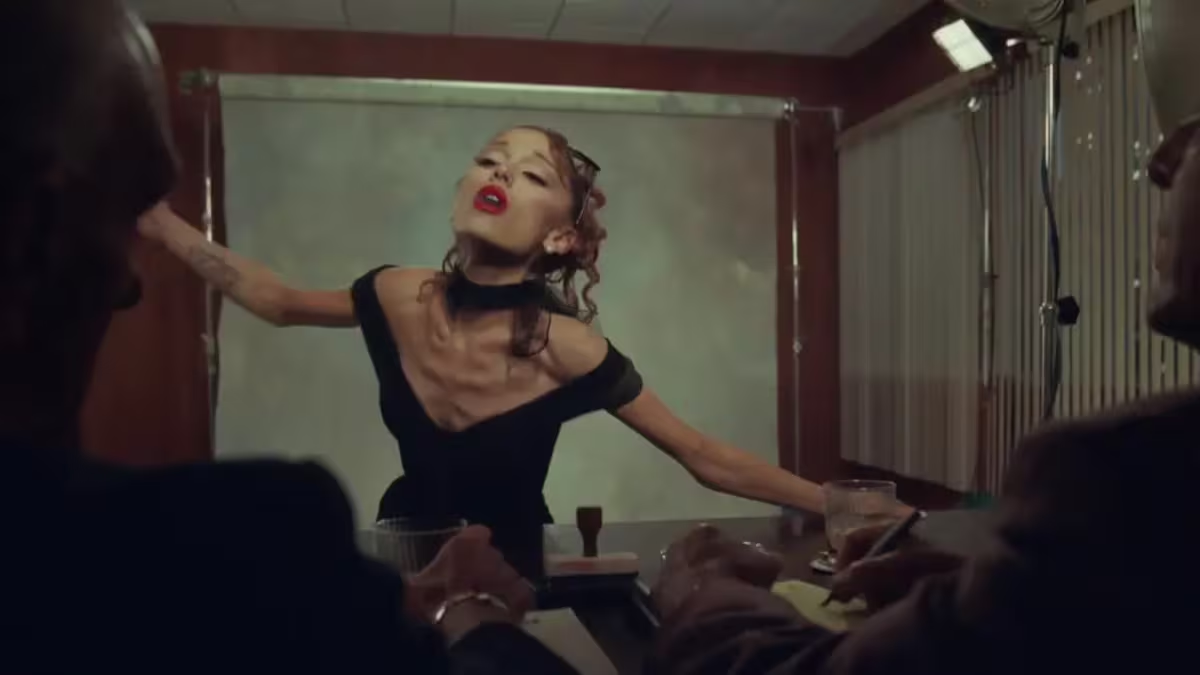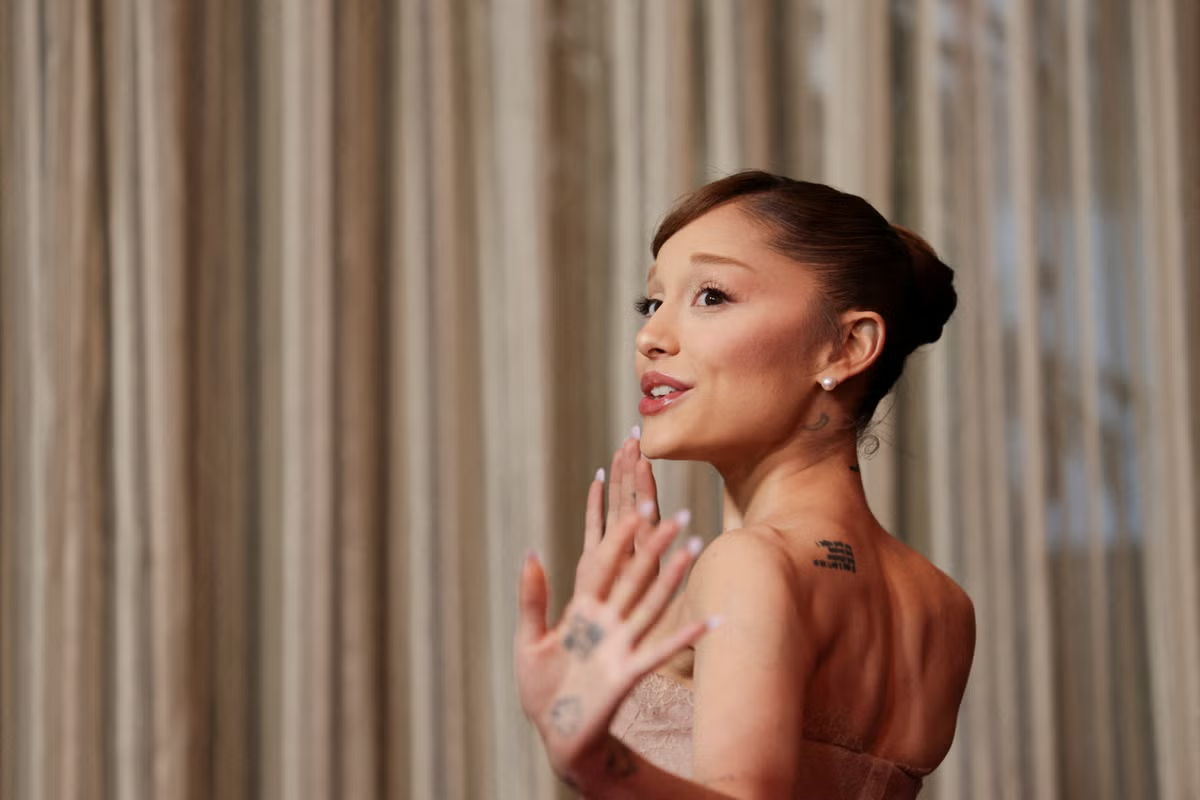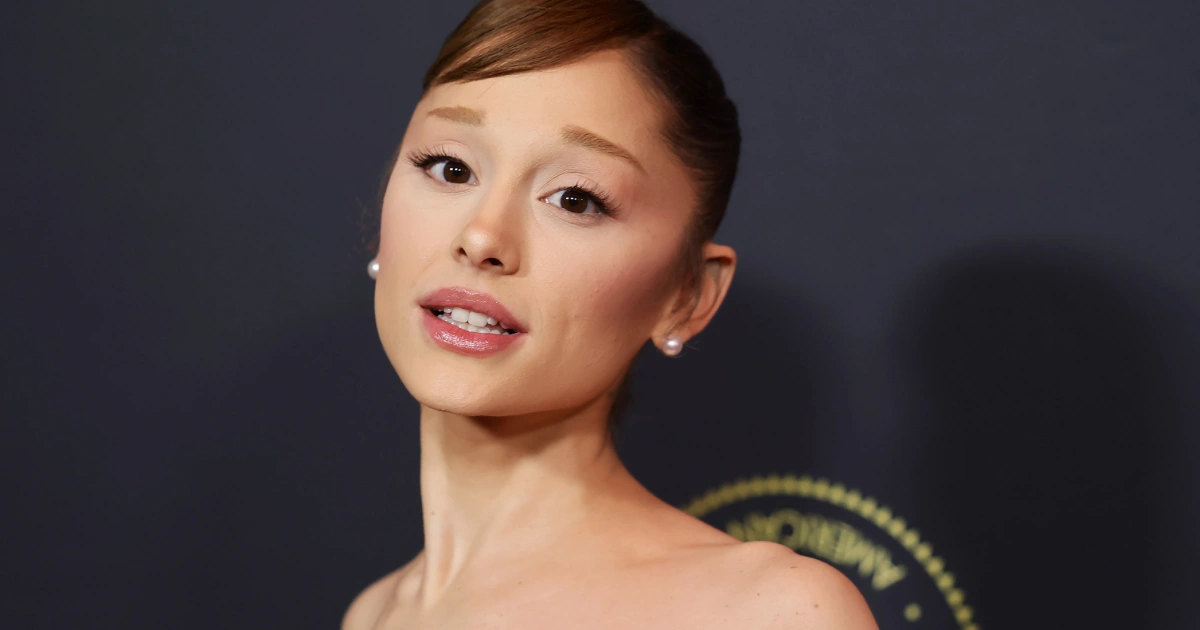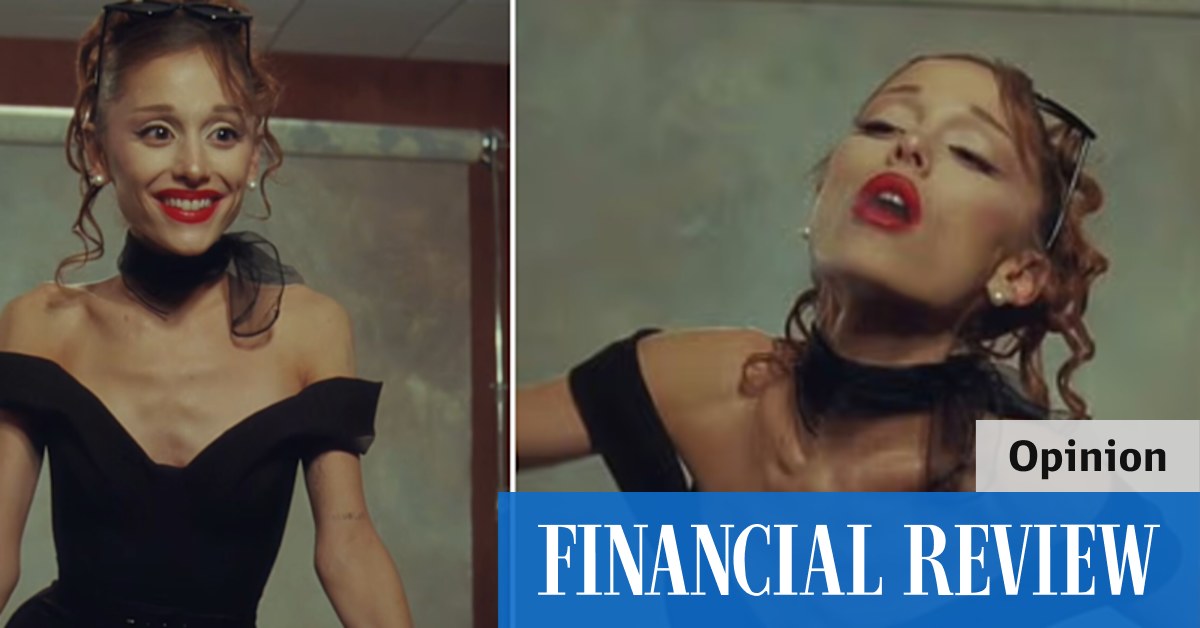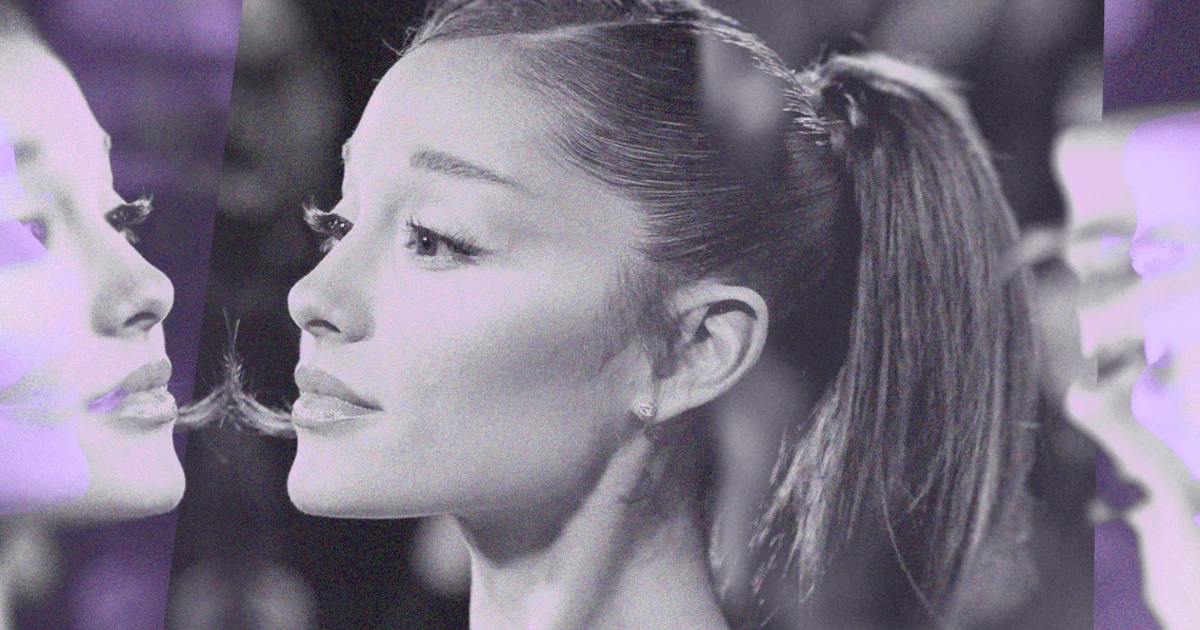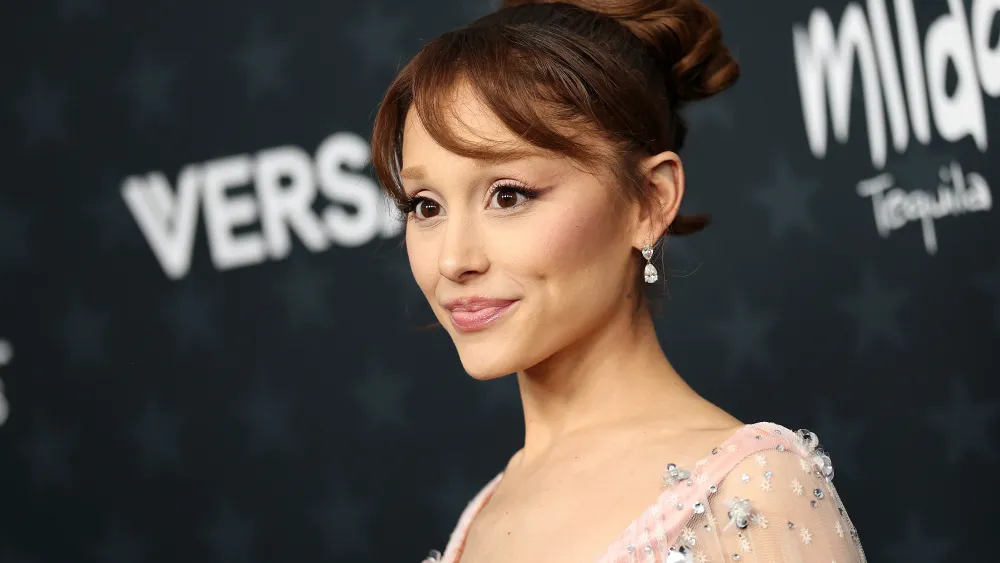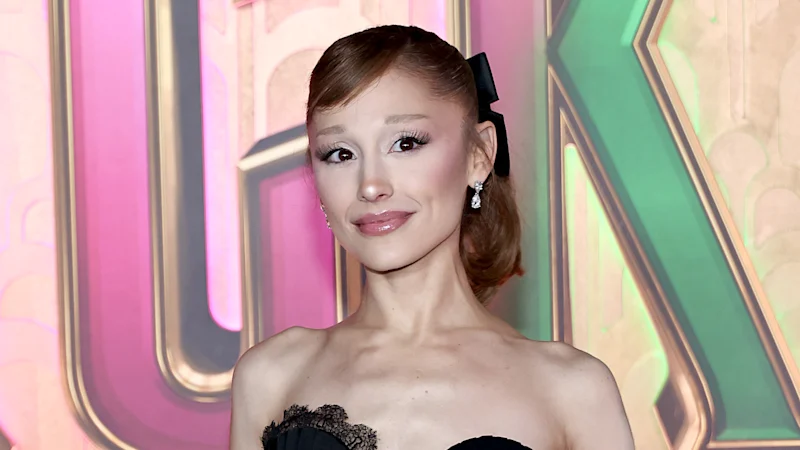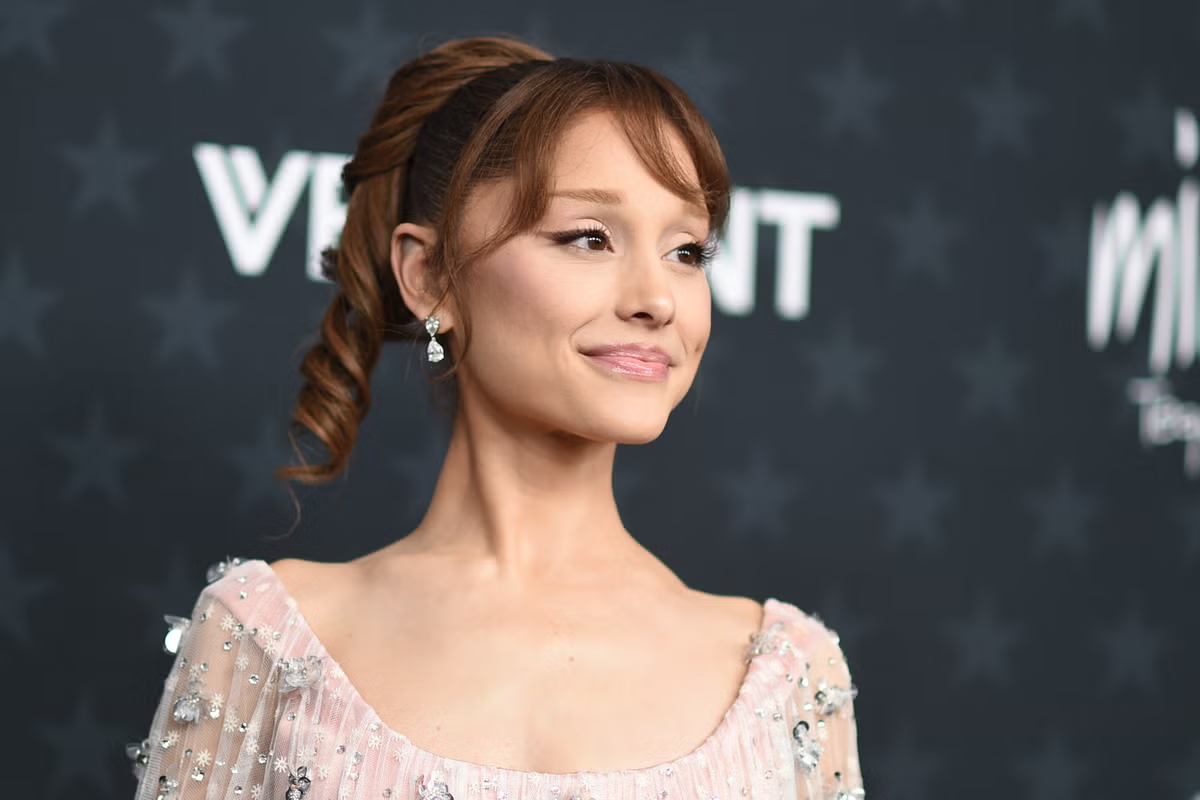
The last time I opened X, a photo of Ariana Grande leaning over in a low-cut black dress, clavicle showing, was at the top of the feed. The post read: “hey @grok make Ariana Grande healthy and fat”.Images of celebrities at their most skeletal regularly rise to the top of social feeds because they generate enormous, dissenting engagement. Social media platforms have made half-hearted efforts to suppress explicit pro-eating disorder content; Instagram and TikTok redirect searches for “thinspo” toward support resources. Yet over the past couple weeks, Grande has sent users into a frenzy that outstrips the platforms’ attempts.The screenshot the user posted was taken from Grande’s music video for Petal, the title track from her latest album. Grande and her team have not said that she lives with any kind of eating disorder. Nevertheless, promotion for Petal has been thoroughly overshadowed by discussion of the singer’s ultra-thin body.Other replies to the screenshot ranged from vicious attacks on Grande and other users’ bodies, to earnest, almost desperate pleas for empathy. Having lived with an eating disorder as a teenager, I recognize in these reactions a familiar pattern. People often respond to the visibly suffering body with a visceral pity intertwined with a kind of disgust. Whether that response actually protects anyone, or instead solidifies the very dynamics it seeks to resist, is a question worth returning to.Those of us who have lived through eating disorders and are witnessing this news cycle feel compelled to offer our own interpretations – to explain what this moment means, and to argue for the “right” way to speak about it. But precisely because disordered eating is so idiosyncratic and so forceful, there may be no single correct language for confronting it. The only honest response may be to acknowledge its contradictions.In the case of Grande, all of the prayers, best wishes and outcries so far haven’t provoked the public response so many have hoped for. Instead, it appears to have pushed her in the opposite direction. Over the weekend, just days after the release of Petal, a representative told People magazine that Grande would be “taking a step back from visibility” after her current tour, cancelling future promotional plans and withdrawing from an upcoming West End revival of Sunday in the Park With George. At a recent concert, Grande explained to fans that stepping back from the spotlight was something she had planned “a long time ago” and that it came from a “thoughtful and empowered place”.If this were a case of disordered eating, a retreat from public life might seem like a positive step towards recovery. But I know from experience that someone who is suffering can mistake isolation for self-preservation. The cruelty of an eating disorder is how easily it convinces you that it is the only thing standing between you and a world trying to take control away from you.Concerns over Grande’s body have hovered since the beginning of her teenage acting career. In 2013, the year she released her debut album, Yours Truly, she took to her old Tumblr account – which has itself been accused of “pro-ana” content, or content promoting disordered eating – to address “the rumors going around.” In a blogpost she wrote that reports of “this whole ‘eating disorder thing’” had been “a bit blown out of proportion”.“Yes, I lost a bit of weight last year,” she continued. “It’s because I stopped eating junk food and started making healthy choices. I was happy with the way I was before and I’m still happy now! Just healthier!”More than a decade later, she made much the same point in a TikTok after people posted side-by-side photos of her during the Wicked press tour and the years when she acted on the Nickelodeon show Victorious. “The body you’ve been comparing my current body to was the unhealthiest version of my body,” she said in April 2023. “I was on a lot of antidepressants and drinking on them.”Her response reminded me of something the singer Fiona Apple said in 2013, after years of speculation about her weight. While performing on stage, Apple exploded at a heckler who shouted: “get healthy”. “I’m healthy and I shouldn’t even have to say any of that,” Apple told Pitchfork the next day. “What makes me unhealthy and puts me in danger is that kind of scrutiny itself.”Avoiding scrutiny can become part of an eating disorder itself. I know this because I suffered for many years with bulimia, and I now realize my years spent hiding in the bathroom after every meal was an attempt to withdraw from any kind of outside opinion. When friends hugged me and recoiled at the touch of my bones, that only influenced me to raise the wall between myself and the rest of the world. It was an untenable and, frankly, devastating attempt to cope with the terror of puberty, trying all I could to stay both in control and independent of my body and its radical changes.On several levels, disordered eating is built on irreconcilable tensions. It requires relentless self-control while submitting to an all-consuming fixation. In seeking to disappear, the thin body only becomes a spectacle of morbid curiosity. What usually begins as an effort to master the self soon becomes an act of self-destruction. The confused discourse surrounding Grande’s weight mirrors the paradox. Every word feels stuck in place, because we don’t yet have a cultural script capable of holding all these ambiguities.It is obvious and true that the bodies of female celebrities are uniquely surveilled. It’s why Billie Eilish resisted that surveillance by wearing oversized clothing and criticizing the public’s sense of entitlement to judge her body – a tactic Grande employed, too, in 2018, a year after the devastating Manchester Arena bombing.For much of the 2010s, the body positivity movement supplied a simple injunction against prying eyes: don’t comment on women’s bodies. It corrected for the smarmy and misogynistic tabloid treatment of celebrities in the aughts, discouraging public discussion of other people’s bodies as intrusive, harmful and unnecessary.But it might have been an overcorrection. Grande’s appearance presents a case where that consensus no longer feels entirely adequate, or ethically tenable. But it’s complicated. Two feminist arguments are at odds. The first is that women should not have to submit their bodies to public interpretation or explanation. The second is that eating disorders thrive in secrecy and denial. We do not want a culture that treats visible suffering – and conversations around them – as too taboo to acknowledge.After all, Grande has long featured in thinspo Pinterest boards. On private pro-ana message boards, users have found recognition in her public statements. “The whole ‘don’t worry about me’ and ‘the old me was sad and unhealthy’ sounds like people responding to an intervention lol,” one user wrote. On the pro-ana internet, Grande’s body is both hailed as aspirational and a huge trigger. In eating-disorder recovery Reddit communities, users describe her as the reason for their “relapse”, putting them back into the mindset of their illness. Beneath the now widely circulated photograph of Grande bending over, users in the underground X community known as EDTwt have openly compared themselves to her body and wondered how they might achieve a similar appearance.More broadly, her body has also become a proxy on to which wider cultural anxieties are projected. In a moment of GLP-1 drugs reinstating the aspiration of thinness, body positivity in retreat, bonesmashing still on the up, and Maga tradwives once again moralizing fatness, fears about the return of aughts-era anorexia have settled on to Grande herself. Whether or not those fears belong to her alone is almost beside the point. Her body has become the site through which the culture argues with itself.She is hardly the first celebrity on to whom those anxieties have been projected. From Karen Carpenter’s collapse from starvation at her parent’s home in 1983 to the many stars who have since publicly disclosed eating disorders – including Demi Lovato, Taylor Swift and Kesha – it is almost assumed that a significant portion of the female entertainment industry has, or has had, some form of eating disorder. The illness is simultaneously embedded within ordinary culture and yet treated as an aberration whenever it becomes visible.The desire to resolve those contradictions might even keep us at the distance the illness relies on, allowing us to imagine that a single correct response will absolve us of having to deal with it in the first place. Instead we could try broadening our concern towards the millions living with eating disorders by petitioning to improve a medical system that has so often failed them; insurers that routinely deny care if the patient’s BMI is anything other than extremely emaciated; and clinicians who still stigmatize the illness.Grande’s visibility isn’t moving down the feed. People are continuing to debate it, defend it, plead for us to find another way to talk about it. But ultimately, another person’s physical and mental reality is out of our control; no one person’s recovery can be crowdsourced. If only it were all as simple as Grok editing Grande into health.
Is it OK to talk about Ariana Grande’s body? There is no right answer
I wish I could say that expressing concern for the pop star’s health is helpful – but I know from experience it’s not that simple
1,517 words~7 min read