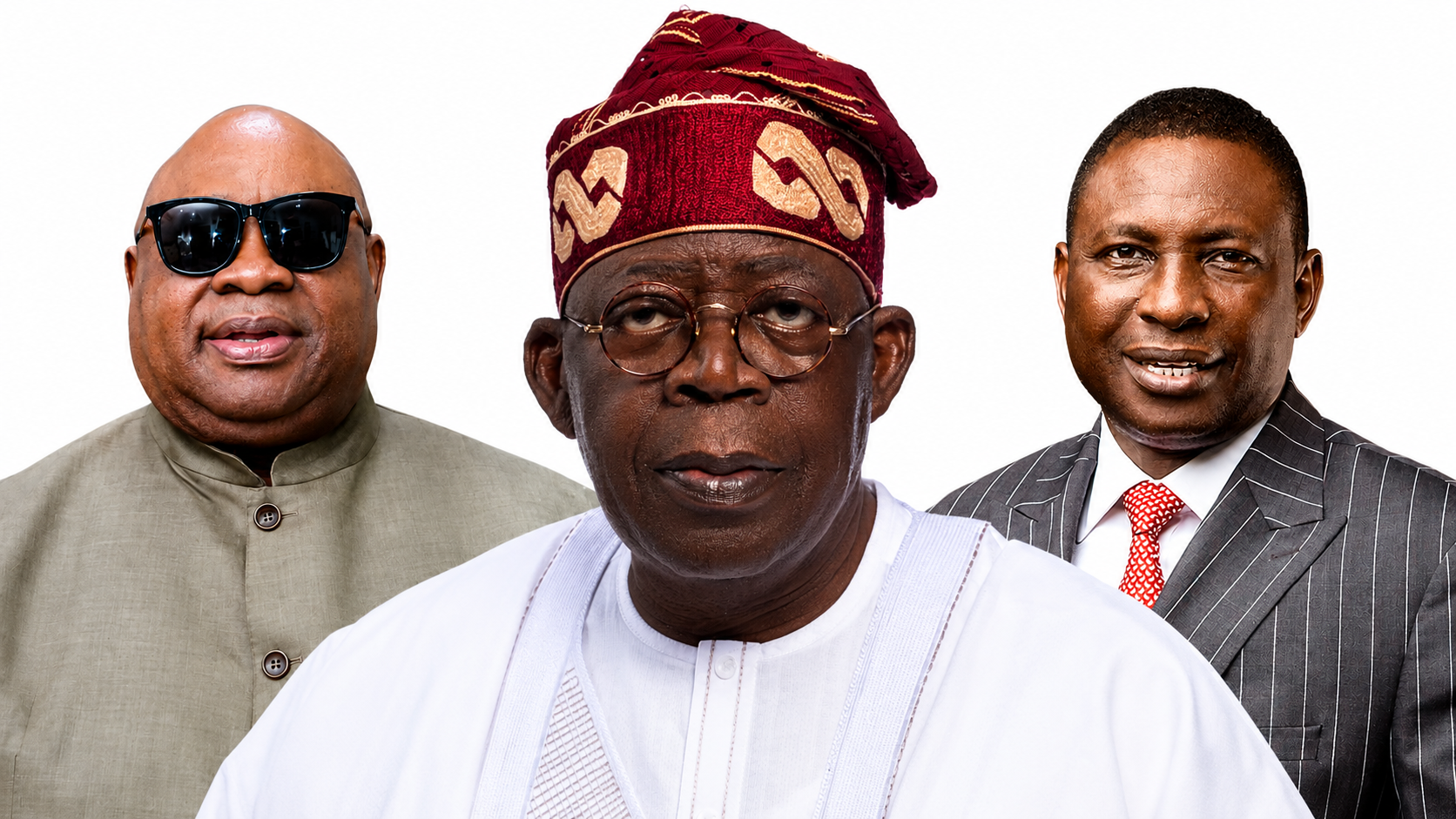
President Bola Ahmed Tinubu
It was a stunning public rebuke.
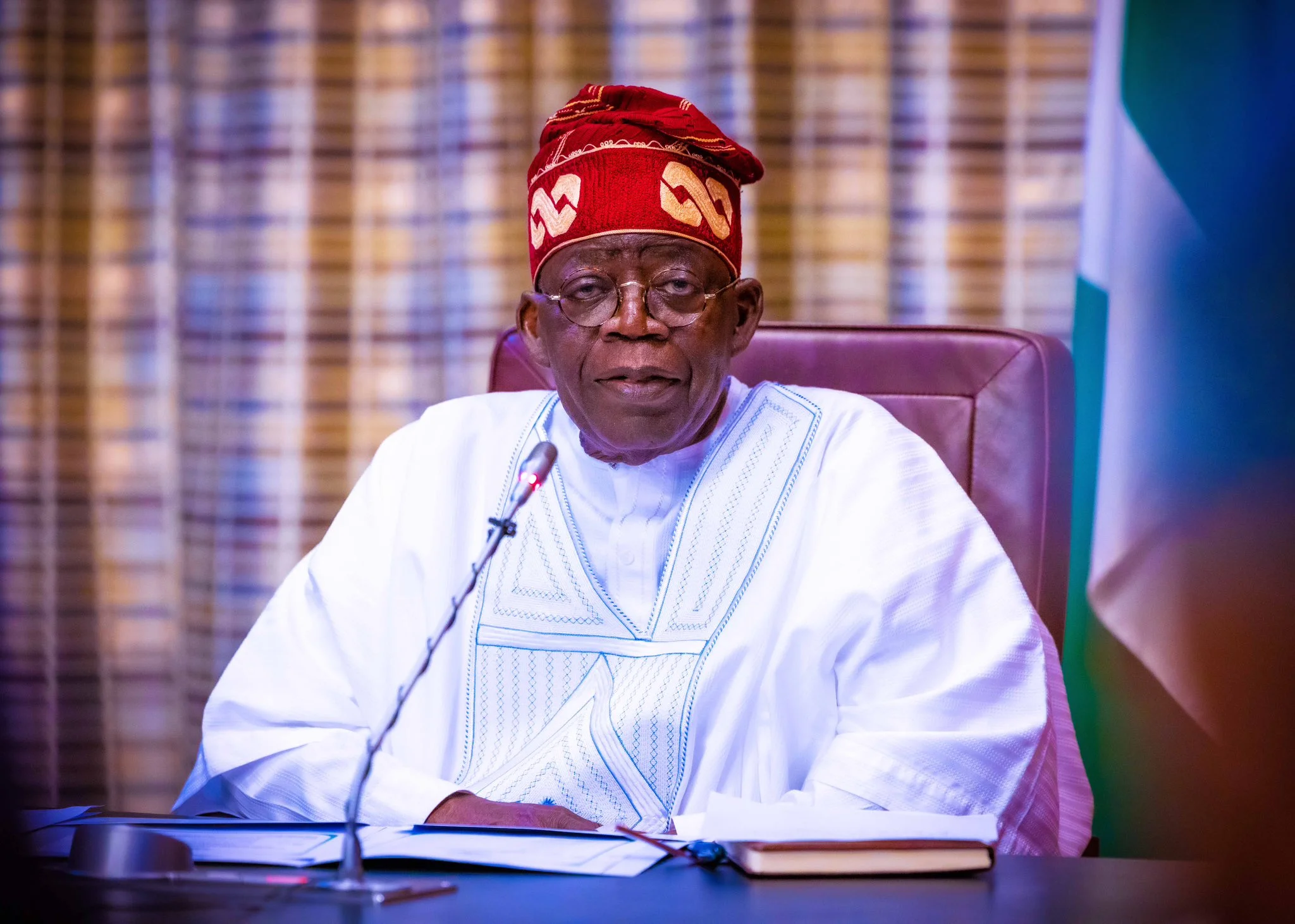
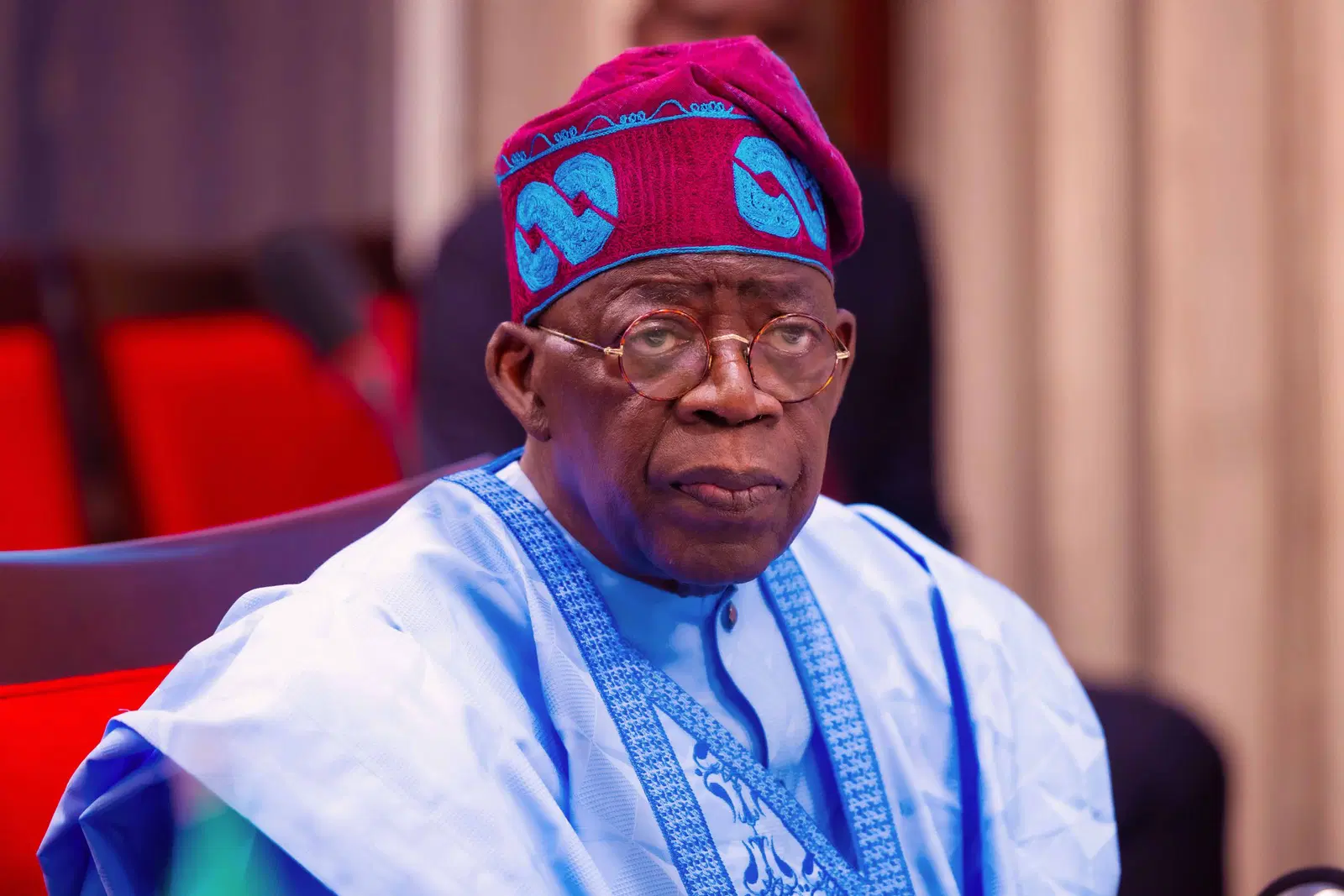
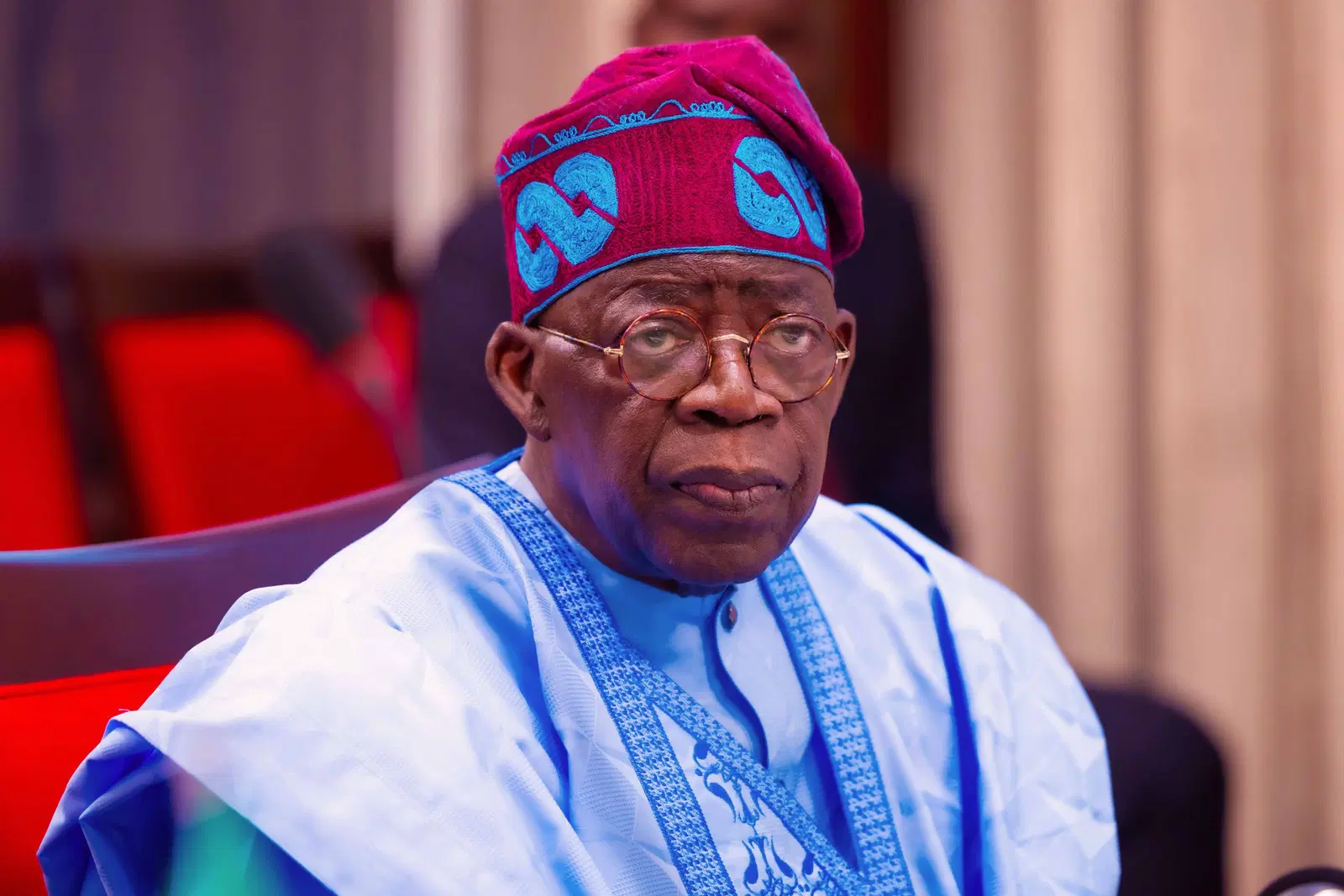
This week, the fragility of Nigeria’s democratic institutions came into sharp focus. The Economic and Financial Crimes Commission (EFCC) exercised its sweeping powers by freezing the Osun State Government’s accounts over alleged financial misconduct. There has been no judicial determination of wrongdoing. Within hours, however, President Bola Tinubu ordered the anti-corruption agency to reverse itself and unfreeze the accounts. His explanation was simple: he was “deeply embarrassed.”
The episode has reignited concerns about regulatory capture and what it means for Nigeria’s democracy. It is not a choice between the “white devil” and the “black devil.” Rather, it exposes a deeper problem: institutions that are either vulnerable to political influence or capable of exercising enormous powers without sufficient institutional safeguards.
The political context makes the incident impossible to ignore. Osun State Governor Ademola Adeleke is seeking re-election amid an intense contest with the ruling party, which is determined to reclaim a state it lost nearly four years ago. Against that backdrop, the EFCC’s decision to freeze the state’s accounts just days before the election inevitably attracted suspicion.