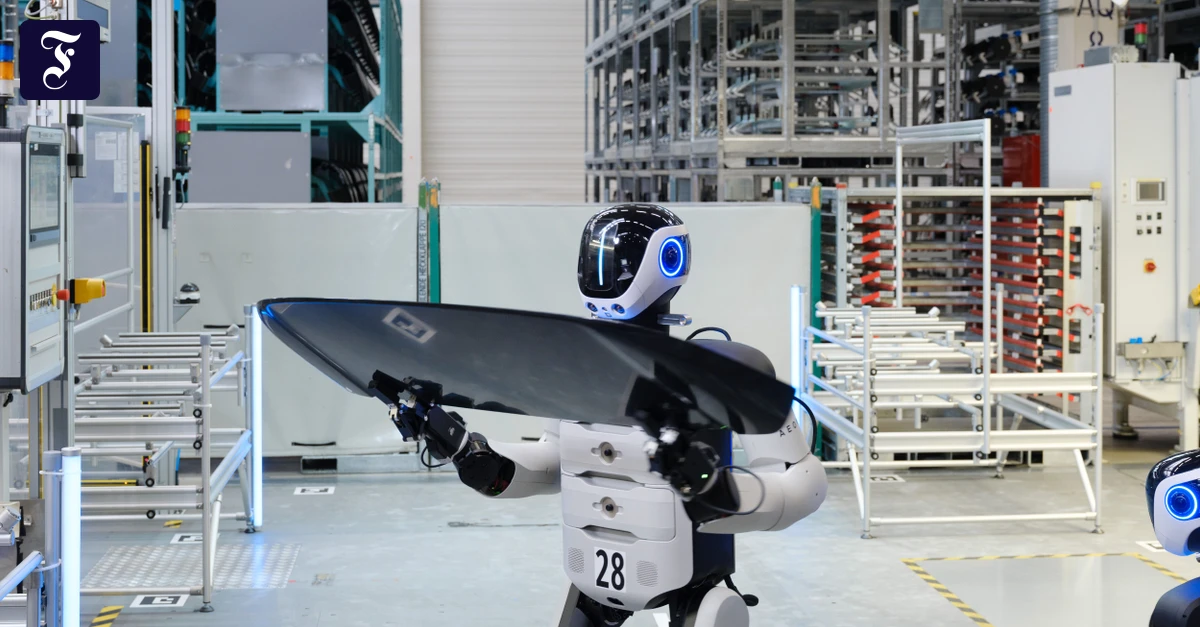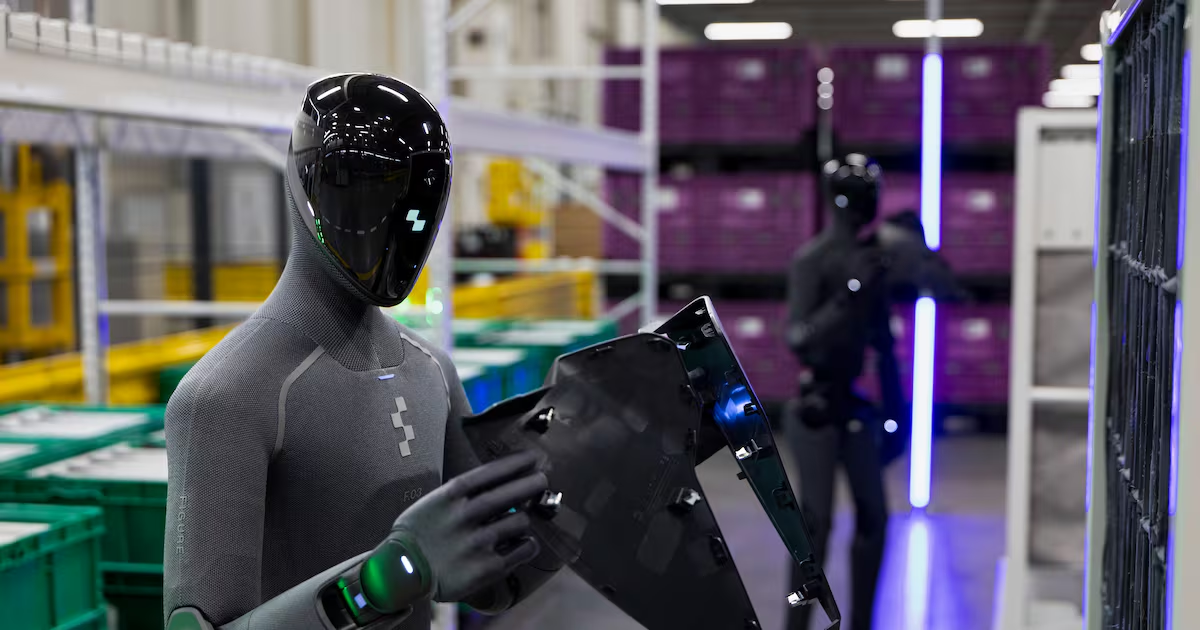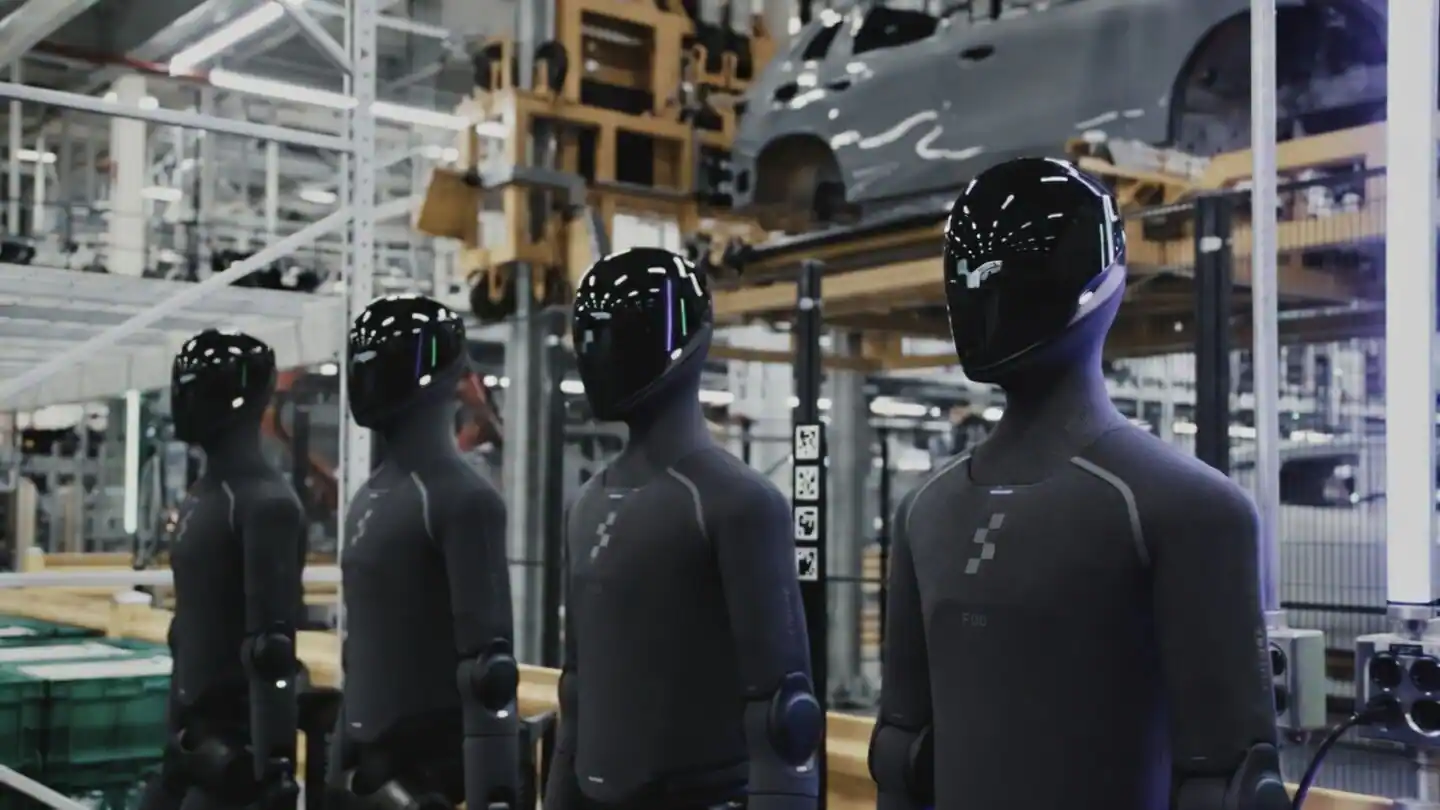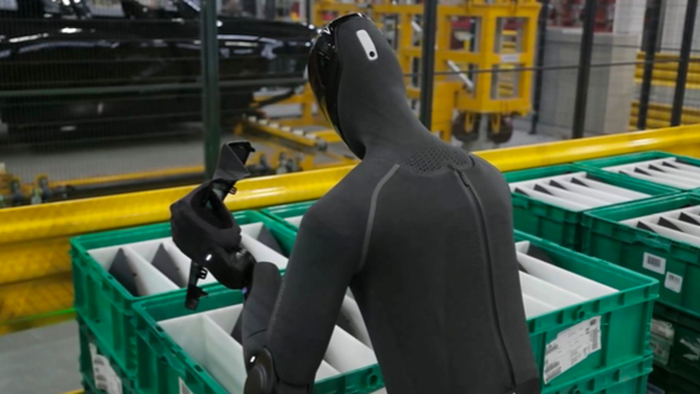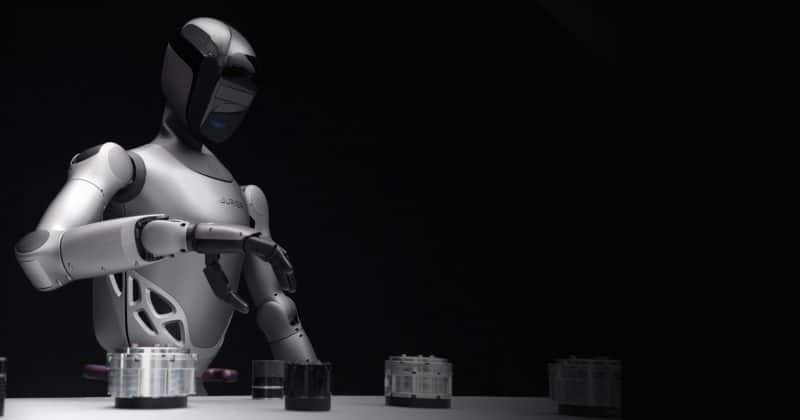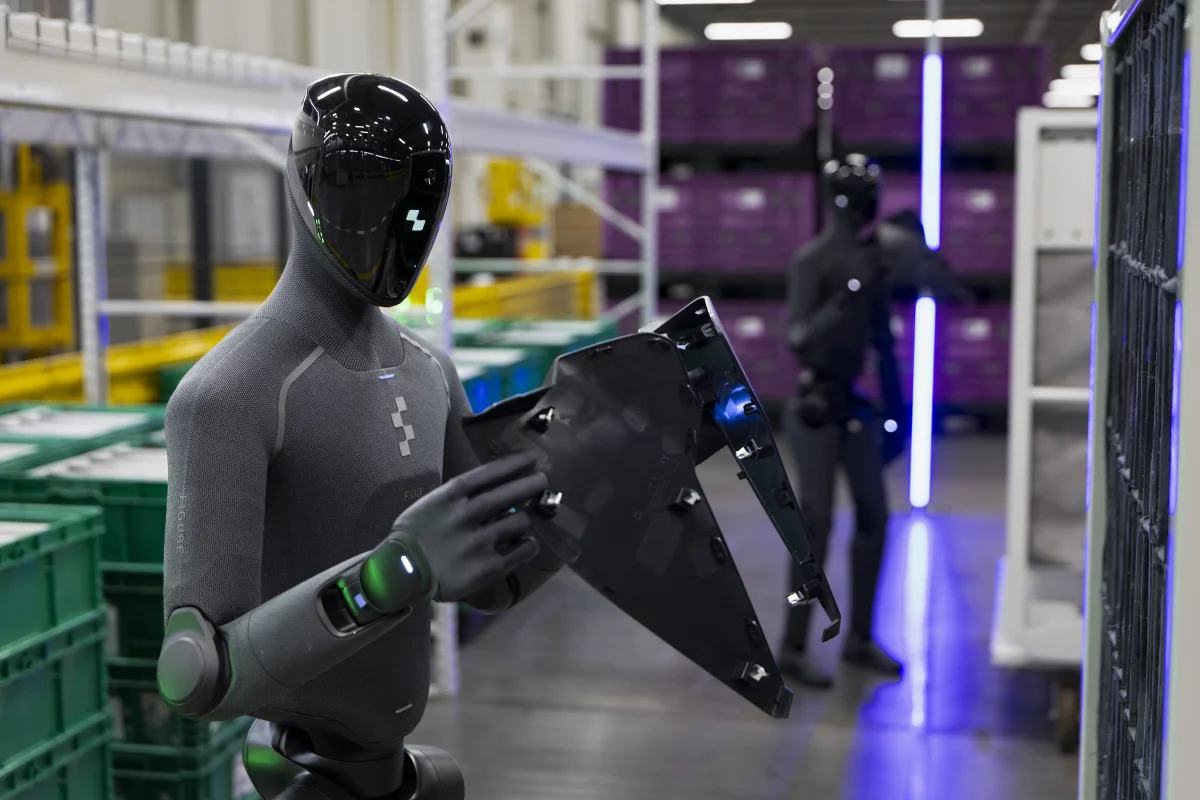
In February, BMW published the results of a pilot at its plant in Spartanburg, South Carolina. A humanoid robot made by Figure had been lifting sheet metal parts into a welding cell, ten-hour shifts, Monday to Friday.
The release is precise about what happened. The robot moved more than 90,000 components. It covered approximately 1.2 million steps. It ran for around 1,250 operating hours. Within ten months, in BMW's words, it supported the production of more than 30,000 BMW X3s.

Four numbers, and not one of them counts robots. BMW's release refers throughout to "the robot Figure 02", in the singular, and never states how many were on the floor. I went looking for that figure and could not find it in the company's own words. Secondary coverage says two. BMW does not say two, or any other number, which is why this piece will not say two either.
What travelled was the 30,000. It became a headline about physical AI's return on investment, filed under the shorthand that a fleet of humanoids had helped build 30,000 cars. The number is true. BMW published it. The thing it appears to prove, that humanoid robots are now doing meaningful volumes of industrial work, is a claim the number does not make and BMW never made either. The 30,000 is the output of a car line that was running before the robot arrived, and the figure isolates nothing the robot added to it. The release says the robot supported that production rather than performed it.