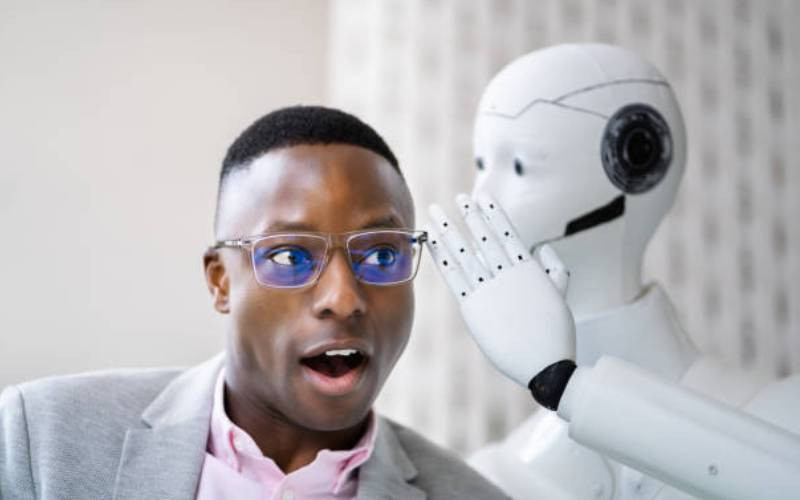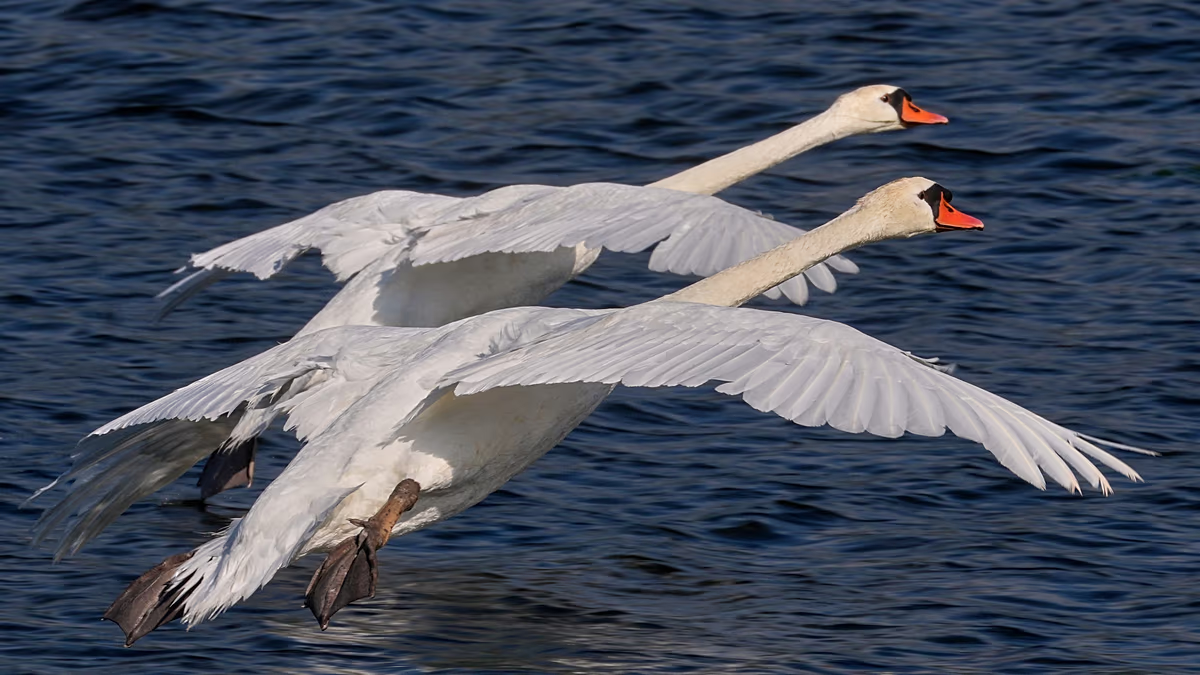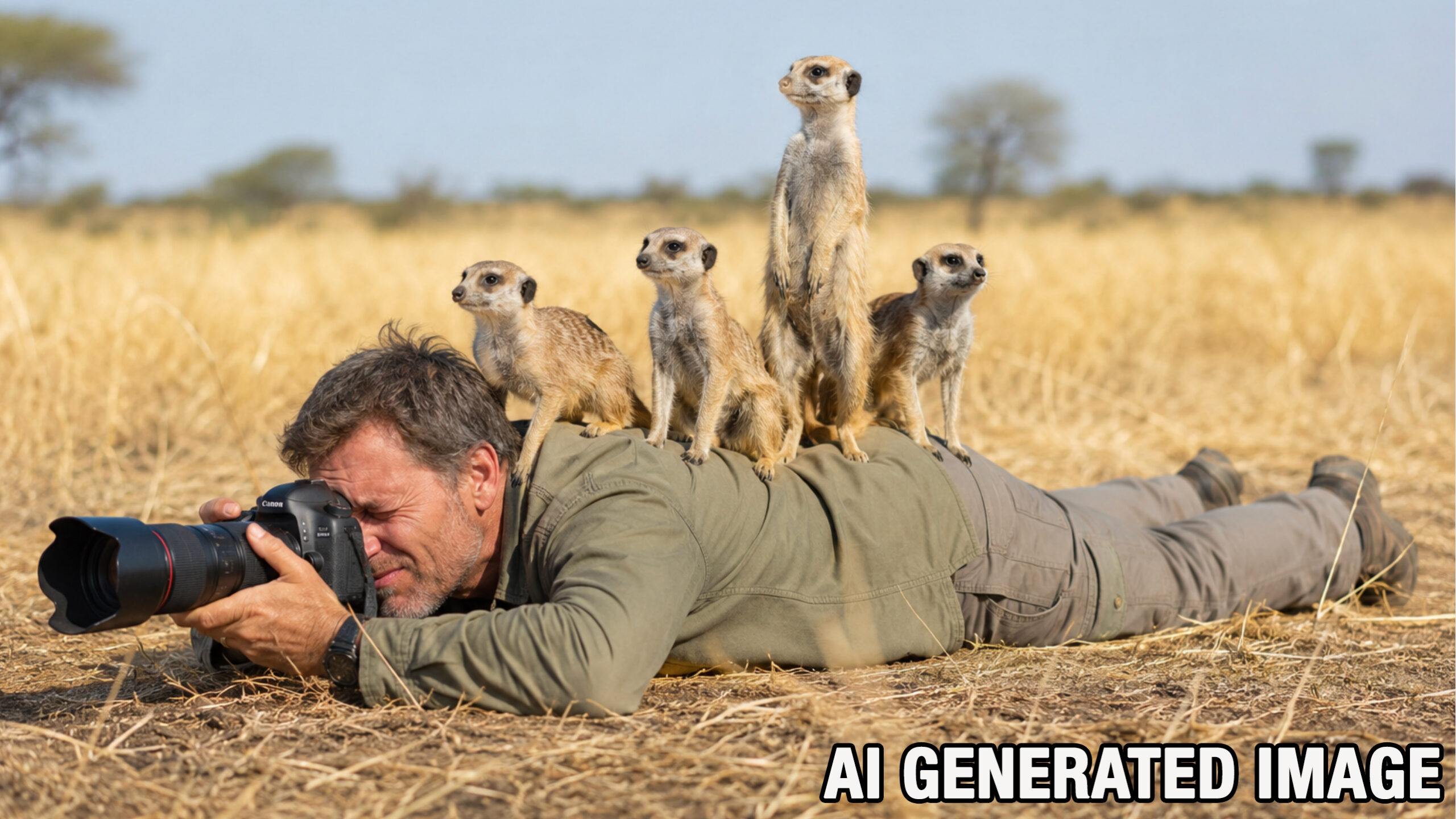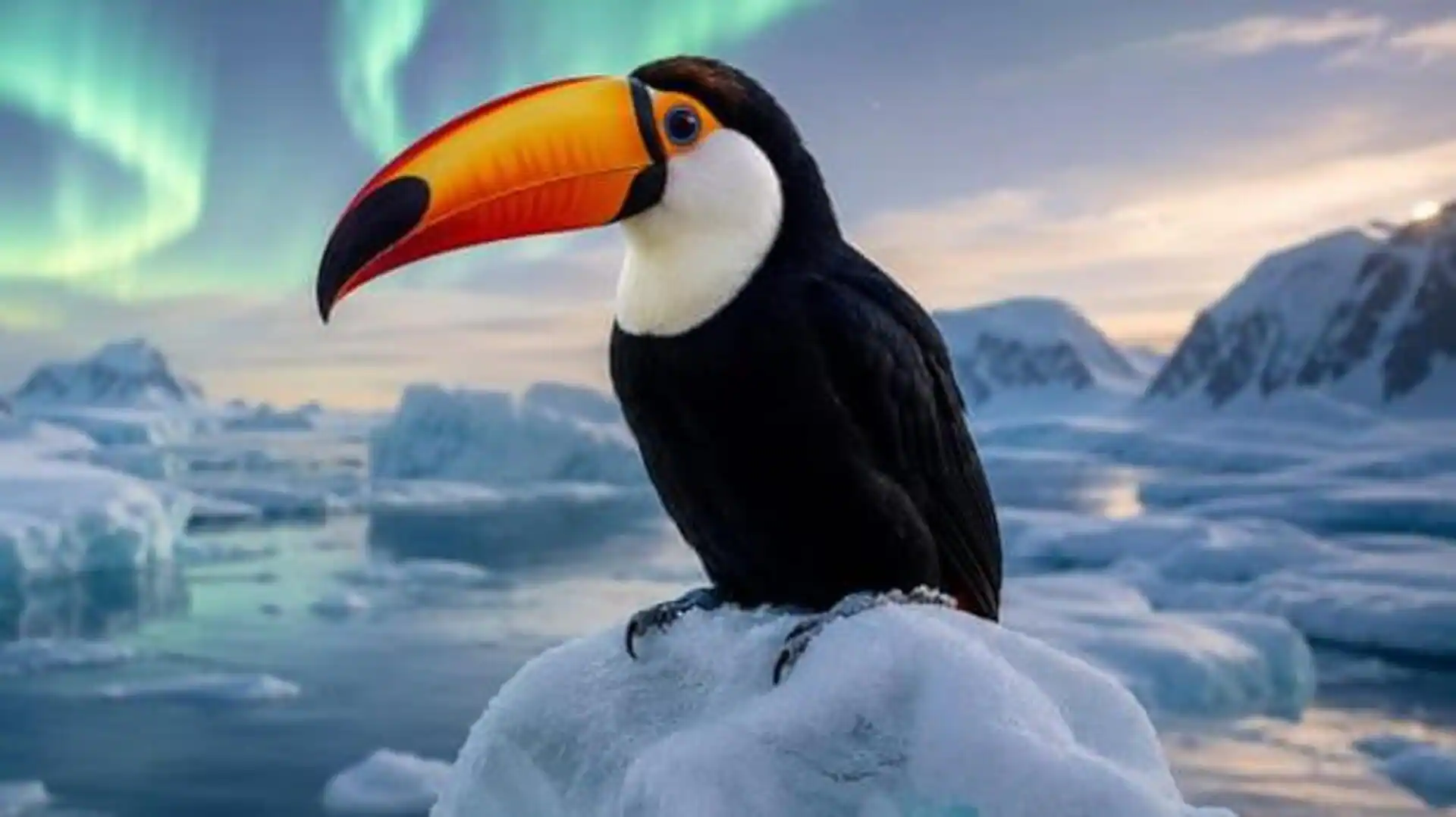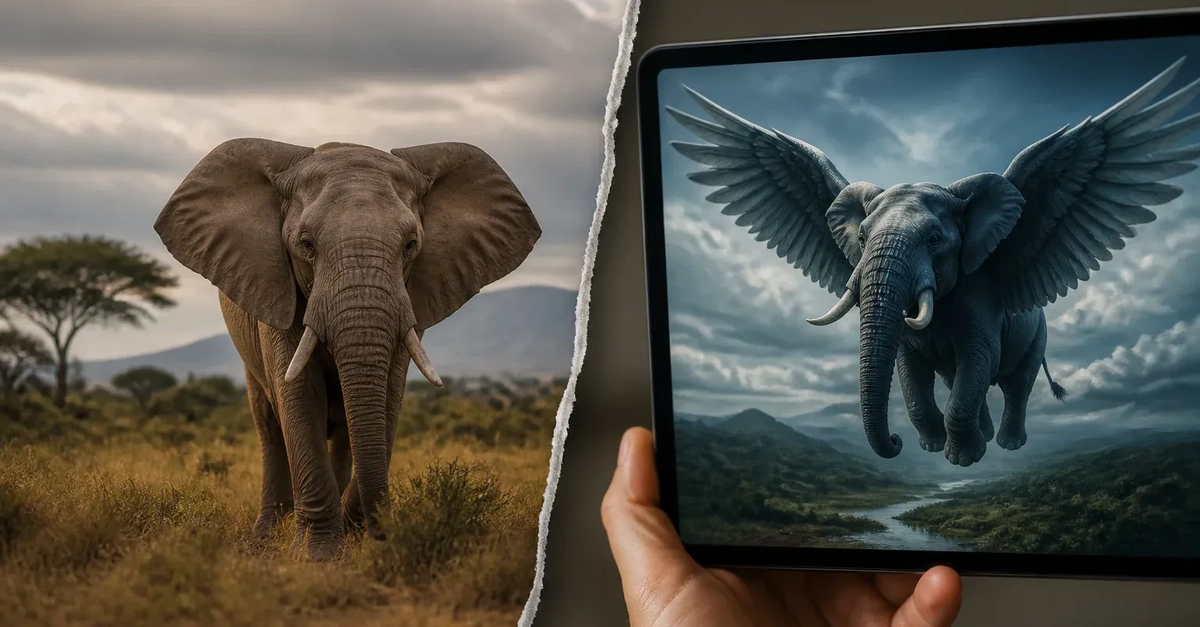
A peer-reviewed study in Conservation Biology warns that increasingly realistic AI-generated wildlife images and videos can distort how audiences understand animals, their behavior, and the natural world. The concern is not simply that synthetic content exists. It is that fabricated scenes can look credible enough to reshape public expectations of wildlife, creating a potential problem for conservation education and engagement.
The study, "Threats to conservation from artificial-intelligence-generated wildlife images and videos," was published on September 3, 2025. Its authors examine how fabricated animal media circulating on social platforms can present highly improbable situations as if they were real, from leopards appearing in backyards to animals given human-like motivations and behavior. The researchers argue that these portrayals can widen the gap between public perception and ecological reality. The findings are detailed in the Conservation Biology study.
For conservation, the stakes extend beyond an isolated misleading clip. Public support for species protection, habitat conservation, and responsible encounters with animals depends in part on accurate knowledge. When compelling synthetic media repeatedly substitutes spectacle for reality, it can influence what people believe wildlife is like and how they expect it to behave.