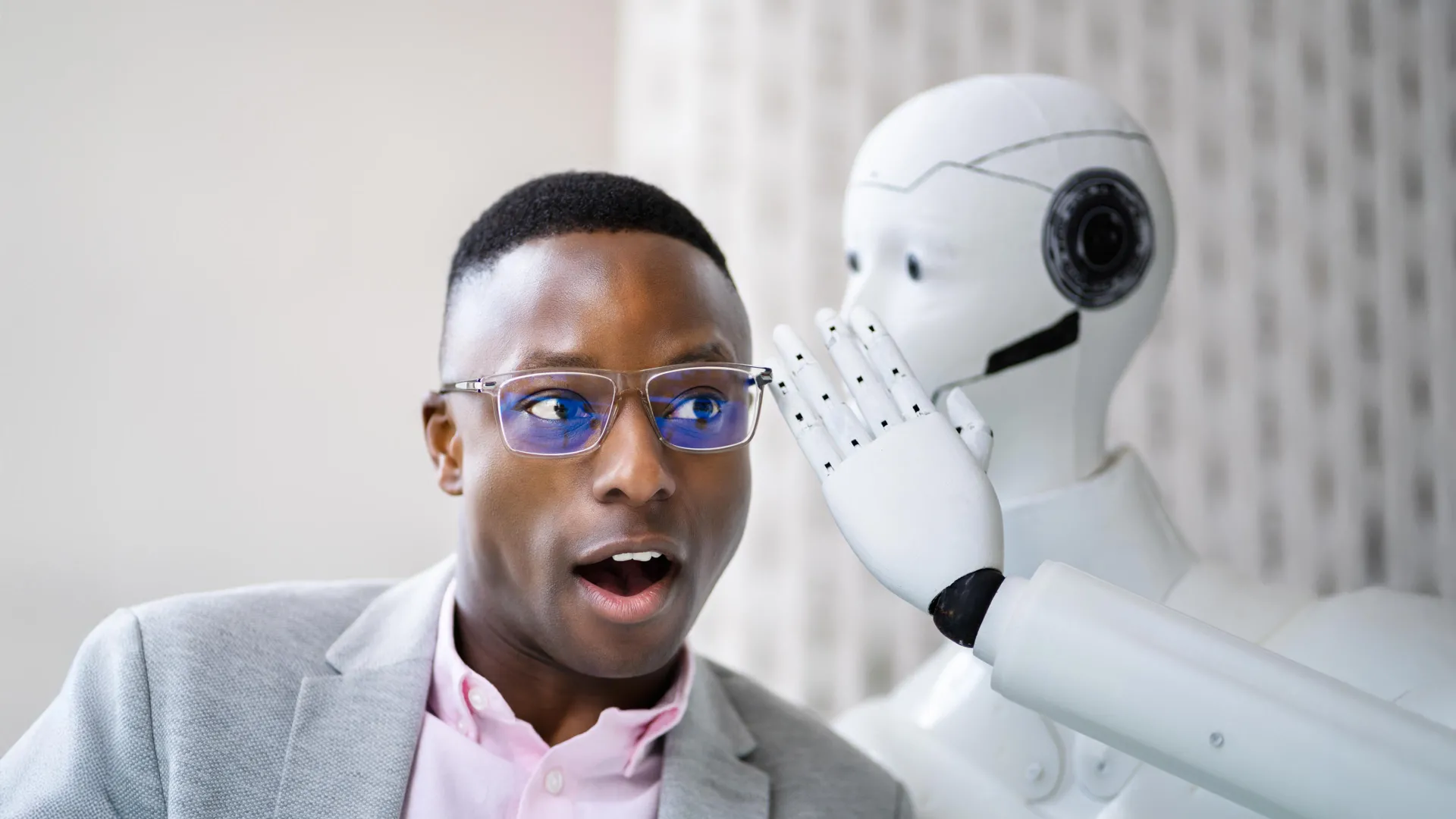
AI chatbots that were prompted to impersonate public figures produced responses that people perceived to be more authentic, coherent, and relevant than the real thing, a finding that underscores “a dire need to inform the general public of the potential harm this can have on society,” according to a study published on Wednesday in PLOS One.
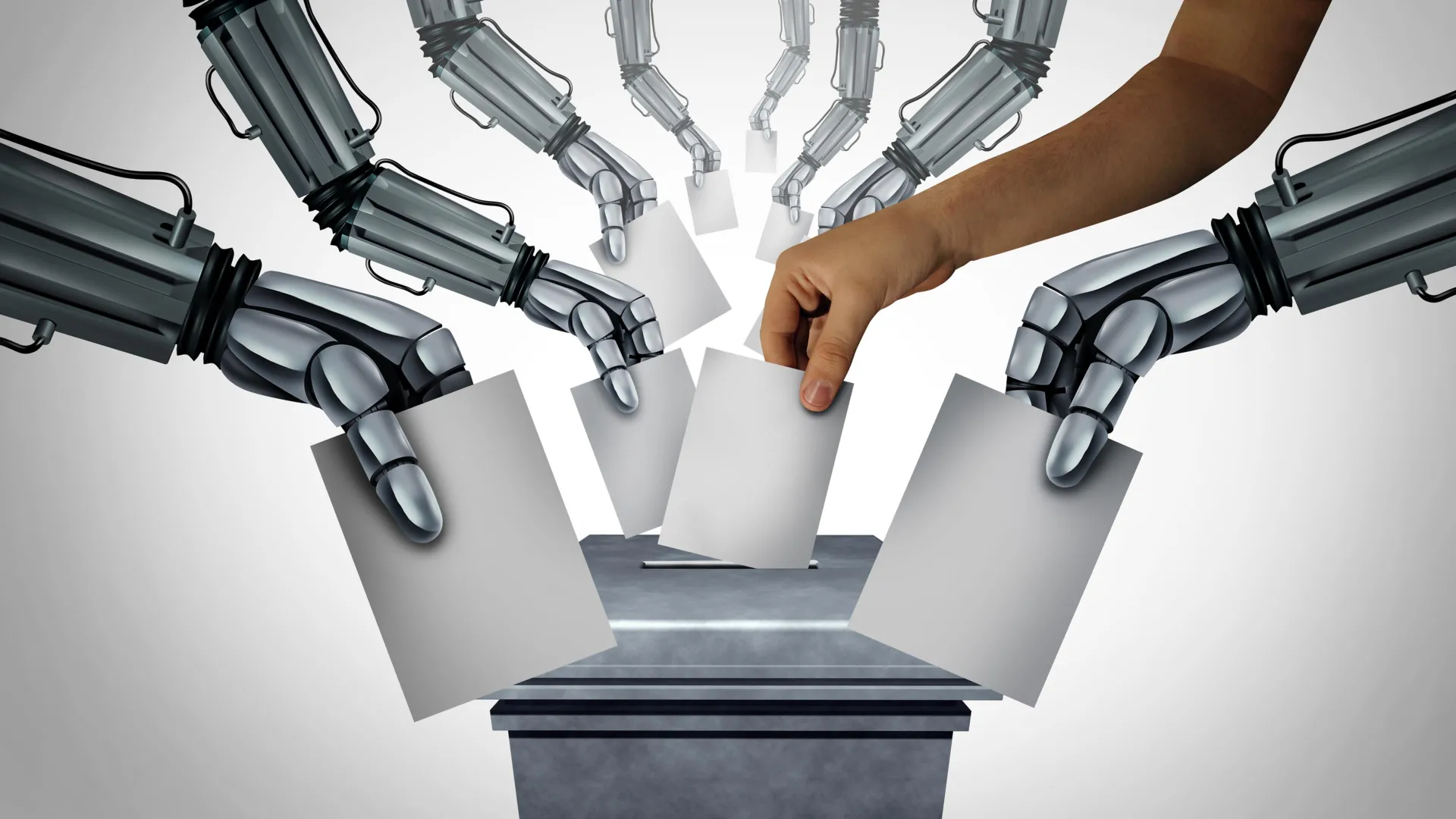
The research adds to a growing body of evidence about the effects of artificial intelligence on politics, including studies about the capacity for AI to potentially swing elections, facilitate scams, and spread misinformation.
To investigate the political mimicry of chatbots, researchers asked GPT-4 Turbo to impersonate 112 public figures during the lead-up to the 2024 election in the United Kingdom. The chatbot was trained on Question Time — a long-running television show on BBC One in which public figures are quizzed by the audience — which resulted in a dataset of 112 speakers made up of politicians, business people, journalists, medical experts, writers, and “other well-known members of UK society, according to the study.”
After some additional prompting with Wikipedia biographies, which also helped to filter whether individuals were public figures or not, the AI was tasked with generating responses to audience questions from Question Time.