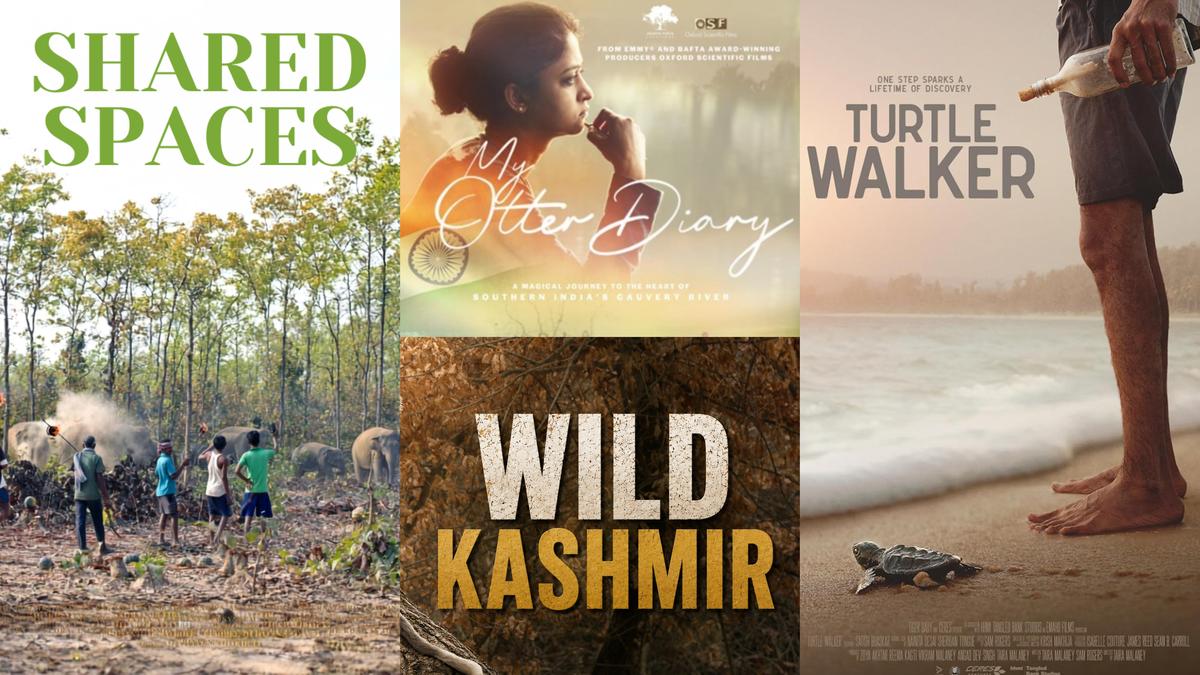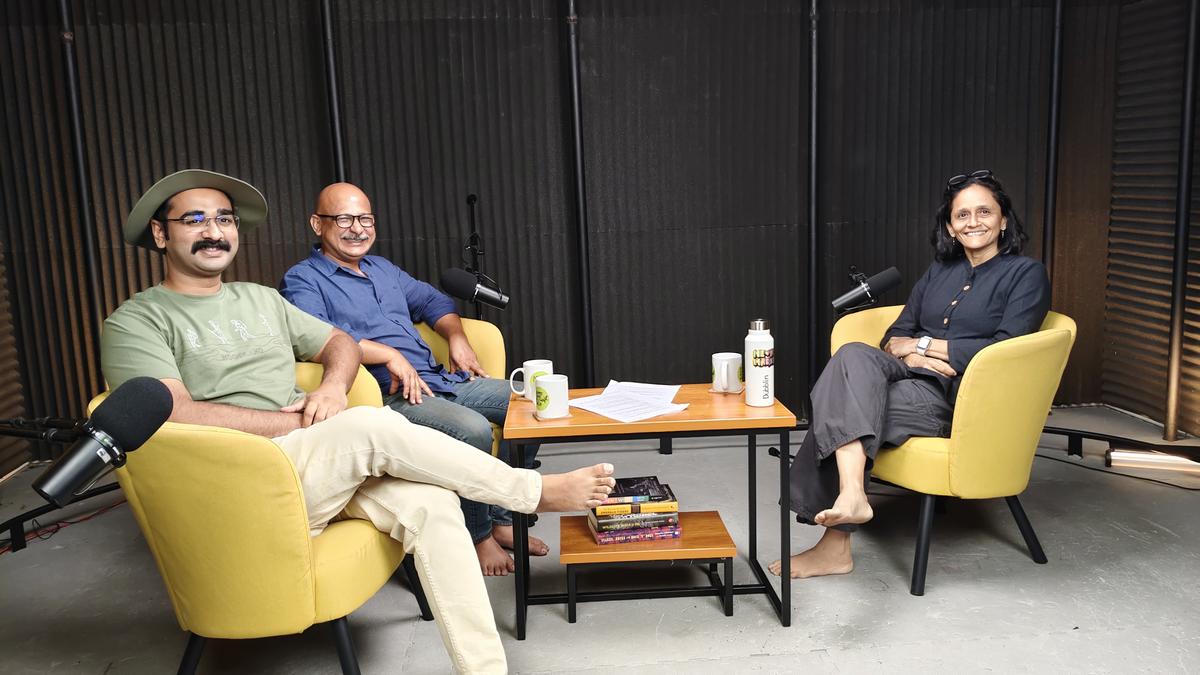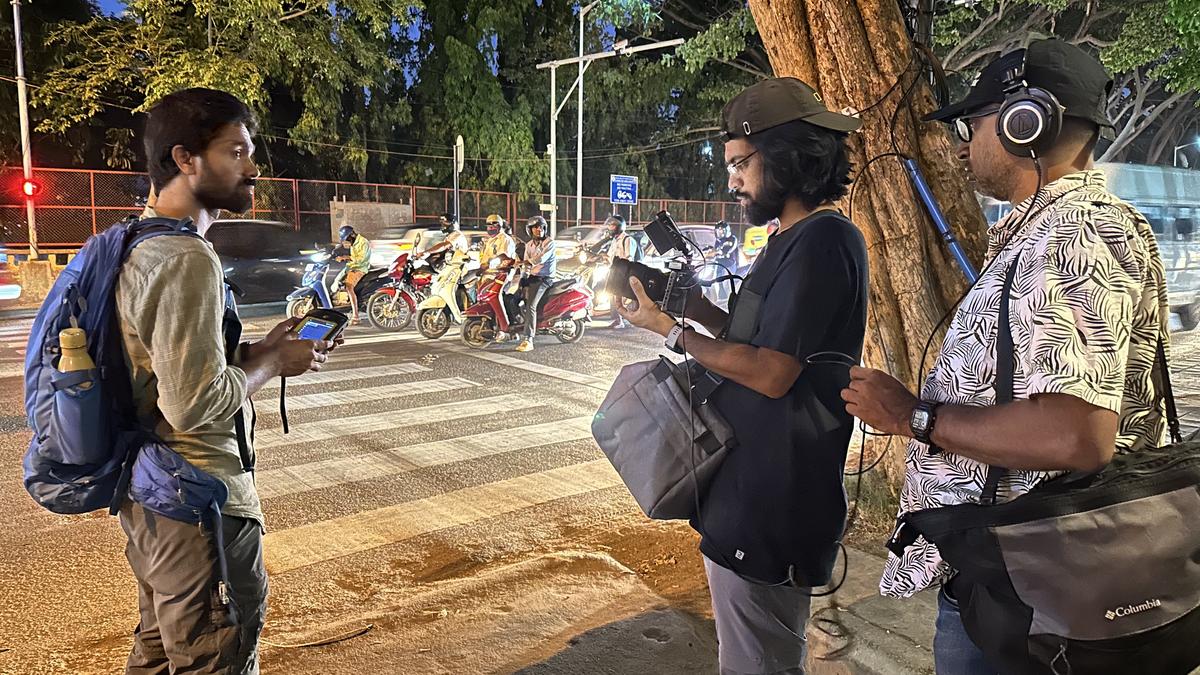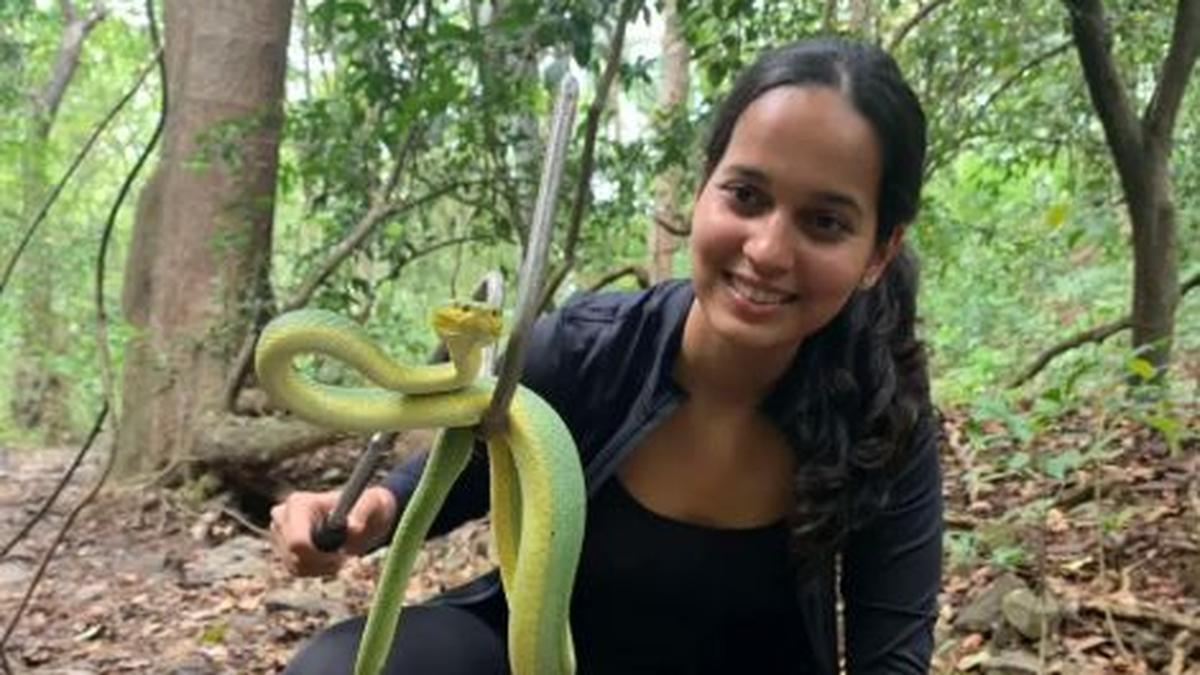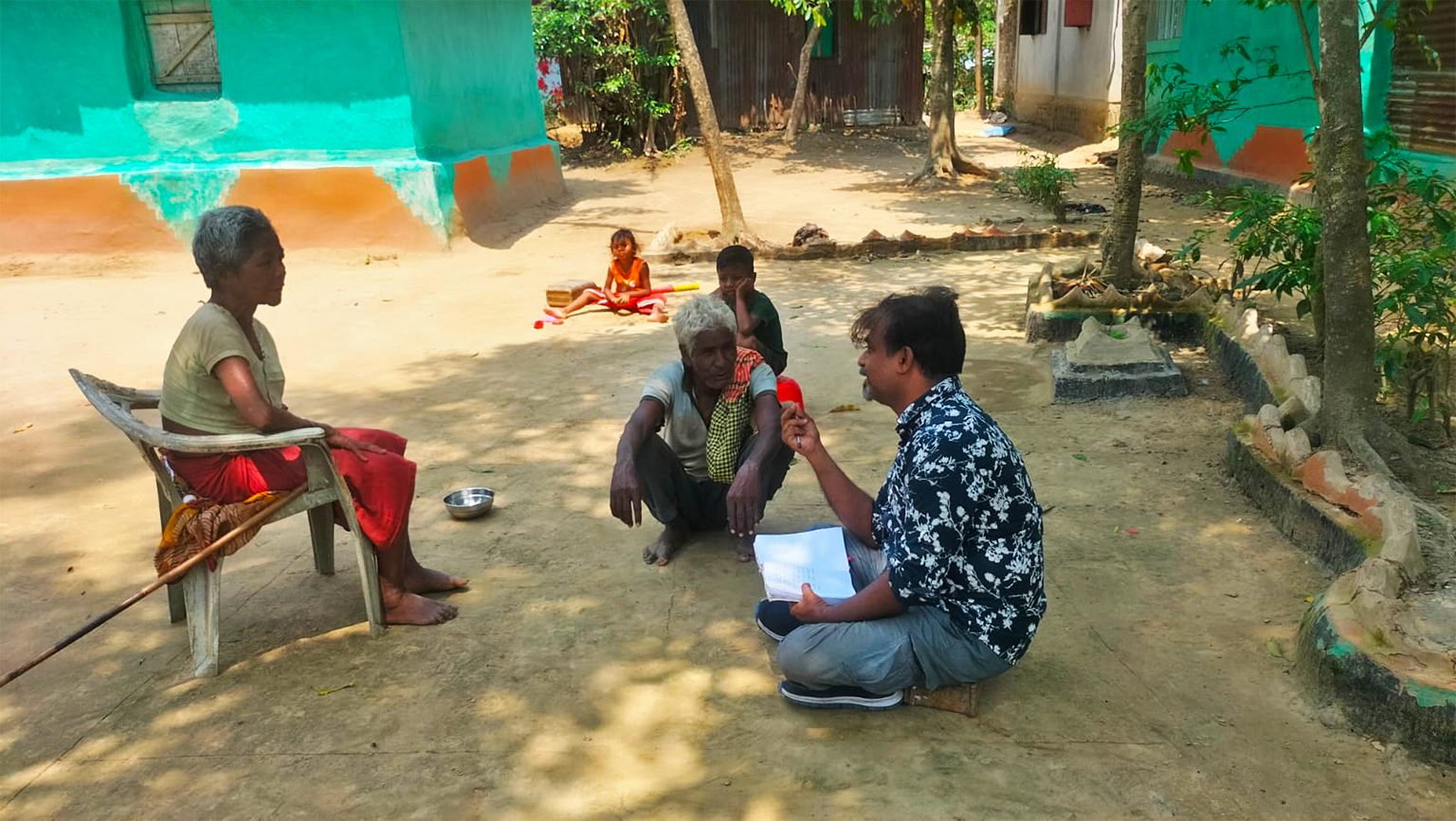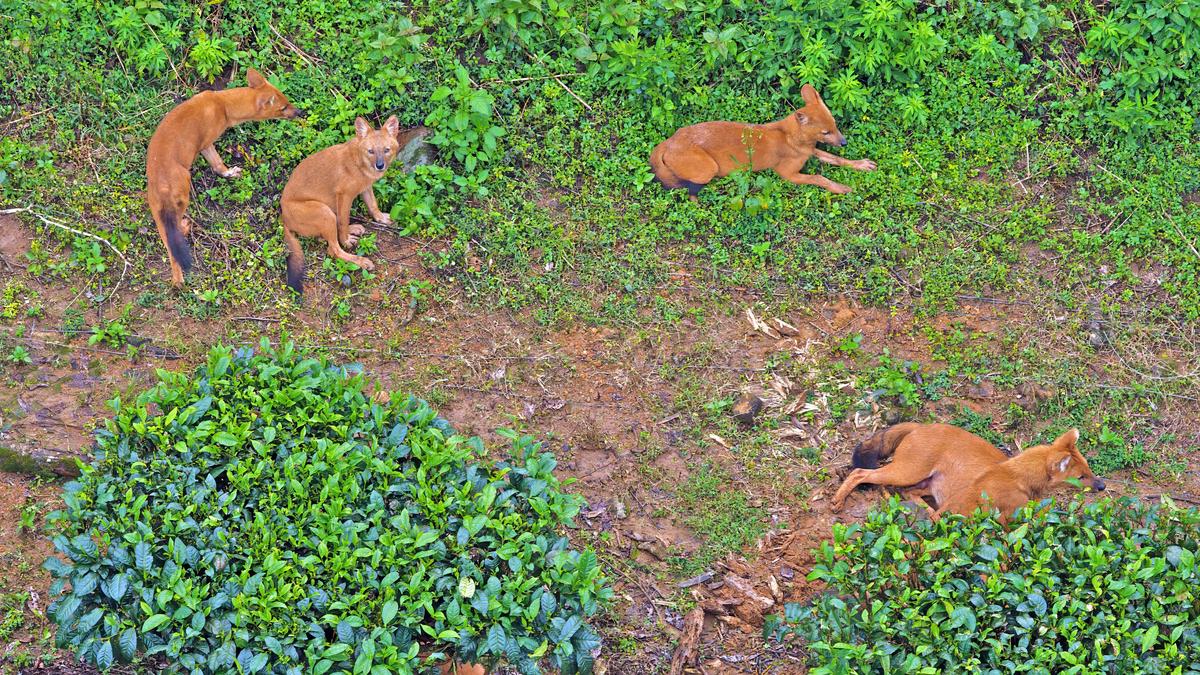
In India, wildlife exists in a sea of humanity. Still, their stories are often told as if human beings are outside nature, says award-winning environmental journalist Bahar Dutt, who believes this worldview stems from a Western cultural lens. It is this narrative that Shared Spaces, a six-part documentary series hosted by Bahar and filmed by her partner, Emmy-nominated wildlife filmmaker Vijay Bedi, deliberately subverts. “We tried to step away from the typical natural history format: blue-chip films being produced across the globe, which showcase animals living in beautiful forests,” says Vijay about the series, which is instead “told in the larger context of human-impacted wild spaces.”Diverse landscapesShared Spaces, indeed, dives deep into the country’s diverse landscapes ― forests, mountains, coastlines, and grasslands ― exploring the complex, multidimensional relationship between people and wildlife and highlighting the stories unique to each habitat. “The whole idea was also to look at different landscapes, beyond those inhabited by tigers,” says Vijay. “We wanted to go to regions not talked about enough, with many untold stories…shifting the focus away from megafauna, going to the small, rarest creatures India has and trying to show a slice of wildlife as well as the people living alongside.”And in the process, each of the films forces viewers to, in Vijay’s words, “think of shared spaces in a new way”, whether it is looking at community conservation initiatives in the Northeast to a controversial dog versus wildlife conflict unfurling in the grasslands of Maharashtra, ingenious elephant management methods in West Bengal, the consequenses of wolves and dogs breeding and broader philosophical questions about whether infrastructure development and ecological sanctity can go hand in hand.
Bahar Dutt on ‘Shared Spaces’: Human beings are not outside nature
‘Shared Spaces’, a six-part documentary series hosted by Bahar Dutt and filmed by her partner, Emmy-nominated wildlife filmmaker Vijay Bedi, released on Animal Planet, explores exactly this: human-impacted wild spaces
1,232 words~6 min read