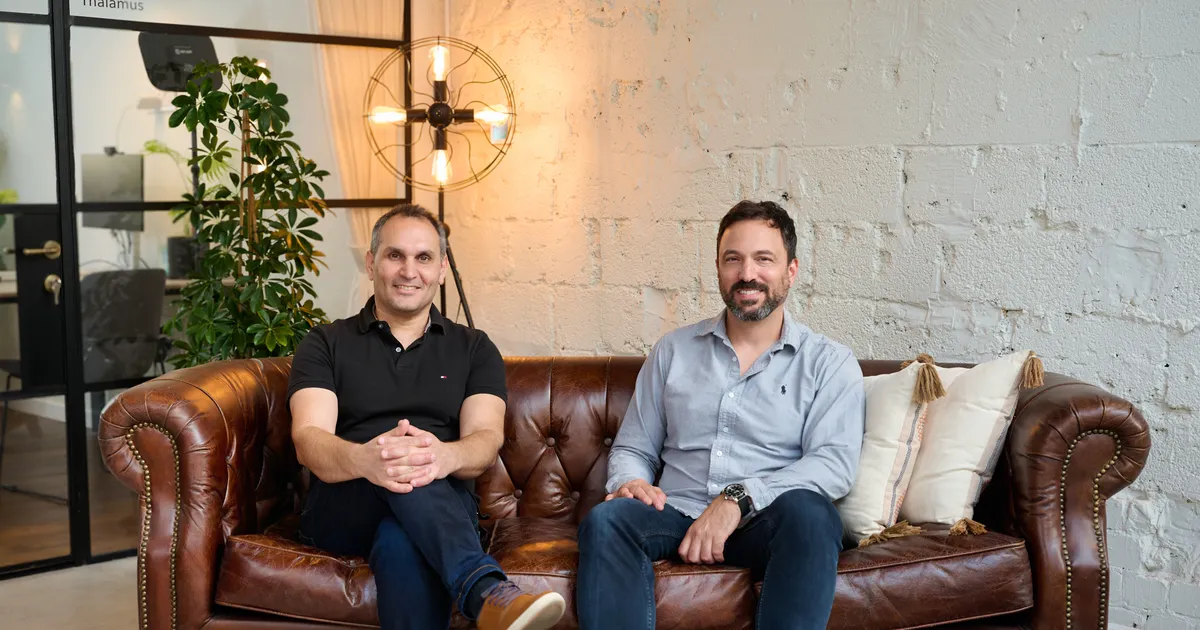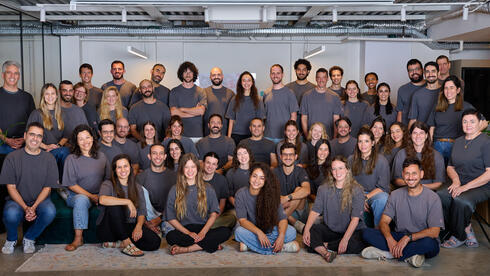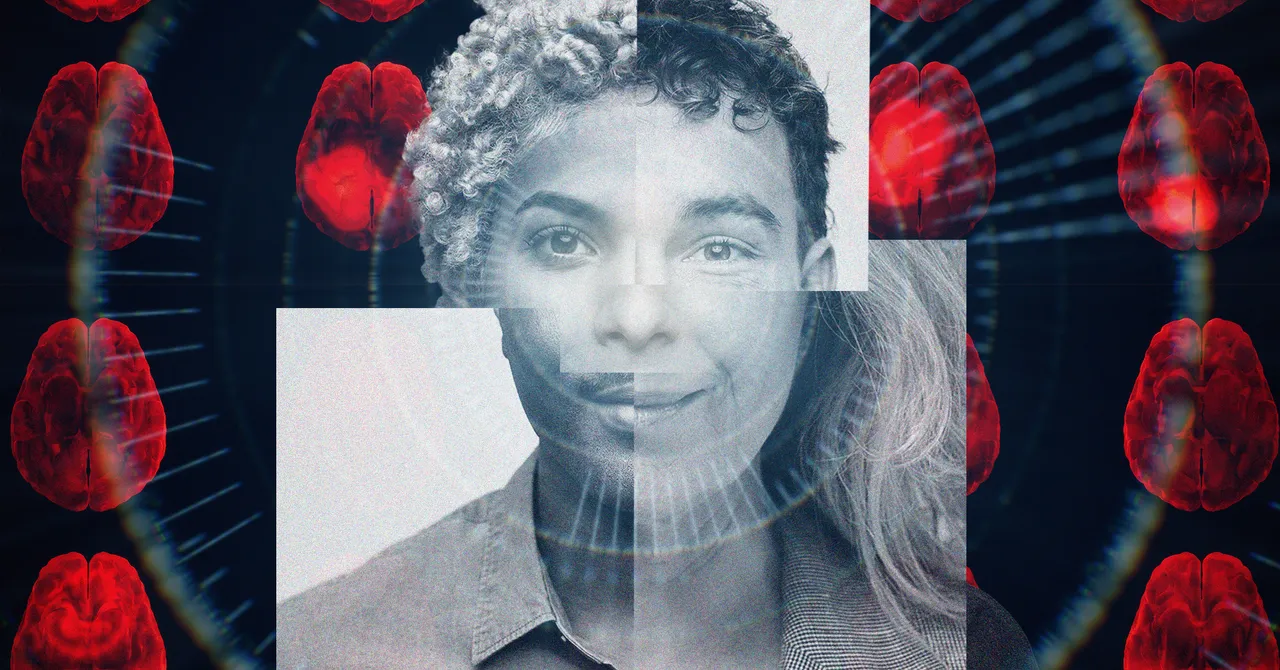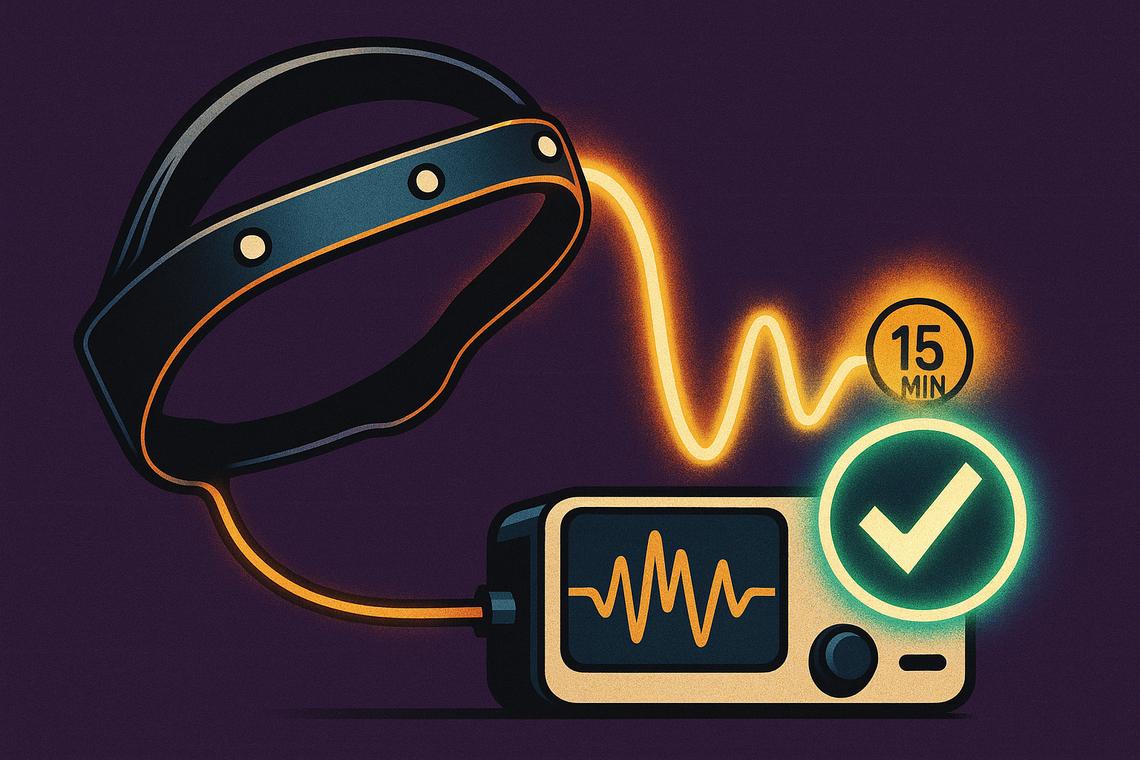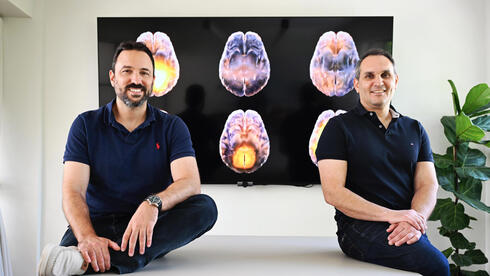
Israeli startup Hemispheric says its AI can decode brain waves and diagnose conditions including depression, PTSD, Parkinson’s and Alzheimer’s in 15 minutes; the company has raised $52 million as investor interest growsThe sleek, three-story headquarters of Hemispheric in central Tel Aviv has two entrances. The smaller one is for employees. The larger, more spacious entrance is for test subjects.That is no coincidence: The people who come here generate the lifeblood of any artificial intelligence company — its database, its data.GalleryIllustration of the output of the 'Descartes' model — its representation of the brain activity of thousands of subjects (Photo: Courtesy of Hemispheric)How does it work? Young and old, men and women, are fitted with a sensor-equipped cap worn on the head. They are then led into a quiet room, where for about an hour they are asked to perform certain tasks in front of a computer screen, with the results recorded immediately on the company’s servers.“In recent years,” says Gidi Littwin, 44, Hemispheric’s chief technology officer and co-founder, “one of our main focuses has been building one of the world’s largest brain databases. We have collected data from 100,000 subjects and already have a quarter of a million hours of brain-activity data.“The same brain signal can look completely different in different people, but once you collect data on a large enough scale, you can build an AI model that identifies those patterns and measures brain function accurately.”“Without that data,” explains CEO and co-founder Dr. Hagai Lalazar, 50, “AI gives you nothing. It’s like having a powerful car engine with only two drops of fuel — you’ll travel a meter and stop. For the engine to work, you need the right kind of fuel and enough of it for the size of the engine. The fuel is the data. The engine is the AI model. You have to scale both together, and then you can really take off.”(Photo: Courtesy of Hemispheric)And the Israeli company is indeed taking off. Quietly operating until only about a month ago, Hemispheric was recently revealed for the first time in Israeli and international media.The company says it is the first in the world to offer a precise system for objectively measuring and decoding human brain activity, capable of diagnosing a long list of neurological and psychiatric conditions in a test lasting just 15 minutes.The list is extensive: depression, anxiety, post-traumatic stress disorder, or PTSD, schizophrenia risk prediction, Parkinson’s disease, Alzheimer’s disease, invisible traumatic brain injury, obsessive-compulsive disorder, or OCD, tinnitus, attention-deficit/hyperactivity disorder, or ADHD, sleep disorders and early signs of cognitive decline. The system can also assess the severity and degree of these conditions.The patient wears the cap, which is connected to an app on a tablet or cellphone, and the system measures brain activity and generates data. The concept is similar to a blood test, X-ray or echocardiogram, which help physicians diagnose illness, select treatment and track a patient over time.Why does this matter? Because while precise, objective tests have long existed to assess the heart, lungs and other major organs, conditions originating in the human brain have not had equivalent tools. To this day, many are diagnosed through interviews, questionnaires, observation and behavioral assessment.CEO Dr. Hagai Lalazar, right, and CTO Gidi Littwin (Photo: Kobi Koanx)Hemispheric employs 114 people in three countries, including experts in neuroscience, artificial intelligence, software engineering, electronics and clinical-grade medical systems, some of them with doctorates. The company also works with leading advisers in psychiatry, neurology and neuroscience.What will the output your system gives doctors look like?
Meet Hemispheric: The Israeli AI startup aiming to revolutionize brain diagnostics
Israeli startup Hemispheric says its AI can decode brain waves and diagnose conditions including depression, PTSD, Parkinson’s and Alzheimer’s in 15 minutes; the company has raised $52 million as investor interest grows
2,894 words~13 min read