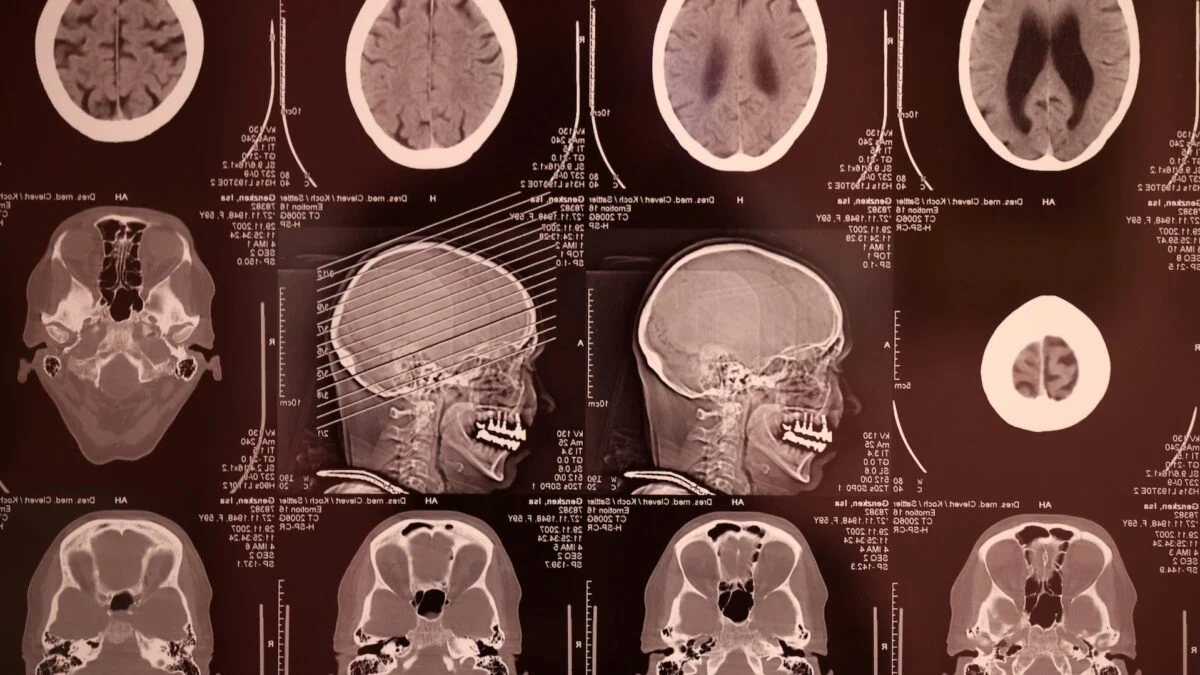
In 1908, a Columbia University psychiatry professor named Frederick Peterson claimed to have built a “psychometer”—a contraption which he said could read people’s thoughts using, among other components, a mirror and a lamp. “It is almost like sorcery to observe the behavior of the instrument with a series of words, some purposely chosen to be emotionally indifferent and others to strike some emotional complex deep in the soul of the individual experimented upon,” Peterson told the Seattle Star about his device. Peterson’s psychometer may have been a Ouija board-like illusion, but there are plenty of scientists today who believe that we will soon have access to machines that can record and interpret human thoughts using the pattern-recognizing prowess of AI. In June, Meta unveiled the latest version of its Brain2Qwerty system, designed to translate brain scans into text; the company is promoting it as an early step towards helping people with ALS and other neurodegenerative illnesses regain their ability to communicate. The San Francisco-based startup Conduit is also working to crack the AI mind-reading problem. Founded in 2024, Conduit is endeavoring to build what it describes on its website as “telepathy at scale”—AI systems that can read minds entirely through noninvasive means. (In other words, without the need for a surgically implanted brain-computer interface, like the one Elon Musk is building at Neuralink.) The company’s long-term goal is to build and sell a wearable device that conveys commands to AI assistants directly via thoughts, as opposed to voice or text prompts—which, as anyone who’s interacted with ChatGPT or Siri knows very well, can often be a very buggy process.
This Startup Will Pay You $50 to Let AI Read Your Mind
Humans have long dreamed of telepathically communicating with machines. Will Conduit succeed where others before it have failed?
TL;DRAI
Conduit ($50/session) trains AI to decode thoughts into LLM commands via electrode helmet, targeting consumer neural headband by 2030. Brain-computer AI convergence signals emerging mainstream interaction paradigm, reshaping knowledge-worker UX and enterprise productivity platform strategy.
659 words~3 min read