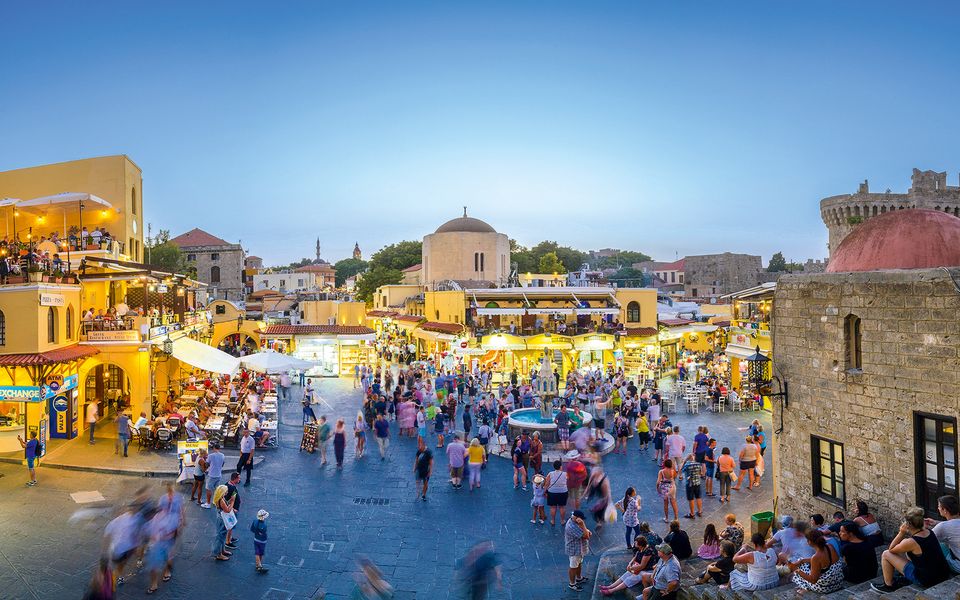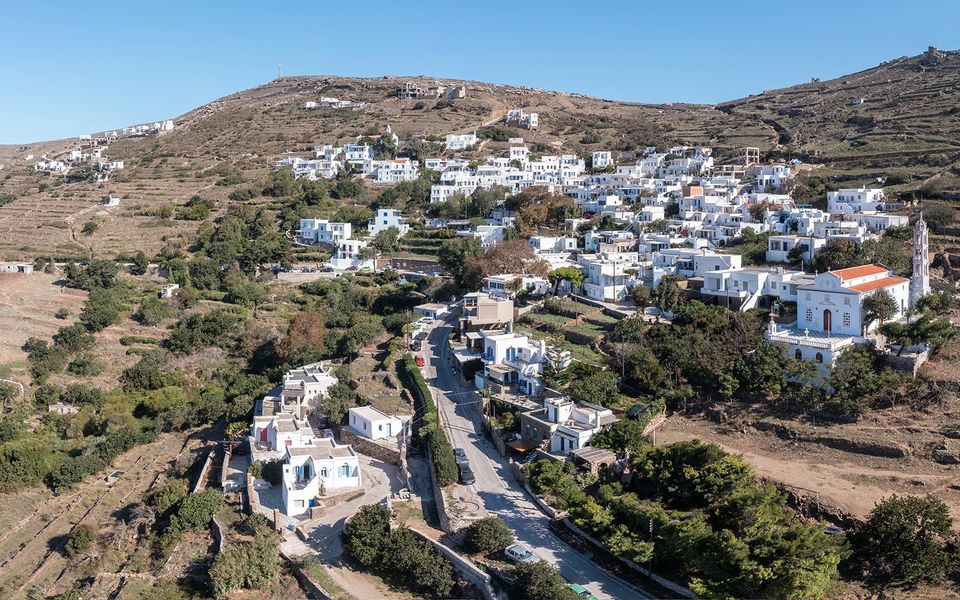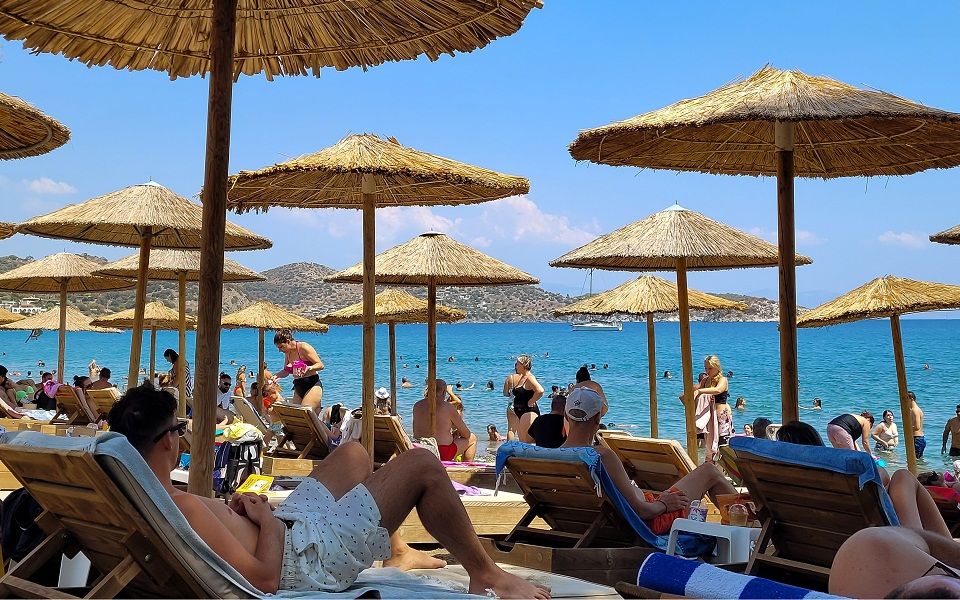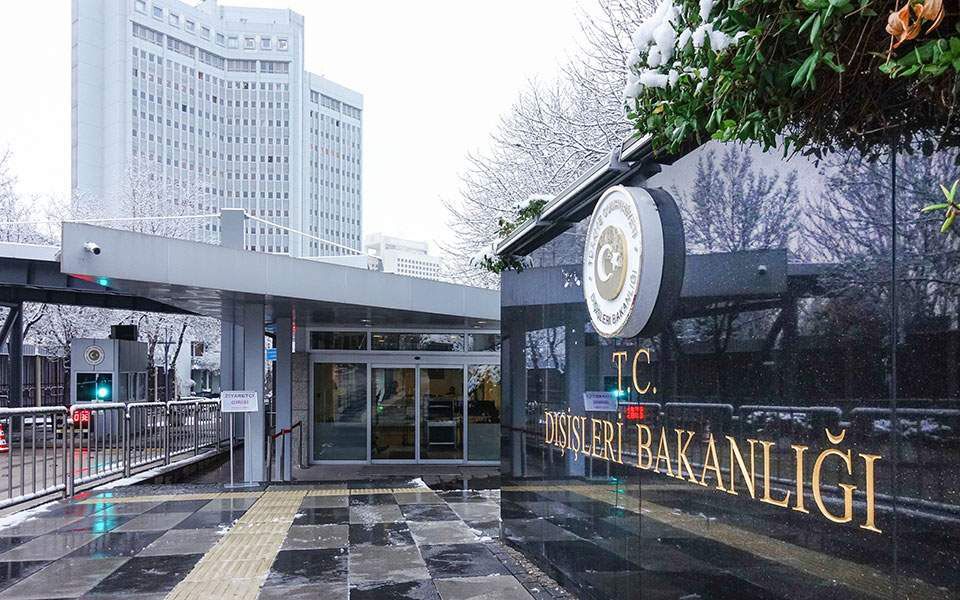
Greece has finalized a new Special Spatial Planning Framework for Tourism, introducing stricter rules for development in saturated destinations while offering incentives for investment in less-developed areas.
The framework was signed by Environment Minister Stavros Papastavrou and Tourism Minister Olga Kefalogianni through a joint ministerial decision. According to the government, the measure fills a significant institutional gap of more than a decade, as the revision of the tourism planning framework had been pending since 2012.
The final text incorporates changes made after consultations with market participants, local authorities and other stakeholders. Government sources said key improvements were added without altering the framework’s basic structure.
The plan aims to define objectives for the sustainable spatial organization of tourism while protecting Greece’s natural and cultural resources. Tourism areas are classified according to the intensity of tourism activity, using indicators that include the number of tourist beds relative to land area and permanent population, along with geographic characteristics and protection regimes.
The country is divided into five categories, ranging from Controlled Development Areas to Special Development Enhancement Areas. The zoning structure and municipal boundaries remain unchanged from maps published during the consultation process, while revisions focused on building conditions, operational flexibility and development incentives.