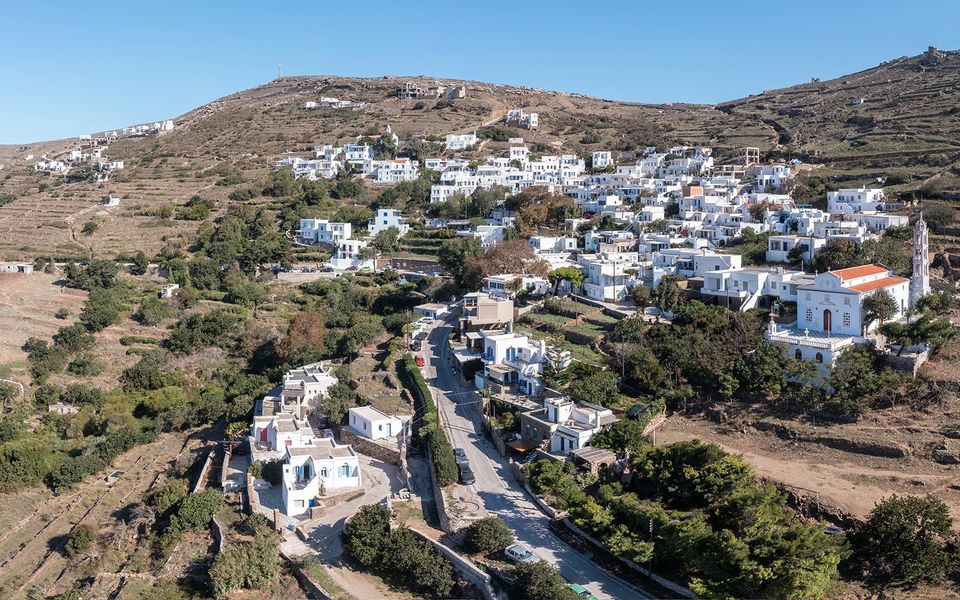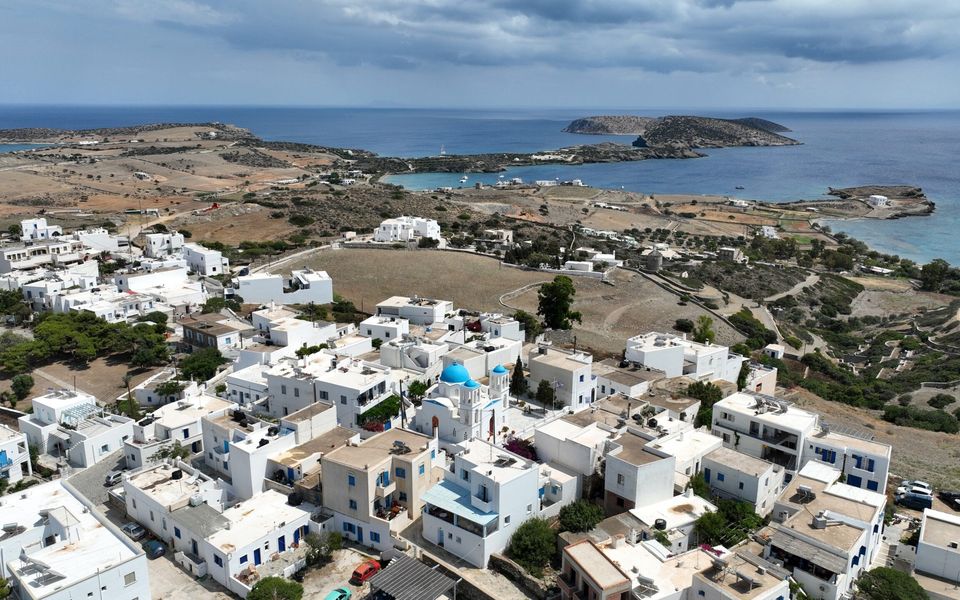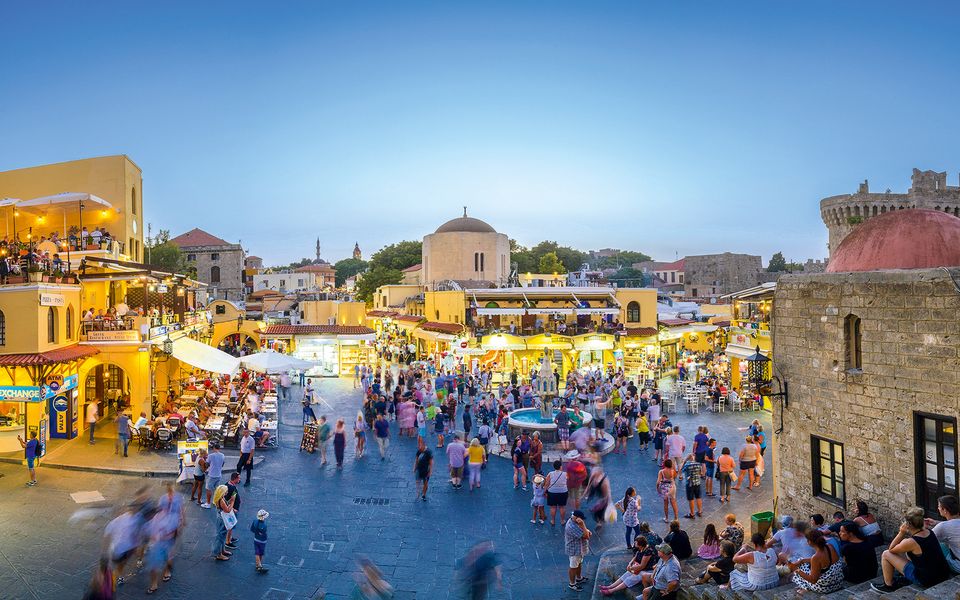
The Environment Ministry is caught between two diametrically opposed approaches on the spatial planning for tourism.
On one side is the hotel industry, which opposes all restrictions, claiming they will hinder the development of the industry. On the other side are urban planners and spatial planners, who argue that the proposed framework validates the growth and imposition of tourism as the dominant use of land throughout the country without any substantive conditions.
The second consultation, in which the ministry set the framework, ended on Monday. This was a closed process carried out to appease the hotel industry, as there were strong protests that the industry was being “taken by surprise.”
The announcement by the Greek Tourism Confederation (SETE) argued it was not sufficient to publish the text of the framework when it was put out for public consultation, but that the final text should still be communicated before being approved “to the directly involved production bodies.”
As Minister Stavros Papastavrou had stated, the ministry will examine the new positions and arrive at the final form of the framework, which will be approved in July (by joint ministerial decision).