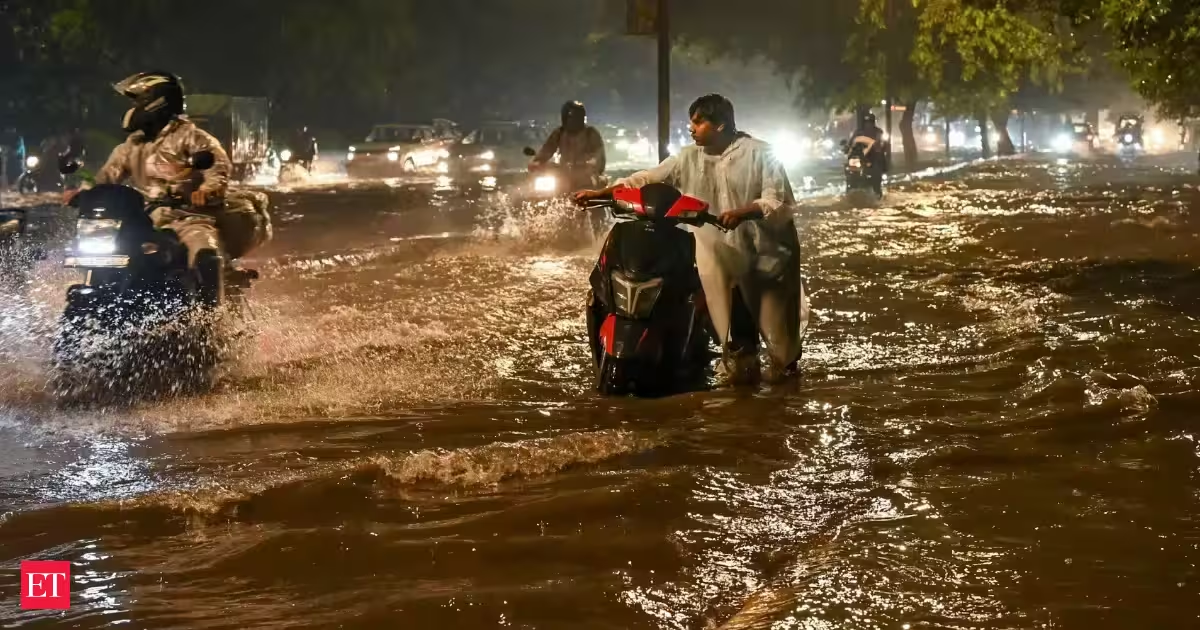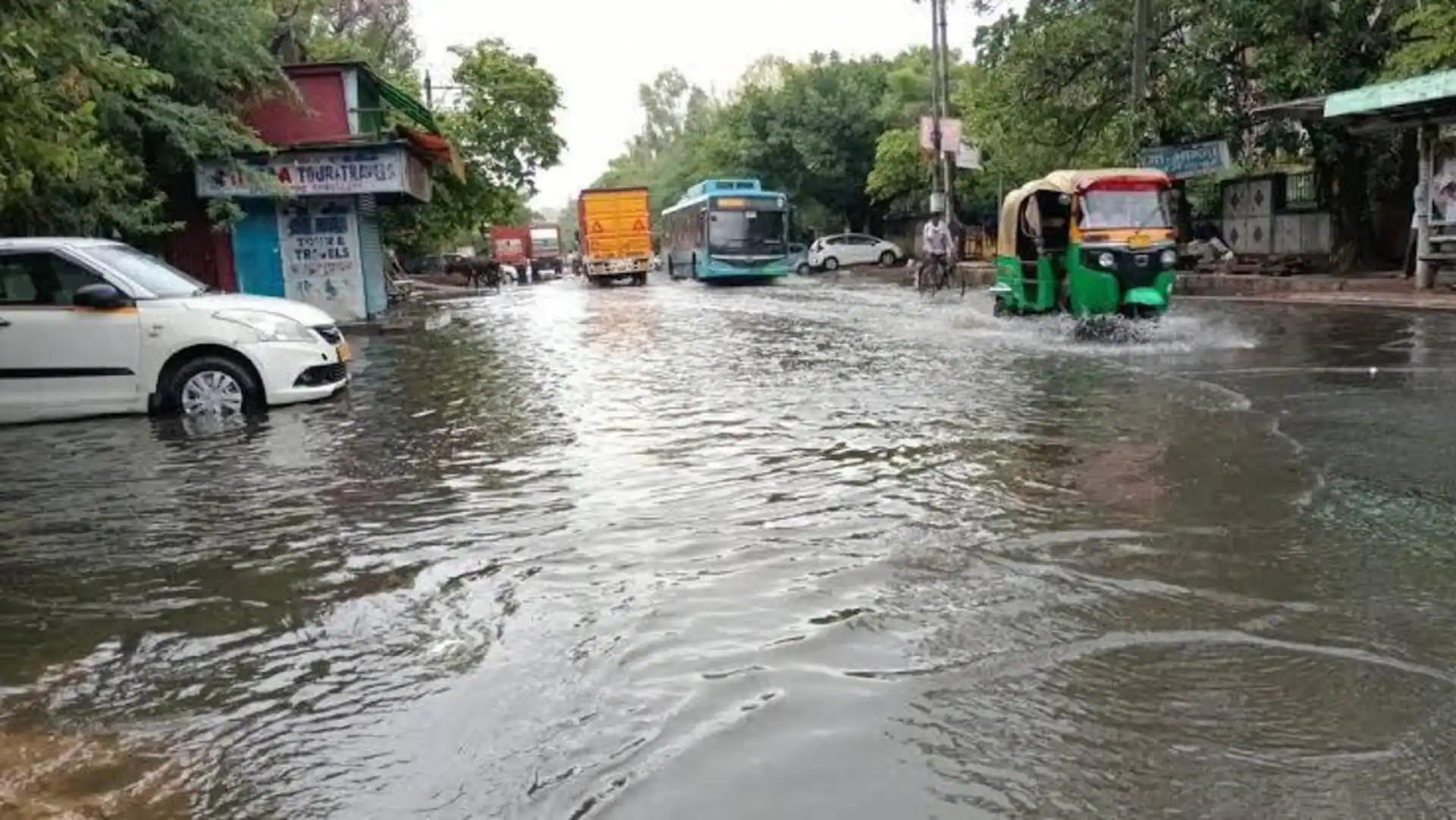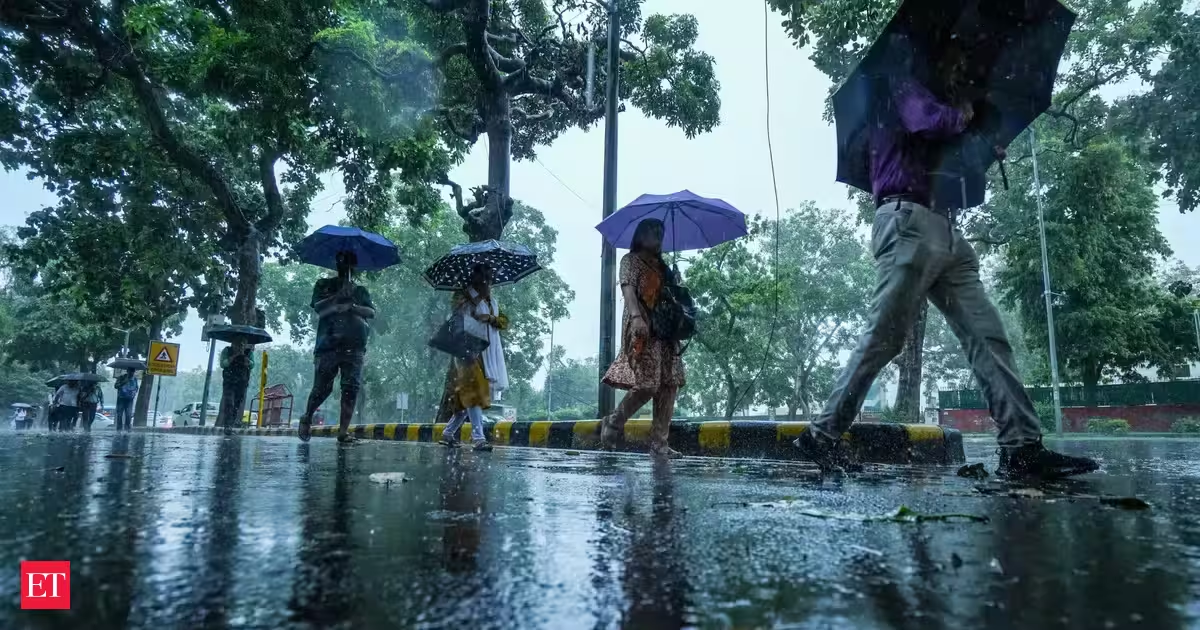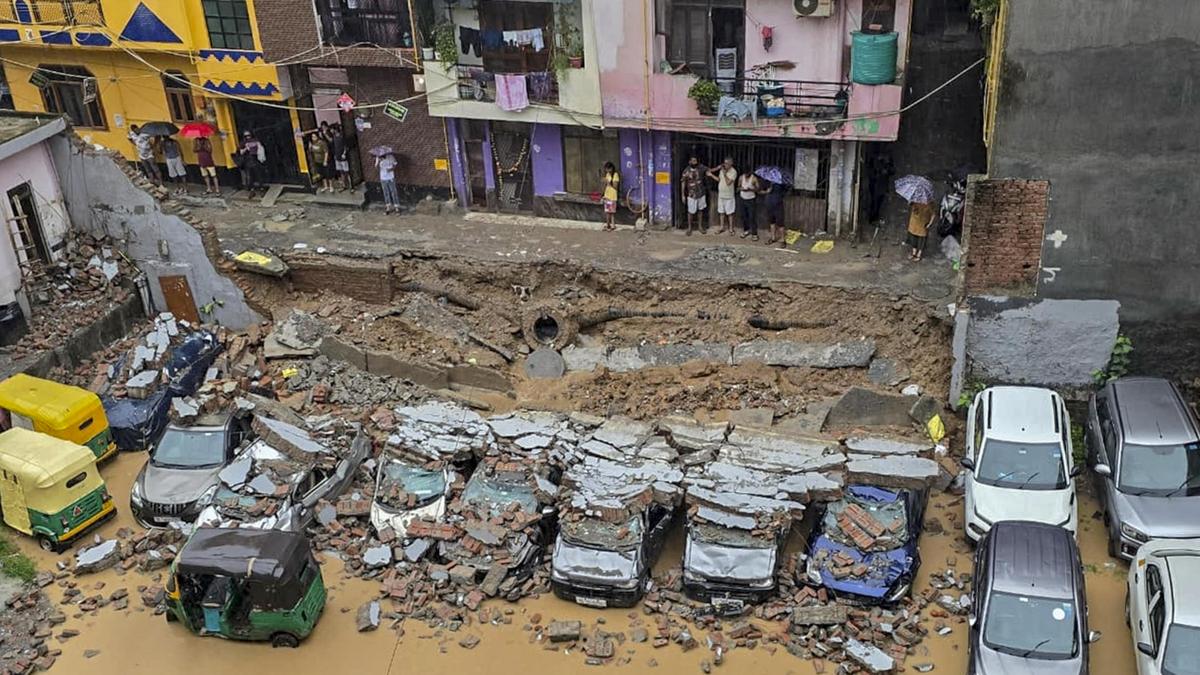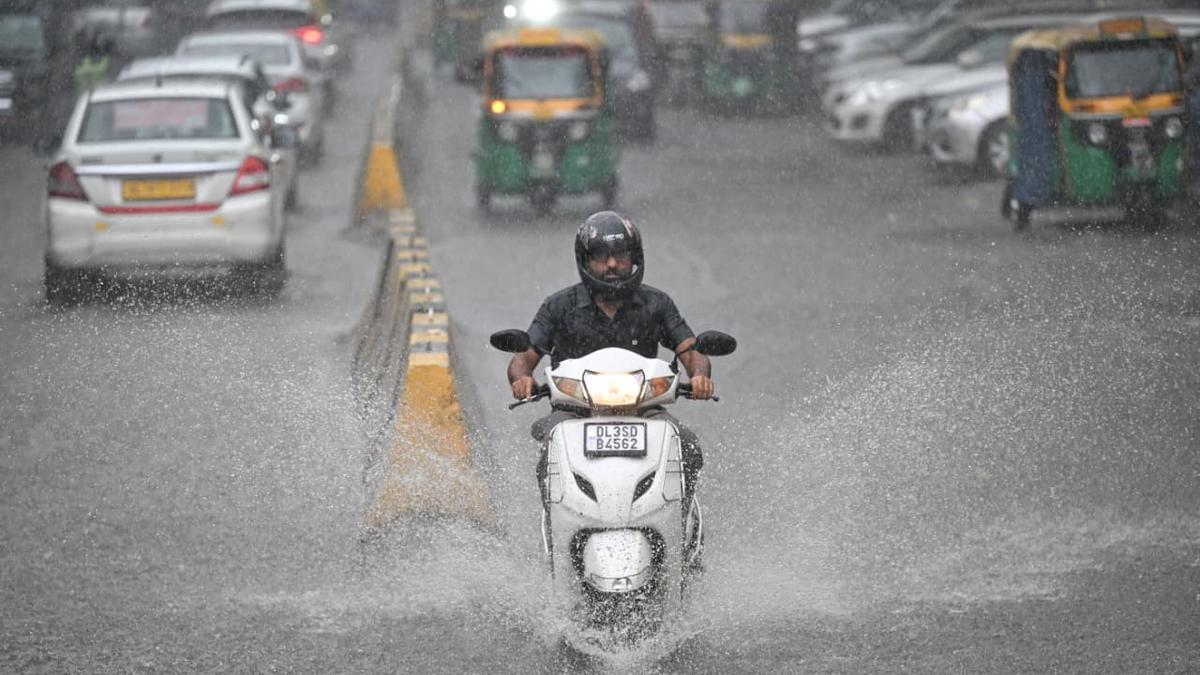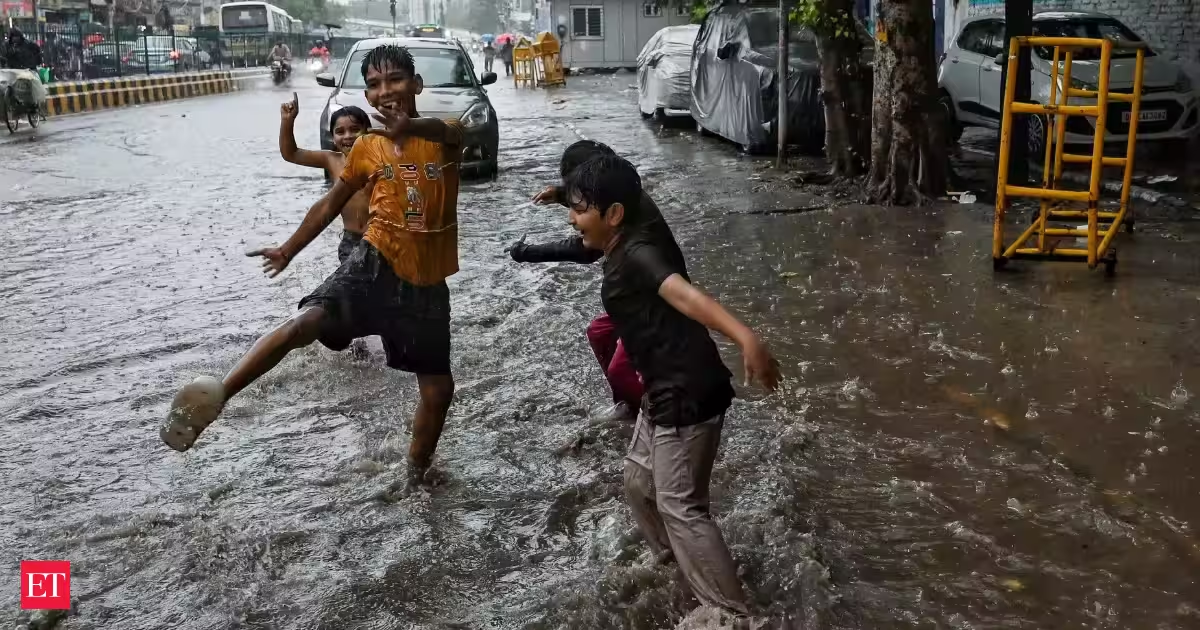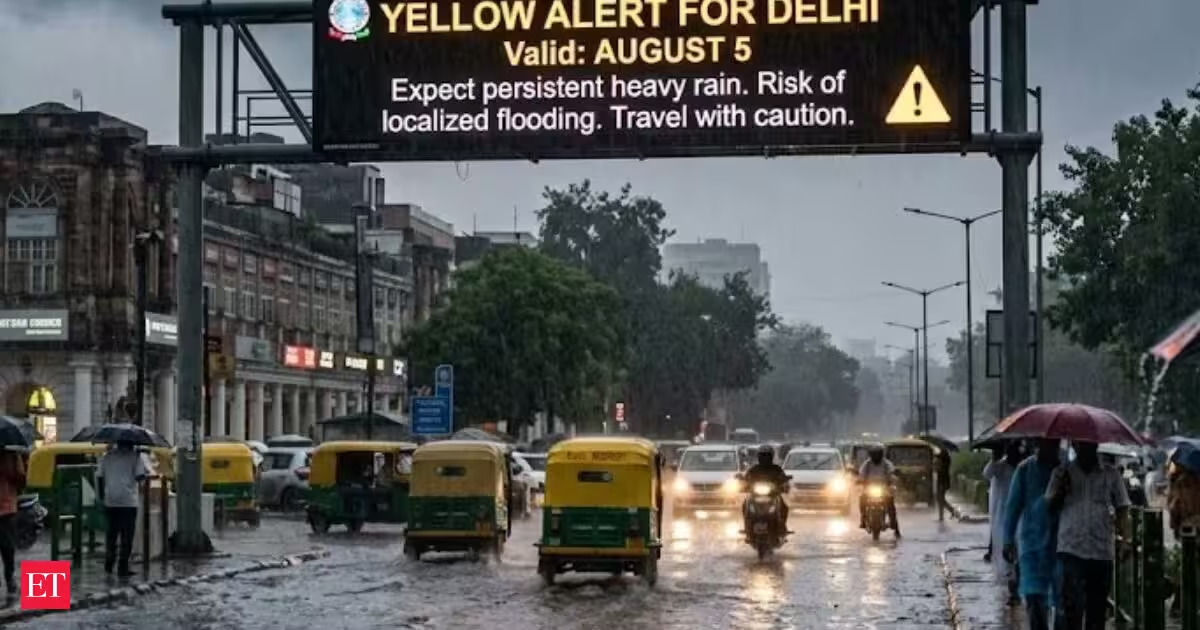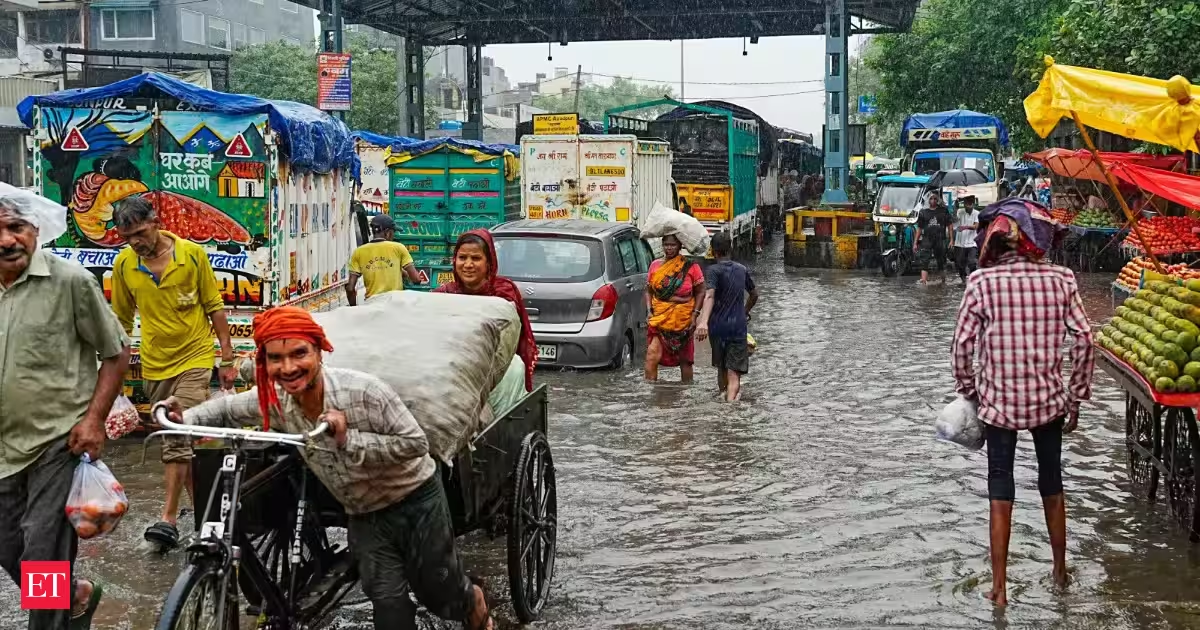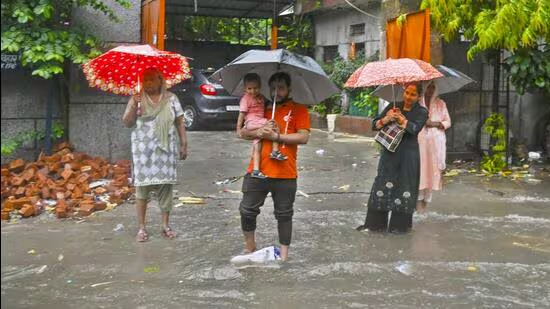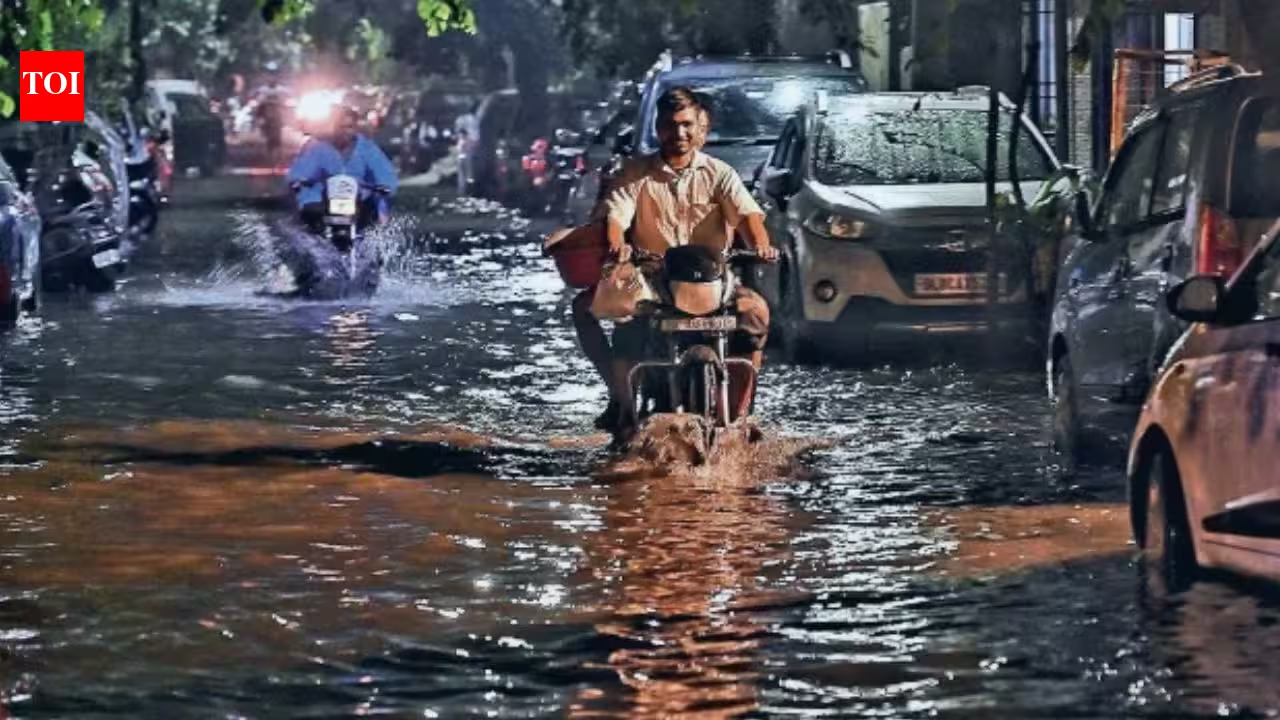
Waterlogging is particularly harmful in Delhi because a few vulnerable spots can disrupt movement across large areas of the capital.NEW DELHI: Delhi has seen a very rainy start to August, with Safdarjung recording 127mm of rain in the first seven days—making it the wettest first week of August in at least 16 years.Delhi records 127mm rain in first week AugustHowever, the most revealing aspect of Friday’s downpour wasn’t just the amount measured; it was what happened when the rain hit the ground. Streets turned into pools, underpasses flooded, traffic crawled, and what should have been 20-minute trips suddenly stretched to over an hour.Heavy rain triggers widespread waterlogging, traffic disruptions across Delhi (PTI Photo)When the city struggled with the aftermathFriday marked the fourth straight rainy day in the capital, with varying intensity across neighborhoods. Between 8:30am and 8pm, Pushp Vihar received 147.5mm and Chhatarpur got 131mm, while Aya Nagar and Palam recorded 87.4mm and 88.7mm respectively. Safdarjung received 77.1mm between 8:30am and 5:30pm. These figures explain why the impact was especially severe in south and southwest Delhi, where several areas reported rainfall well above the IMD’s threshold for heavy rain.Delhi records wettest August first week in 16 yearsHowever, the issue was not just that Delhi experienced heavy rain; it was that large amounts of water accumulated faster than many areas could drain it. Mehrauli-Badarpur road (MB road) in southeast Delhi had nearly two feet of water, and the Okhla underpass towards Ashram was flooded, with seepage reported from its roof.Gurgaon also reels under heavy rain, traffic disruptionsWaterlogging was noted in Chhatarpur Farm, Mahipalpur, Sainik Farms, Vasant Vihar, Vasant Kunj, Malviya Nagar, Greater Kailash II, and Sangam Vihar, while major roads like Dhaula Kuan, Mathura Road, Nehru Place, DND Flyway, Kalindi Kunj, and Ring Road were severely affected.A city can handle heavy rain, but it struggles when roads are unusableWaterlogging is particularly harmful in Delhi because a few vulnerable spots can disrupt movement across large areas of the capital. The PWD received complaints from 22 locations by 6pm, while the NDMC had 15 waterlogging complaints, along with reports of trees and power issues. Commuters reported that the situation on the ground was much worse than indicated. In Greater Kailash II, residents described local roads as rivers. One commuter shared that a short stretch from the metro to M Block market took over an hour.The recurring nature of these trouble spots is possibly more significant than Friday’s rainfall record. Sadar Bazar flooded again, with traders noting that water entering shops had become a regular issue every monsoon. Residents in Krishna Nagar complained that the city’s old drainage system had failed, while Sangam Vihar’s internal roads were once more badly hit. These experiences highlight a problem that pumping water out after major rainfall cannot fix: many parts of Delhi remain structurally weak against heavy rain.Officials suggest some improvementCivic agencies do have stats indicating some areas have improved. In a review meeting, the lieutenant governor reported that waterlogged spots across the city had decreased to 65 during the current monsoon as of August 5, down from 194 in 2024 and 169 in 2025. Areas frequently affected dropped from 53 in those years to 20 this year. Calls to traffic-related helplines fell from 701 in July 2025 to 572 in July 2026, while social media complaints dropped from 1,792 to 1,653.Yet, Friday’s events show why these improvements must be judged against the severity and distribution of specific rain events. The PWD stated that preventive measures, better drainage, and constant monitoring helped keep some vulnerable spots, including the Jakhira underpass, accessible despite continuous rain. The government also attributed some flooding to areas where drainage and infrastructure work was ongoing. However, for commuters stuck on flooded roads, the difference between a temporary construction issue and a long-term drainage problem hardly matters when a simple trip turns into a lengthy ordeal.Gurgaon shows the problem extends beyond Delhi’s bordersThe disruption affected areas deep within the NCR. Gurgaon received about 60mm between 8am and 5pm, after which traffic worsened sharply during the evening rush. Vehicles moved slowly along the Delhi-Gurgaon Expressway and major roads, while waterlogged areas in Udyog Vihar affected connecting routes. Around 40 vehicles broke down, and a trip from Rajiv Chowk to IFFCO Chowk that usually takes 15-20 minutes took nearly an hour. Another commuter noted that a 30-minute trip stretched to 90 minutes.The data also highlights that this was not a one-off rainfall event. Safdarjung's 127mm in the first week of August is already more than half of Delhi’s normal rainfall for the entire month, which is 233.1mm. July ended with a 23% rainfall surplus after June had a 44% deficit. Therefore, the weather pattern shifted sharply in just a few weeks—from a dry June to a rainy July and an exceptionally wet start to August.One clear benefit of the rain is that Delhi’s air quality stayed in the satisfactory range for eight days straight. The AQI was 63 on Friday, improving from 74 on Thursday as rain removed pollutants from the air. However, the drawbacks were visible everywhere. Trees fell, homes and walls collapsed, roads flooded, and commuters lost hours stuck in traffic. Delhi’s real monsoon challenge isn’t just about how much rain falls; it’s whether the city can absorb, drain, and navigate through it once it hits the ground.PollIn your opinion, is the government response to flooding adequate?Yes, very adequateNo, not adequate3k+ users shared opinion today 5k+ users already voted today Share Opinion
Friday’s rain in Delhi wasn’t just about rain; it was about what happened after
NEW DELHI: Delhi has seen a very rainy start to August, with Safdarjung recording 127mm of rain in the first seven days—making it the wettest first week of August in at least 16 years.
908 words~4 min read