The agreement with his employer in Greece seemed perfect. He was to come from Kenya through Greece’s labor migration program to work as a cleaner at a tourist resort in the Peloponnese. The agreement provided for a daily wage of €39 and a five-day, 40-hour workweek. The reality he encountered when he got to Greece, however, was much different.
“They kept me on as a ‘ghost’ worker,” the young man said in an email sent in June to a nongovernmental organization in Athens to seek help over his predicament. Instead of eight hours, he worked more than 14 hours a day in different roles without additional compensation.
“The employer has only paid me €300 and given me four days off in two months. He’s paid me in cash, so I don’t appear anywhere in the system. I’m trapped in this remote place,” he said.
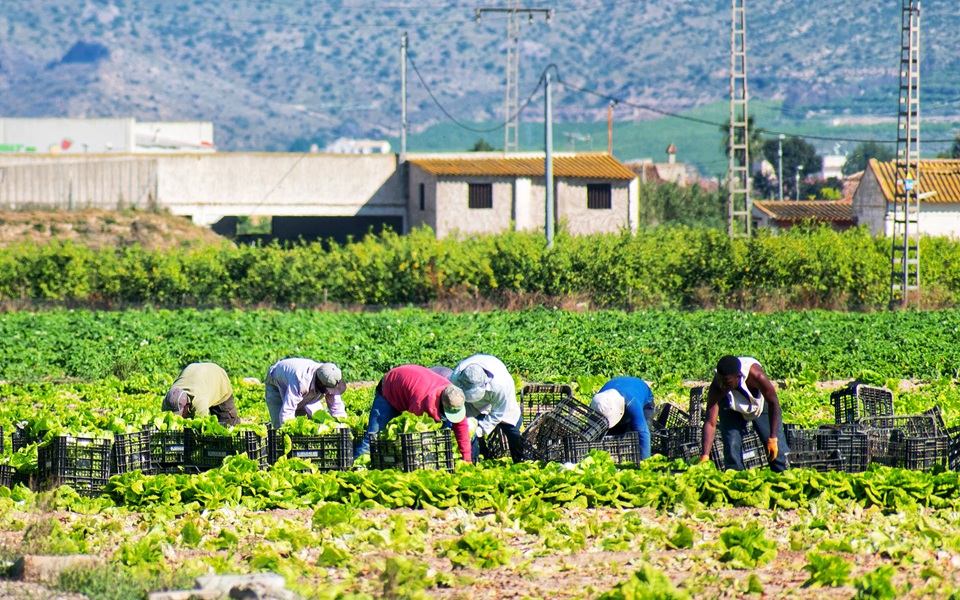
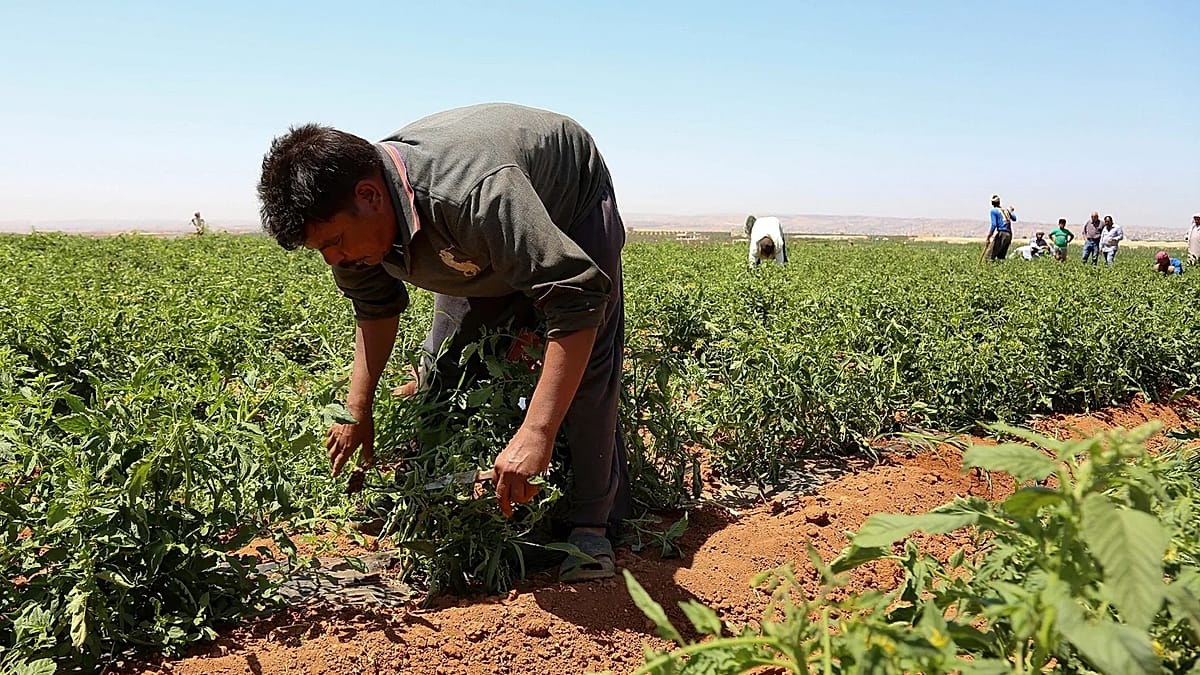
The organization, Generation 2.0 RED, received a similar complaint last month from a Nepalese national working in Karditsa. He, too, had come to Greece legally through the government’s migrant labor program to work as a seasonal farm laborer. The terms of his employment, however, were illegal. He claimed he found the job through a Pakistani intermediary and that the Greek employer had held onto his passport and never paid him the agreed wages.