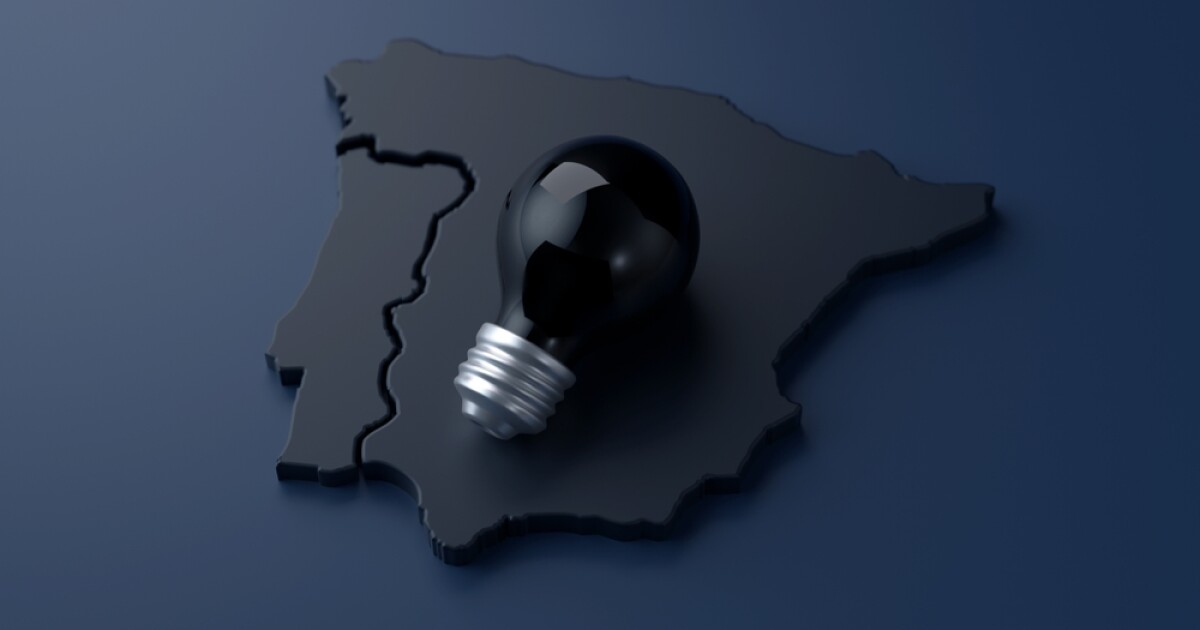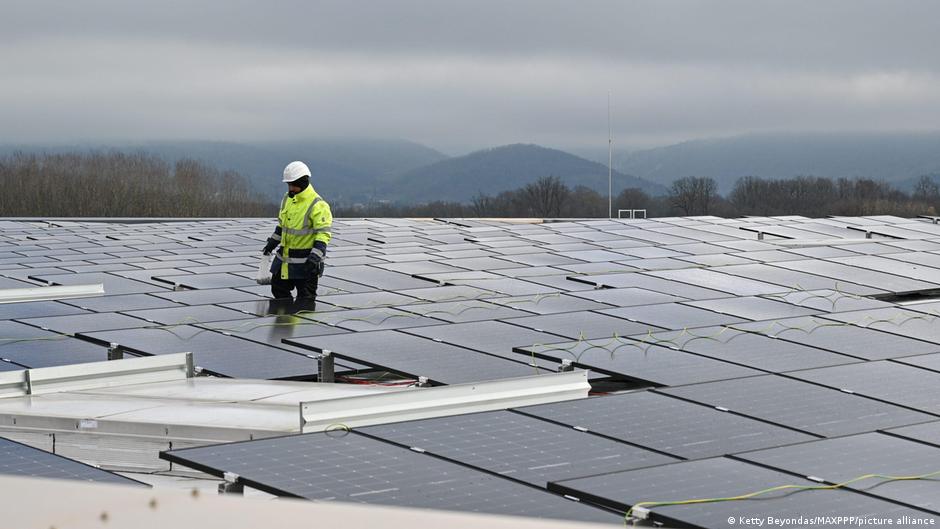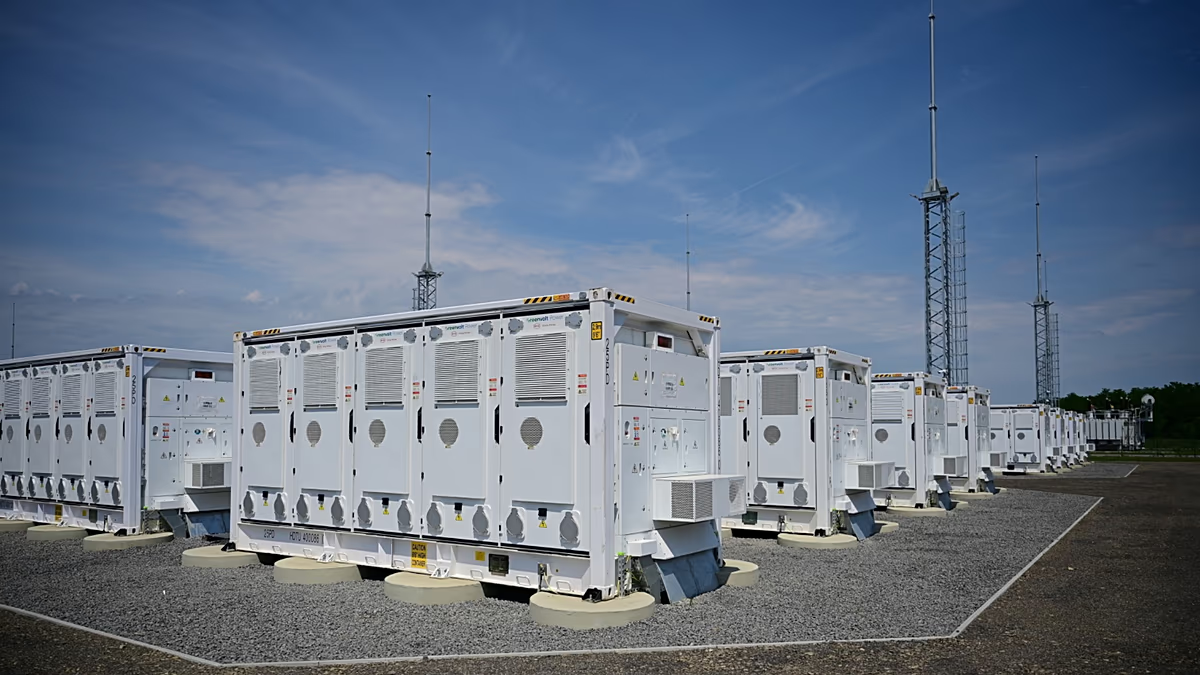
Batteries have been touted as a “crucial technology” in the EU’s clean energy transition, but have recently been hit with concerns over blackouts.
As the bloc’s share of renewable energy is estimated to reach around 69 per cent by 2030 and 80 per cent by 2050, the need for flexible storage is rapidly increasing.
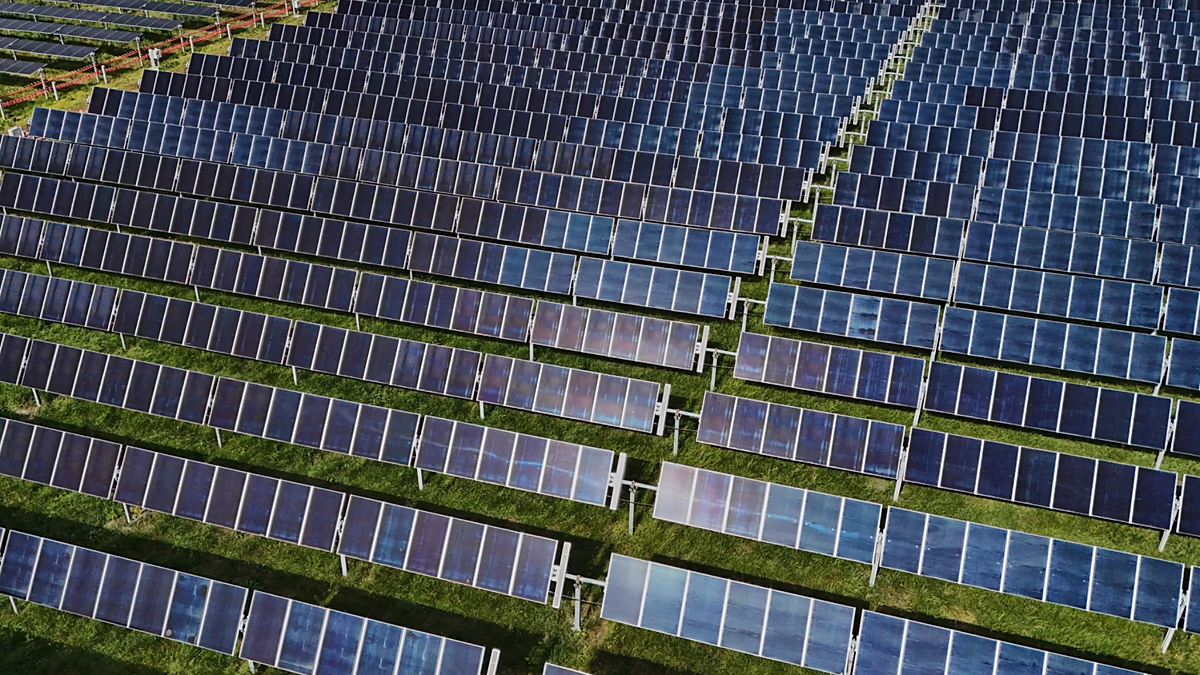
Europe already wastes millions of euros worth of wind and solar energy due to grid constraints and their inflexible nature. When supply outstrips demand, this can trigger negative electricity prices.
Many experts have identified battery energy storage systems (BESS) as a silver-bullet solution to this issue. The logic is simple: batteries can store electricity produced by renewables during the day (when consumption tends to be low) and release it to households when demand increases in the evening.
It’s why Europe installed 36 GWh of new BESS in 2025, bringing total operational capacity beyond 100 GWh for the first time. This is enough to power roughly 75 million homes.