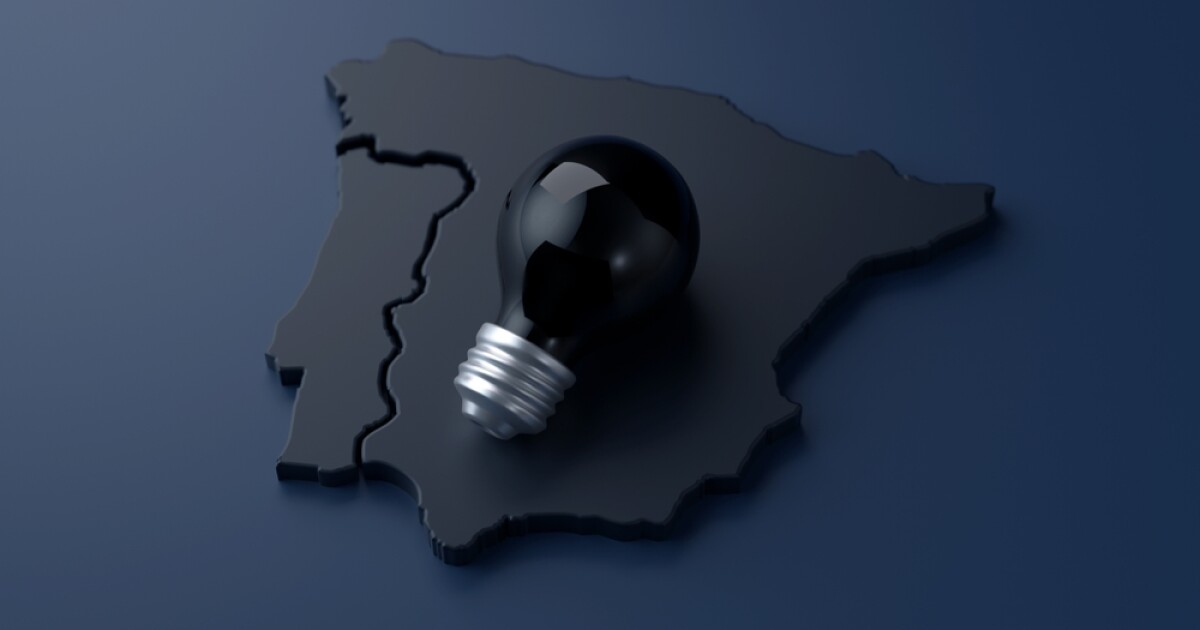
Growing up in Africa, energy access and reliability were never guaranteed — and certainly not taken for granted. When my hometown faced a five-month blackout in the early 1990s, solar-powered, battery-stored lighting enabled my family to maintain our quality of life in the heart of darkness. Fast forward to today, and the challenge of energy reliability is no longer confined to remote regions. The recent large-scale power outage that swept across Spain, Portugal and parts of southern France is a sharp reminder: Grid stability is the foundation of modern life, and maintaining it is a growing challenge.
While investigations into the precise cause of the Iberian outage are still under way, battery energy storage systems (BESS) have emerged as a critical — yet often under appreciated — part of the solution. Acting as a shock absorber for the electricity grid, BESS plants can support the grid as it is pushed to the edge, acting faster, more efficiently and more sustainably than traditional technologies.
Extreme Events Are Stress-Testing Global Grids
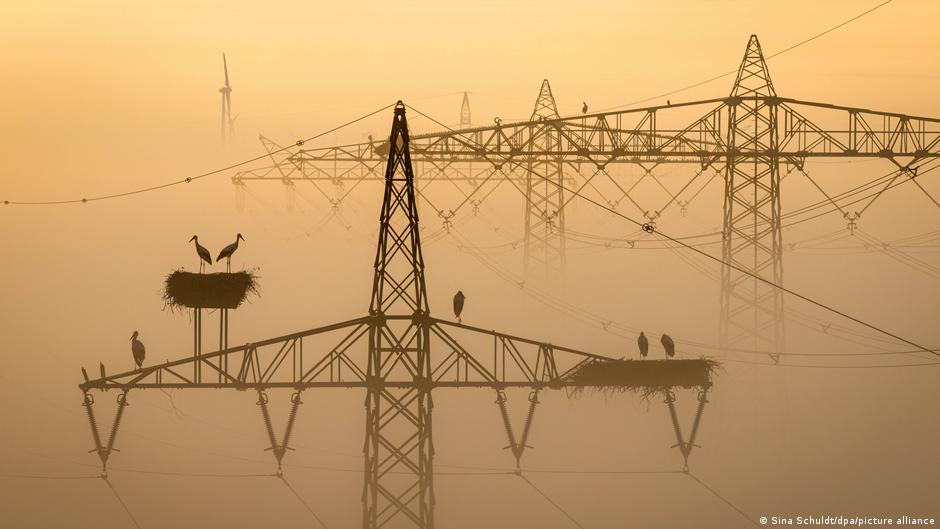
The Spain-Portugal outage isn’t an isolated event. Around the world, energy systems are being pushed to their limits by a growing combination of factors: more frequent extreme weather, lack of sufficient inertia, accidents or surging demand from sectors like data centers and artificial intelligence. Many electricity grids around the world are struggling to keep pace amid the rapid transition toward cheaper renewables. Outdated infrastructure faces significant challenges in efficiency and reliability as more renewables are integrated into the grid. Modernizing these grids is essential to ensure a stable and reliable power supply while advancing toward a decarbonized future.