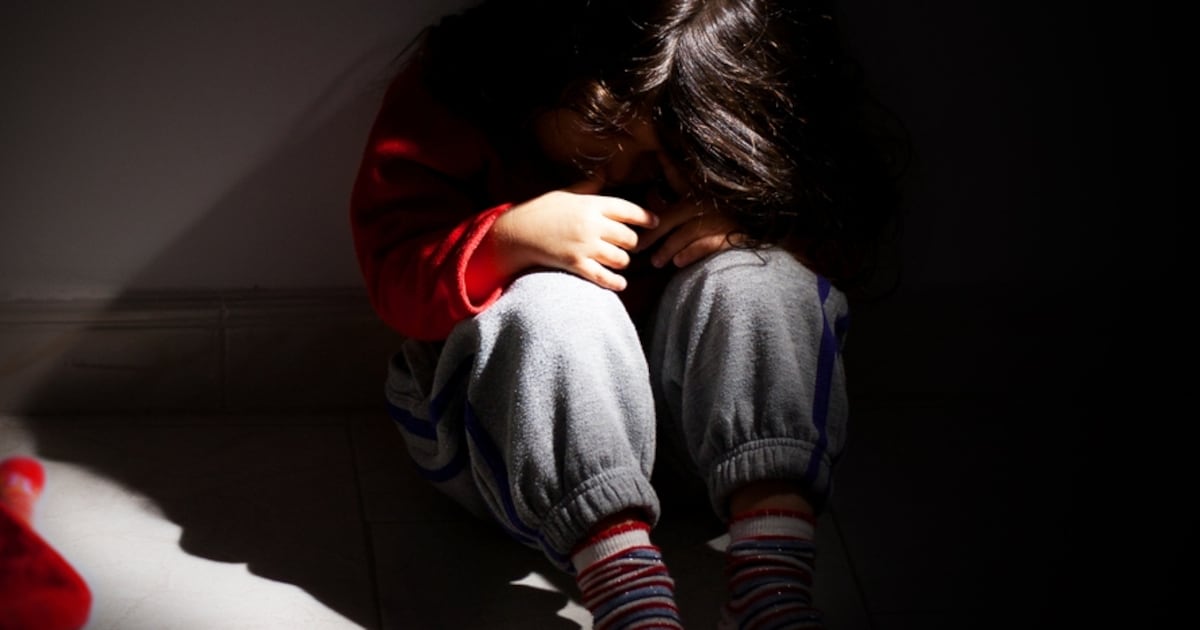
Think of three children. One is not yet 13, but has already experienced parental conflict, domestic violence and physical punishment. His dangerous, chaotic existence includes possible sexual exploitation. Another child suffers coercive control by a drug dealer. At times, threats have forced his family to move out of their home for their own safety. The last child has been in care since birth. She self-harms, assaults staff and absconds with terrifying regularity, given that she, too, is considered at high risk of sexual exploitation.
Unsurprisingly, Judge Emily Egan found Tusla in contempt of court for failing to provide these three children with timely and secure special care placements, even though placements were eventually found.
Although 26 designated special care beds exist, only 14 were operational in July due to a lack of staff.
Less than two weeks before the contempt finding, Judge John Jordan declared that if Tusla were a parent in the community, it would be prosecuted by gardaí and pursued by social workers for exposing the most vulnerable children to extreme risk. Counsel for Tusla, Sarah McKechnie, could only reply “That’s correct, Judge.”
While Tusla’s failures are many, the ultimate responsibility for the chaotic state of residential care lies with successive governments.