Get the latest news and updates from Dawn
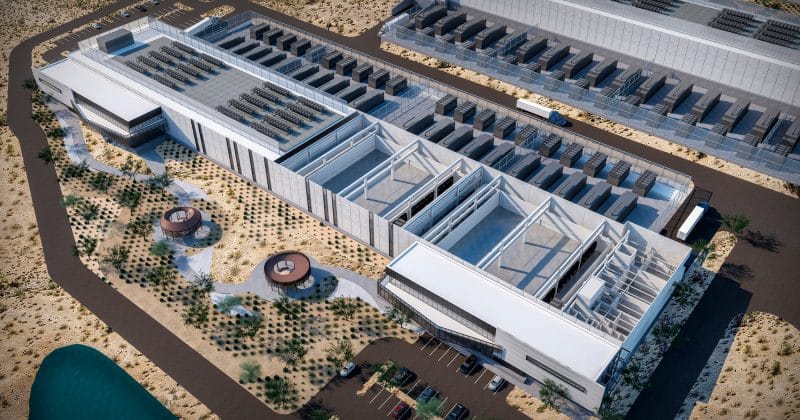
PAKISTAN’S announcement that it would allocate 2,000 megawatts of electricity for Bitcoin mining and AI data centres has triggered a predictable debate: can the country afford to supply that much power? It is an important question, but not the most useful one. Bitcoin mining, AI training and real-time digital services do not exactly place identical demands on the electricity system.
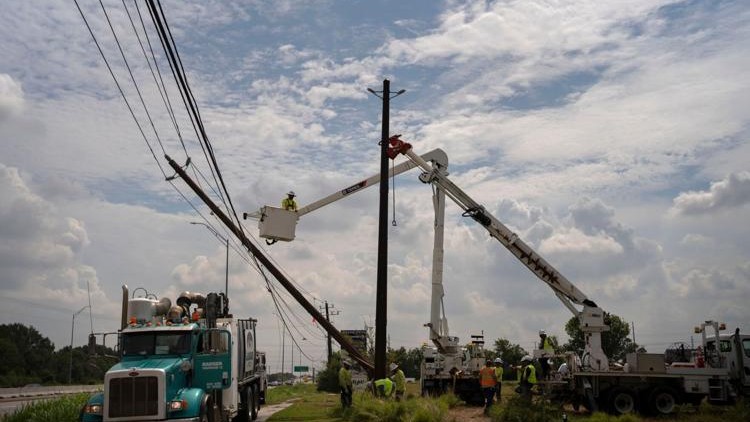
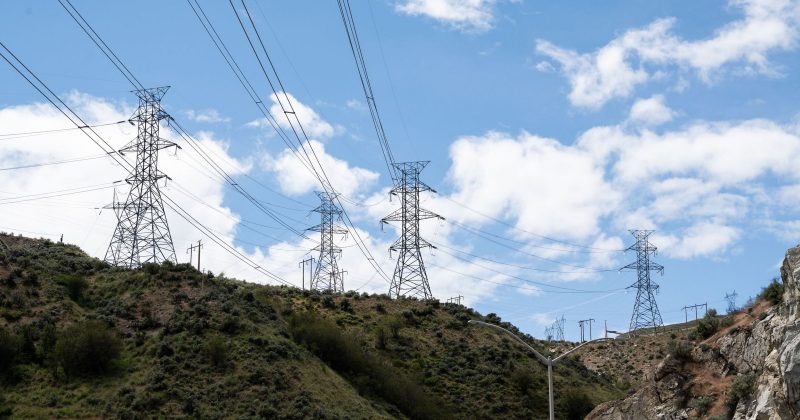
Pakistan’s electricity challenge is about more than the amount of generation capacity available. It is about when and where electricity is needed, whether the network can deliver it reliably, and how that demand is managed during periods of stress. During the hottest months, cooling demand pushes the grid towards its limits. At other times, generation capacity remains underused. But nationally available capacity does not automatically translate into reliable electricity at the location and hour a data centre requires it. Transmission constraints, substation capacity and power quality matter just as much as the headline allocation.
The better question is this: how should this new demand be designed and integrated into the electricity system from the outset?
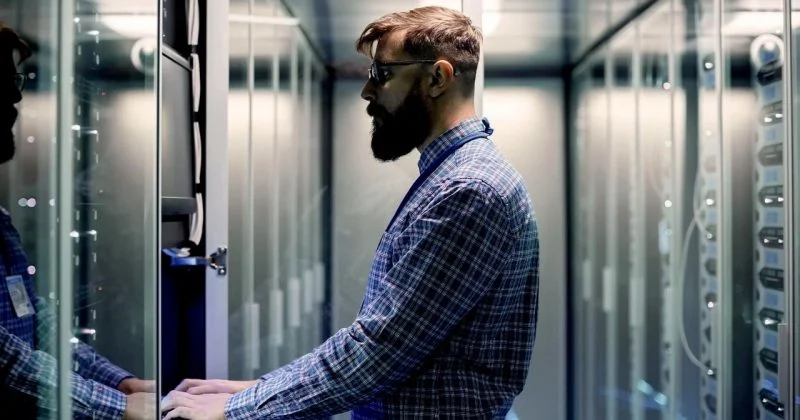
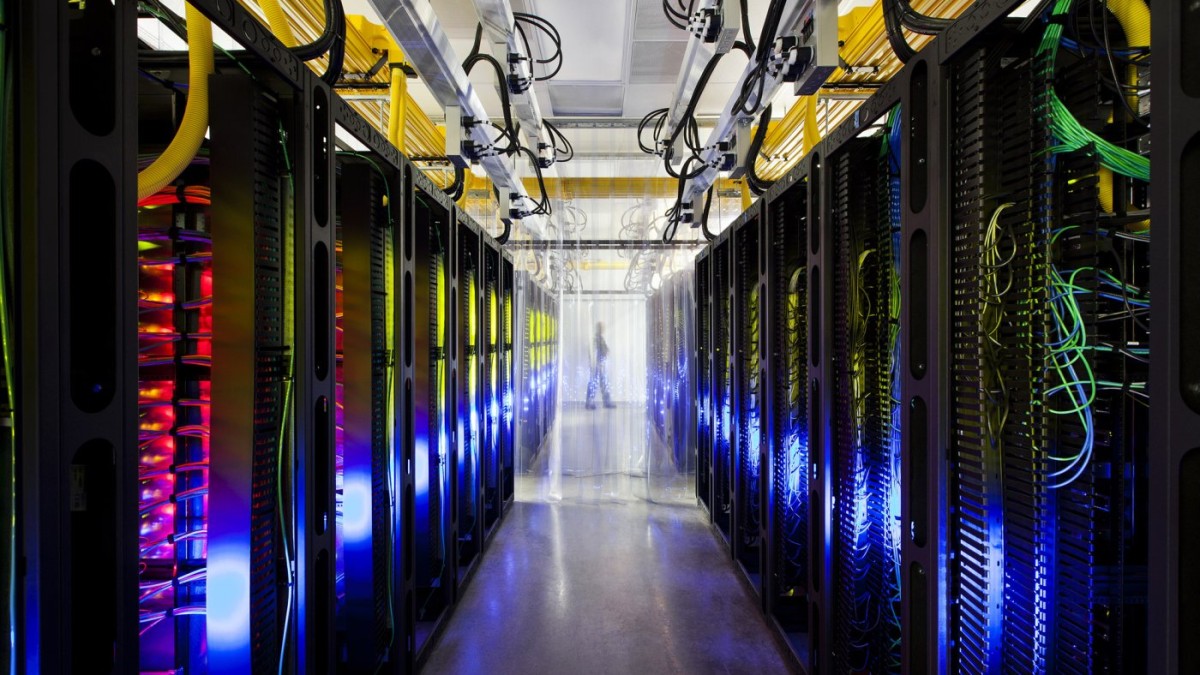
Data centres are not ordinary consumers. Their location, cooling systems, computing equipment and grid connections are decided before construction begins. That gives Pakistan a rare opportunity to shape a major new category of demand before it becomes embedded in the system. But doing so requires recognising that not all computing demand is the same. Some services are highly sensitive to delay. User-facing AI applications, financial platforms and communications systems may require continuous availability. Their loads cannot simply be switched off whenever the grid comes under pressure. Other workloads may offer more flexibility. Certain forms of data processing and model training can be scheduled within broader time windows, distributed across locations or paused at planned checkpoints, depending on how the systems are designed.