Support CleanTechnica's work through a Substack subscription, on Patreon, or on Stripe. Help us produce all of the high-quality, original content we publish week after week despite the challenges of content-scraping AI, antisocial media, inflation, and other hurdles.
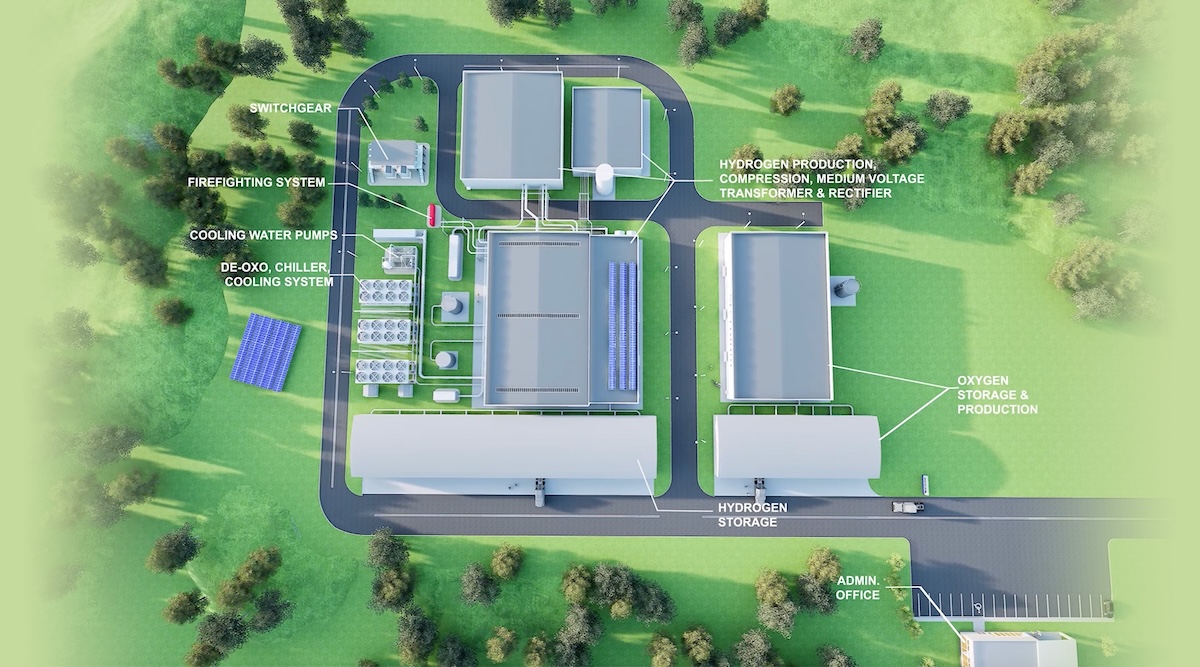
Green hydrogen stakeholders in the US shed many a tear after US President Donald Trump shredded a $7 billion, Biden-era program aimed at expanding and decarbonizing the US hydrogen supply pipeline. Still, signs of life keep sprouting up in niche applications, and the startup Aternium is plumbing deuterium for just such an opportunity.
The Hydrogen-Deuterium Connection
For those of you new to the topic, hydrogen is the grease that greases the wheels of modern industrialized economies, playing a featured role in key industries including refining and metallurgy along with food processing, fertilizer, and pharmaceuticals. However, hydrogen is also a decarbonization conundrum. Almost all of the hydrogen produced in the US comes from natural gas. The global supply chain is similar, consisting mostly of natural gas with a portion of coal, too.
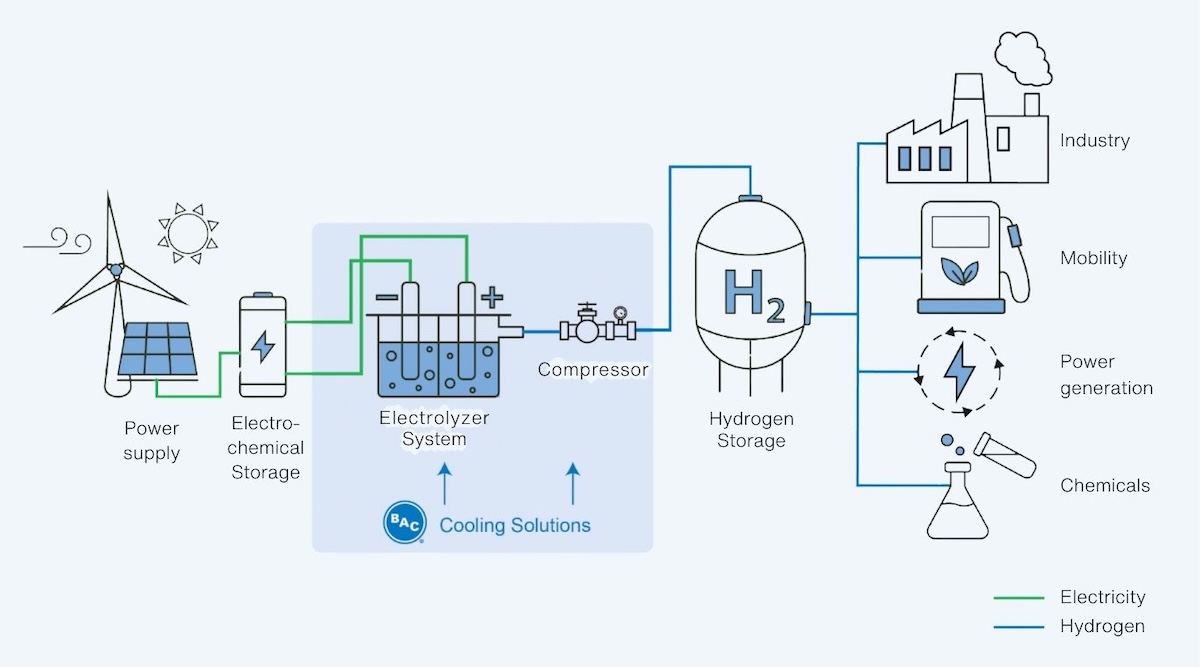
On the plus side, alternatives have been emerging. The Biden-era “Regional Clean Hydrogen Hubs” program was both a decarbonization measure and an effort to improve the security of the hydrogen supply chain by jumping on new alternatives. It was funded by the 2021 Bipartisan Infrastructure Law, which earmarked some of the funds for natural gas with carbon capture. Most of the funding pot, though, went to projects that leveraged regional resources including biomass and renewable energy, with the renewables being deployed to push so-named green hydrogen from water in electrolysis systems.