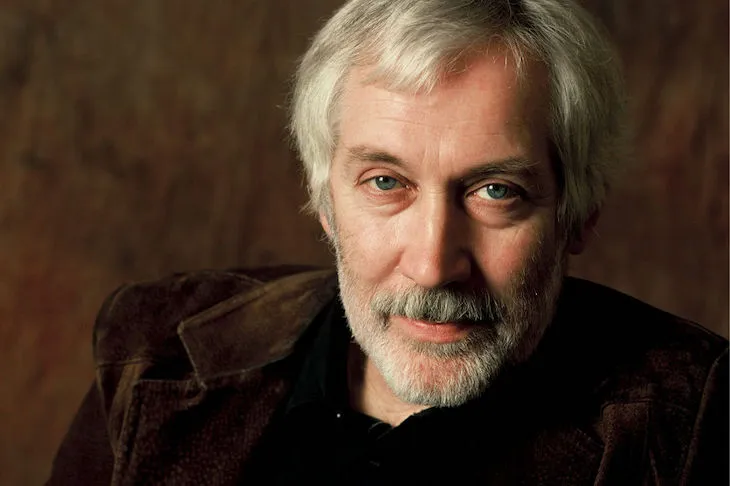
Since Russia’s invasion of Ukraine in 2022, Estonia – a potential flashpoint, we’re told, for a future Russian invasion – has been much in the news. But what do most people actually know about the country and its culture? A good place to start is the poetry of Jaan Kaplinski, who died five years ago today.
Kaplinski, born in 1941, lived through many of Estonia’s twentieth-century traumas. Great tracts of his native city Tartu were wiped out by Soviet bombing, while the country was subsumed, brutally, into the USSR. His father, a literature lecturer, died in a Stalinist gulag, his mother was blacklisted as a teacher, while he himself was dogged for decades by the KGB.
Forests have been the Estonians’ defence in times of peril, their constant means of escape
Yet the poems he wrote throughout established him, in composer Arvo Pärt’s words, as ‘a great cultural treasure of Estonia,’ a writer whose work was translated into numerous languages and who was nominated for the Nobel Prize.
For anyone who has spent time in that country (I lived there for two years in the 1990s), no writer is better at evoking the atmosphere of Estonia and the reserved, self-sufficient, sometimes bloody-minded spirit of its people. He describes the winter Baltic beaches, the billowing spring, the kitchen-gardens and beehives, and takes you into those houses which smell inside of old Estonian timber and where your feet thock gently against the floor.