Eastern Ukraine’s biggest city is unsettlingly close to the Russian border and vulnerable to missile strikes, but there is a determination to maintain a cultural life, and a poetry festival is testament to the resilience and creativity of its people
T
he city of Kharkiv, just 18 miles from the Russian border, is a paradoxical mix of tended-to and broken. Public sculptures are wrapped and coddled in sandbags to protect them from missiles. Flowerbeds in parks are punctiliously maintained. The life of the streets is several notches quieter than you would expect from a European country’s second city – and yet, bookshops, coffee shops and restaurants are open and doing a steady business.
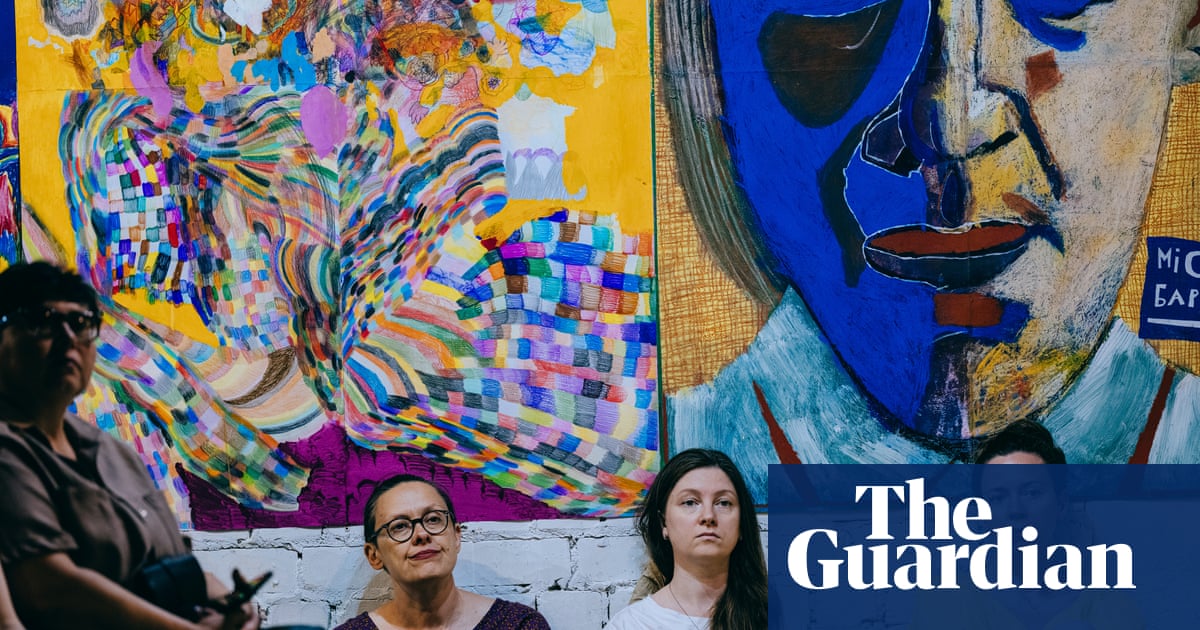
People browsing the books at Pochaina market
But the signs of Russia’s unrelenting attacks on this frontline city are omnipresent. On the roads are rows of rusted lines of the spiky metal tank obstacles known as “hedgehogs”. The magnificent 1920s Derzhprom building, a constructivist masterpiece and the architectural pride of the city, is now badly battered.