Uwais Abdullahi Maiwada, son of a Court of Appeal judge, defied expectations by turning away from a career in biochemistry and molecular biology to building a thriving fashion and lifestyle brand in Abuja. Today, his upscale fashion house and signature tea lounge attract governors, top public officials, business executives and other influential Nigerians. He spoke with Chuks Okocha about entrepreneurship, skills development, wardrobe management and his vision for creating jobs through innovation
Your journey extends beyond fashion into entrepreneurship, skills development and youth empowerment. Can you take us through how Uwais Maiwada evolved from a passion project into a multifaceted enterprise?
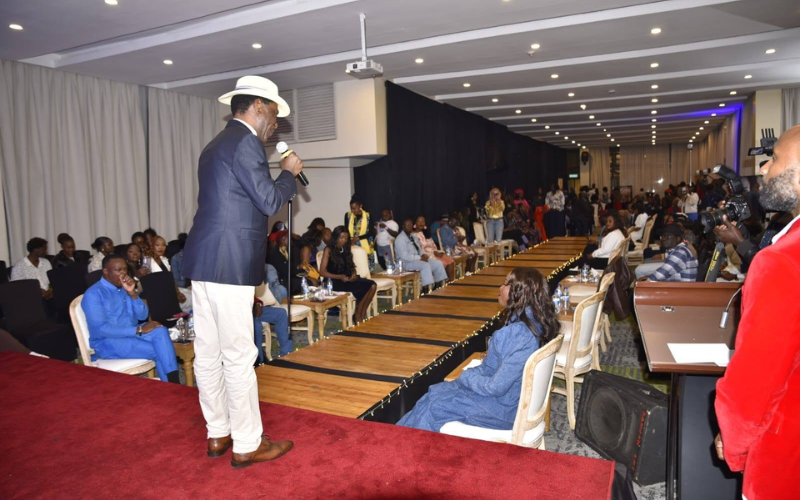
My name is Uwais Abdullahi Maiwada. I am from Keffi Local Government Area of Nasarawa State, and I am also the Magayaki of the Keffi Emirate. I ventured into fashion out of passion. The Uwais brand started in 2017 as Uwais Caps, but we did not go very far with it. I then decided to focus fully on fashion. It all started in Keffi as an experiment. I converted a gazebo in my father’s house into a small factory after buying two sewing machines. By the grace of God, we later moved to Maitama, Abuja, after gaining some experience. While in Maitama, I realised many young people wanted to become self-reliant, so we began training them in fashion skills to enable them become entrepreneurs. That also led to the establishment of the Uwais Maiwada Aid Foundation (UMAF), a non-profit organisation focused on education and skills development. On July 28, 2025, the foundation organised its first Impact Forum, which promoted the transition from classroom learning to vocational skills. We believe vocational education creates employment opportunities because acquired skills can generate income. We also empowered young women and developed proposals for state governments to establish skill acquisition centres through Public-Private Partnerships (PPPs). Our model differs from conventional skill centres because it combines a training centre with a production centre. Many skill acquisition programmes fail because beneficiaries sell the equipment given to them. Under our model, trainees move directly into production after completing their training. Through partnerships with schools, hotels, government agencies and paramilitary organisations, they already have a market for their products and services. Rather than simply empowering people with equipment, we create sustainable employment opportunities. Government can provide support, while private operators manage the centres efficiently through PPP arrangements.