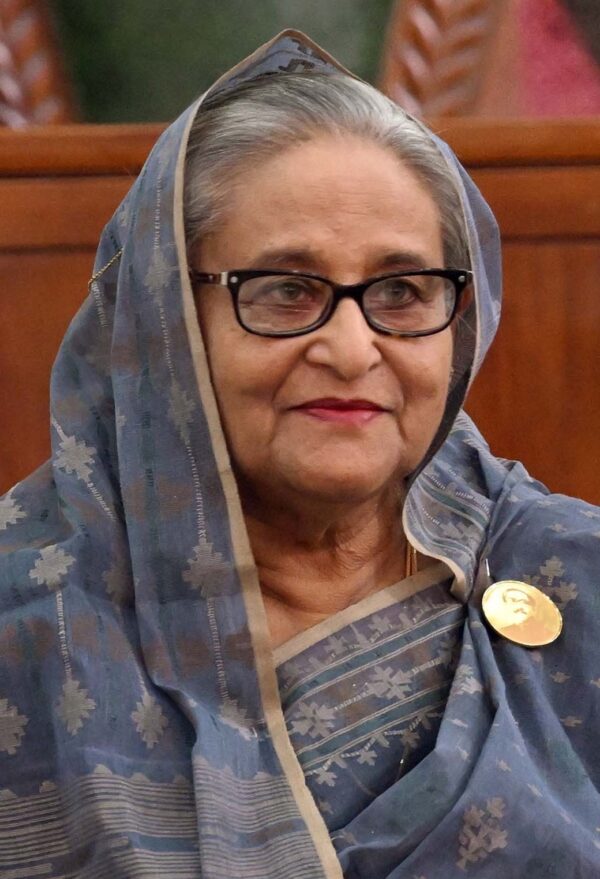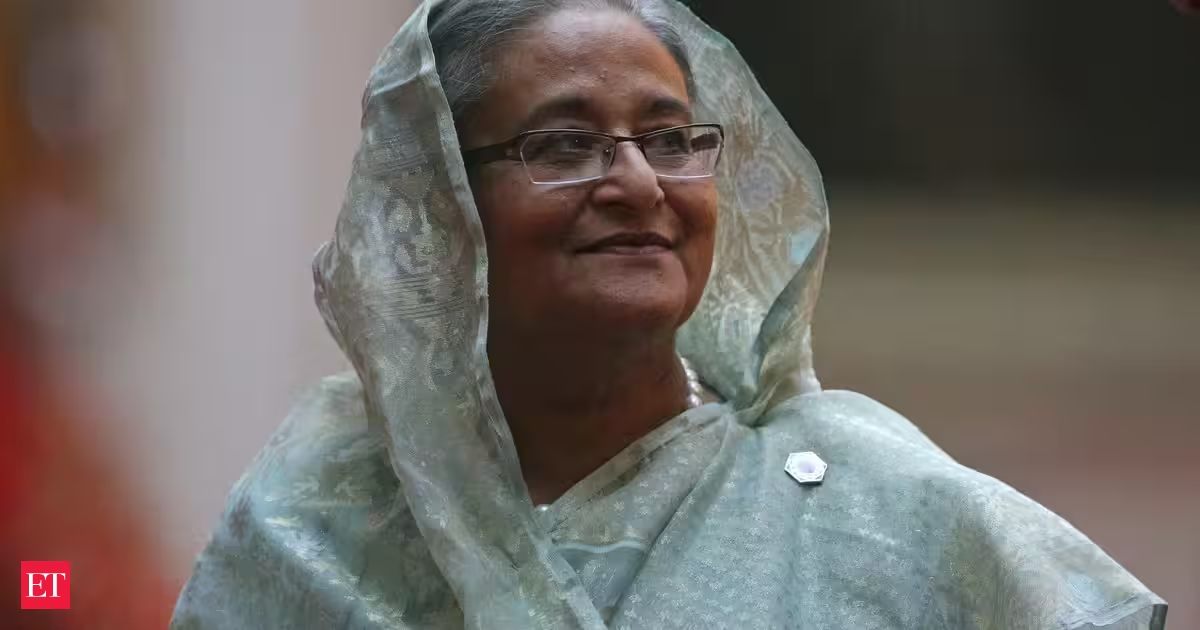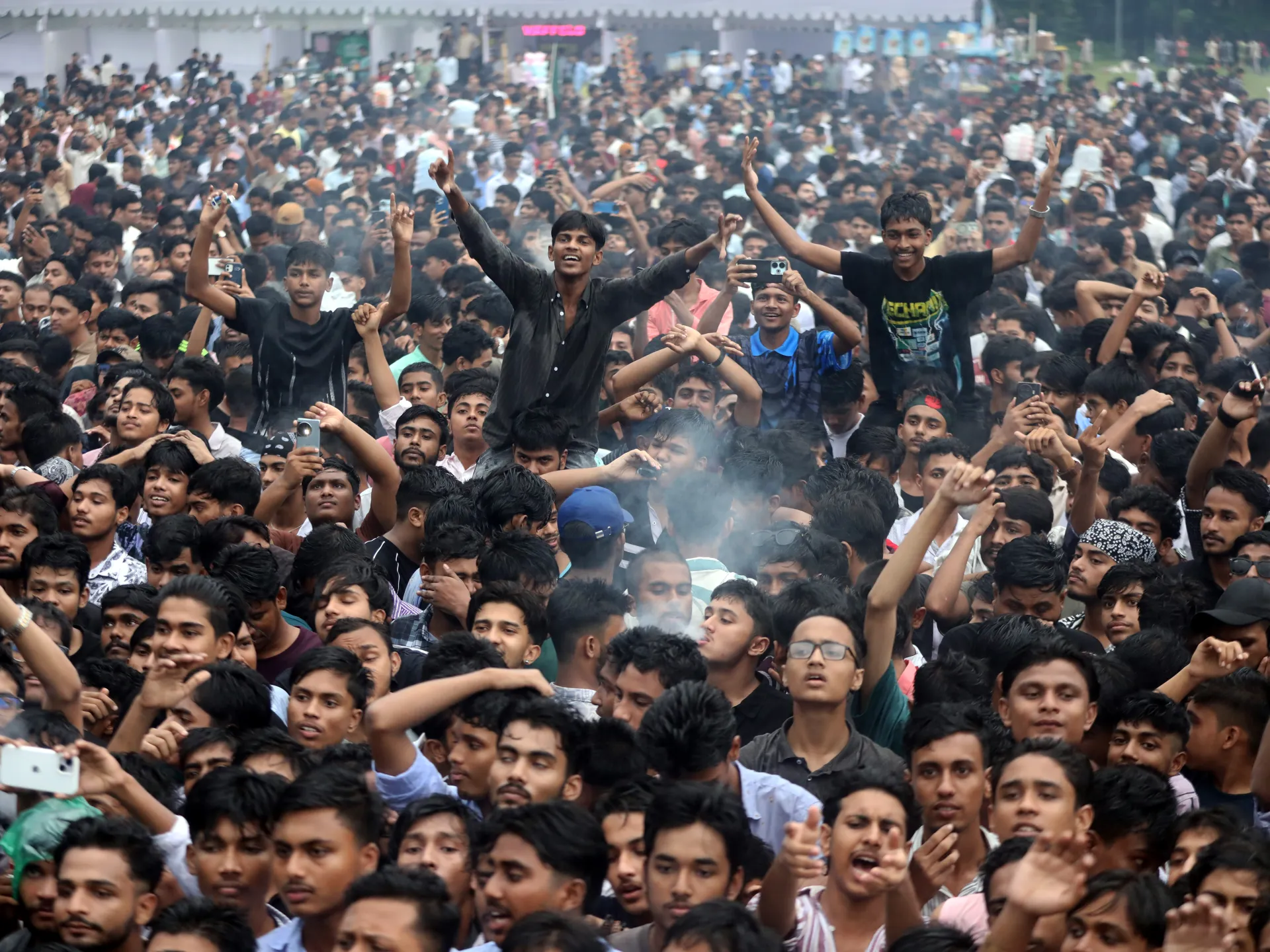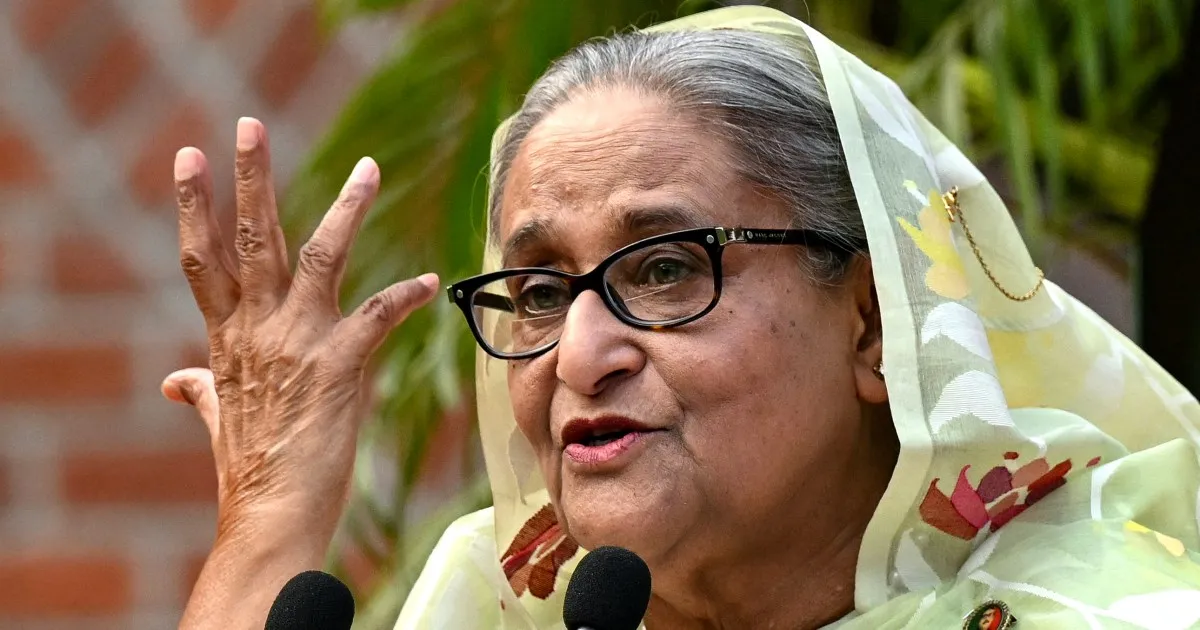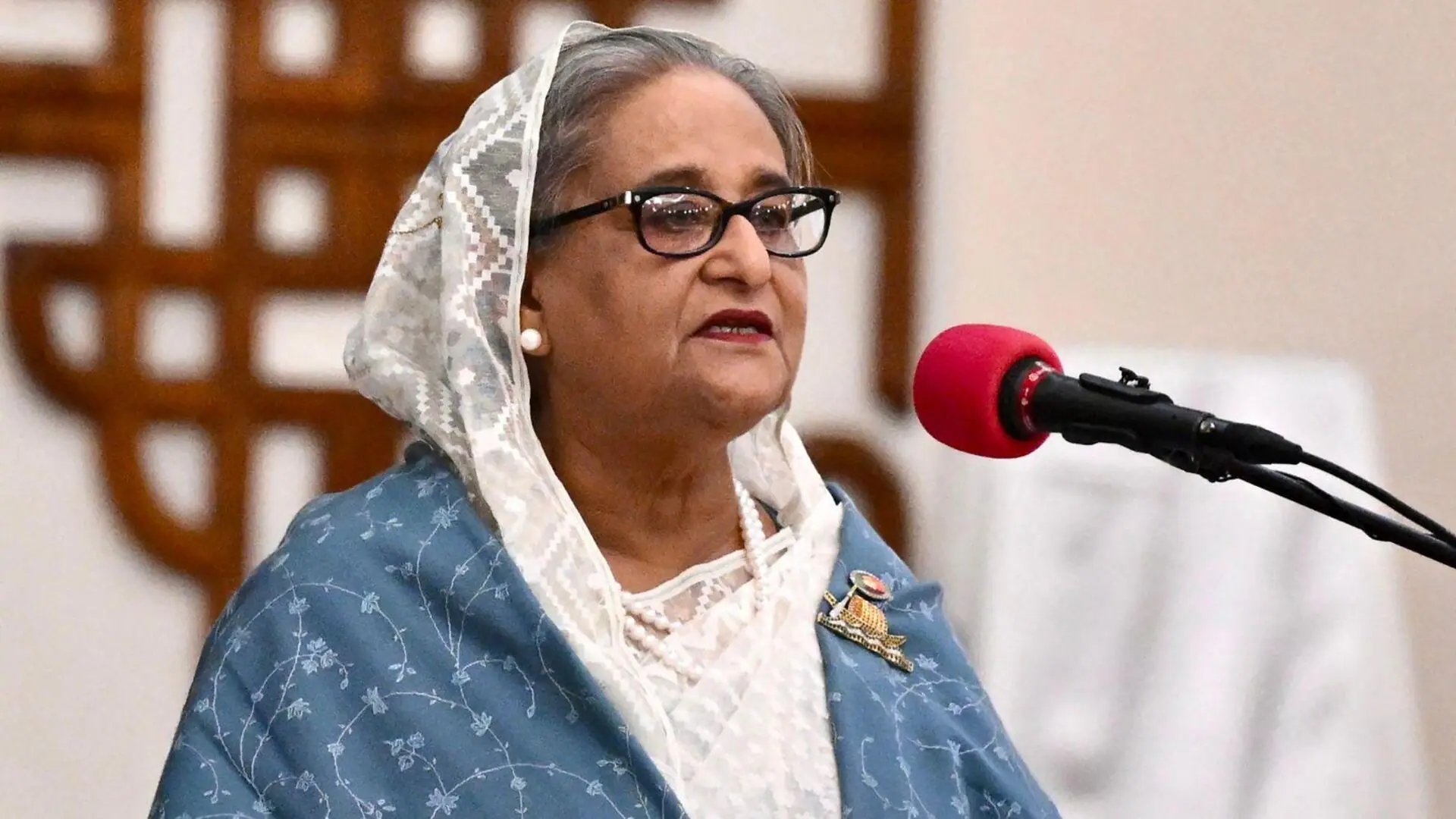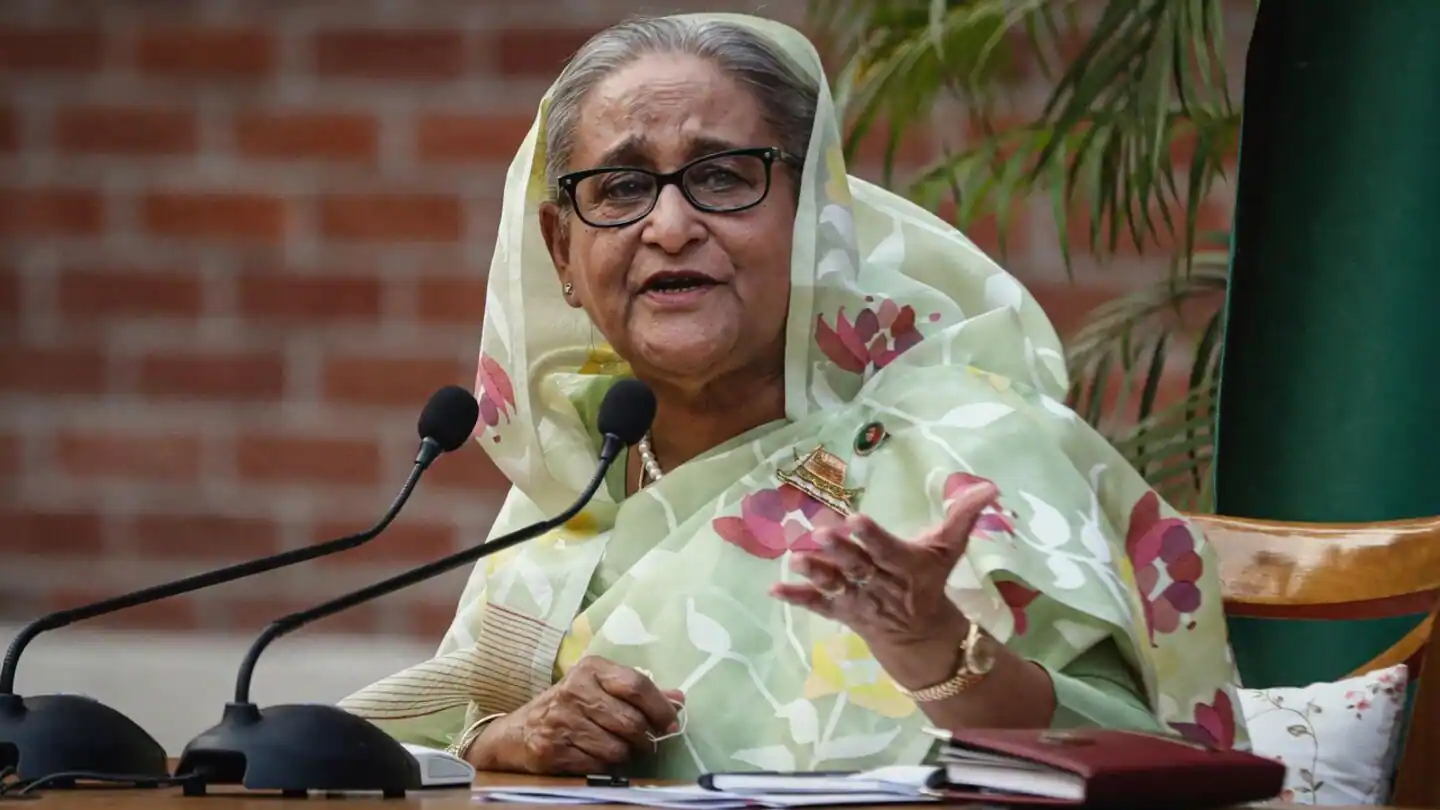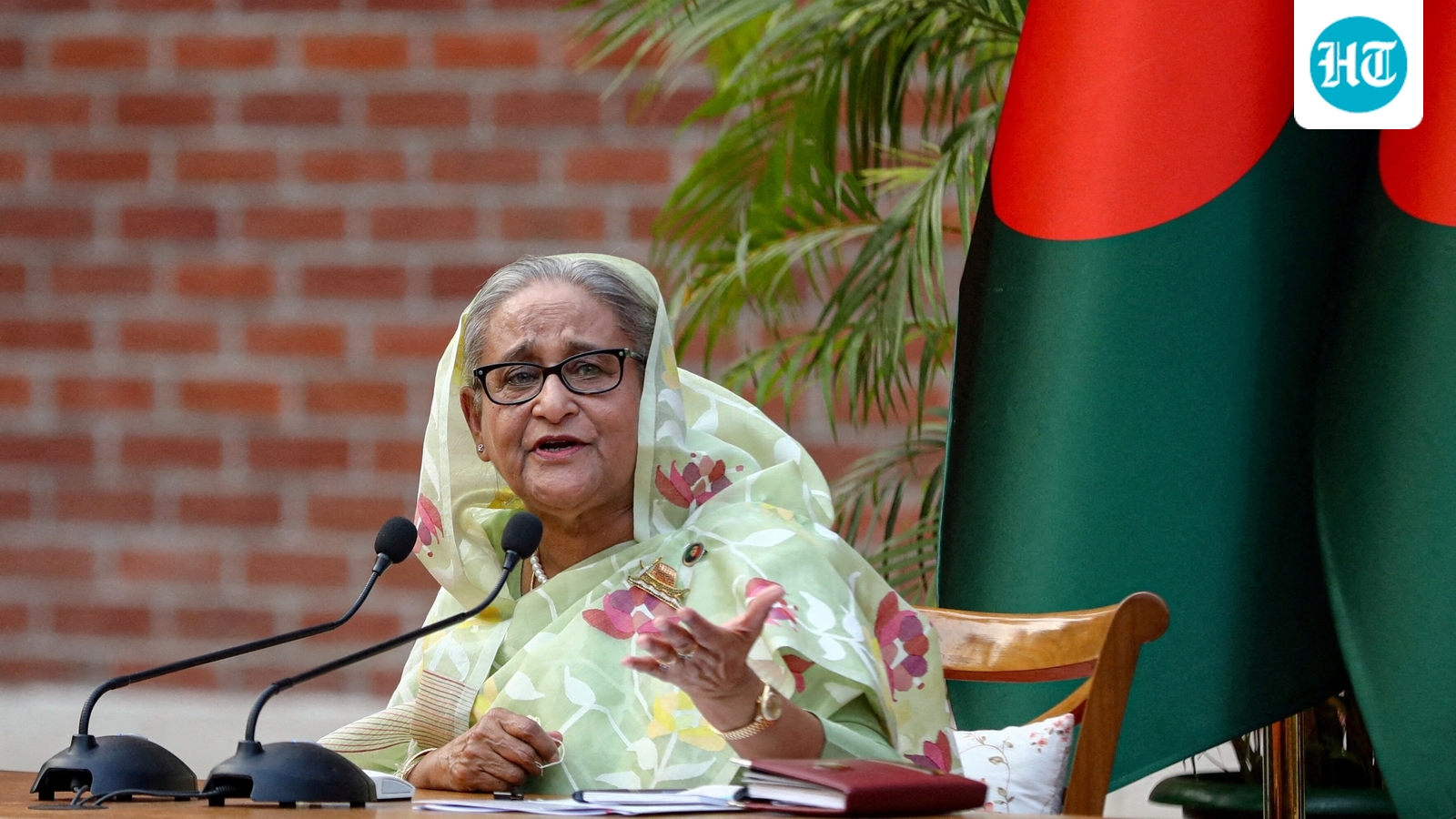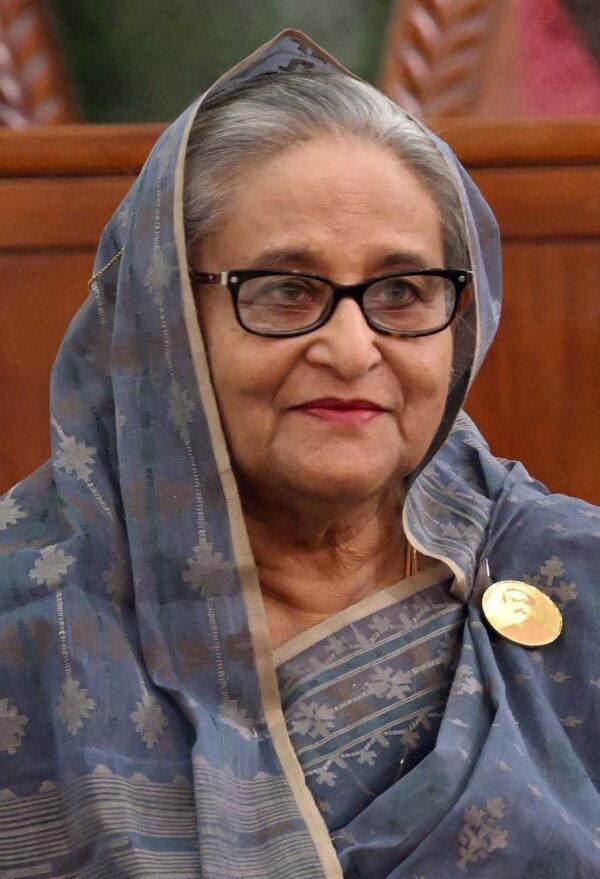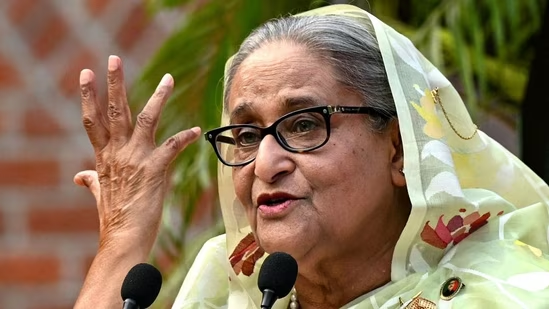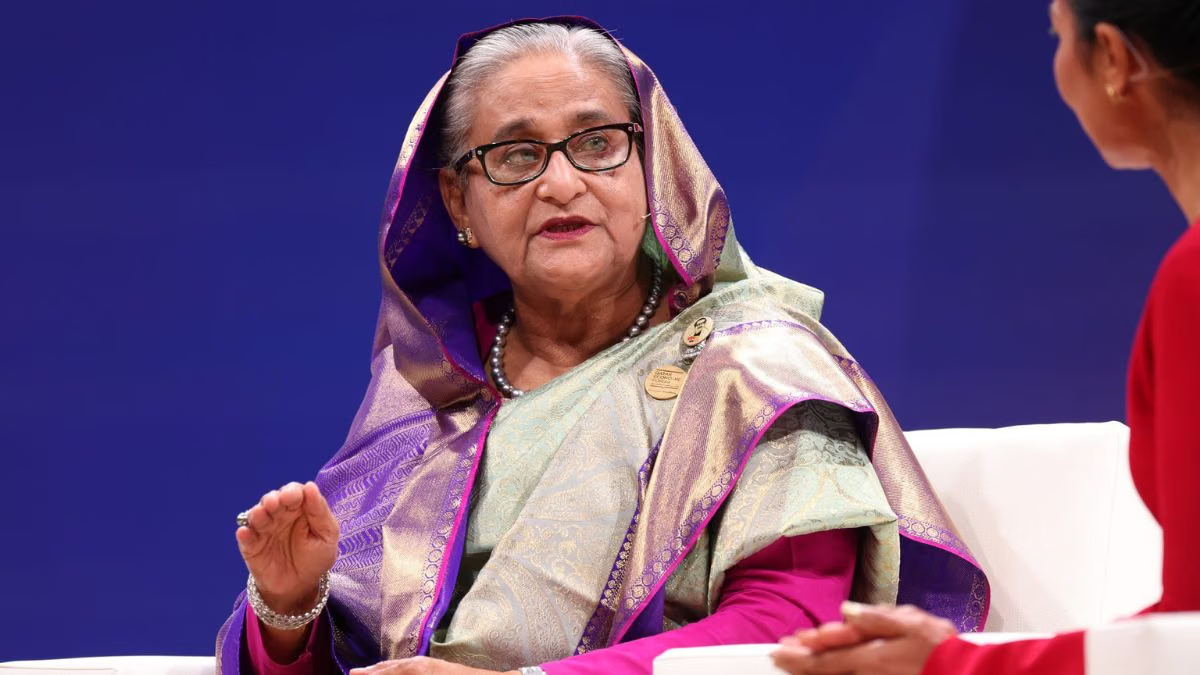
Hasina joined an audio-only virtual media, and her son Sajeeb Wajed dialled in from the US. In her 20-plus-minute speech, she made three key points—the 2024 July-August movement was a ‘coordinated assault’, the country is unsafe, and she would go back irrespective of “whatever fate awaits me. I cannot stay away while my beloved countrymen are suffering.”Hence the second question: will Hasina ever go back?The comeback that may not happen immediately
Beyond local Bangladeshis and the media, questions about whether she may eventually return remain a matter of interest among diplomatic observers and international stakeholders. It reflects the broader political significance of developments in Bangladesh and their potential regional implications, as it could cause further instability in the neighbouring country, impacting investments, trade, etc. Equally, the experts in New Delhi are racing to provide the best view of India’s thinking and strategic outlook on her return, but eventually, the conclusion seems to be in one voice—unlikely that she will, at least not in the present circumstances. If a July movement was required to out Hasina, her comeback would need another movement backed by Awami League cadre and supporters. Hasina herself observed during the press conference, “At least 10,000 people have been killed or disappeared” and “around 6,50,000 have been arrested over the last two years, 3,500 cases have been filed, nearly 4,50,000 leaders, workers and supporters” have been “accused, and against her at least “600 cases have been filed.” In the given circumstances, where Awami League cadres are either underground or have been detained or jailed, creating a movement to bring her back is unlikely. Although she seems to care less about the “fate” and wants to return at any cost for her people, her return remains out of the question. But her words do echo with people who may not necessarily be just Awami Leaguers but also people who saw Rahman and later his daughter as a symbol of the country’s struggle against Pakistan in 1971 and as founders of an independent Bangladesh’s cultural and ideological identity. While Hasina’s comeback is unlikely, it is not impossible. However, waiting may be too long, and it may even take a generation. By the history of Bangladesh, movements and comebacks are not new. Even the current ruling Bangladesh Nationalist Party (BNP) was underground until 2024. Rahman lived in self-exile for more than a decade in the UK, and so did Jamaat-e-Islami’s fate and existence. Now one sits in power, and Jamaat leads an 11-party opposition in the Parliament. Therefore, Bangladesh is wedded to movements, revolutions, and turns and twists of leadership, and Awami League’s over-grounding may be delayed but possible. However, the situation poses even a bigger challenge for the present government; it will have to prove constantly how different it is from the Hasina administration, and a burden of performance would loom large throughout.