Friday’s release from the Bureau of Labor Statistics showed another small drop in the labor force participation rate — that’s the share of people over 16 years old who either have a job or are looking for a job. People leave the labor force for all kinds of reasons; school and retirement are common causes. But increasingly, so is caregiving. Researchers have long warned that demographic shifts from the aging baby boomer generation would dramatically increase caregiver demand in the United States. It’s one reason why the U.S. labor force participation has declined over the past two decades. Kipper Hendrick, who used to work in marketing and public relations, left the labor force more than 20 years ago to care for her aging parents. “I would fly in for all of the doctor's appointments and the surgeries, and any kind of a crisis,” she said. “It got to the point where my mother was diagnosed with vascular dementia, and my parents needed more care, so I could not continue my career.”After Hendrick left her job, she said she struggled with the loss of identity and financial consequences of becoming a full-time caregiver. “I watched my peers move up with their careers and advance,” she said. “But no one else was going to do this.”An analysis by researchers at the University of Pennsylvania estimated that caring for aging family members could cost $80,000 to $100,000 per year in lost earnings, job advancement, and other factors. Hendricks’ parents, realizing what she was giving up, did pay her for her work as a full-time caregiver, but that’s unusual. AARP’s public policy institute estimated that the economic value of family caregiving (mostly unpaid) exceeds the total number of federal, state, and local Medicaid spending in 2024. A few years ago, after Hendricks’ mother passed away, she launched a small business in which she helps other families find care for their aging parents. She’s also built a community of caregivers on social media, where she shares tips and advice. “I always say that either you've been a caregiver, or you are a caregiver now, or you're gonna be one,” she said. “Let's help each other too along the way.”Have you recently left the labor force? Tell us why:
How leaving the labor force helped this caregiver find her calling
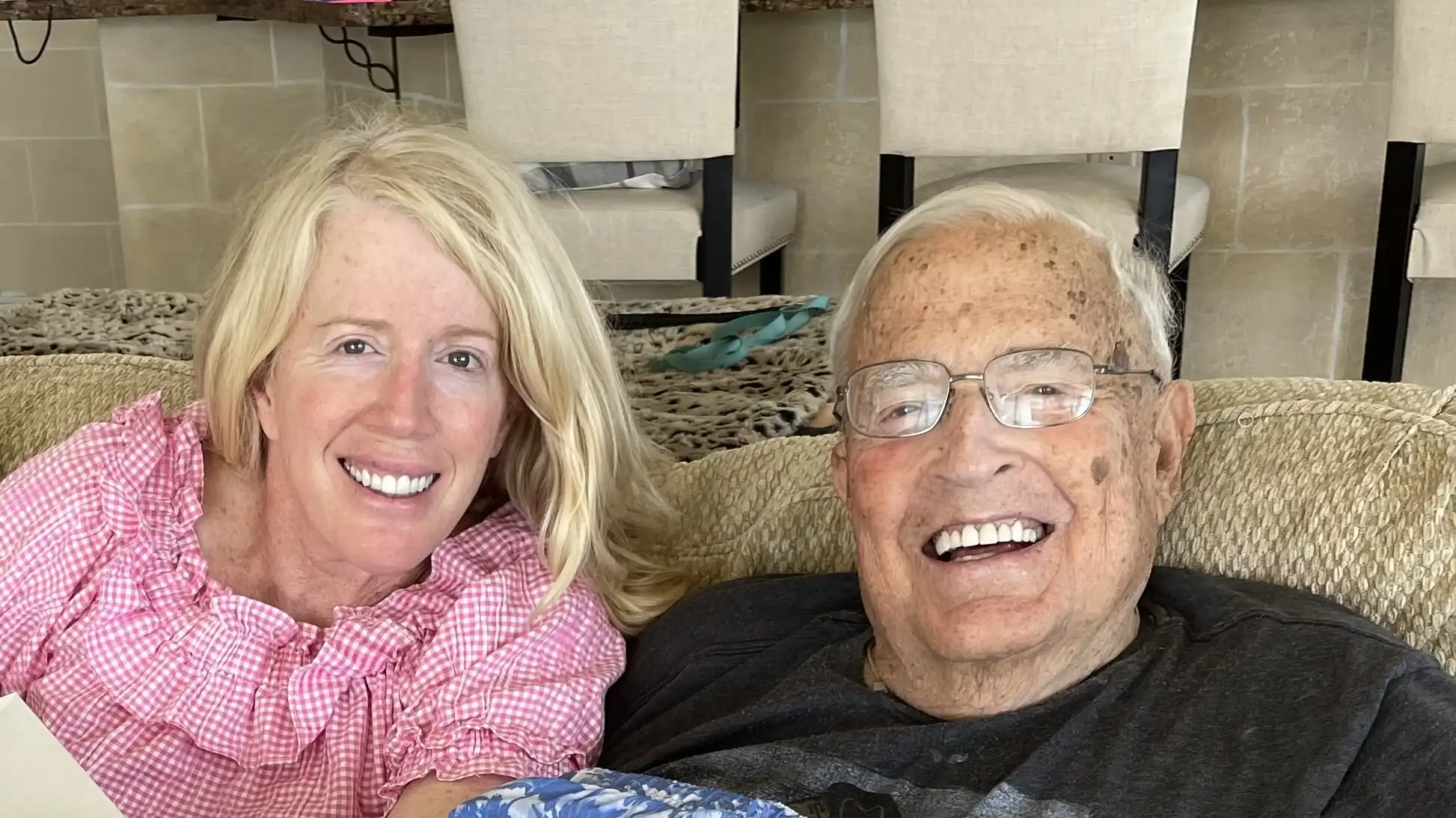
“I wear the badge of caregiver proudly,” said Kipper Hendrick, who’s been caring for her parents for more than 20 years.
373 words~2 min read