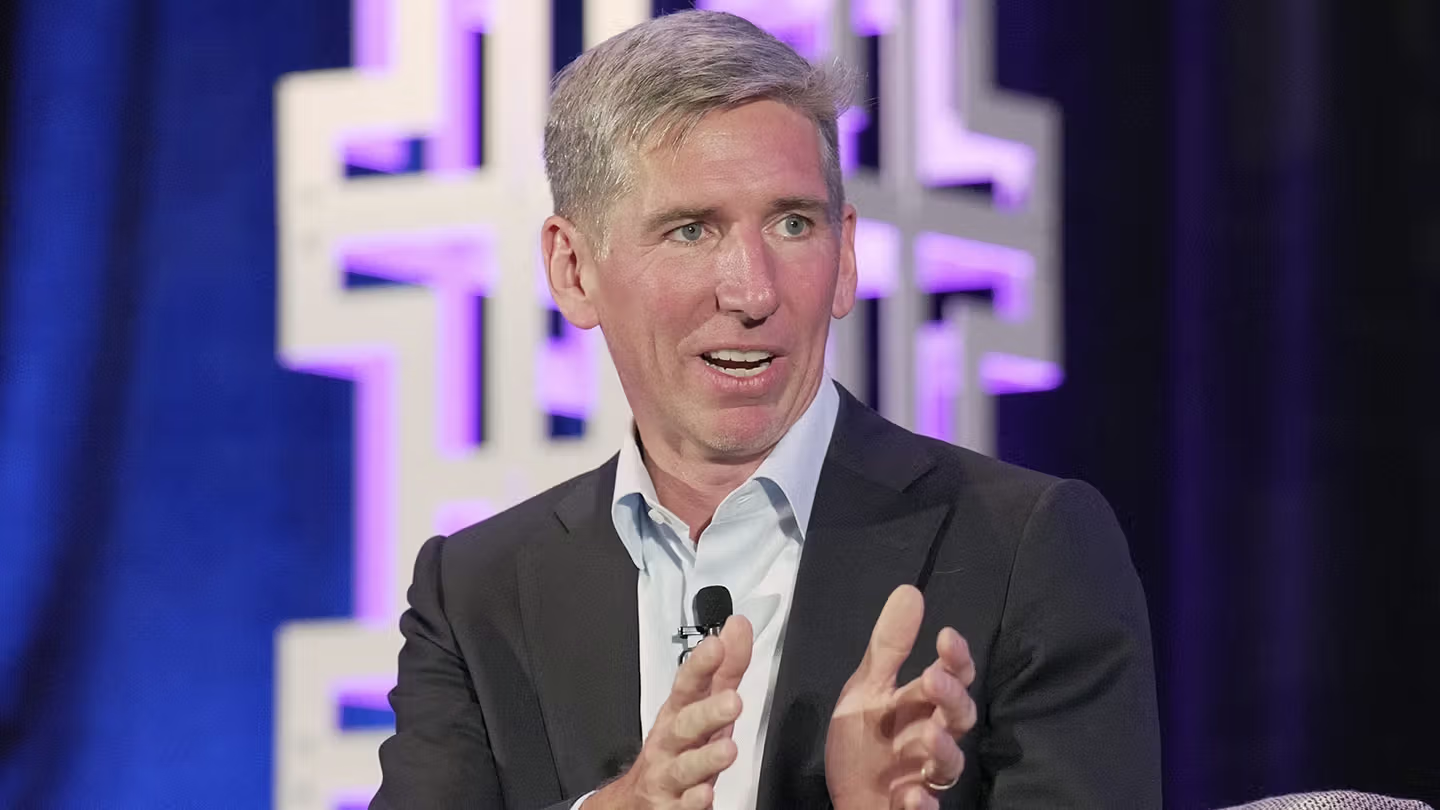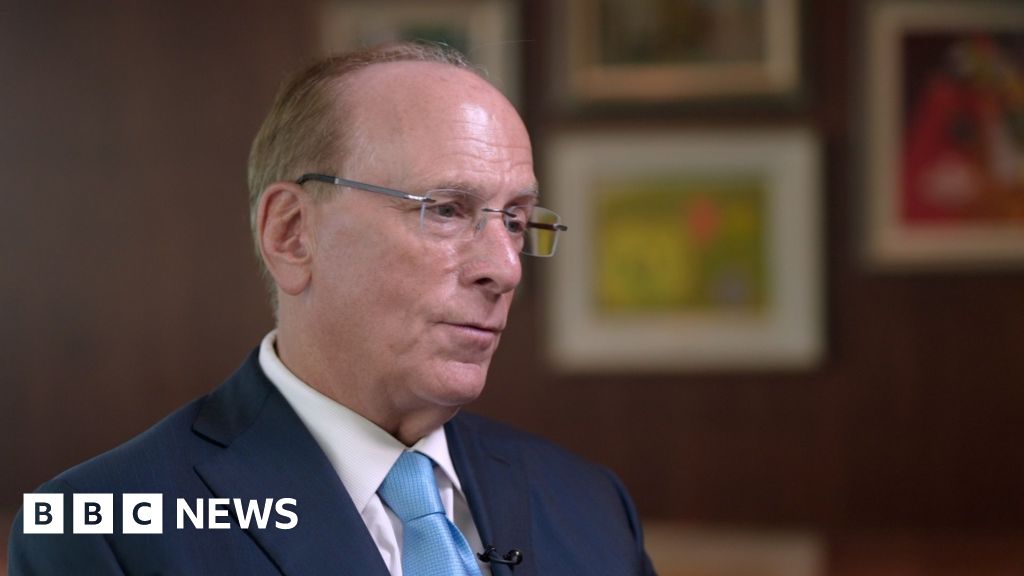
Larry Fink, the CEO of a company managing more money than the GDP of every country except the US and China, thinks Bitcoin has a path to $700,000 per coin. It’s the top end of a range he laid out at the World Economic Forum in Davos back in January 2025, and it’s a number that continues to ripple through financial circles well into 2026.
The logic is straightforward, even if the implications are staggering. If institutional investors and sovereign wealth funds were to allocate just 2% to 5% of their portfolios to Bitcoin, the resulting demand would be enough to push prices to between $500,000 and $700,000. For context, Bitcoin was trading above $100K when Fink made the remarks, with an all-time high that had already eclipsed $108,000.
The math behind the moonshot
Fink was careful to note he wasn’t recommending these allocations. He was running a thought experiment, but one grounded in the kind of institutional math that matters. Sovereign wealth funds collectively manage trillions of dollars. Even a modest percentage shift toward Bitcoin would represent an enormous wave of capital entering a market with a fixed supply of 21 million coins.
Fink has consistently framed Bitcoin as a digital analogue to gold. It’s an asset for people who are worried about the purchasing power of their local currency being quietly eroded by inflation and monetary policy. In his telling, Bitcoin isn’t a speculative plaything. It’s an international store of value for an era when faith in fiat is wobbling.