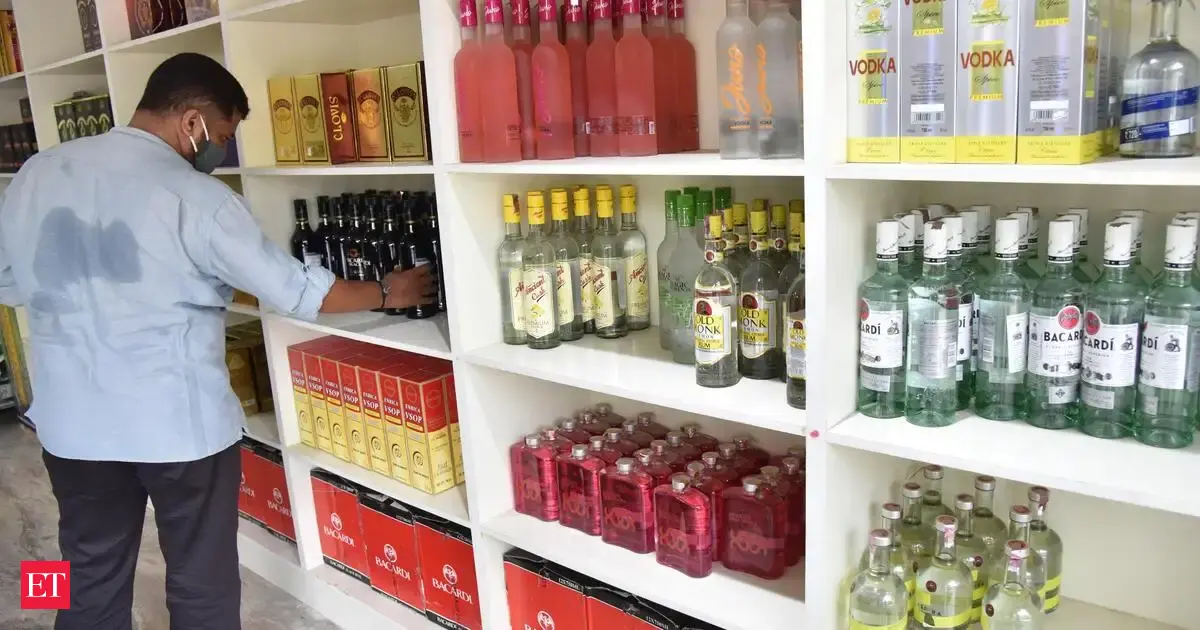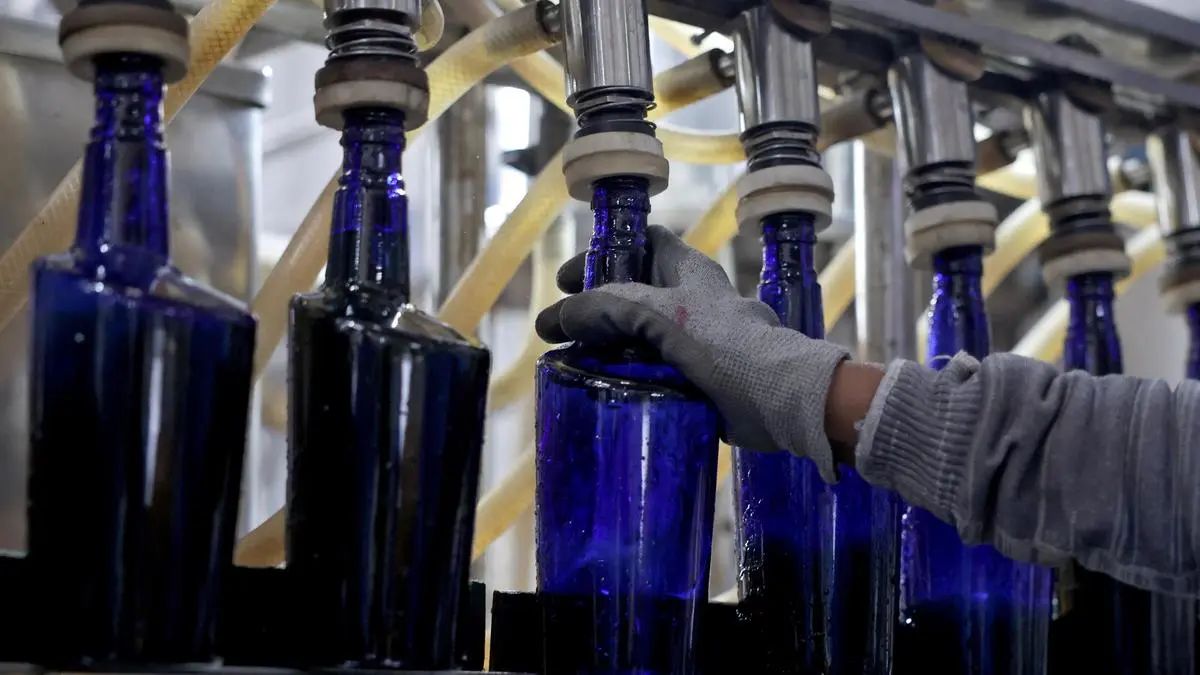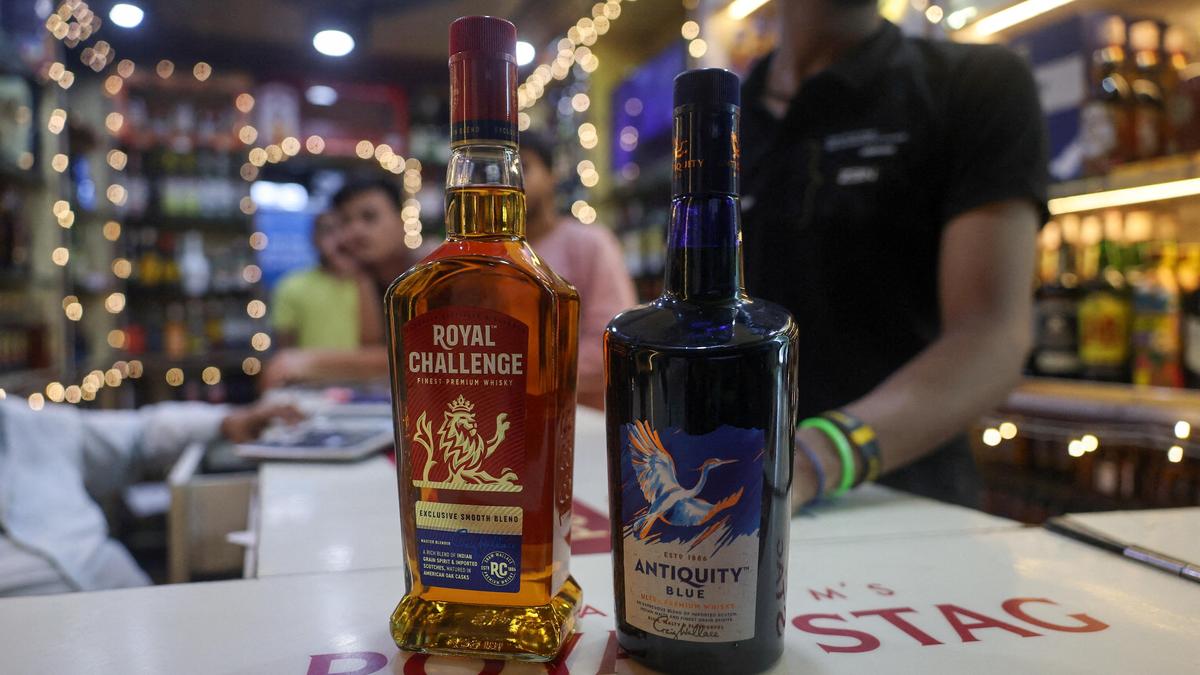
SynopsisDiageo is taking a bold step by designating India as a distinct operational region, separating it from the Asia-Pacific hub. This strategic choice is driven by the projected growth in India's spirits market. In tandem, the company is revamping its packaging network for Indian spirits, which is set to yield significant and recurring cost savings.Diageo is carving India out of its Asia-Pacific operations and making it a standalone region, as India now becomes one of five standalone operating regions for the companyMumbai: Diageo is carving India out of its Asia-Pacific operations and making it a standalone region as the world's largest spirits maker sharpens focus on a crucial growth market and completes a sweeping overhaul of its supply chain in the country. "India, we break out, and APAC is everything in Asia ex-India," said Sir David Lewis, chief executive, outlining Diageo's new operating structure.India will be one of five standalone operating regions under the new structure, alongside North America; Latin America and Caribbean; Europe, Middle East and Africa; and Asia-Pacific excluding India. Africa, which previously had its own regional structure, is being folded into the European group, said Lewis. The move underscores Diageo's projection of a 4-6% growth in India's spirits market over the next three years.ET BureauCarves out country from APAC ops in huge overhaul of supply chain; bets on volume boost"India, another very strong growth story from a market perspective, again a plus 4% to 6% over the planned period," said chief strategy officer Hannah Brooks. "Very similar reasons around economic development, population growth, and also of course, a very strong and buoyant whiskey market, which will hopefully be further supported by the tariff reduction." She was referring to the implementation of the India-UK free trade agreement and ongoing talks between India and the European Union for an FTA.India is the world's biggest whiskey market by volume and the second-largest spirits consumer, making it a crucial market for Diageo. The company has been focusing on premiumisation, expanding higher-margin brands and improving operational efficiency.Sales from the prestige and above segment, which includes Johnnie Walker, Black Dog, and Antiquity brands, contributed more than 90% of net sales.You Might Also Like:Diageo expects India's growth to be driven by volumes rather than solely by pricing. Chief financial officer Nik Jhangiani said the country has "good tailwinds" from demographics and the FTA."Very importantly to keep in mind that particularly in India, supported by what we are seeing as good tailwinds from a demographic perspective, as well as the FTA, as well as Latin America, these are volume lead plans as well, and I think that's very important for you to keep in mind," Jhangiani said.The regional restructuring is being accompanied by a major overhaul of Diageo's Indian spirits packaging network, reducing the number of sites it uses from 100 to 35. Only eight of the 35 sites are owned by Diageo, with the rest operated by partners.The restructuring has generated about $135 million in recurring savings, with a further $150 million expected over the company's three-year plan period.You Might Also Like:The overhaul comes amid a strong year for United Spirits., Diageo's India-listed business, which reported 7.6% growth in net sales value and an 11.6% rise in Ebitda in FY26. United Spirits has been pursuing a multi-year supply-chain programme focused on footprint optimisation and productivity gains, with management saying about 90% of planned cost-saving benefits are expected to be realised this fiscal year.Read More News on...moreless
High on India growth, Diageo gives region 'Standalone' tag
Diageo is taking a bold step by designating India as a distinct operational region, separating it from the Asia-Pacific hub. This strategic choice is driven by the projected growth in India's spirits market. In tandem, the company is revamping its packaging network for Indian spirits, which is set to yield significant and recurring cost savings.
572 words~3 min read