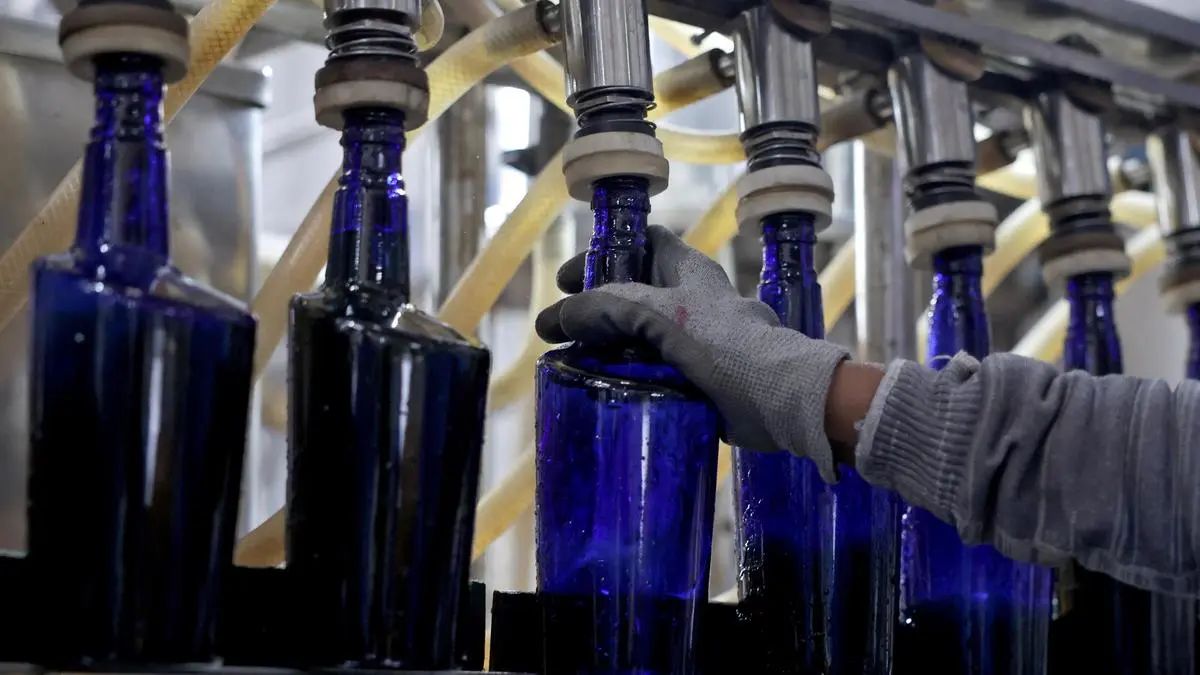
File pic: A worker fills alcohol bottles inside the bottling unit of Diageo, one of the world's largest spirits groups, at Alwar, Rajasthan
| Photo Credit:
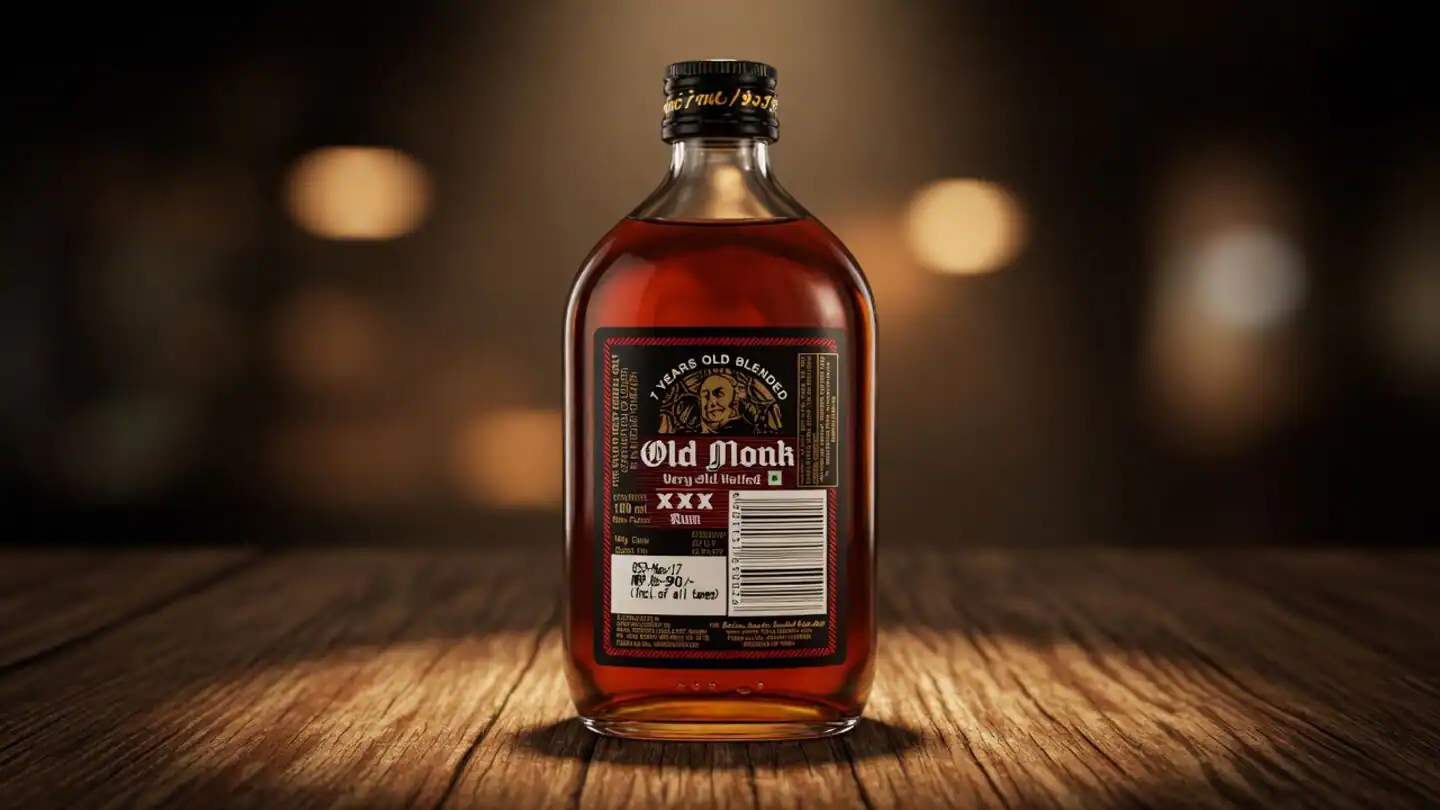
The food safety regulator has barred the sale of some popular whiskies and rum made by Diageo’s India unit and Inbrew Beverages for using artificial flavouring instead of proper ageing and ingredients to achieve their taste and aroma.India is one of the world’s biggest alcohol markets, with annual revenue estimated at $40 billion. Diageo is the nation’s biggest alcohol company by market share, with its popular brands competing with the likes of Pernod Ricard.The locally made spirits subject to the regulator’s bans are more affordable than imported rum, whisky and Scotch.The Food Safety and Standards Authority of India (FSSAI) said it allows the use of natural flavouring substances in alcoholic drinks, but its tests found that some Diageo and Inbrew factories were adding flavours of the alcoholic beverage itself, like adding rum flavour to rum.“There is no internationally recognised manufacturing practice whereby rum flavour is added to rum or whisky flavour is added to whisky,” the FSSAI said in a statement late on Sunday.Such flavours would allow companies to bypass maturation or the use of natural ingredients such as molasses, malt, or grapes, it added.Old rum brands, popular whiskiesThe FSSAI said it has ordered a ban on sales from Diageo’s Indian subsidiary United Spirits, including popular brands such as Antiquity Blue Whisky and Royal Challenge Whisky made in Madhya Pradesh state and Inbrew’s Bagpiper Deluxe Whisky and Old Cask Deluxe XXX Rum produced in the same state.The FSSAI also banned sales of three popular variants of Old Monk - one of India’s best-known and oldest rum brands - made by Mohan Rocky Springwater in western Maharashtra.Diageo India, Inbrew and Mohan Rocky Springwater did not respond to requests for comment.The FSSAI tests of these products found they were “sub-standard due to the presence of external artificial or nature identical flavours in the product,” the regulator said.Two senior industry executives said the companies were concerned about the order, and they believed the addition of flavours was in line with Indian regulations. They declined to be named as the matter is sensitive.It was not clear if the ban extended to the same brands being produced in other company factories, or only in a few states. The FSSAI did not respond to Reuters queries.The FSSAI’s action comes as the regulator tightens scrutiny of the food and beverage sector.It has ordered makers of high-caffeine beverages sold as “energy drinks” to stop using that description, rejecting efforts by the likes of Pepsi and Red Bull to stall the regulatory intervention, Reuters reported last week.Published on August 3, 2026