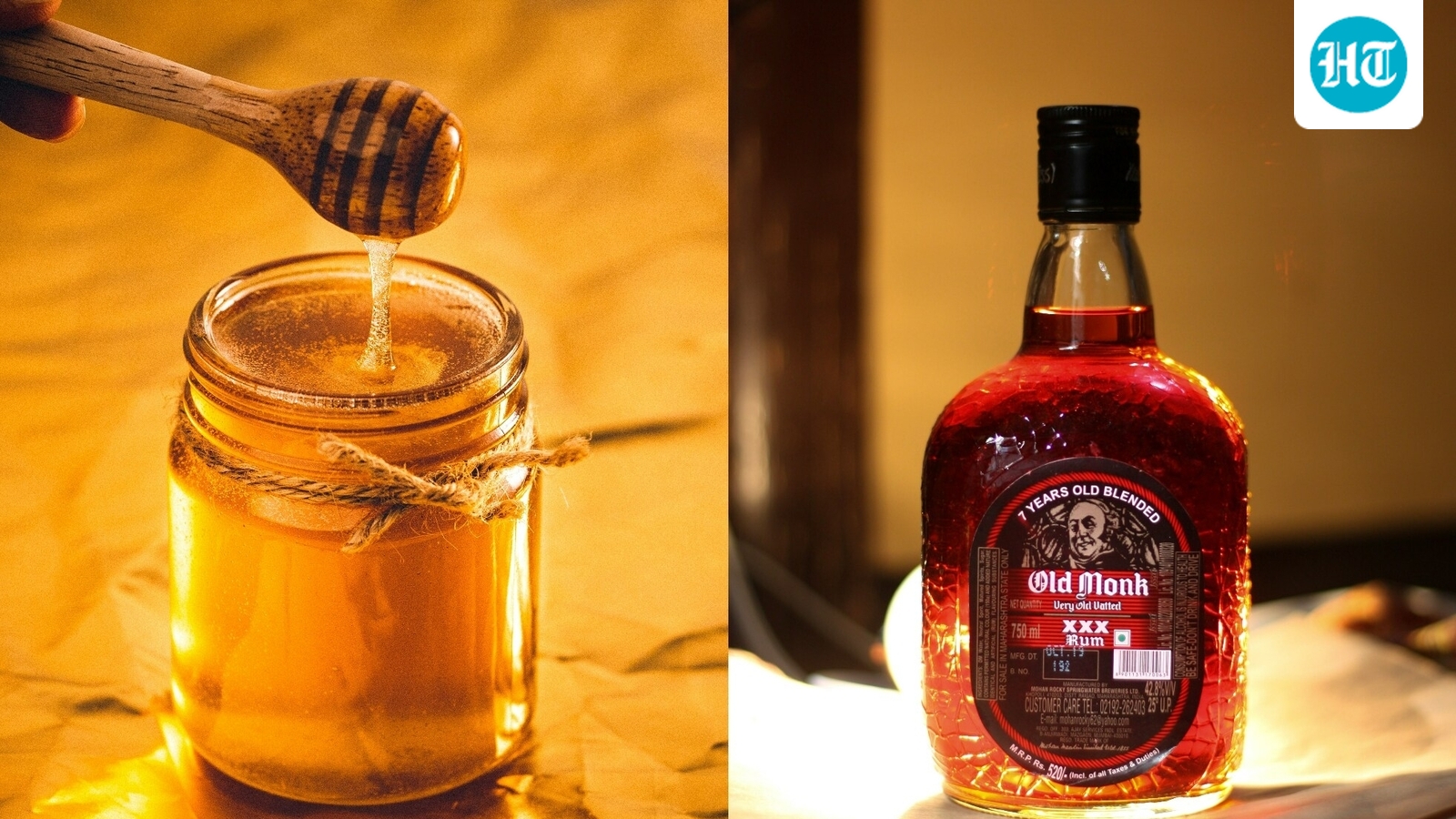
The story so far: The Food Safety and Standards Authority of India (FSSAI) initiated enforcement action (prohibition-of-sale orders) on August 2, 2026 against several liquor makers, accusing them of two main violations. One is allegedly adding flavour compounds that recreate a drink’s own natural taste instead of allowing those characteristics to develop through distillation and maturation, and another by allegedly making “aged” claims on labels that do not reflect the products’ actual age.Why flavouring has become contentiousAccording to FSSAI, a rum or whisky’s taste and smell are supposed to come from the real production process, the base ingredient (molasses for rum, malt for whisky), fermentation, yeast, distillation and ageing. The regulator said some producers instead begin with neutral or extra-neutral alcohol, which has no distinctive flavour of its own, and then add flavouring agents later to make it taste like rum or whisky before selling it as a standard product.FSSAI said this is not a blanket ban on flavourings, additions like coffee or vanilla remain allowed where the law permits them and there’s a genuine technical reason for using them.Instead, it objected to adding the flavour of the spirit itself (for example, rum flavour to rum or whisky flavour to whisky). This, since the trait is supposed to arise naturally from the product, and adding it artificially serves no real technical purpose. The regulator pointed to Regulation 2.5 of the Food Safety and Standards (Alcoholic Beverages) Regulations, 2018 (rum must have its own characteristic taste and aroma) and Clauses 3.1.1(4) and 3.1.1(7) of the 2011 Food Additives Regulations as the legal basis.What lab testing showedThe regulator said samples from multiple manufacturers were tested, and the labs reportedly found several products substandard because of external artificial or nature-identical flavours that masked the natural flavour profile. It also flagged that labelling these as plain “rum” or “whisky,” could mislead consumers.The age-claim problemThe regulator also said some brands used age-related wording, “years old,” “matured,” and similar terms, without following Regulation 13.7 of the 2018 Alcoholic Beverages Regulations, which requires any stated age on a blend to reflect the youngest spirit in that blend, not the oldest or an average. According to an example it cited, an Old Monk XXX Rum variant labelled “7 years old blended,” where investigators reportedly found the bulk of the liquid was unmatured neutral spirit, with matured rum making up under 5% of the blend, meaning the age claim did not reflect the youngest component as required.What FSSAI wants such products be called insteadThe regulator’s position is that products built this way should be labelled “rum-flavoured spirit” or “whisky-flavoured spirit” rather than sold under standard names, citing Regulation 5.1 of the FSS (Labelling and Display) Regulations, 2020, which requires the front of every package to state the food’s true nature.Companies namedBased on “non-conforming” lab reports, prohibition-of-sale orders were reportedly issued against the following companies/units:
Why has FSSAI issued prohibition-of-sale orders against liquor makers? | Explained
FSSAI bans liquor sales for misleading flavoring practices and false age claims, aiming to protect consumer rights and product authenticity.
849 words~4 min read