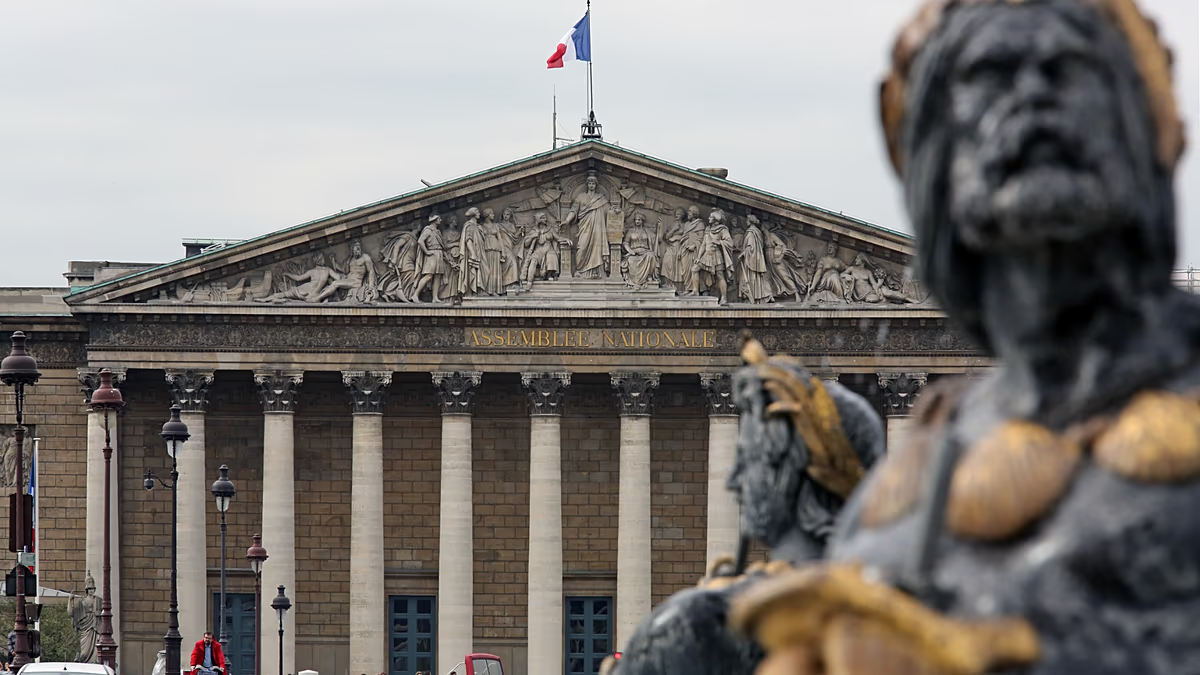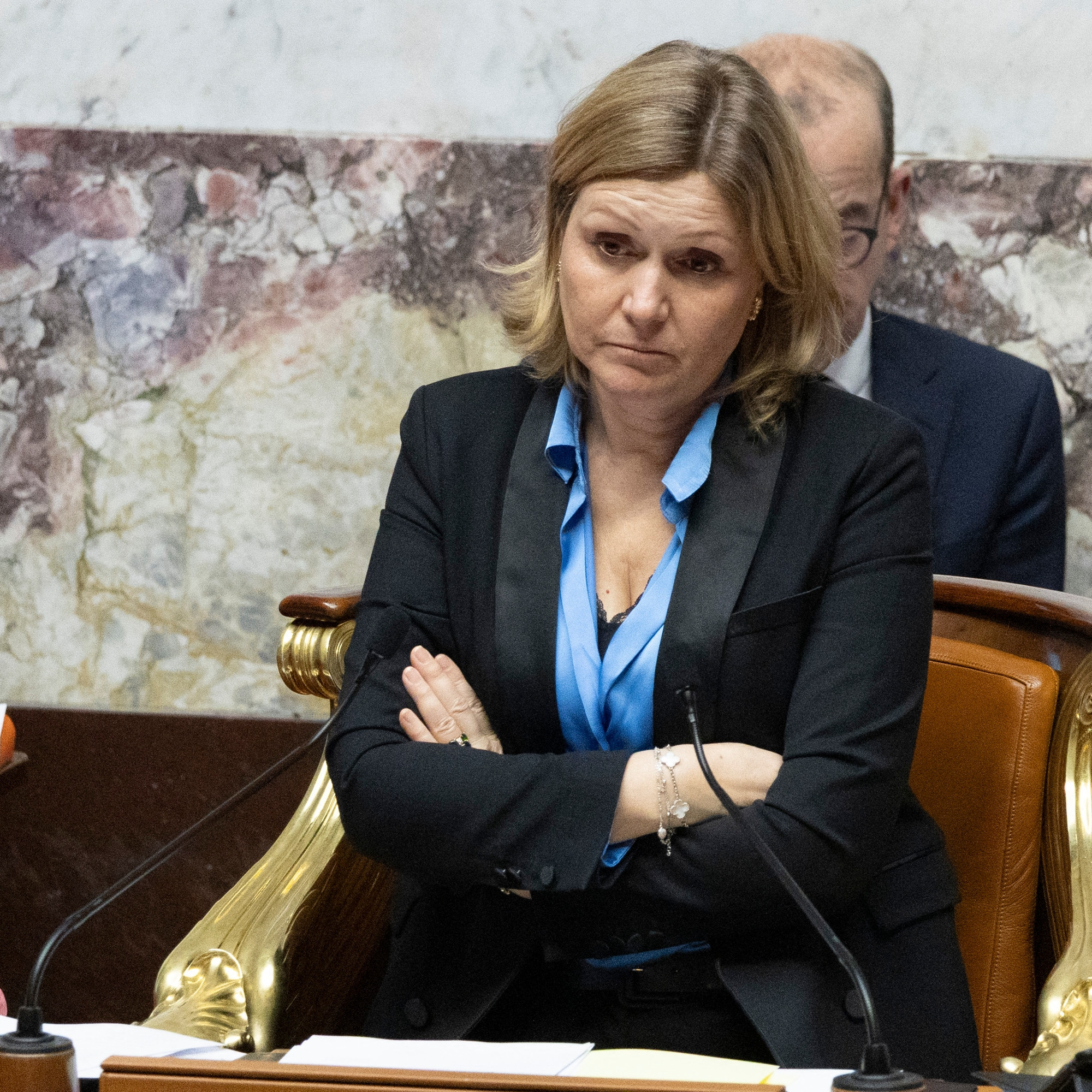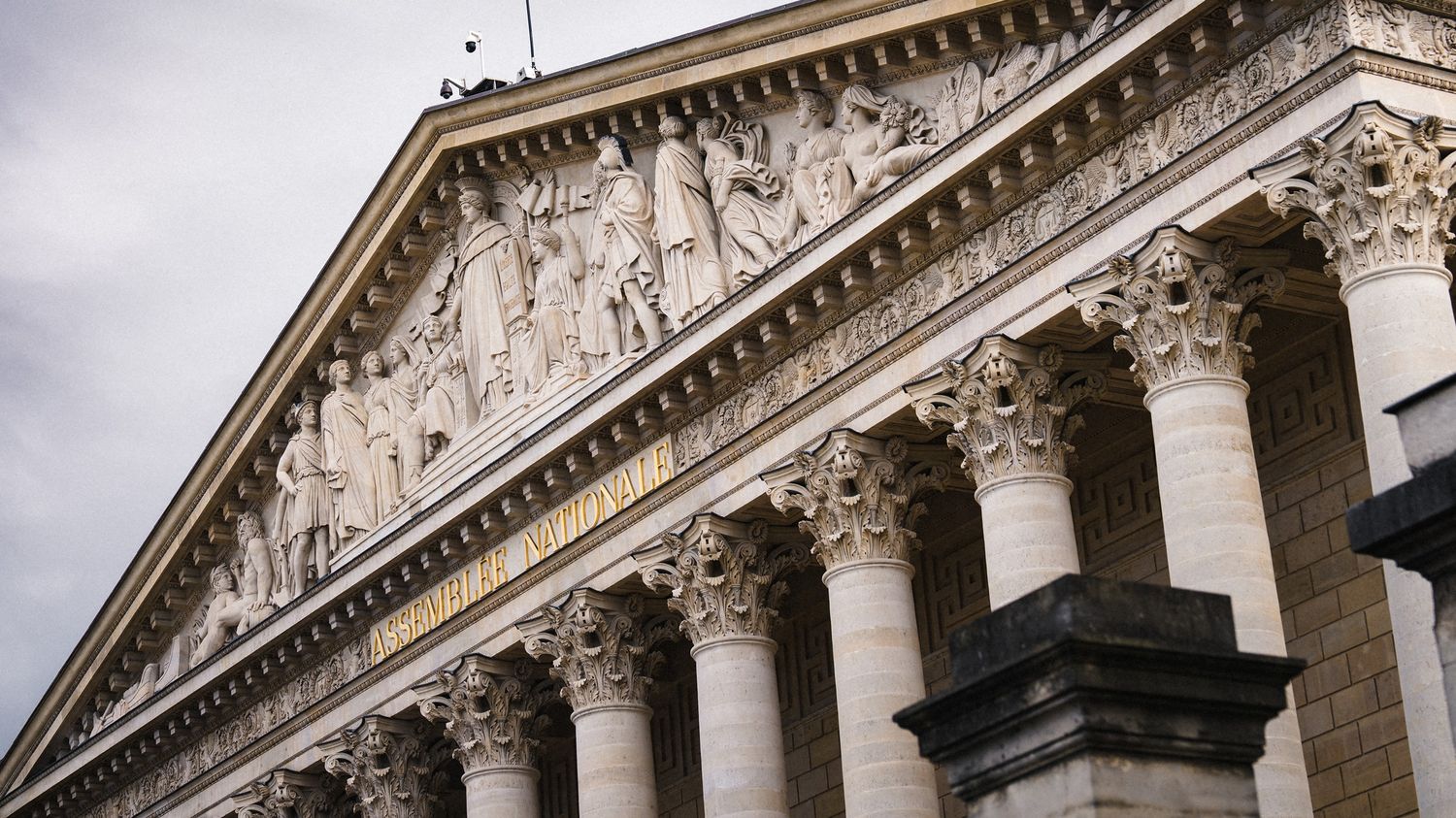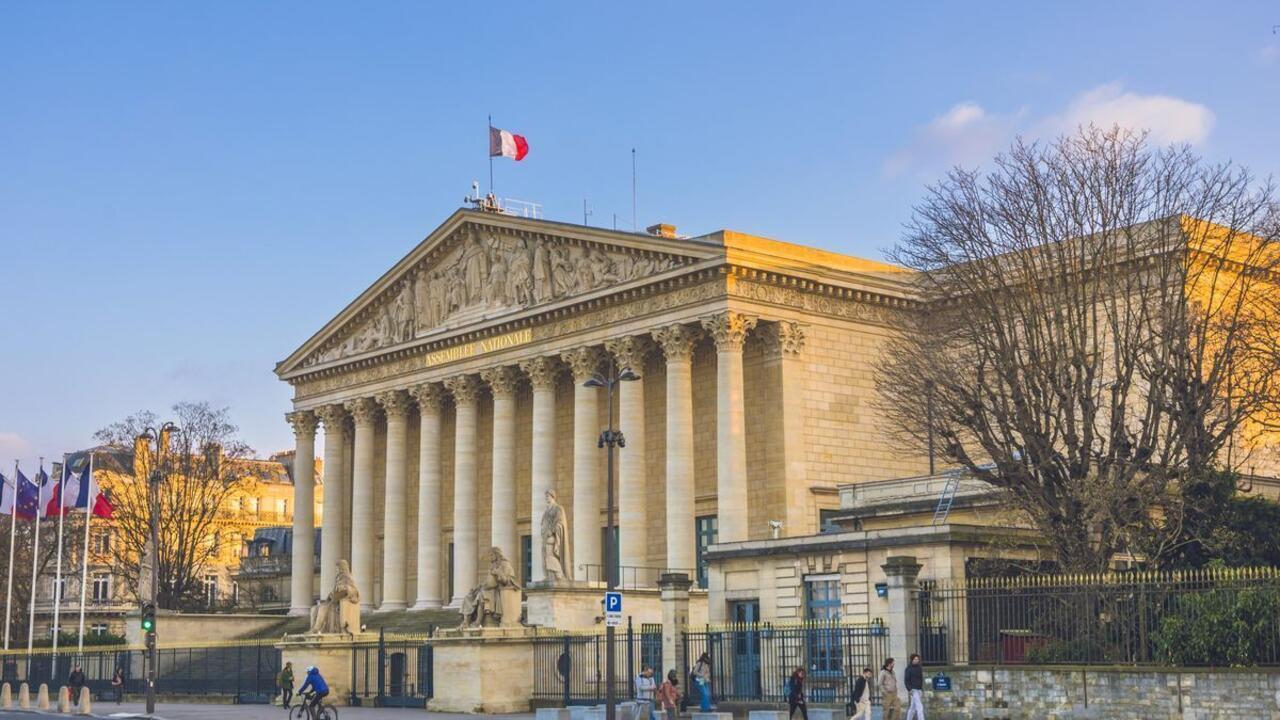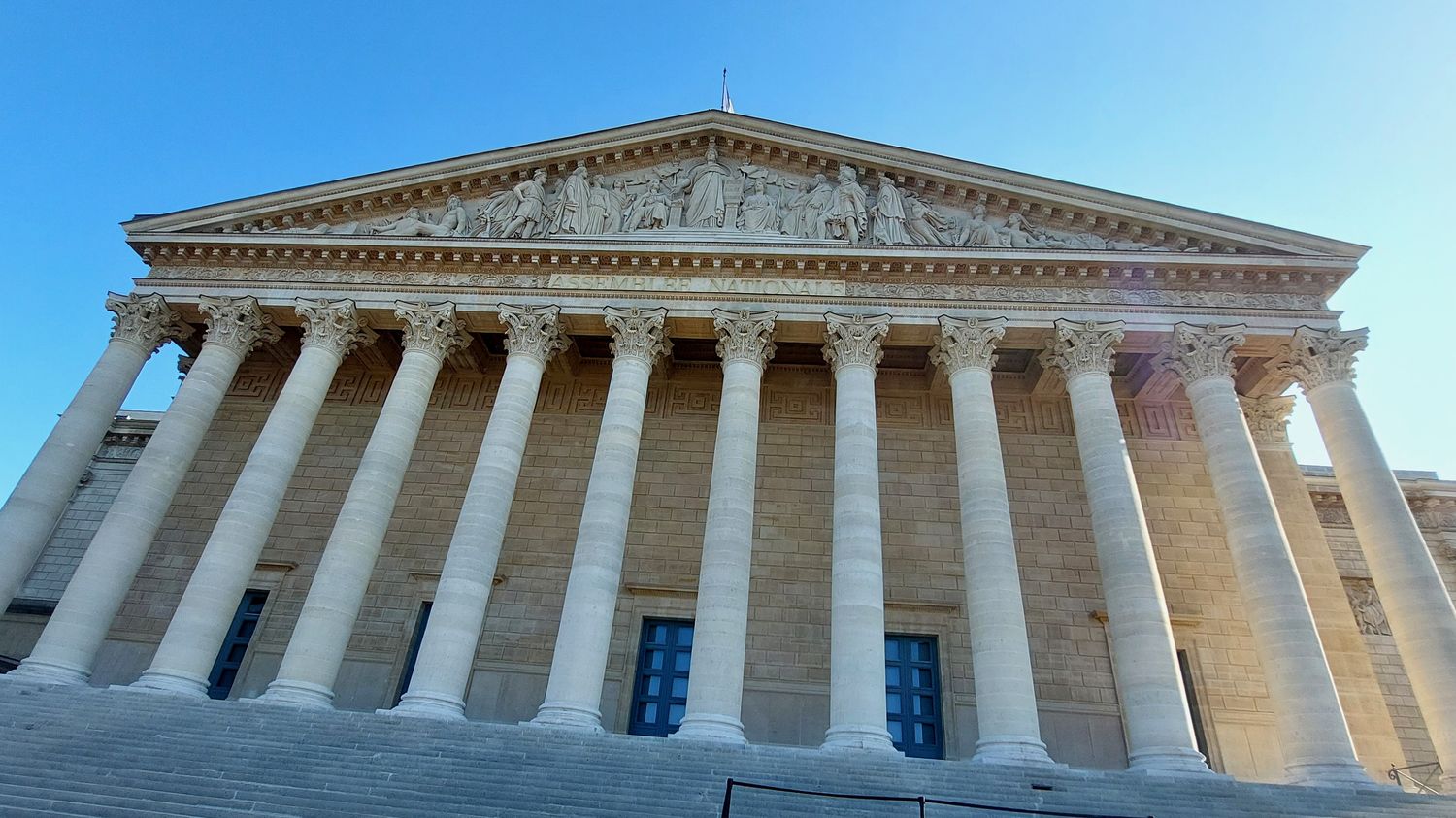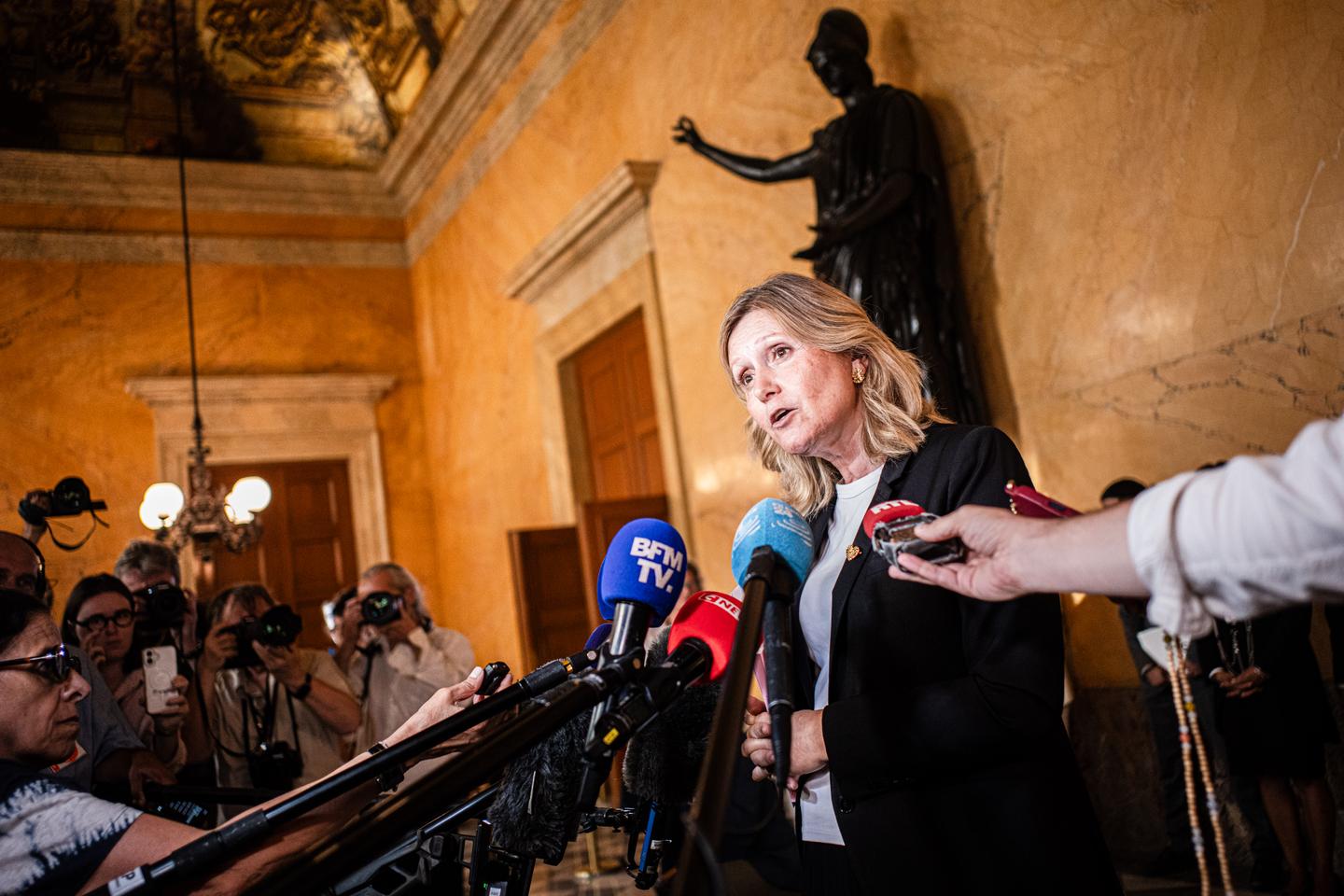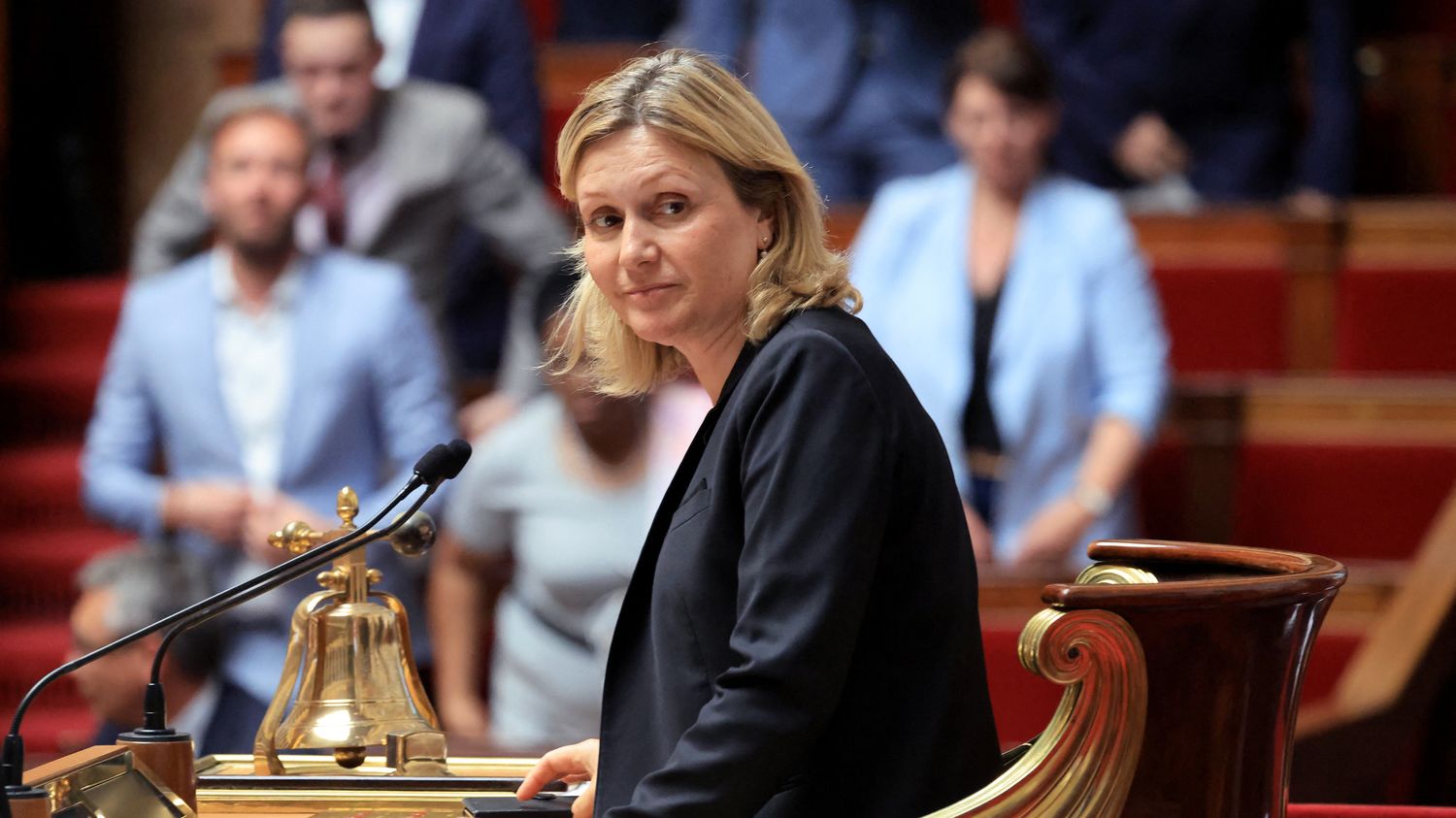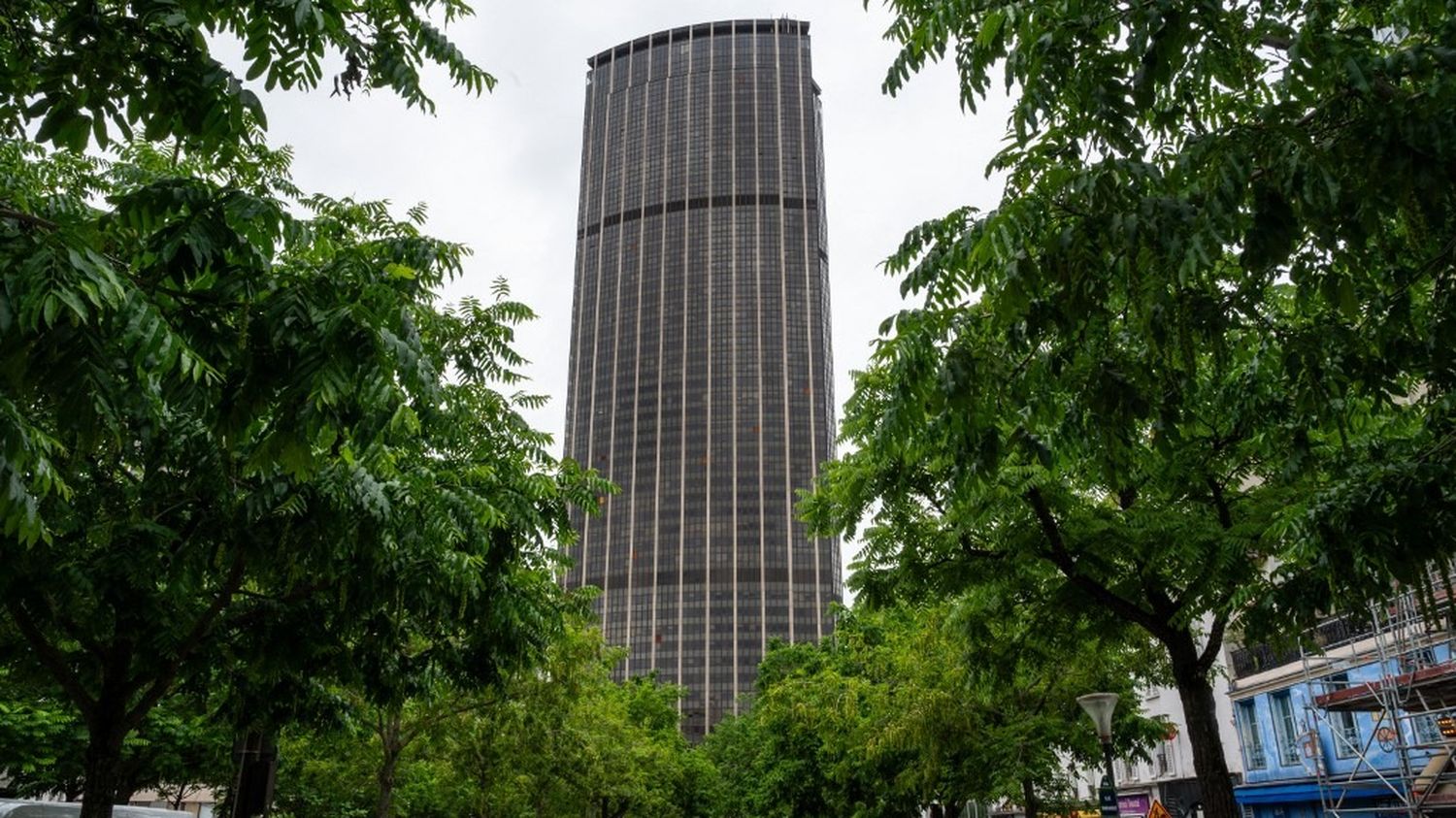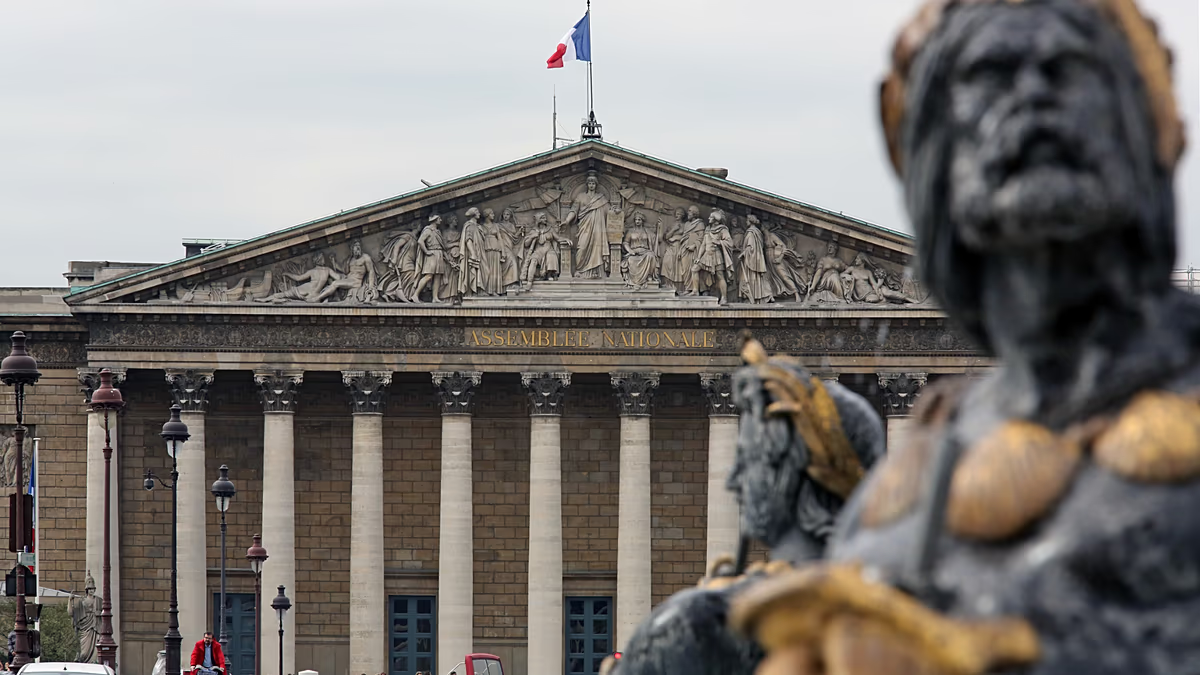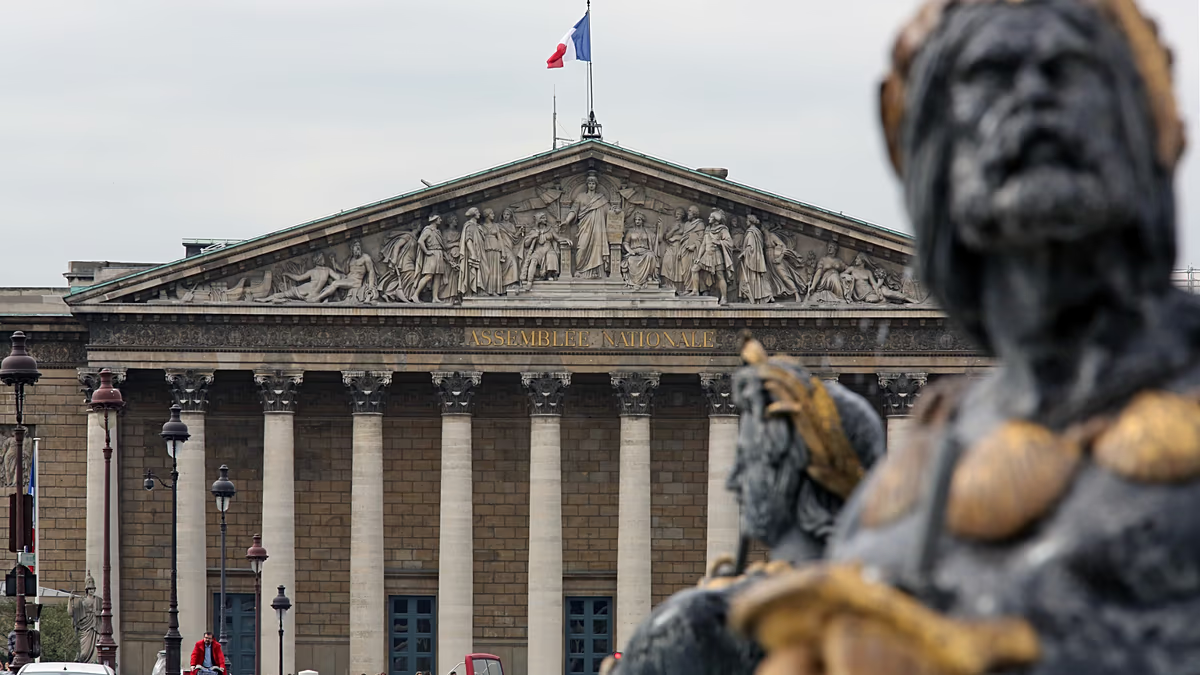
For almost two years this saga, full of twists and turns, has pitted and involved several players: the National Assembly and its president Yaël Braun-Pivet, Paris City Hall and the association Sites & Monuments.
The project to build a new reception pavilion for the National Assembly has proved highly divisive. Championed by the president of the institution, Yaël Braun-Pivet, it involves replacing the historic stone pavilion, dating from 1888, with a contemporary glass structure. The future building is to house a shop, a cafeteria and educational spaces, functions which the Sites & Monuments association considers secondary for a parliament.
"The problem is that this building would break that symmetry and introduce a large quantity of new material, namely glass", explains to Euronews Julien Lacaze, president of Sites & Monuments. He recalls that the project is to be built within a Remarkable Heritage Site (SPR) in the 7th arrondissement, in an area listed as a UNESCO World Heritage site.
In his view, the architectural project disrupts the historic harmony of the Seine embankments on several levels: it breaks the symmetry between La Madeleine and the colonnade of the Palais-Bourbon, introduces glass on a massive scale into an ensemble dominated by stone, and undermines both the horizontality and the architectural unity of the site.