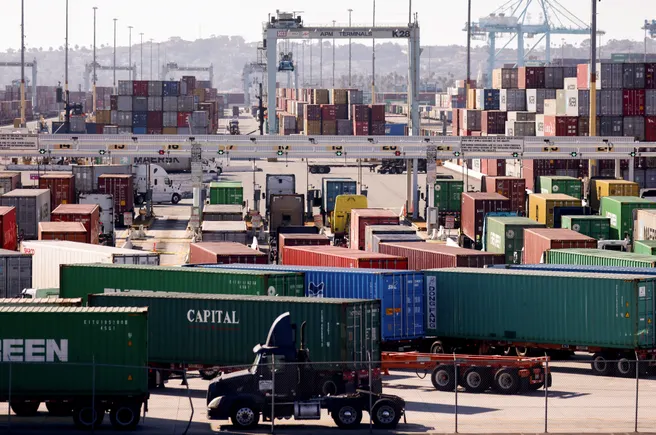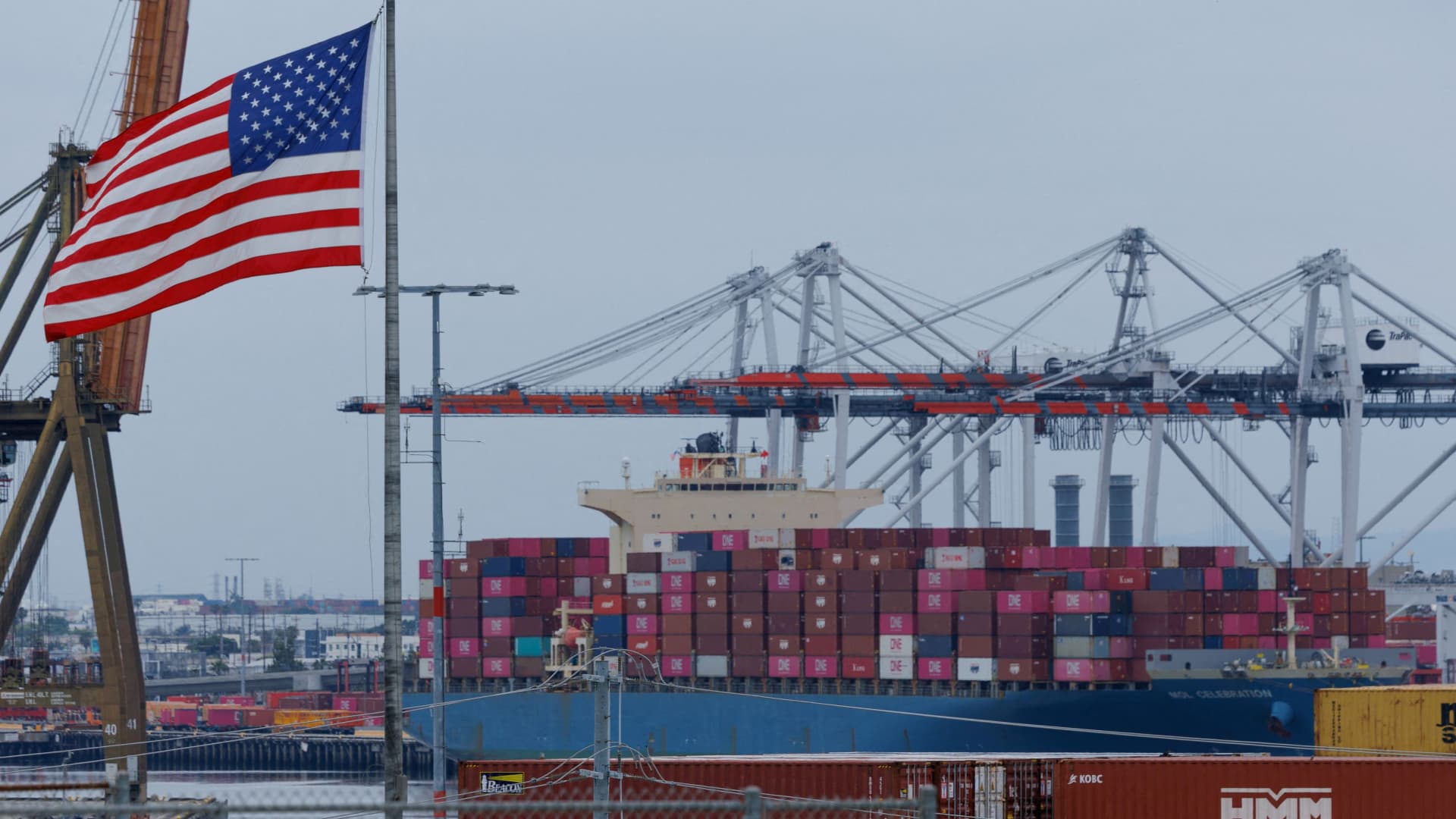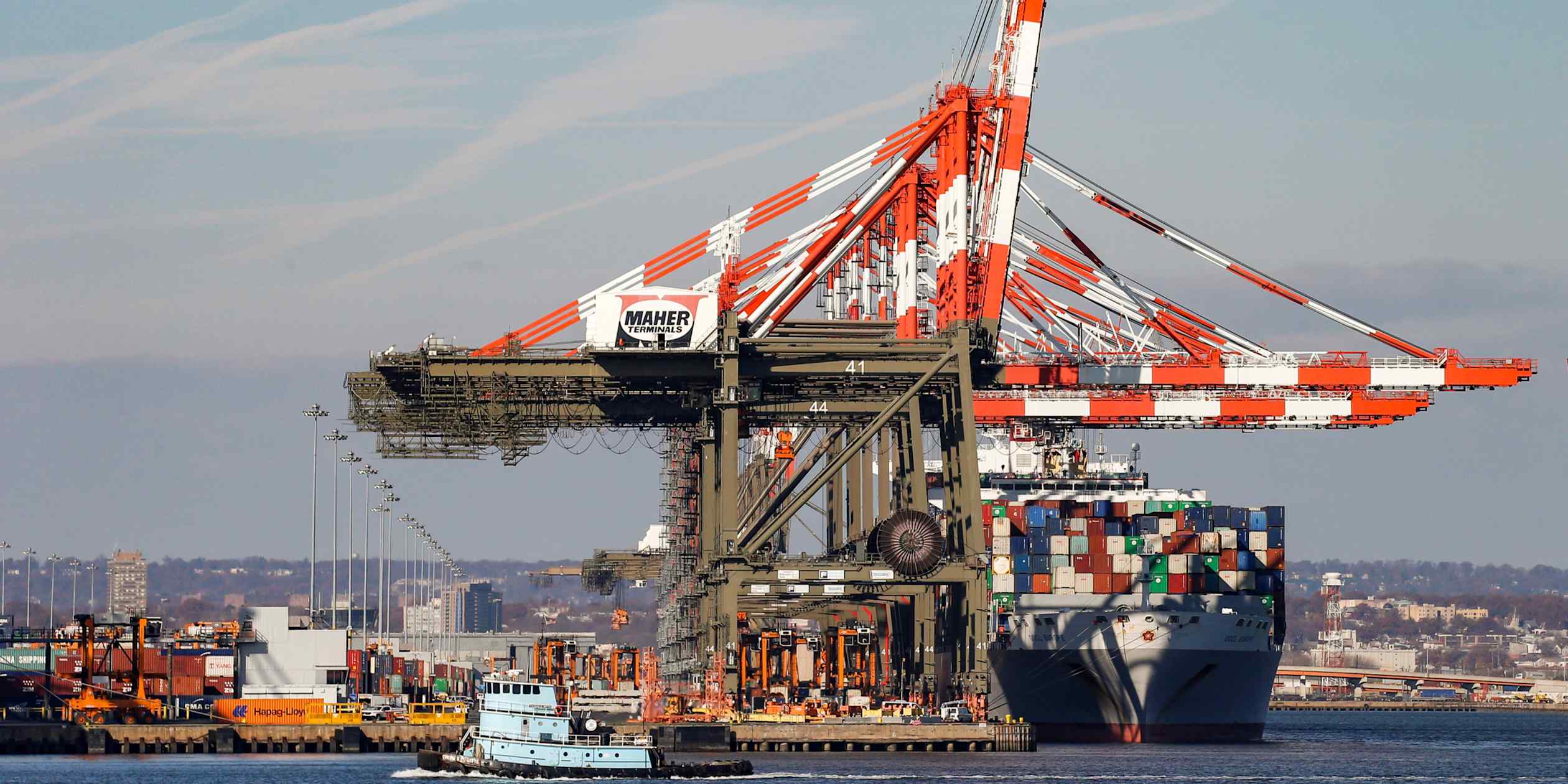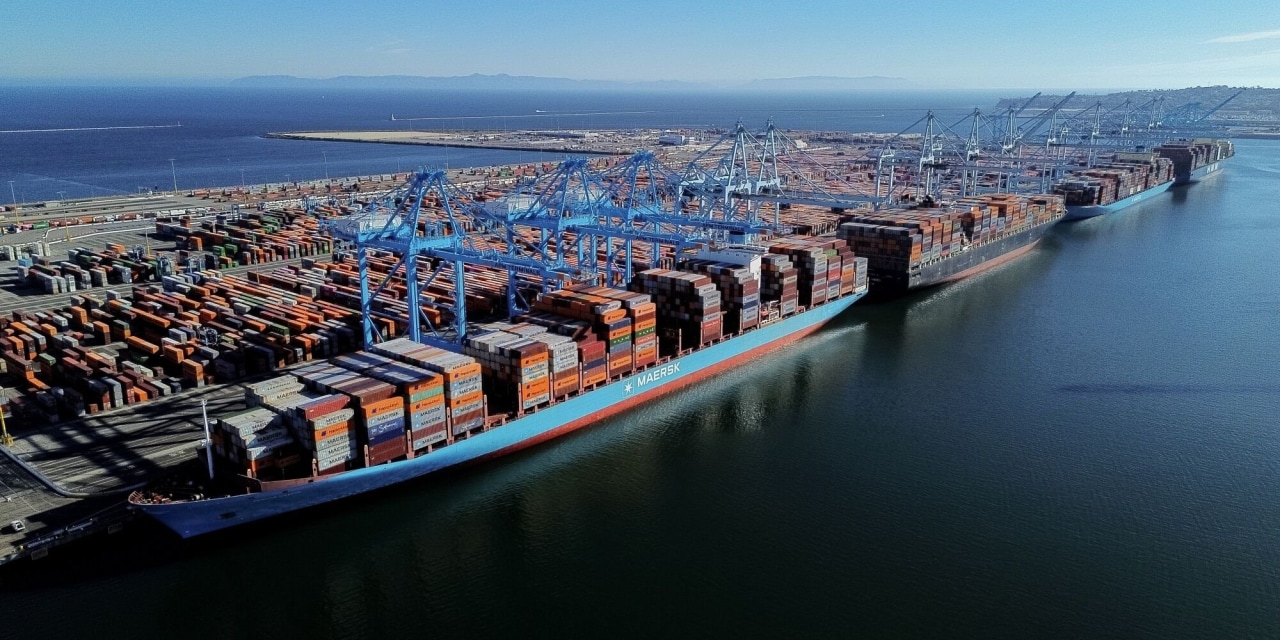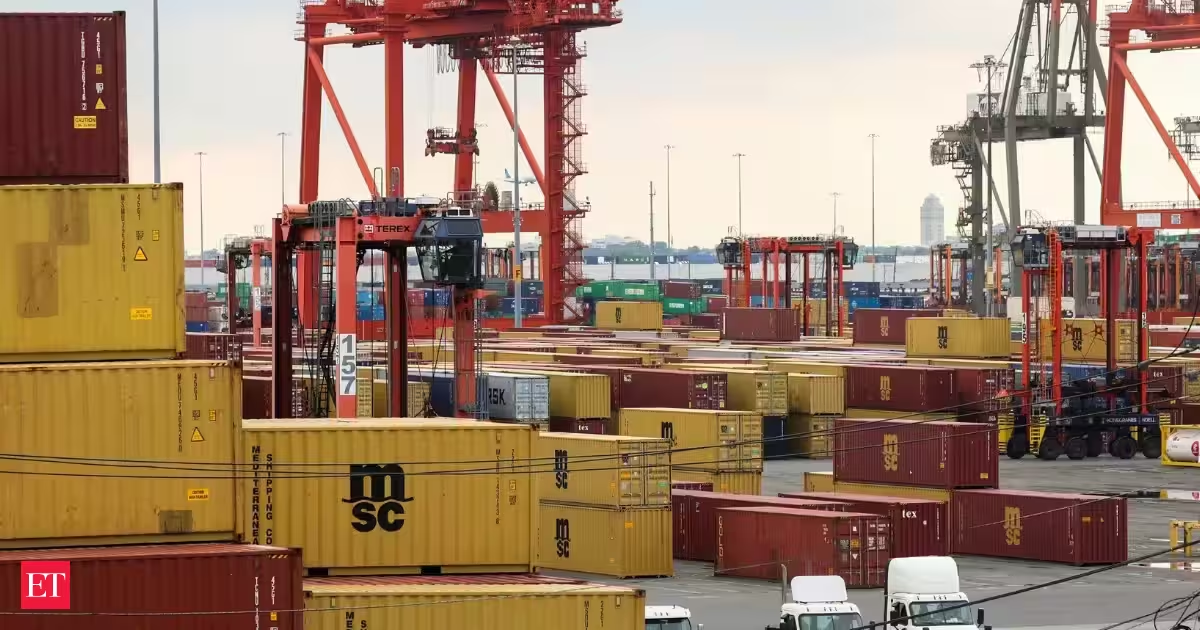
Los Angeles: An early seasonal surge in U.S. container import volume, driven by shippers racing to avoid higher fuel surcharges tied to the U.S.-Israeli war with Iran and new U.S. tariffs, is ending, according to research released on Friday.The Global Port Tracker report from the National Retail Federation and maritime consultancy Hackett Associates expects import volume at the nation's major container ports to remain high this month before declining for the rest of 2026.Read more: US has refunded about $100bn in Trump tariffsFreight forwarders, which arrange transportation for clients, backed the report's assessment."The front-loading wave has passed its peak," said Ted Chen, director of ocean freight at Dimerco Express Group. Temporary 10% global tariffs that took effect in February expired on July 23. A new round of 10% to 12.5% tariffs, which cover 60 economies and affect 99% of U.S. imports, took effect the next day. This year's busiest month appears to have arrived in May, according to the report. The peak container shipping season, which historically came in late summer or fall, has become earlier and smoother in recent years due to shippers' experience managing supply-chain disruptions ranging from the pandemic and wars to rapidly changing U.S. tariffs.Read more: Parl panel for early conclusion of India-US trade pact, tariff exemptions on key goodsRetailers, which account for roughly half of U.S. container imports, are now adept at navigating supply-chain shocks, NRF Vice President for Supply Chain and Customs Policy Jonathan Gold said."Retailers will be well stocked for the coming holiday season," Gold said.Data on July container import volume is expected in the coming days.The Global Port Tracker report expects August volume to fall 4.2% from a year earlier to 2.2 million 20-foot-equivalent units for seaports including Los Angeles/Long Beach, New York/New Jersey and Houston. It forecast a steady decline in imports each month for most of the rest of the year, although volumes will be above 2025 levels.Nevertheless, Chen predicted ocean transport prices will stay elevated."The cost floor isn't moving: fuel and canal surcharges won't fall with demand."
Early surge in US container imports coming to an end, shippers say
US container import volume, driven by tariffs and war surcharges, has peaked. Shippers are now well-stocked for the upcoming holiday shopping season. Import volume is expected to decline for the remainder of 2026. However, ocean transport prices will likely remain elevated due to fixed costs. This shift reflects retailers' improved supply chain disruption management capabilities.
338 words~2 min read