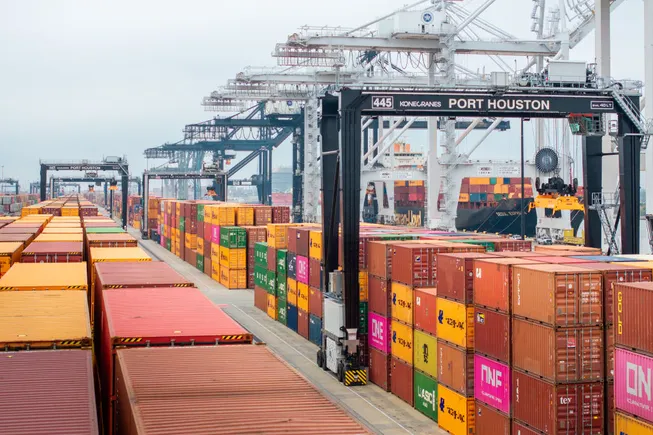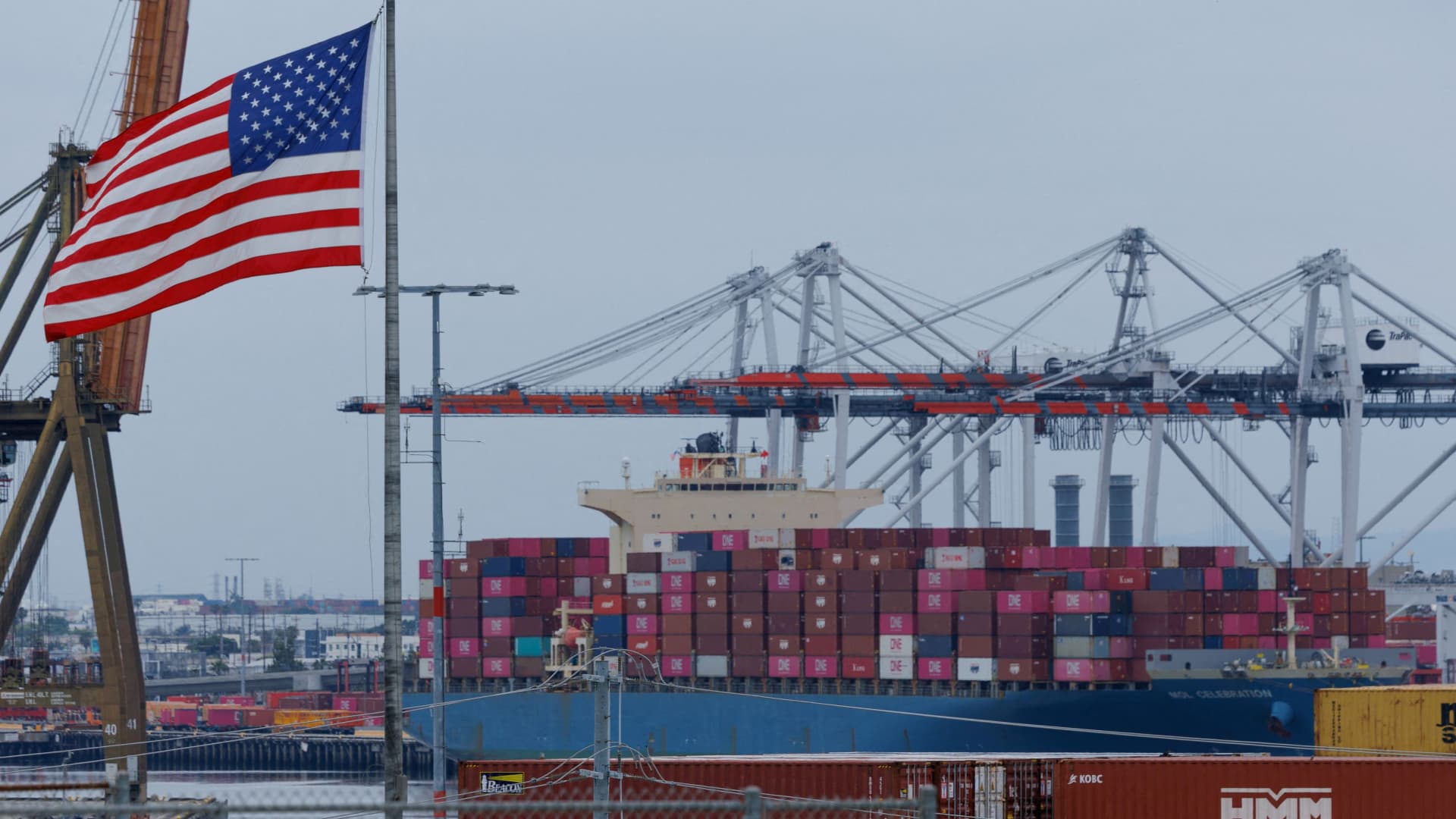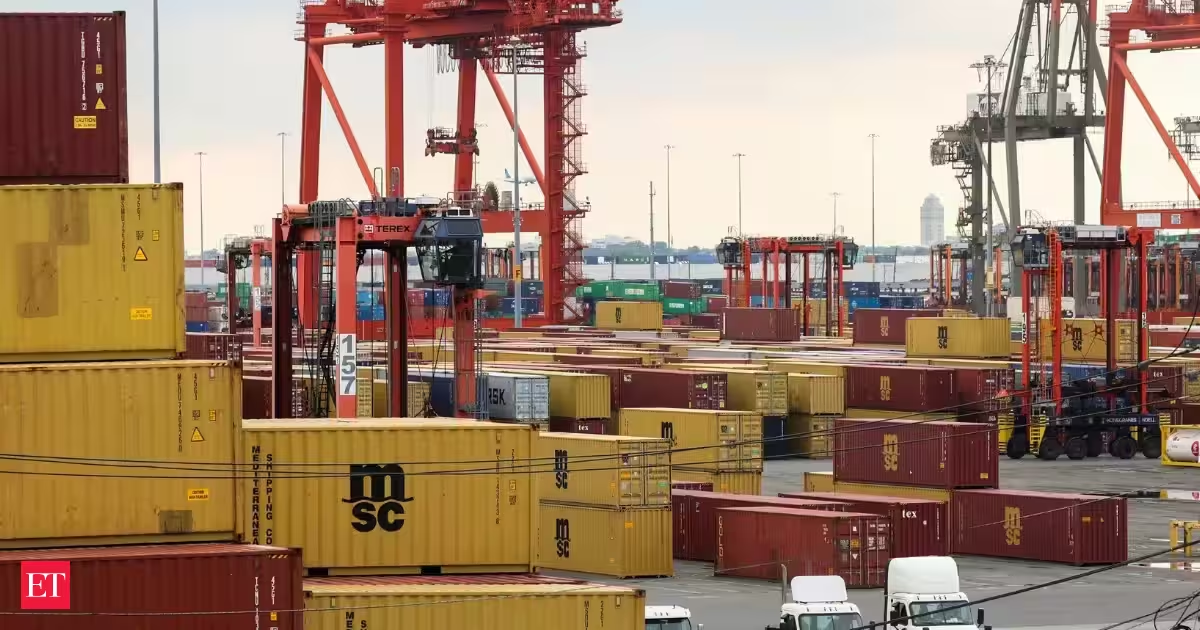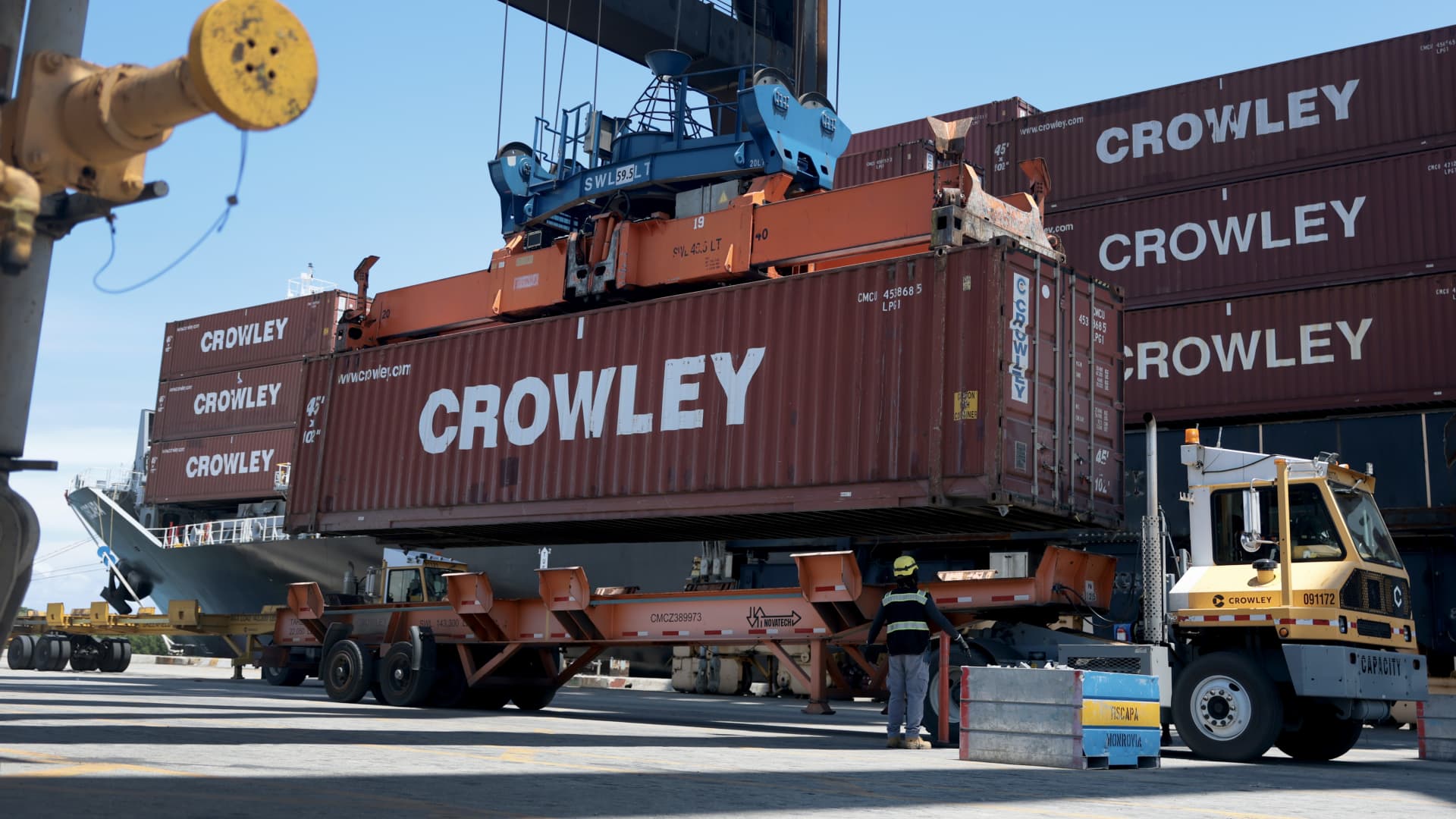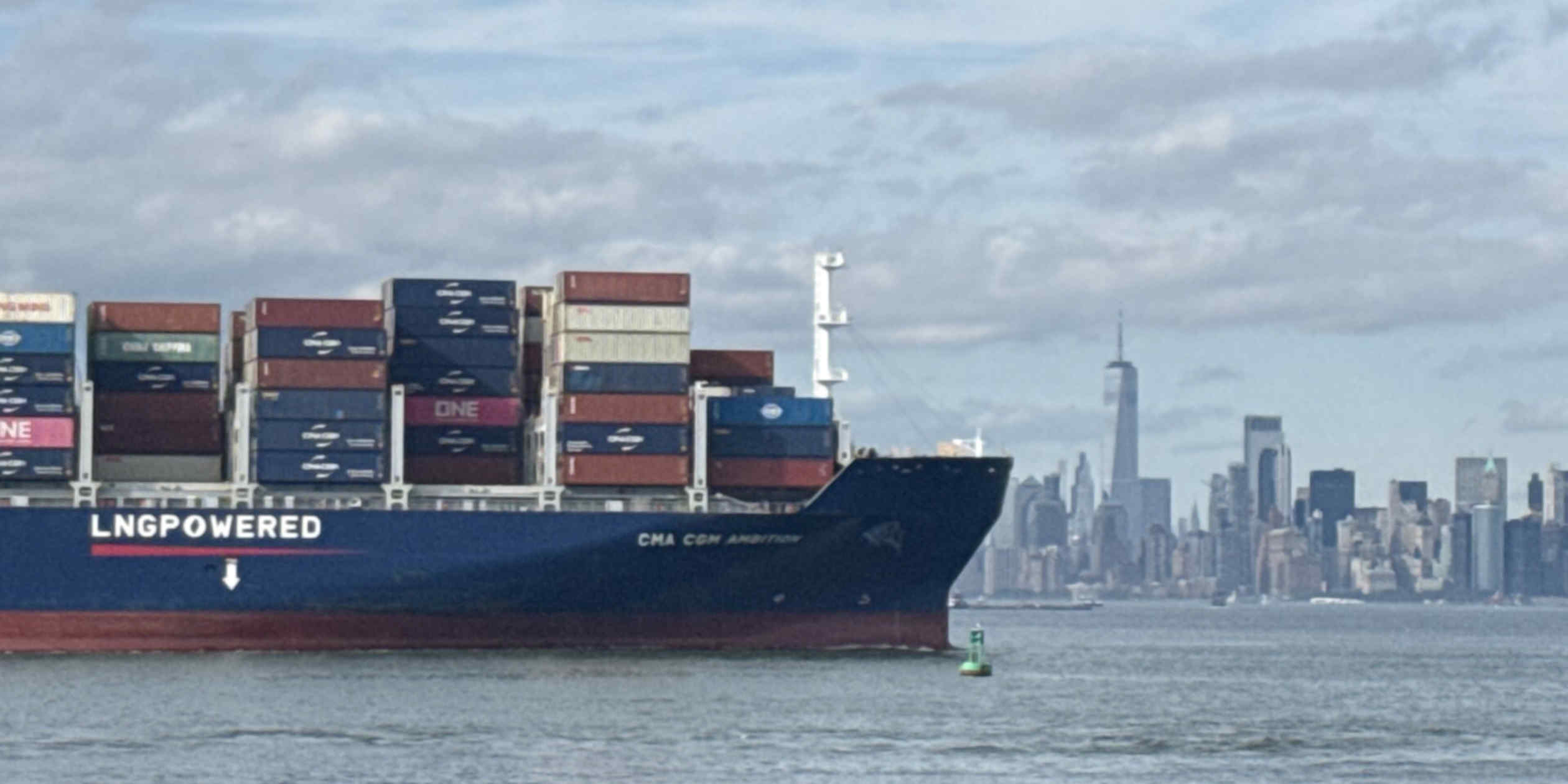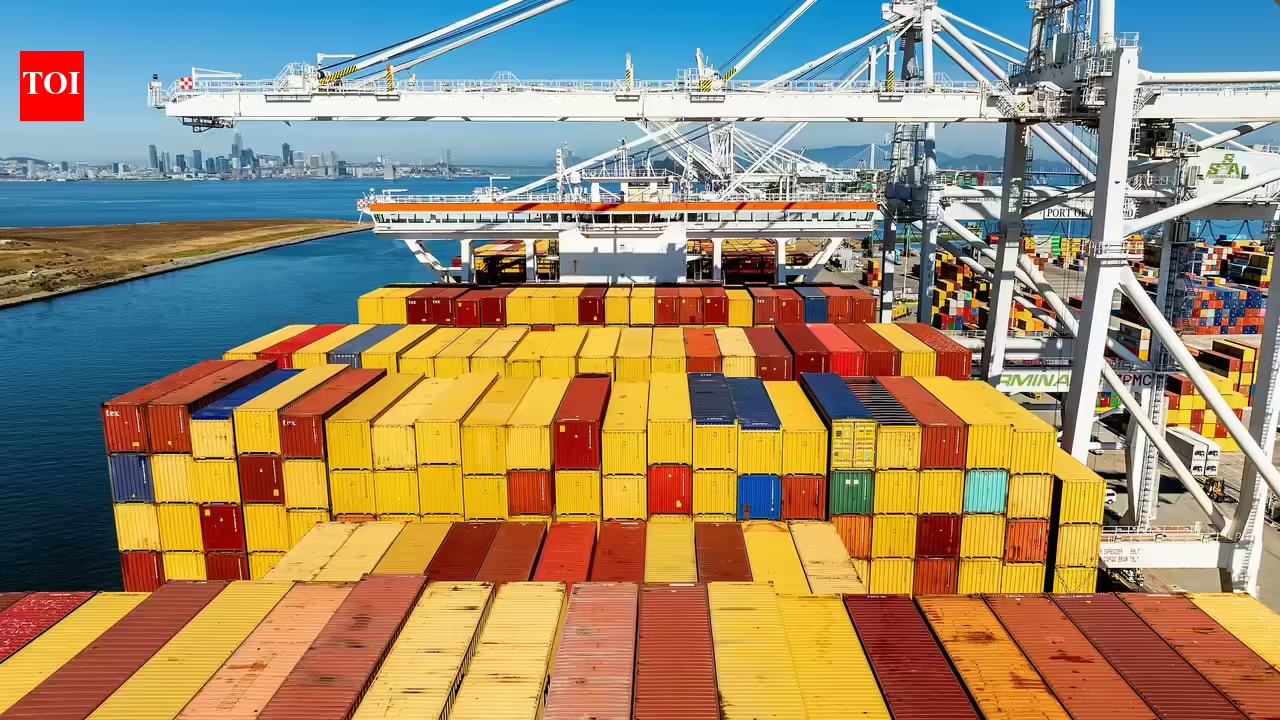
American importers collectively decided to hit the gas in June, pulling forward as much cargo as possible before a wall of new costs kicked in on July 1. US seaports handled 2,400,627 twenty-foot equivalent units (TEUs) during the month, an 8.2% jump compared to the same period last year, according to data from the Descartes Systems Group.
The number is eye-catching on its own. It’s even more striking when you consider that total imports for the first half of 2026 actually declined 0.3% compared to the first half of 2025. In other words, June wasn’t organic growth. It was a sprint to the finish line before the rules changed.
Why importers were in such a hurry
Two forces converged to create the June surge: rising tariffs and fuel surcharges, both set to take effect on July 1, 2026.
The result was a classic front-loading pattern. Retailers and manufacturers crammed as many shipments as possible into June, essentially borrowing from future months to avoid higher costs. Descartes noted that a similar trend had already appeared in May, suggesting the rush was building for weeks before the June spike materialized.