Primordial black holes could rewrite our understanding of dark matter and the early universe. A record-breaking detection at the bottom of the Mediterranean Sea has some physicists wondering if we just spotted one.
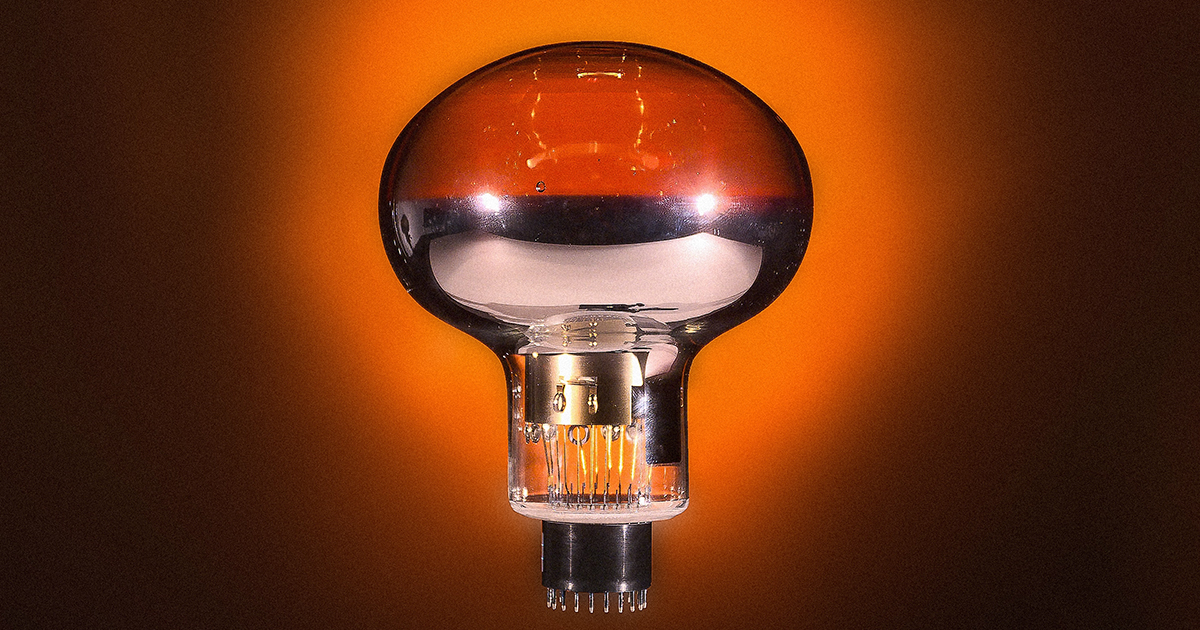
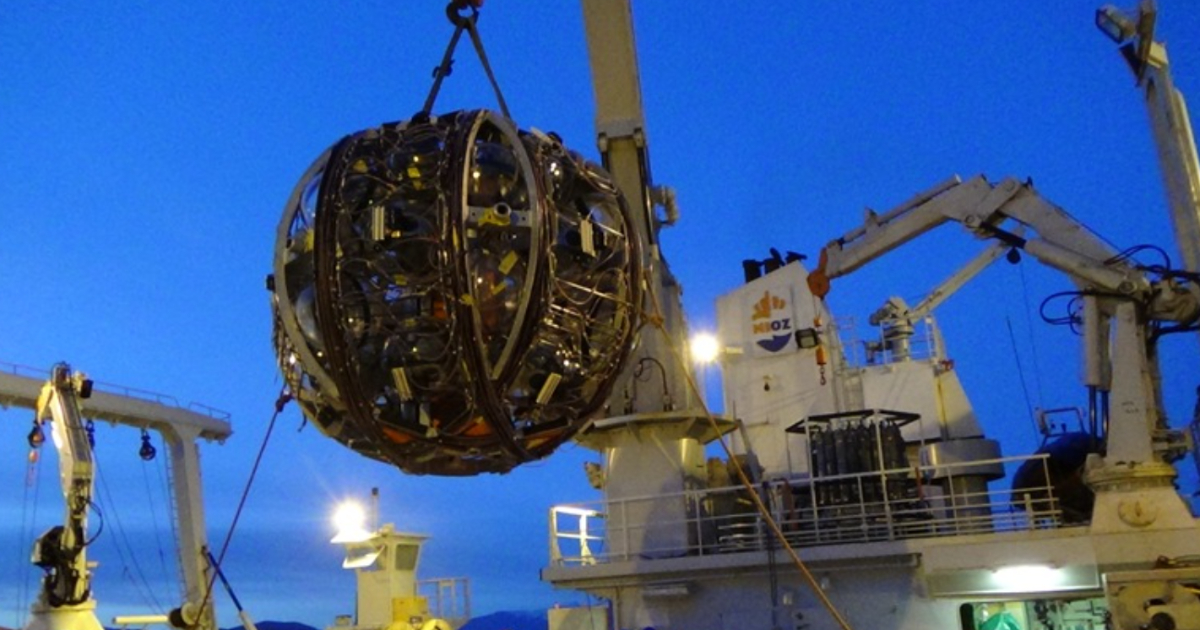
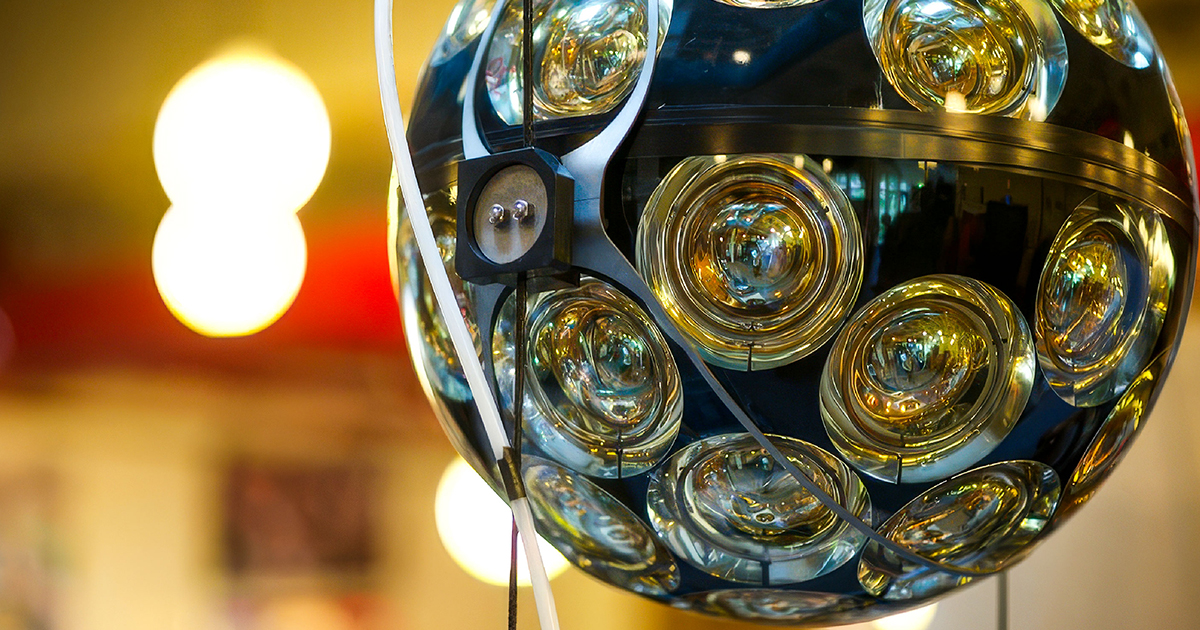
Strings of optical modules like this make up the underwater KM3NET neutrino detector.
Courtesy of KM3NET
Introduction
Nearly three years ago, a particle from space slammed into the Mediterranean Sea and lit up the partially complete Cubic Kilometer Neutrino Telescope (KM3NET) detector off the coast of Sicily. The particle was a neutrino, a fundamental component of matter commonly known for its ability to slip through other matter unnoticed.