In April and May 2026, all of the 50 hottest cities in the world were located in India, an ominous distinction for the country, which is witnessing deep, systemic climate stress. This trend has continued unabated into subsequent months, with high temperatures and humidity levels driving increased use of cooling appliances such as air conditioners across many states in India.
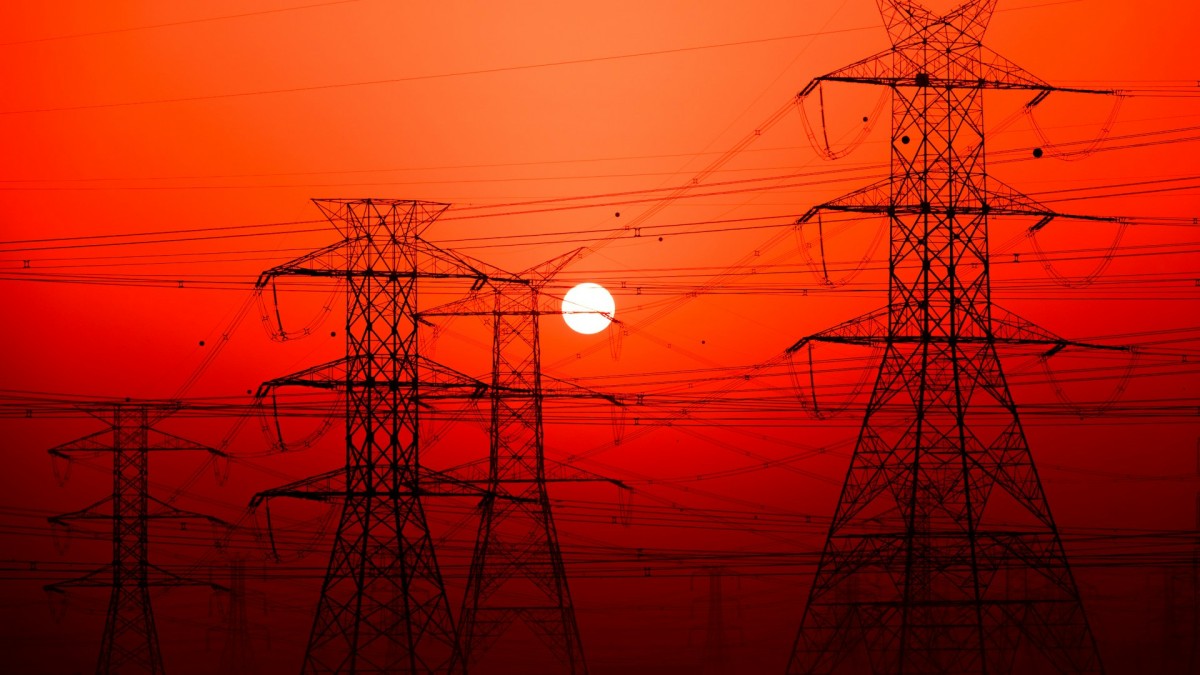
In July 2026, India’s electrical energy consumption grew 10.93 percent year-on-year to 170.70 billion units (BU). In comparison, the country’s total power consumption was 153.88 BU in July 2025. The peak power demand also jumped to 270.20 GW in July 2026. It was 220.74 GW in July 2025. The all-time record high was set in May this year with demand of 270.82 GW.
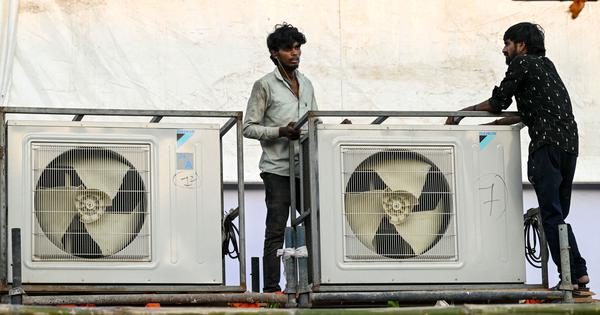
The steep rise in temperature and heat waves may be a problem for people, but for the leading air conditioner manufacturers, it is a buoyant market. Companies like Voltas and LG Electronics have reported high sales. Each had already sold over 1 million units in the first three months of the year. Panasonic India said its residential AC sales increased by 50 percent year-on-year in the summer season of 2026, representing its highest-ever level.
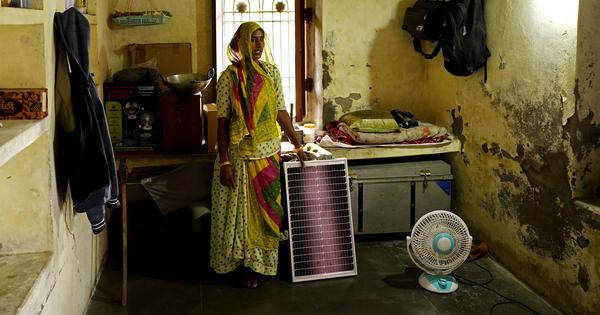
These are very high figures for a developing country, where 60 percent of the population depends on food subsidies and power bills are on a constant rise. It also demonstrates the fact that the rising middle class, not just in metros, but also in tier-two towns and beyond, is responding to the threat and discomfort of a warming climate with significant uptake of household cooling options. Access to air conditioning, seen increasingly as a significant health issue globally, also contributes to the global warming and climate crisis.