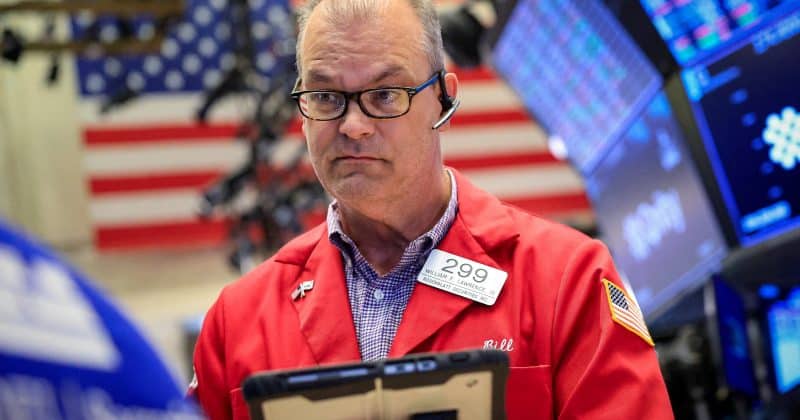
For a few weeks this summer, Wall Street had a crisis of faith. The biggest names in tech were spending money at a scale that made even seasoned investors nervous, and the stocks responded accordingly. Then the earnings came in, and the mood shifted fast.
AI-related chip stocks shed more than $1 trillion in combined value during July 2026, as investors grappled with a simple question: how much infrastructure spending is too much before it stops being an investment and starts being a liability?
The numbers that spooked the market
The anxiety had a clear trigger. Alphabet revised its full-year capital expenditure guidance for 2026 to between $195 billion and $205 billion, a figure that landed well above what analysts had penciled in. Its second-quarter capex alone came in at $44.9 billion, surpassing forecasts by a meaningful margin.
Amazon was equally aggressive. The company raised its own full-year capex forecast to $220 billion, with AI infrastructure cited as the primary driver. Put those two together with Microsoft, Meta, and Oracle, and the combined spending projection for major hyperscalers across 2026 sits somewhere between $550 billion and $700 billion.