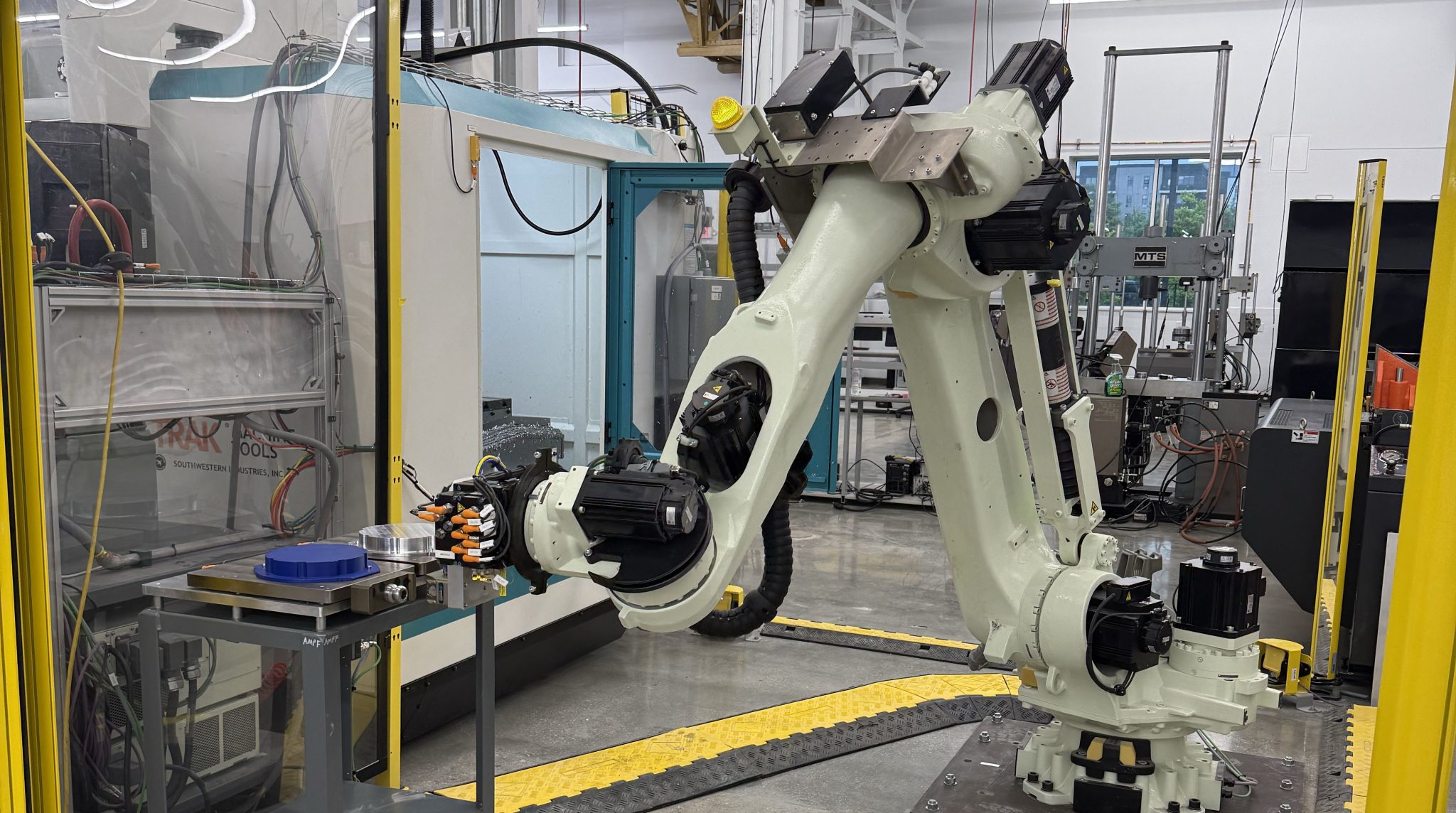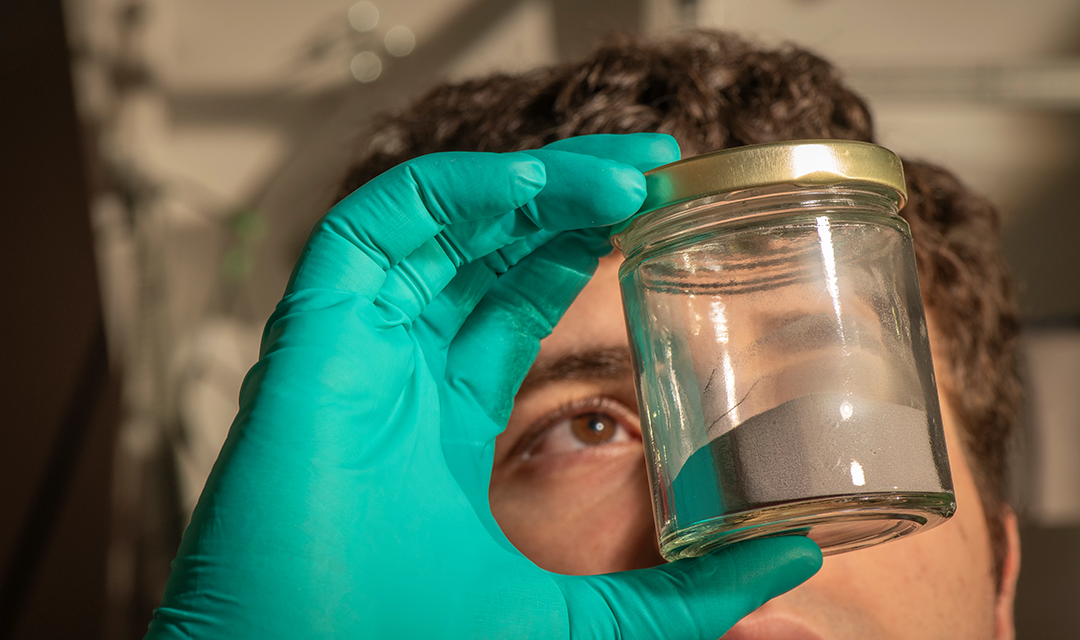
Next generation materials discovery lies at the intersection of agentic AI, computational design, and physical fabrication. To facilitate this connection, the Materials Innovation Cloud Lab (MICL) at Carnegie Mellon University is moving toward operating as a “self-driving” research environment where AI, robotics, and metallurgy converge to transform how new alloys, particularly additively manufactured ones, are developed.
Located at Mill 19 at Hazelwood Green, the state-of-the-art lab is a testbed for academic and industry research collaboration. The MICL, a component of CMU’s AI Science Foundry, provides a flexible, automated environment to develop the next generation of materials for aerospace, energy, and infrastructure. The Foundry was recently selected as a node in the U.S. National Science Foundation’s (NSF) Programmable Cloud Laboratory (PCL) Testbed, a national initiative to build a network of AI-enabled laboratories.
\
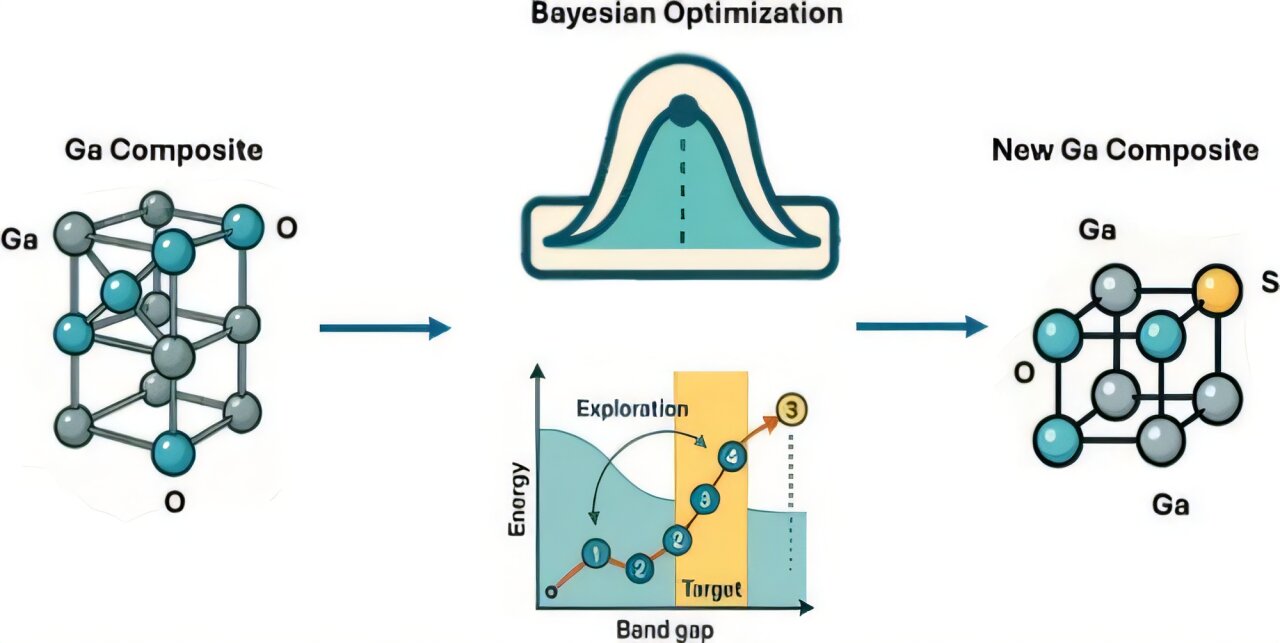
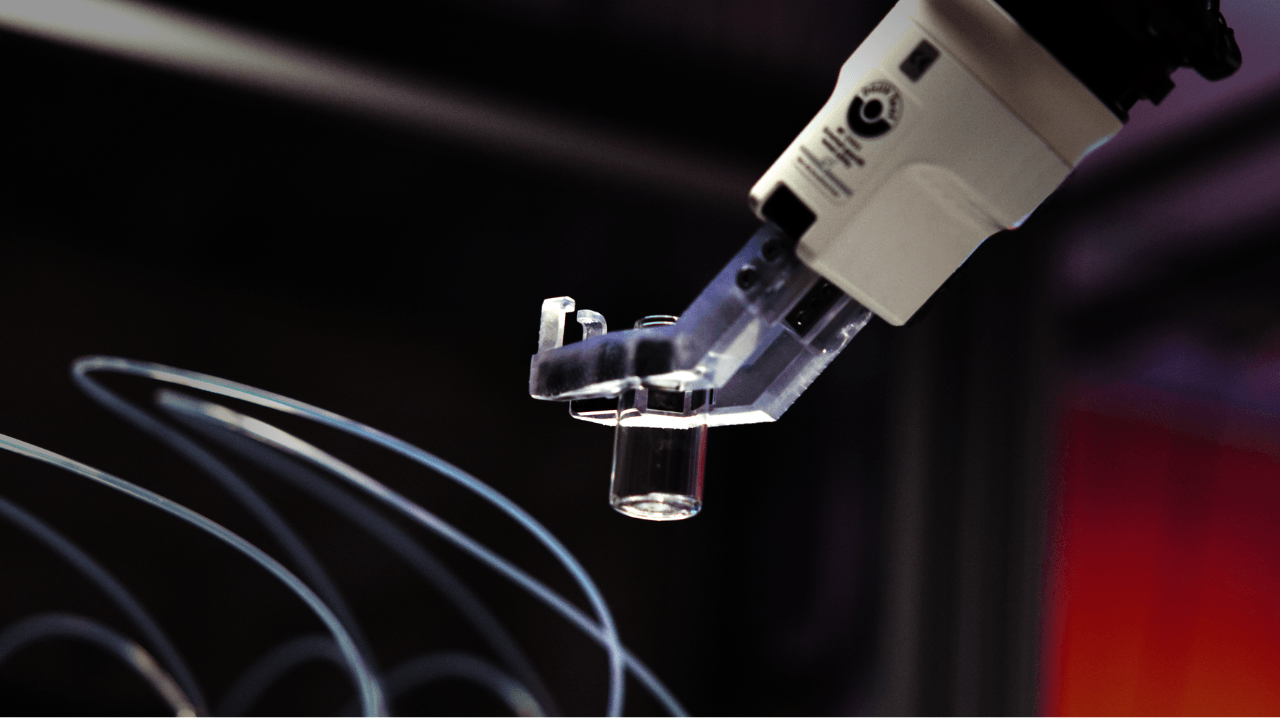
Using the Manufacturing Futures Institute (MFI) Digital Data Backbone, an infrastructure that allows AI models to orchestrate automated workflows, manage material movement, and contextualize research data, the MICL will be able to plan and execute experiments with minimal human intervention. The machine learning models plan work, manage material movement, and optimize design, supporting workflows that range from mixing raw materials to final production for additive manufacturing experiments.