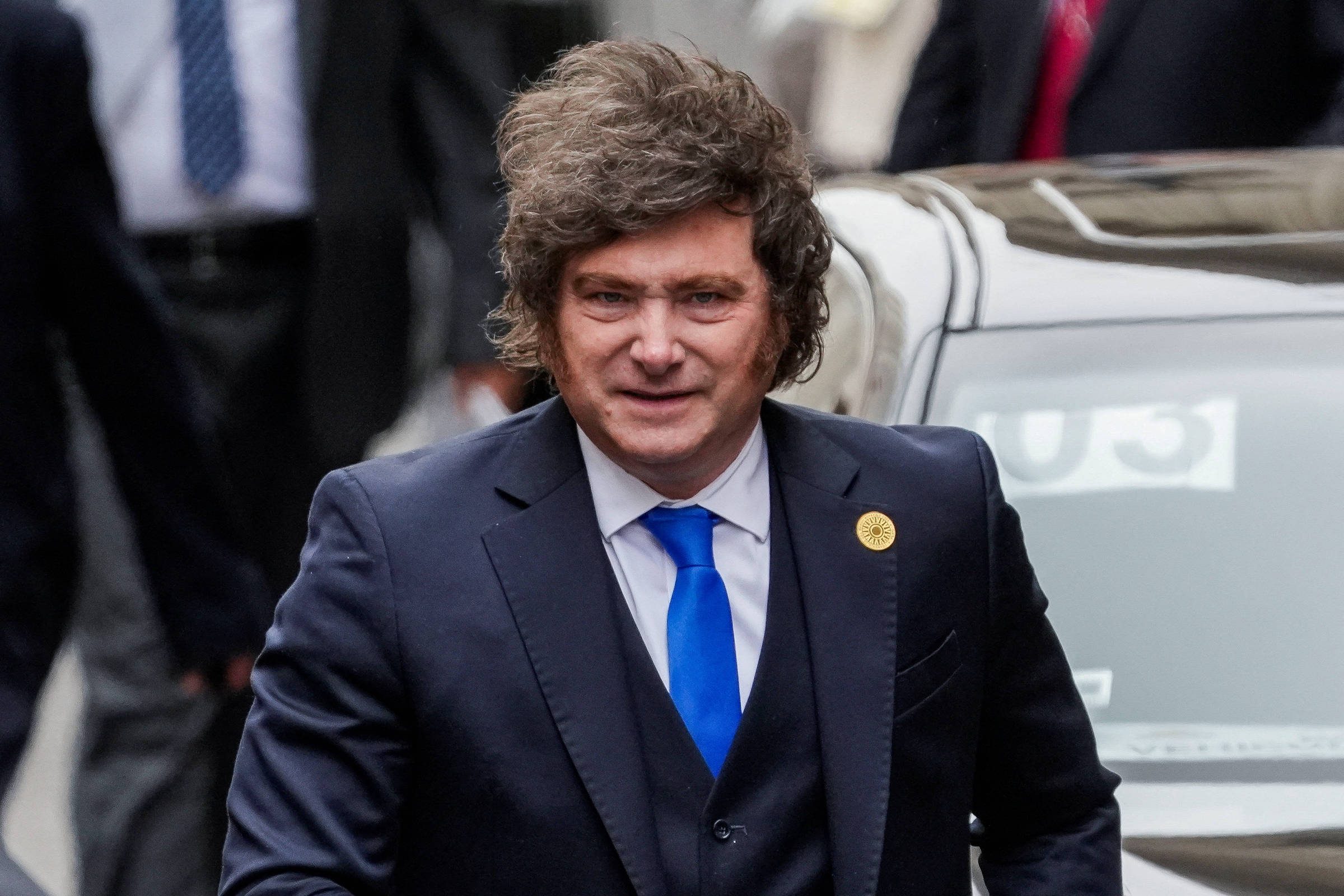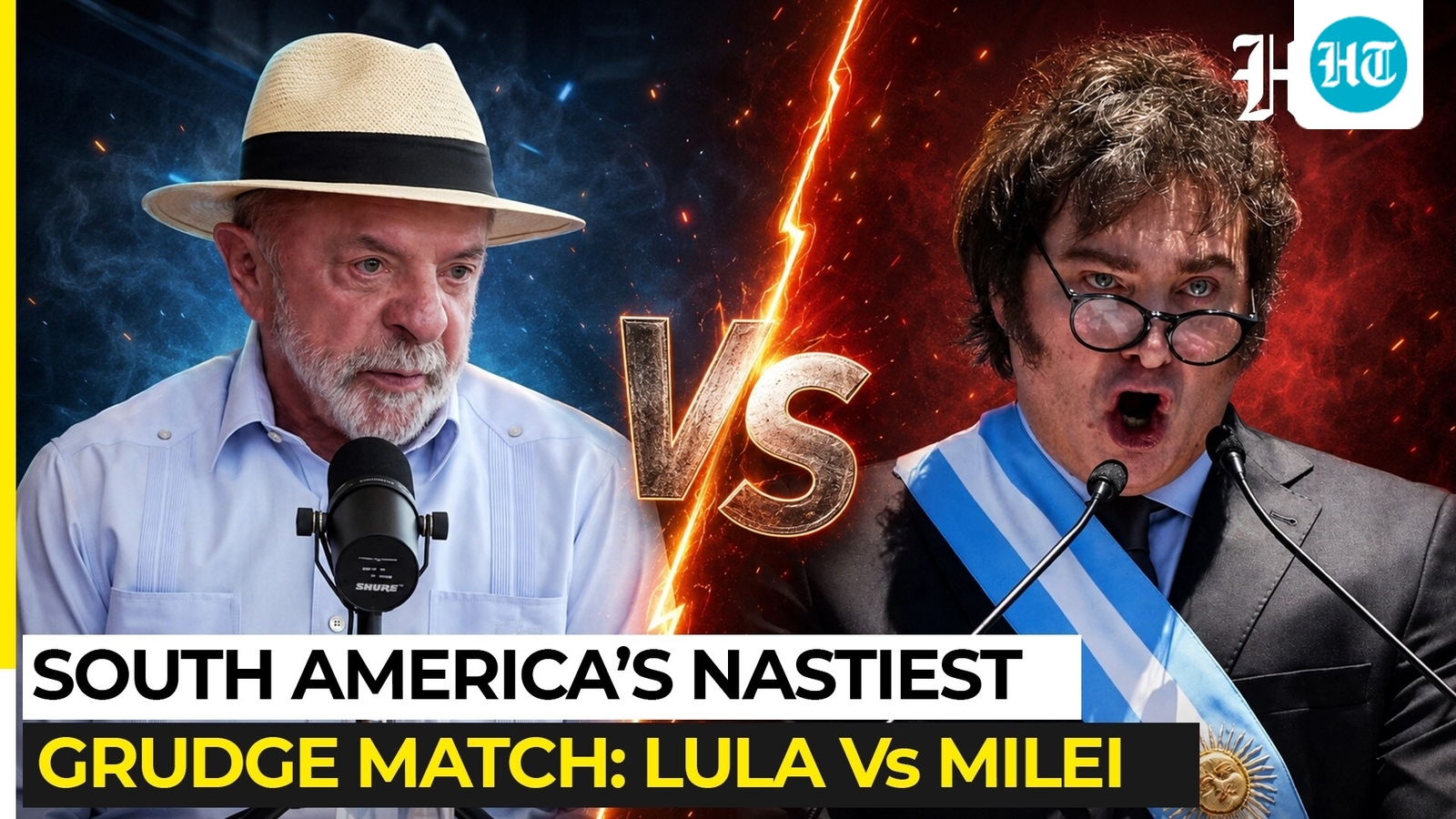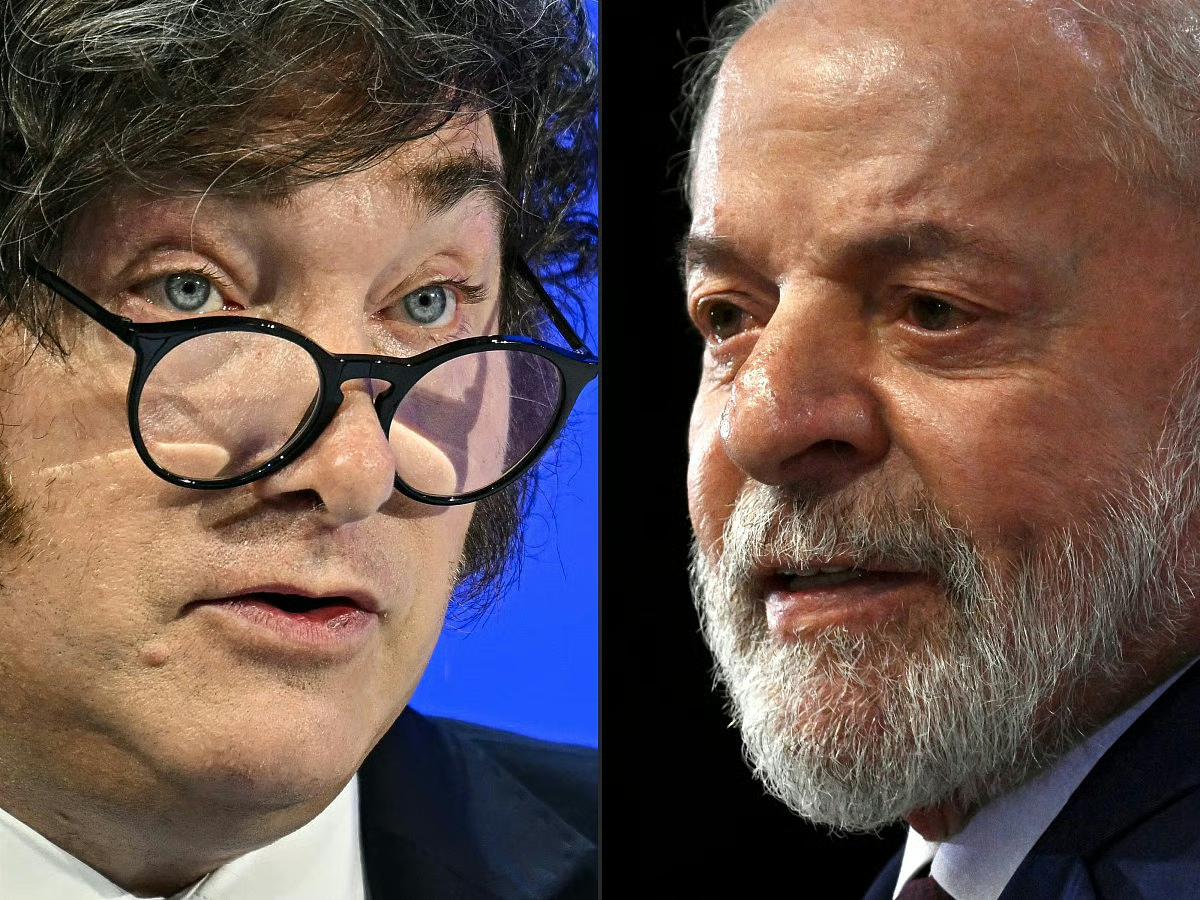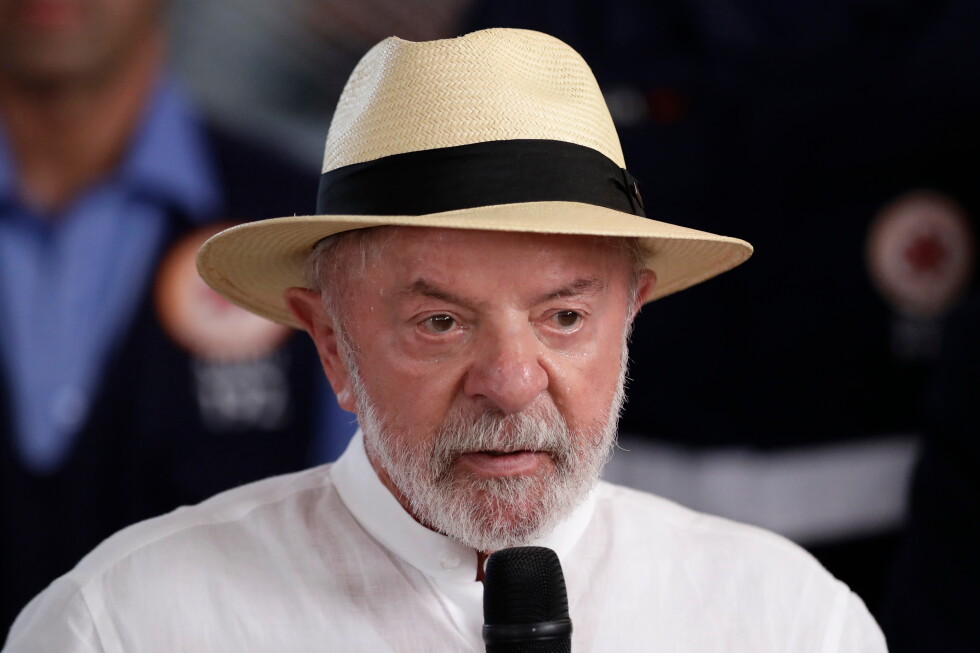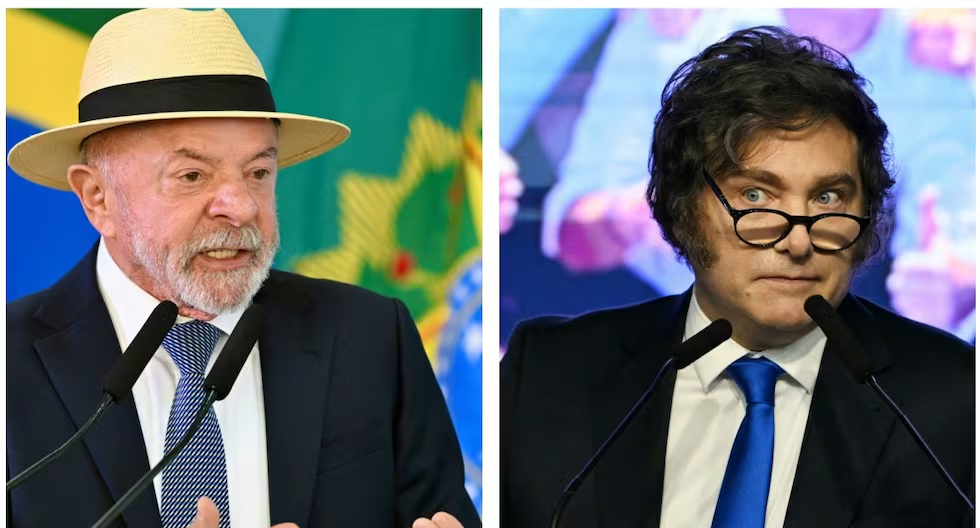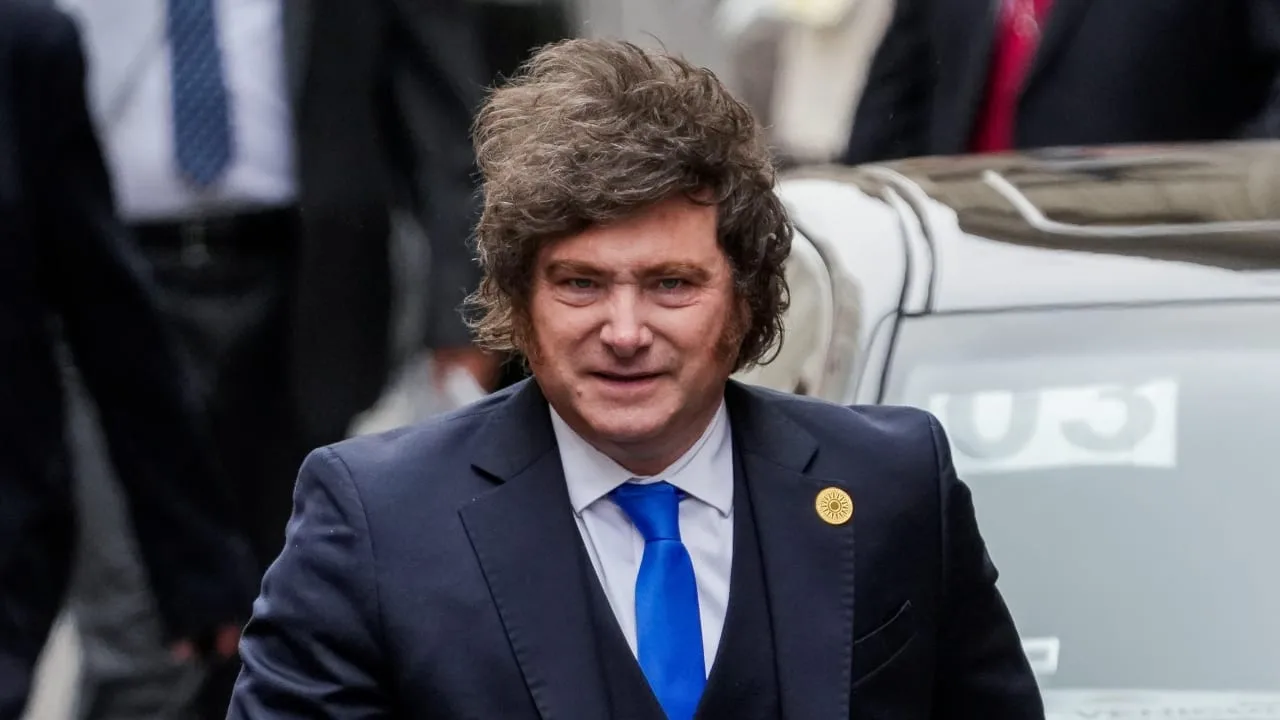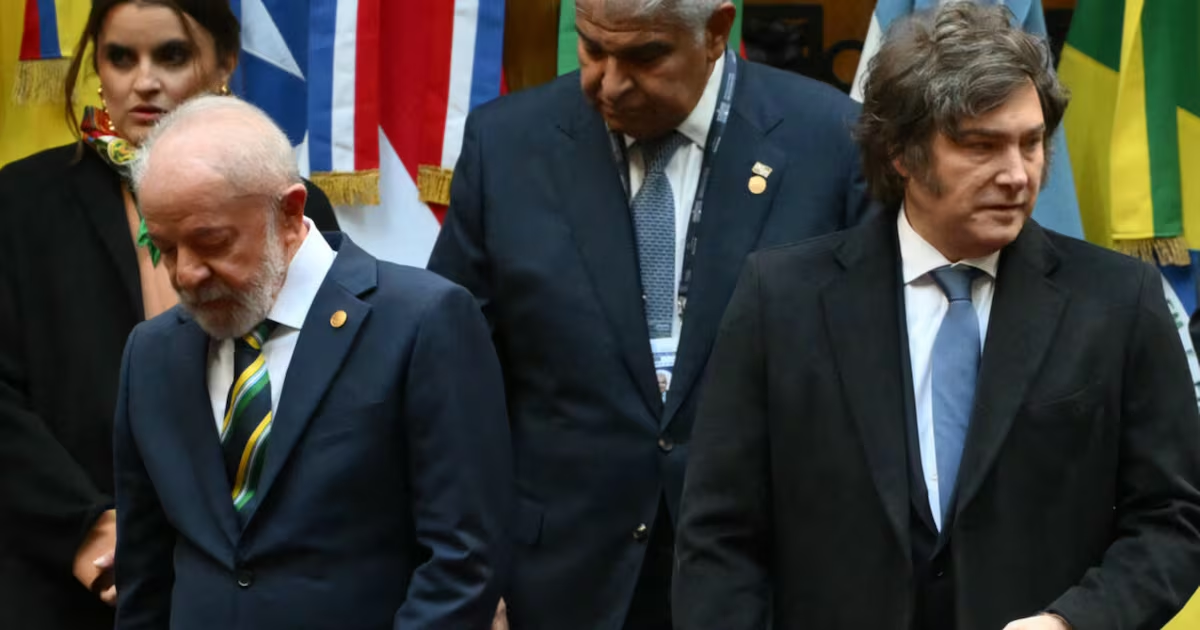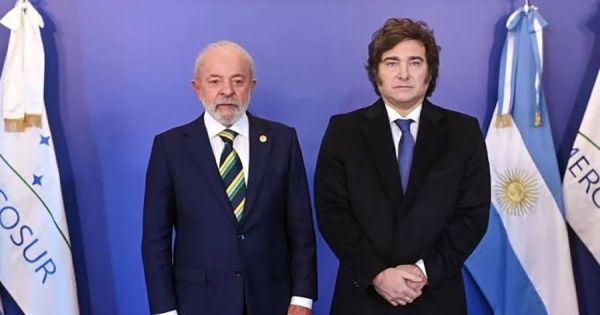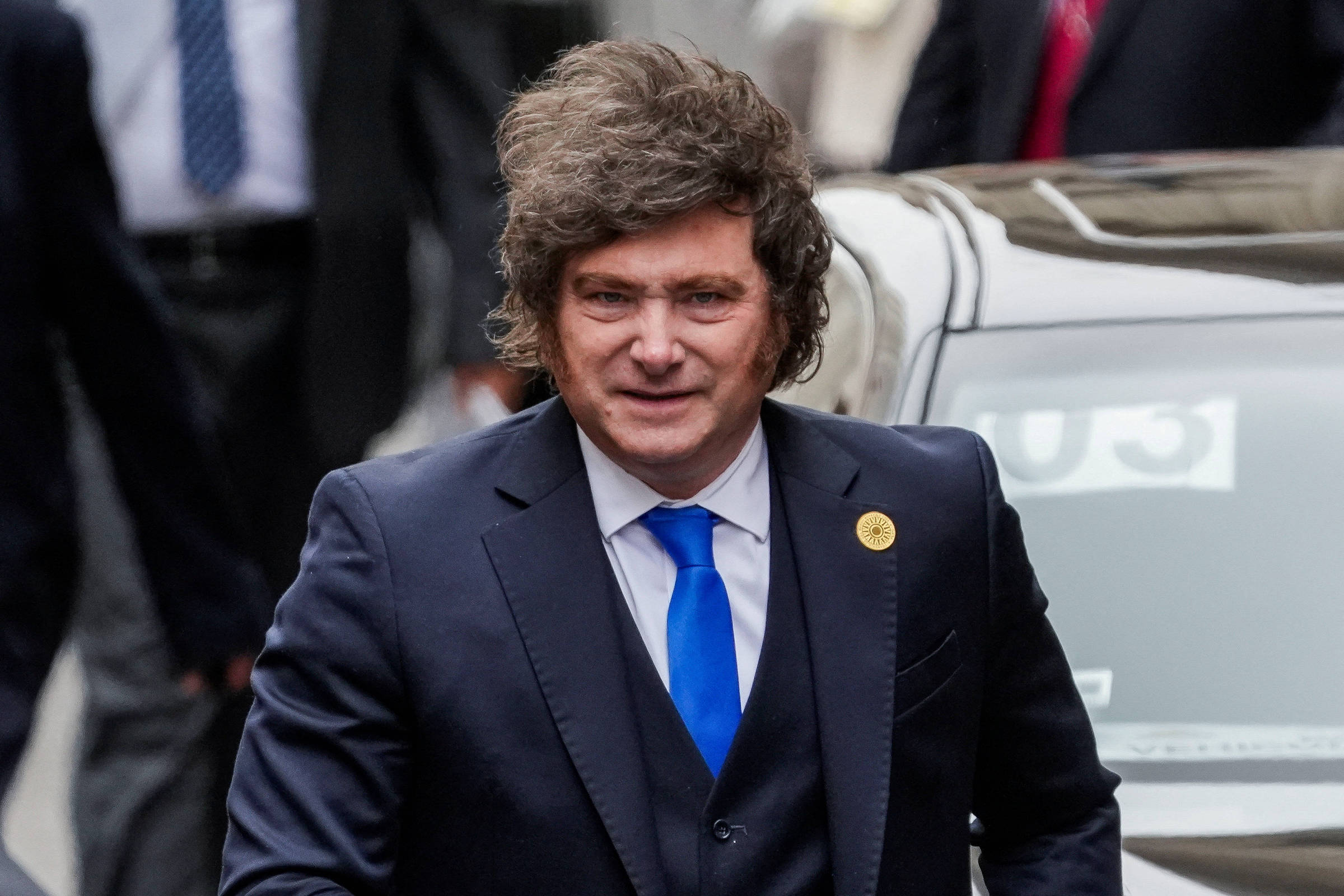
The downgrading of diplomatic relations between Brazil and Argentina, ordered by Brazil's Foreign Ministry on Tuesday (4) in response to President Javier Milei's attacks on Luiz Inácio Lula da Silva, marks the most serious crisis between the two countries in four decades of close ties.The tension began on July 25, when Milei called Lula a thief and a convict during the launch of Flávio Bolsonaro's campaign in São Paulo. Summoning the ambassadors the following day was not enough, as the libertarian leader repeated his attacks in an interview with an Argentine broadcaster last Sunday (2). According to members of Lula's government, relations will be conducted only through the chargé d'affaires in both countries as long as the attacks continue.
"This has no precedent, at least since the 19th century," says Miriam Saraiva, a professor of international relations at Uerj (Rio de Janeiro State University). "When a country has no ambassador, it has to negotiate with the second tier. Relations become more limited to maintaining what is already in place, and new initiatives cannot move forward."
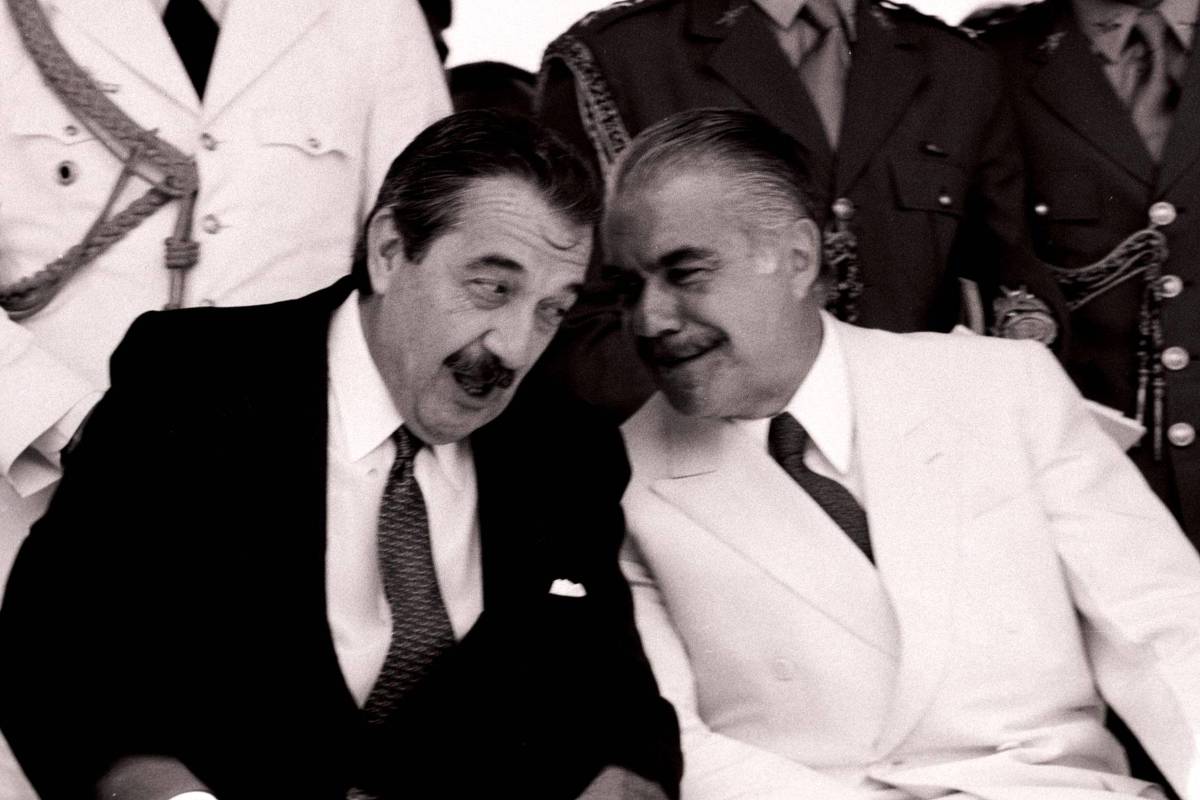
Relations between the two countries were historically marked by rivalries until the early 1980s, when they changed with the Iguaçu Declaration, signed in 1985 by José Sarney and Raúl Alfonsín, which laid the groundwork for Mercosur. Since 2019, when Alberto Fernández took power in Argentina during Bolsonaro's government in Brazil, relations have entered a new phase of deterioration. "What we have seen over the past eight years is unprecedented in these four decades. These are presidents who have no desire whatsoever to work together," says Paulo Velasco, a professor at Uerj.