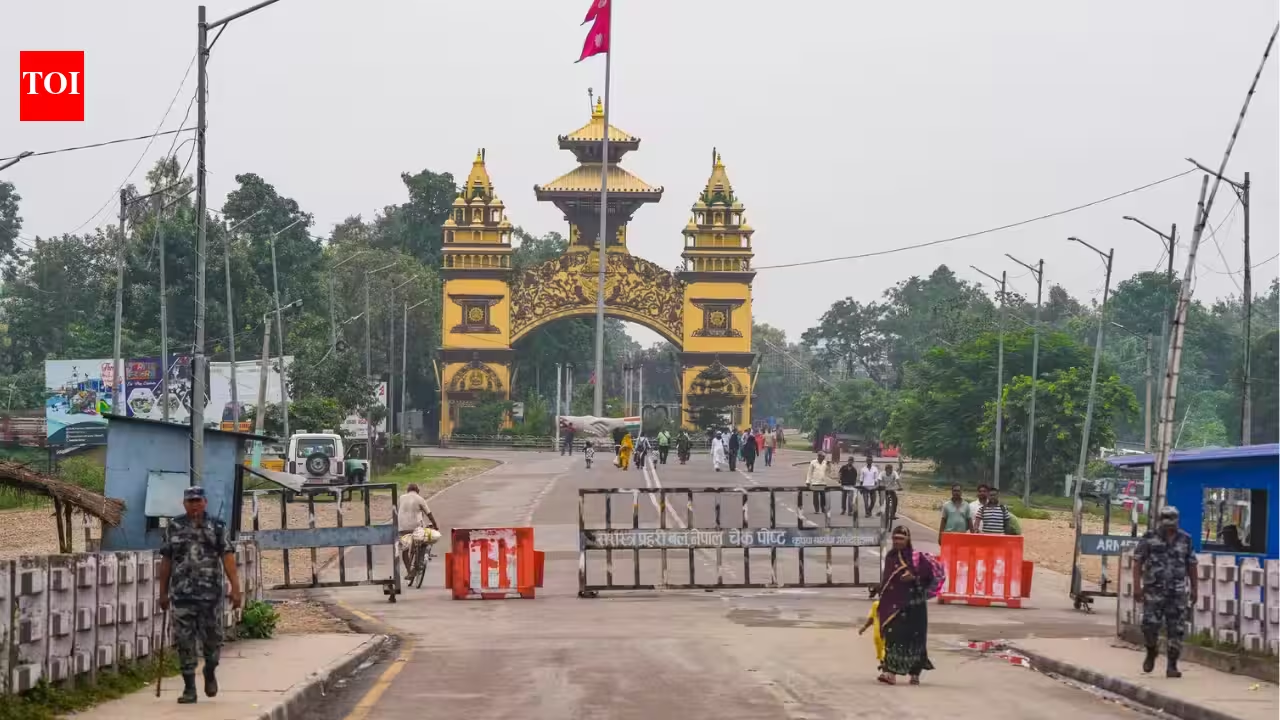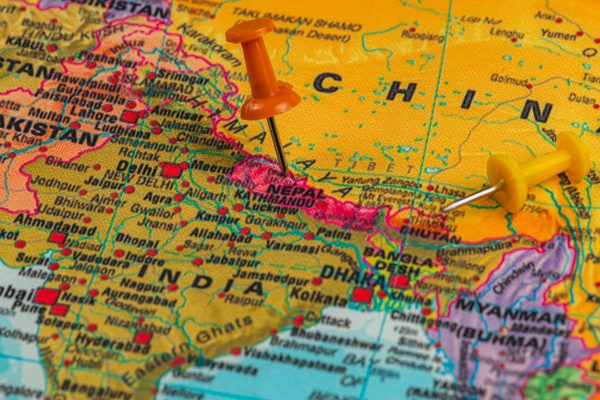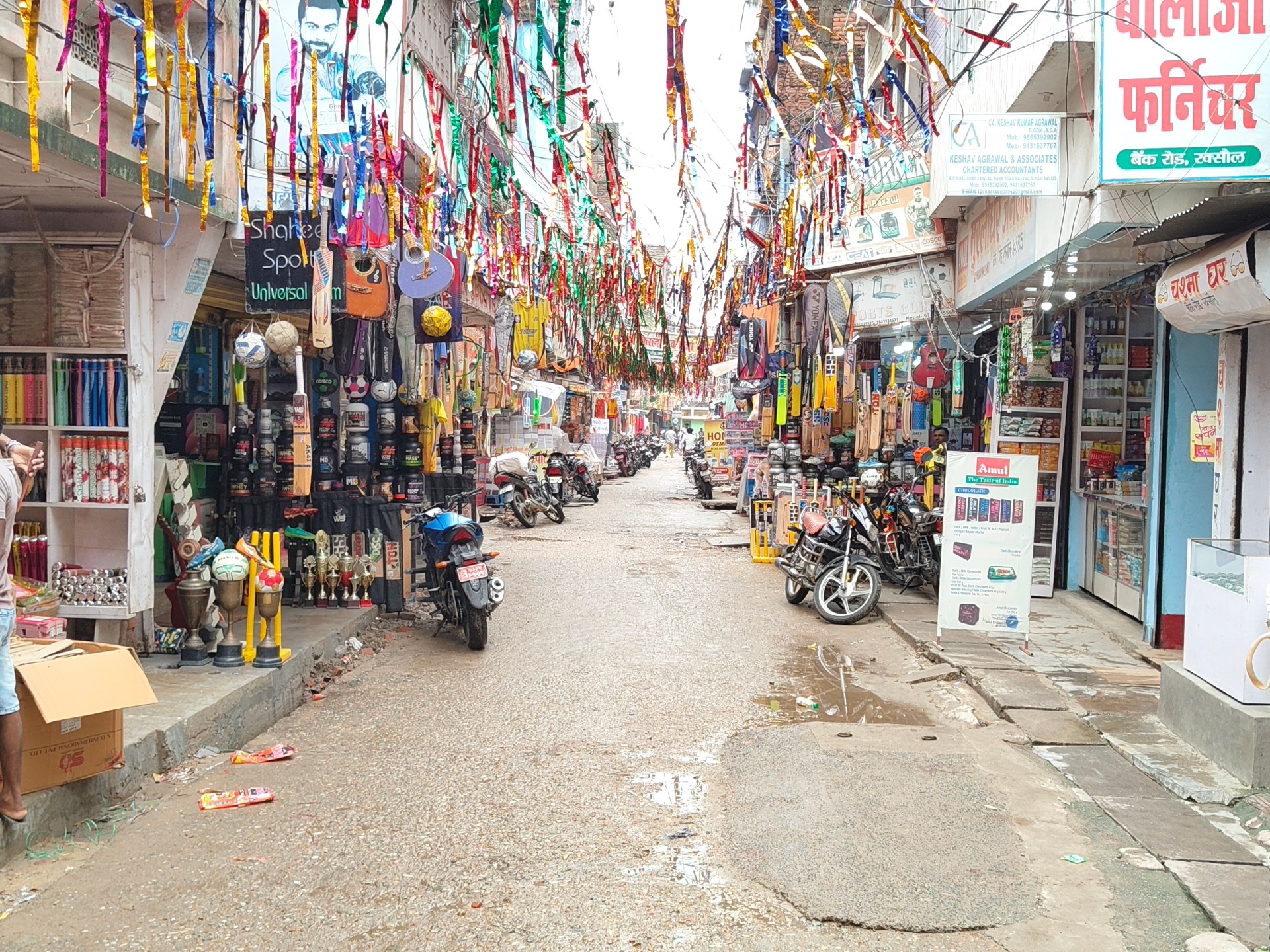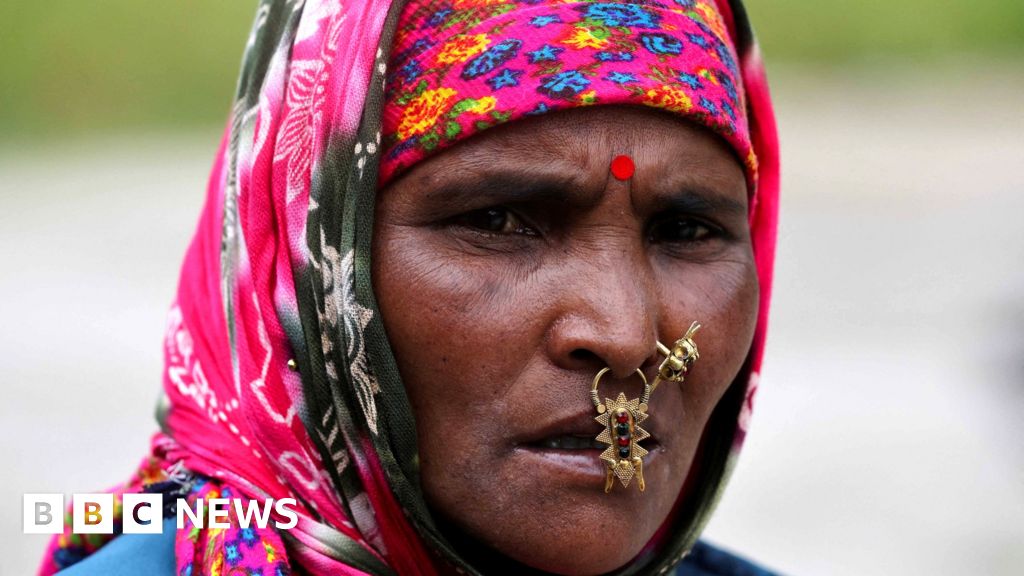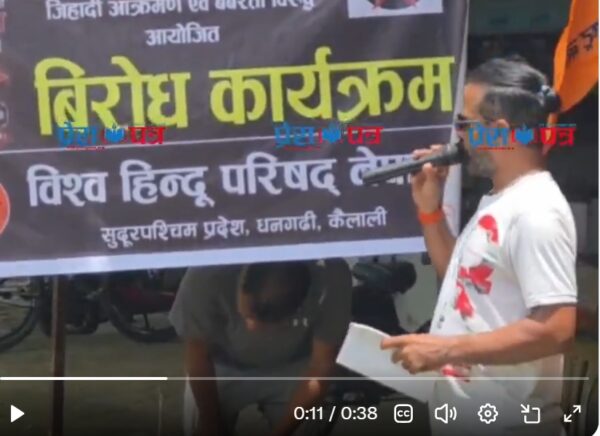
Nepal’s Tarai-Madhesh region abutting India appears increasingly prone to religious strife. With the sway of India’s Hindu nationalist groups like the Rashtriya Swayamsevak Sangh (RSS) steadily building on Nepali soil, the country is also witnessing more Hindu-Muslim tensions. While common in north India, such incidents had been rare in Nepal until recently.
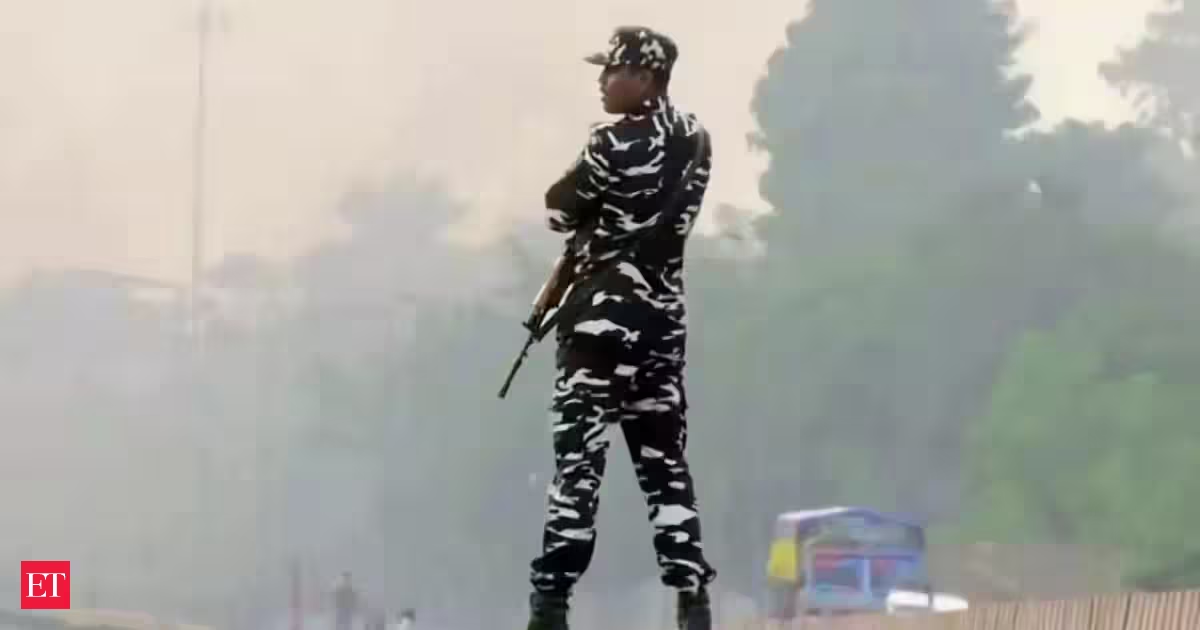
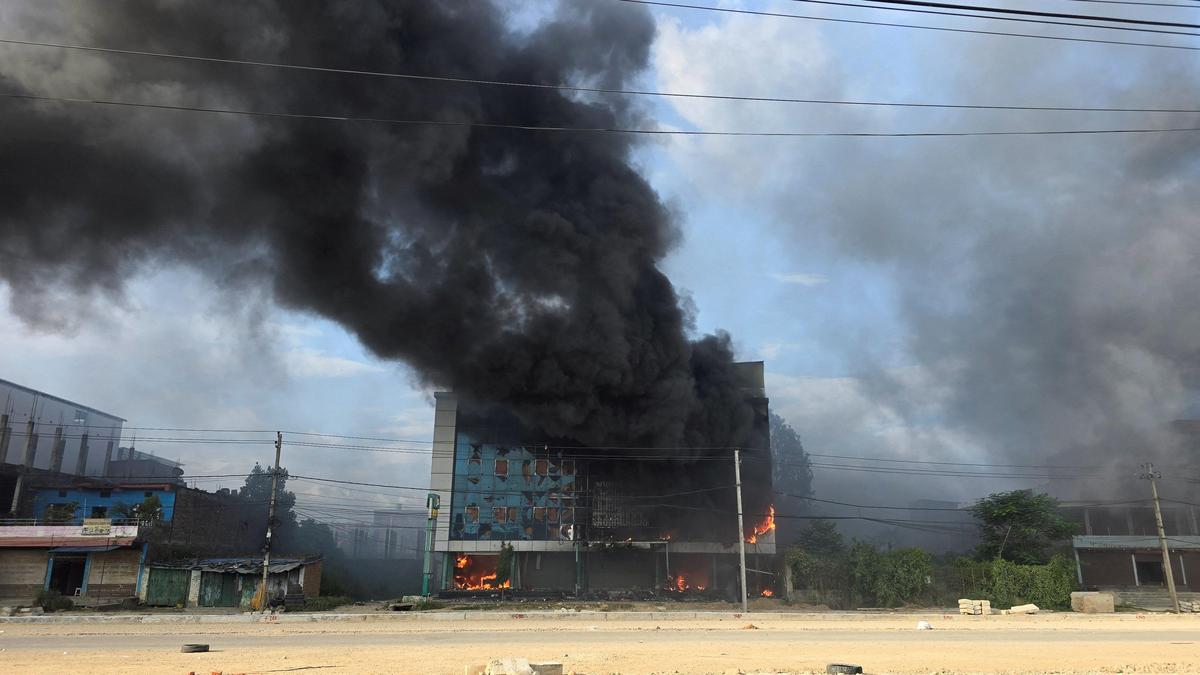
Earlier this month, four Nepali youths were killed in clashes with police. The immediate cause of the incident was a Hindu procession passing through Dewanjung in Sunsari district, blasting loud music. The local Muslims protested. A clash ensued, police intervened and three youths were killed. (A fourth died in related protests in another district.) Local accounts suggest the Hindus in the area were already angry as the organizers of Muharram — a festival that marks the start of the Islamic calendar — had yet to remove some green pennants planted for the festival a month before.
According to one newspaper investigation, there were at least 17 such incidents of Hindu-Muslim tensions in the Tarai belt in the past eight years.
Earlier, Nepali Hindus seldom felt the need to publicly assert their religious identity. But as the Hindu forces in India started the rather brazen display of anti-Muslim activities starting in the early 1990s — most infamous of which was the 1992 demolition of the Babri Masjid in Ayodhya — the observation of Hindu festivals and rituals also began to change in Nepal.