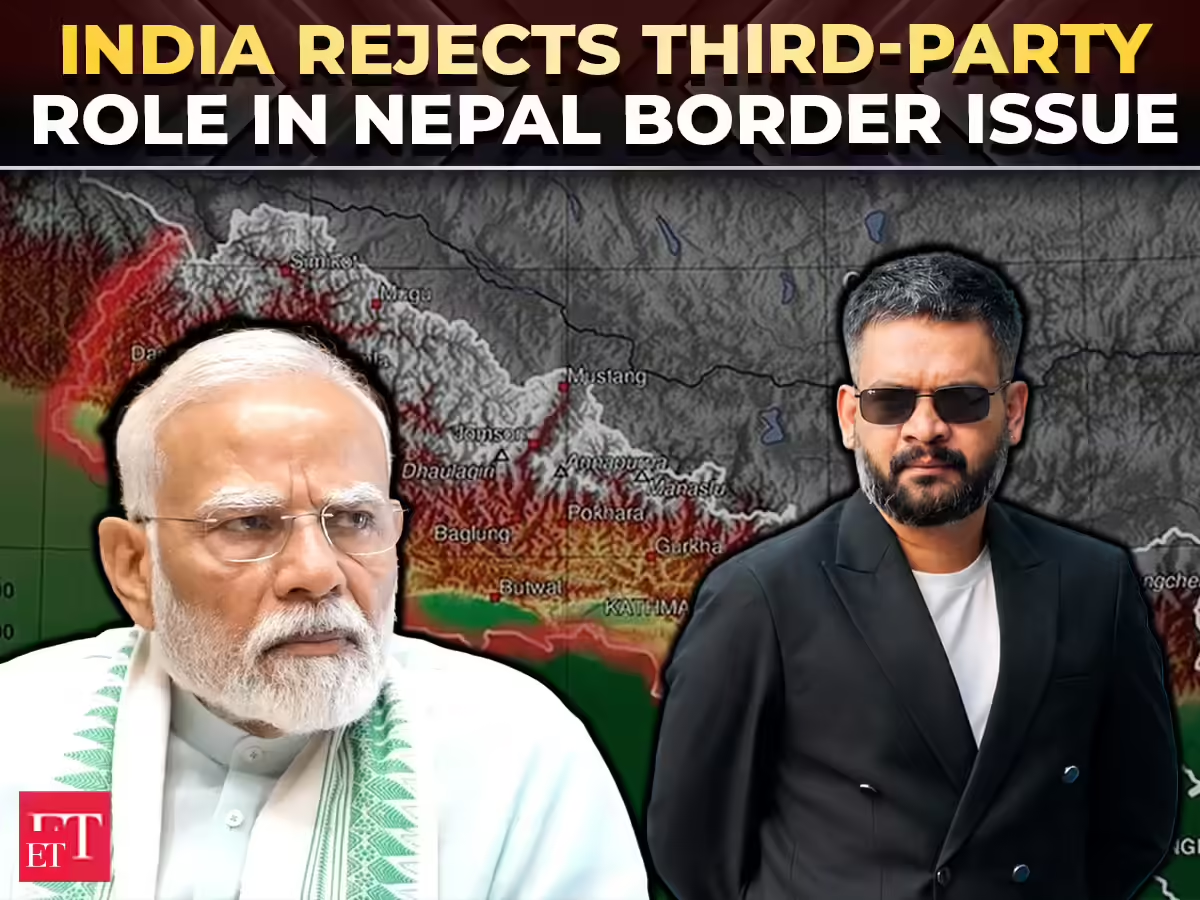
The long-standing India-Nepal dispute over Susta, one of the most geographically and politically sensitive sections of the Nepal-India border, erupted in violent clashes on August 2 between Nepali villagers and Indian border security personnel.
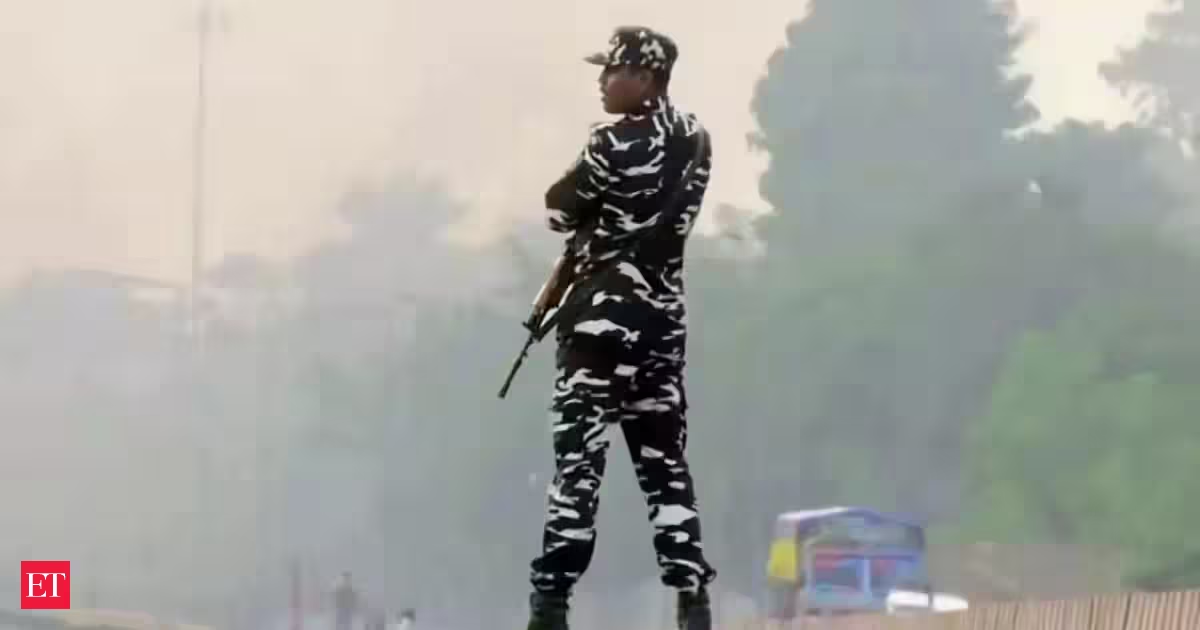
The latter had allegedly crossed into Nepali territory in Nawalparasi West and dismantled an under-construction embankment built by local residents to prevent flooding. Nepal’s Armed Police Force had to intervene to prevent further escalation.
According to Nepali media, a similar iincident happened in June, when India’s Border Security Force personnel entered an embankment construction site in Susta Municipality-5 and pressured workers to halt the project, which was part of ongoing efforts to provide protection for flood-prone settlements in the area. India is yet to respond officially to these allegations.
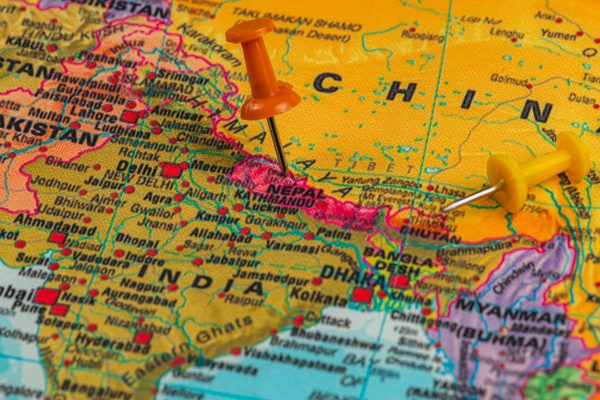
India and Nepal share a 1,800-km-long open border. Susta in southern Nepal and the Kalapani-Limpiyadhura-Lipulekh area to Nepal’s west are disputed.
With regard to the dispute over Susta, there are no boundary pillars along the 24-km stretch of this region, and India and Nepal rely on natural features such as rivers and trees to mark the boundary. The shifting course of the Gandak (also known as Narayani) river, the midstream of which formed the boundary under the Treaty of Sugauli of 1816, has further complicated the border problem here.