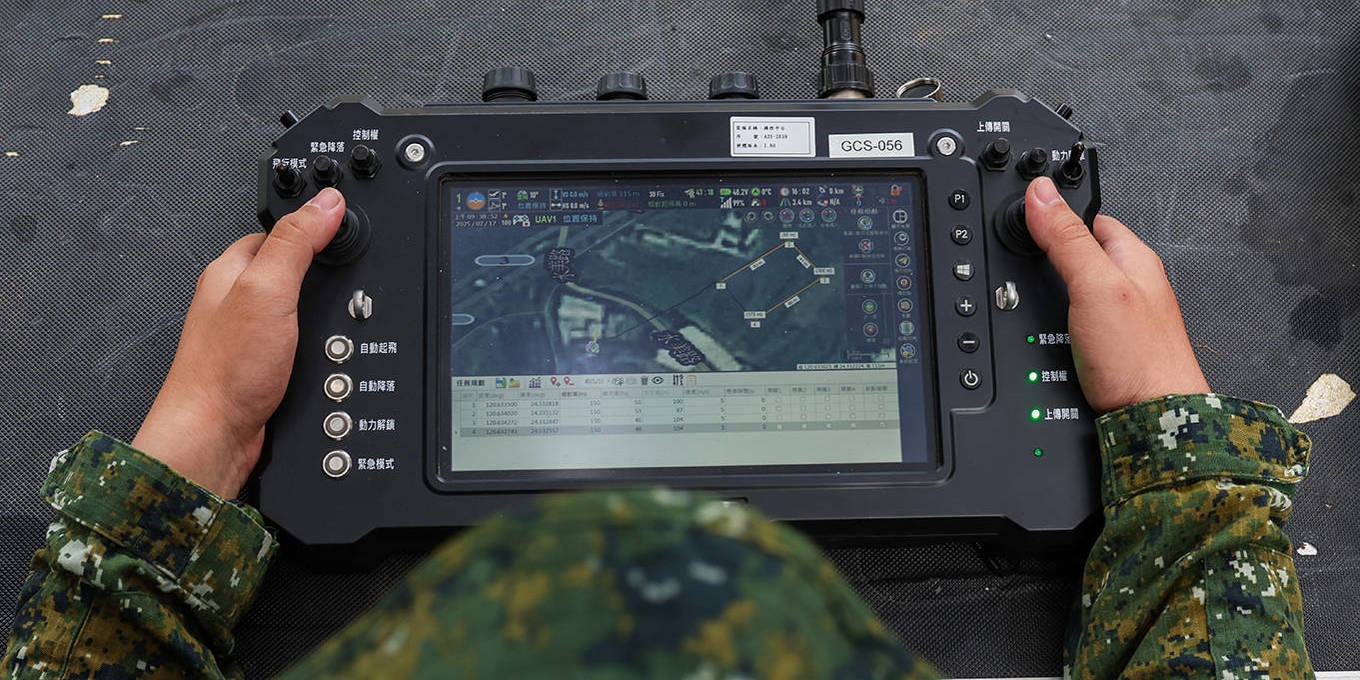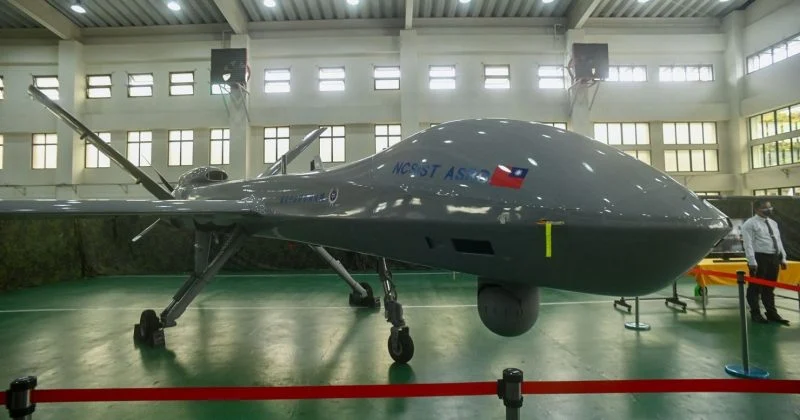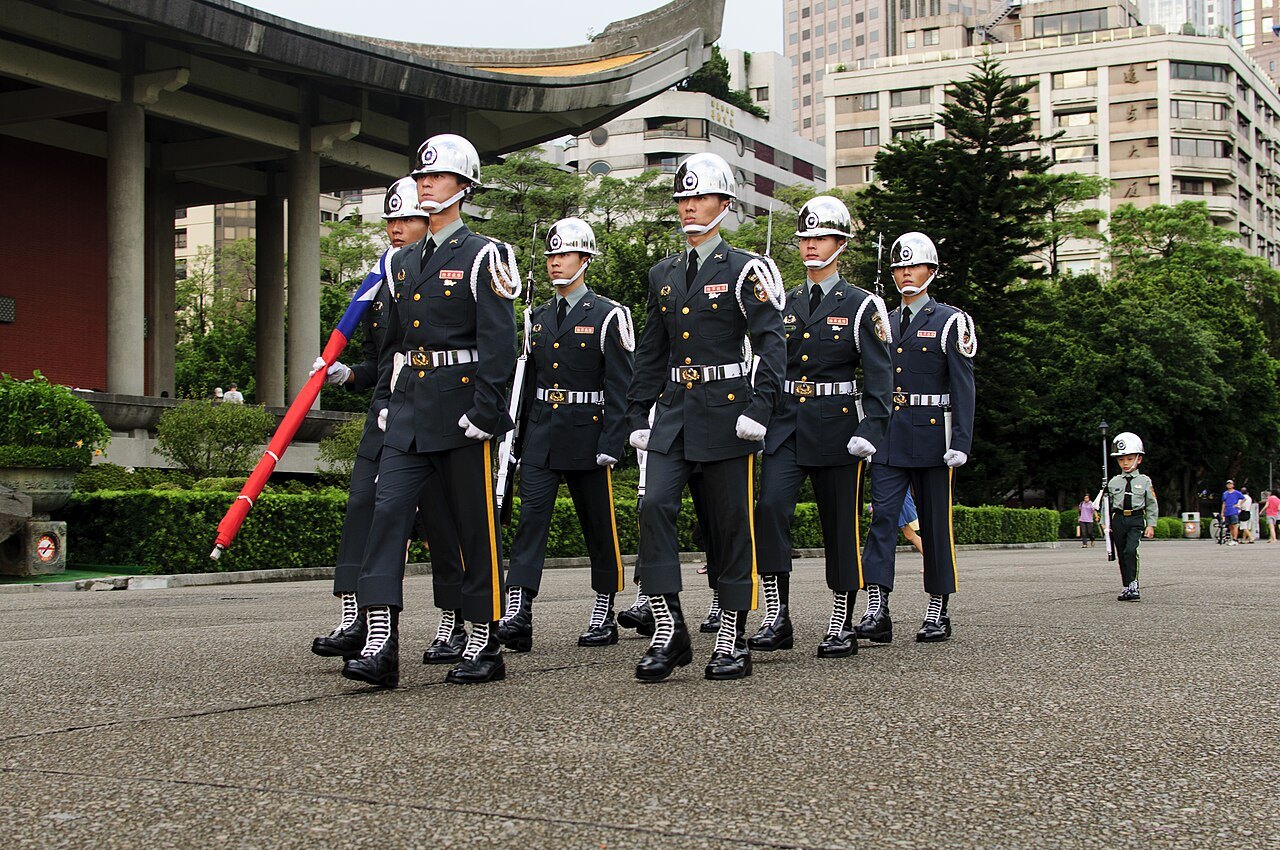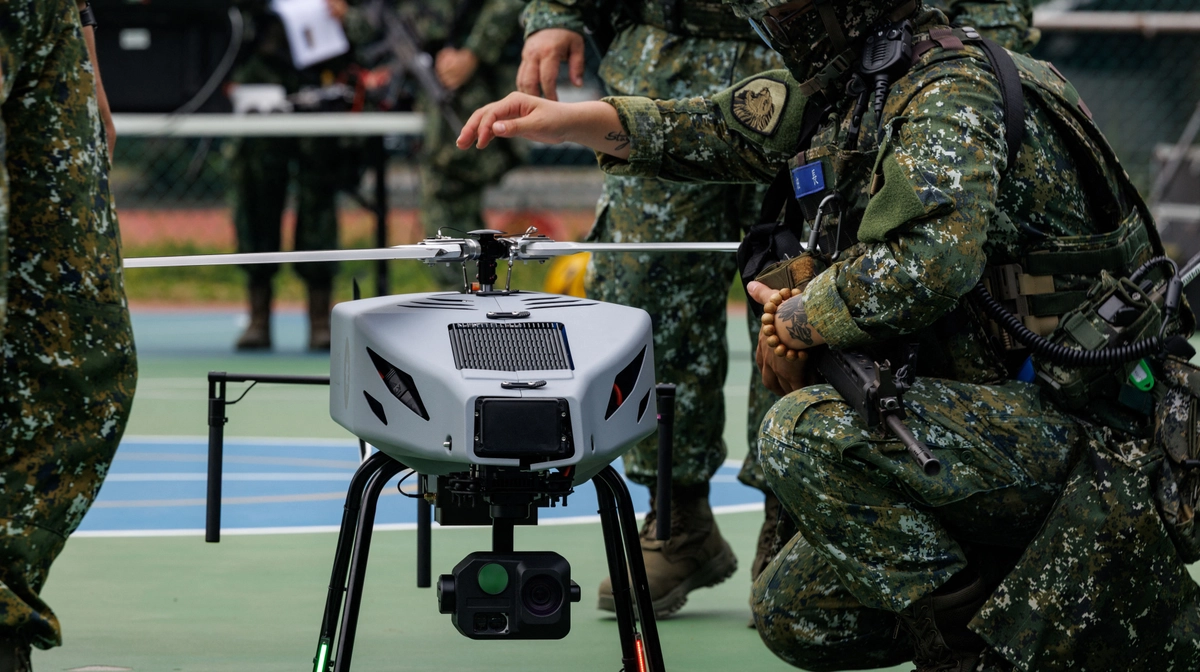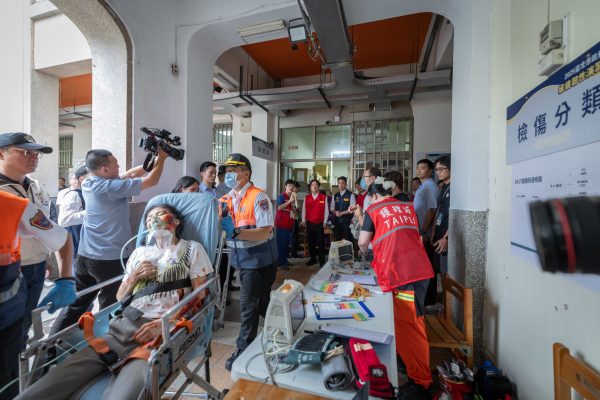
Deterrence has been a consistent national priority for Taiwan amid the intensifying pressure from China, which frames reunification with Taiwan as an essential component to the Chinese Communist Party’s goal of national rejuvenation, nominally targeted for 2049. Taiwan’s deterrence strategy relies heavily on U.S. arms sales, security assistance, and military technology cooperation.
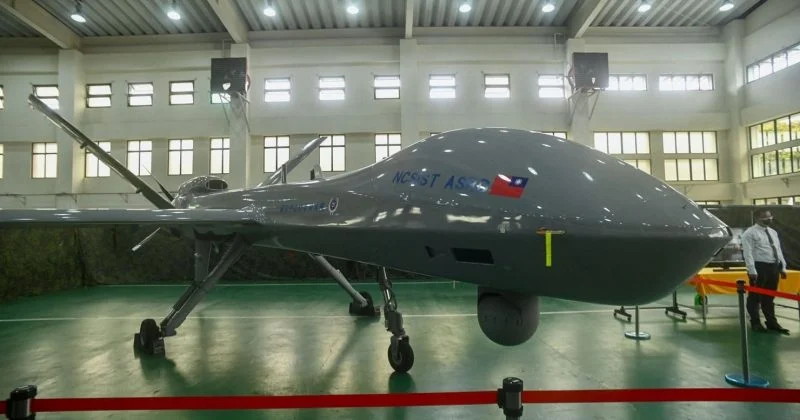
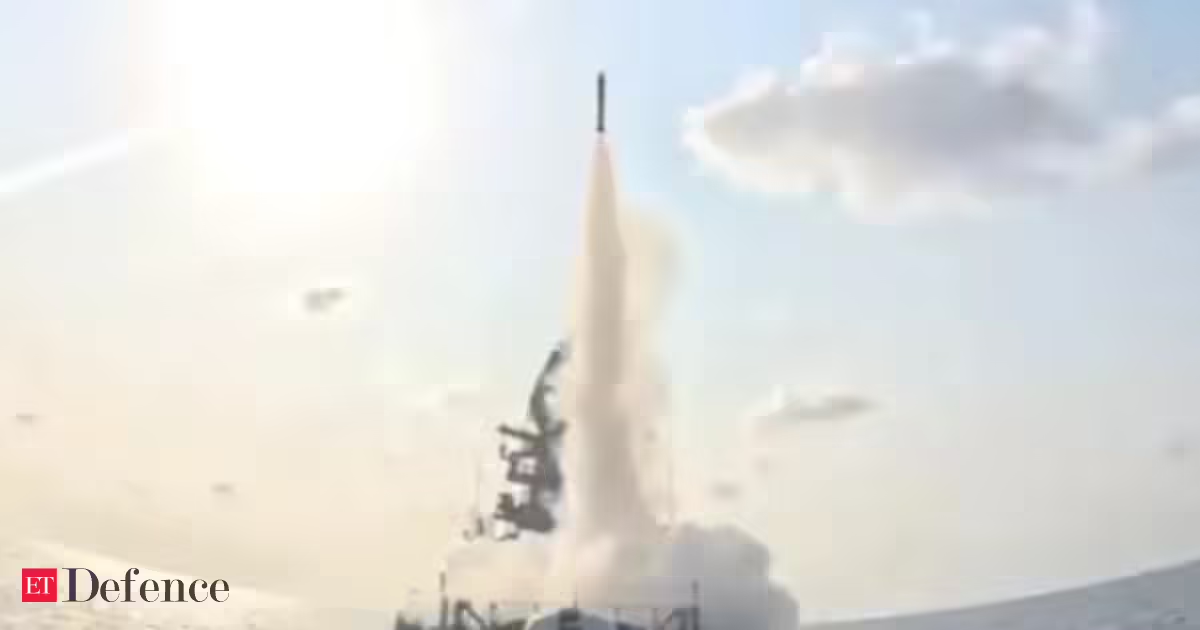
Conventional deterrents are necessary: F-16V fighters, Indigenous Defense Fighters, and Patriot missile systems prevent adversarial air superiority; Hsiung Feng anti-ship missiles, sea mines, and Harpoon Coastal Defense Systems repel amphibious invasions; ground forces and HIMARS batteries help blunt, endure, and counter an initial attack. Conventional capabilities are acquired and designed to make military advances prohibitively costly for China.
However, conventional deterrence alone overlooks the vector of conflict most likely to define a cross-strait crisis: civil defense. Chinese tactics in economic coercion are well-documented, Taiwan’s submarine cable network remains vulnerable to sabotage, and Beijing maintains a cognitive warfare apparatus designed to disinform and manipulate Taiwanese public opinion. These challenges cannot be dealt with purely militarily; they require robust civil defense that resists unconventional ruptures to the continuity of life and develops societal preparedness to withstand crises.