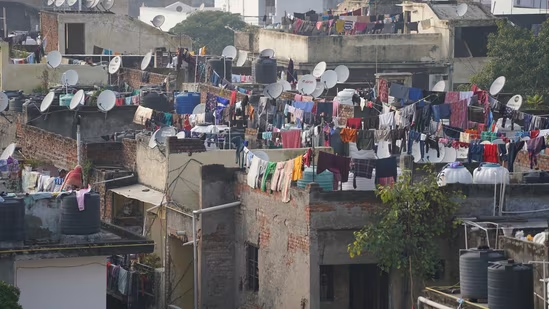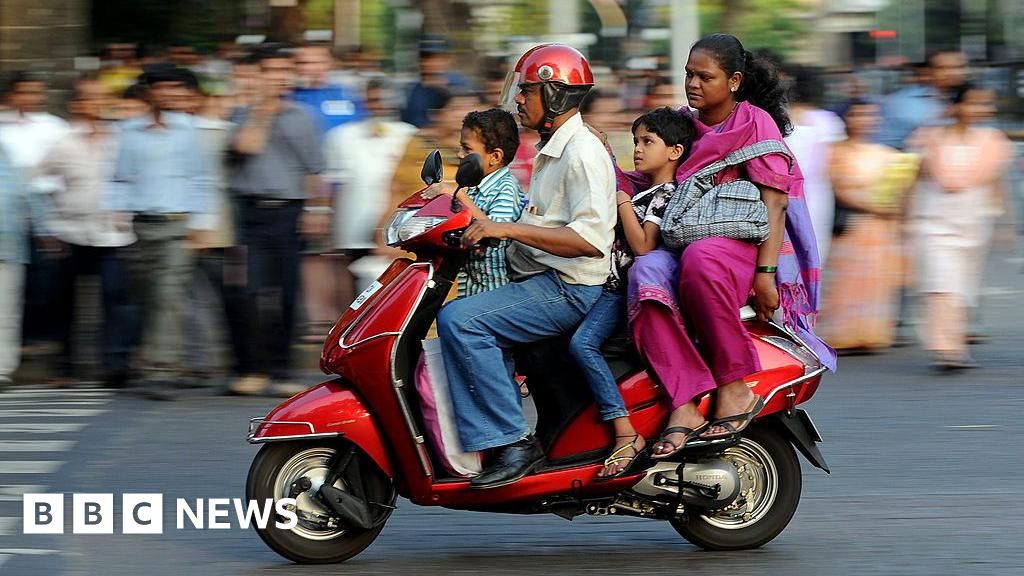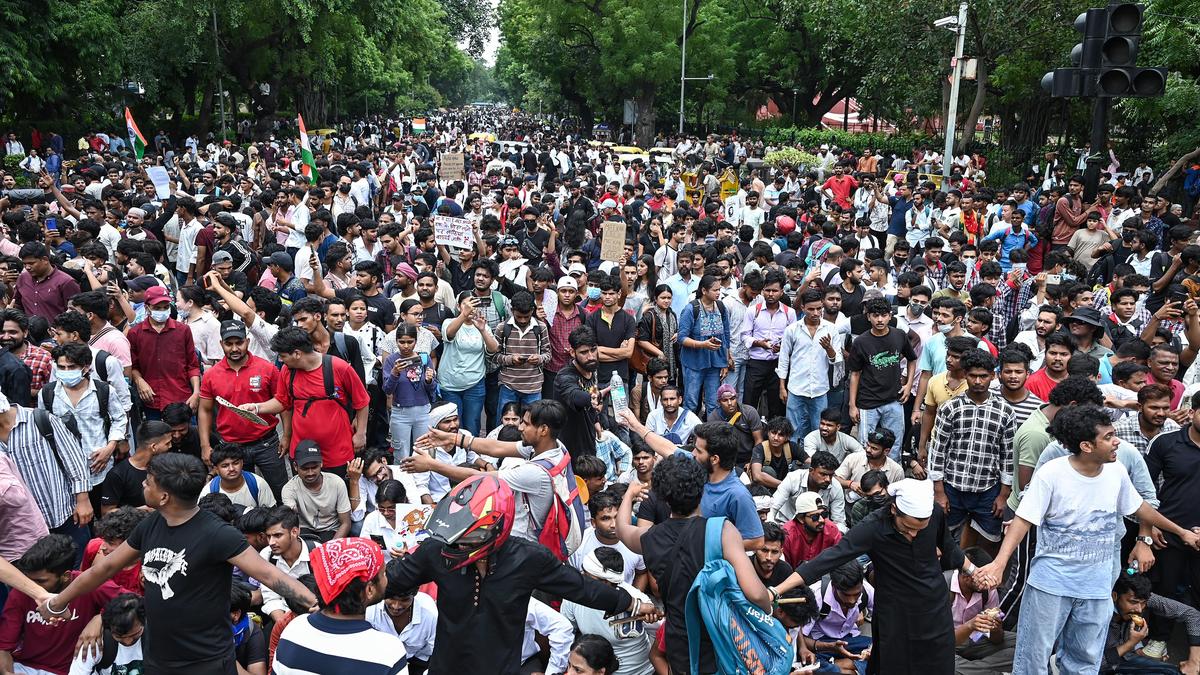
There seems to be a strange dissonance between the robust headline numbers of the Indian economy and the crisis unfolding on the ground. The recent protests against NEET at the Jantar Mantar is perhaps a symbol of this crisis.In their book, Break Point – The Crisis of the Middle Class and the Future of Work – Saurabh Muhkerjea and his co-authors Nandita Rajhansa and Sapana Bhavsar describe in detail the wedge in which the middle classes have been caught, the very section of society that reaped the benefits of the post-1991 reforms boom.The tone of this book is sombre and at times even alarming, which is in sharp contrast to the upbeat tone of their earlier book, Behold the Leviathan: The Unusual Rise of Modern India.The authors describe how people earning ₹6 lakh as well as those earning ₹50 lakh are under stress. They point towards a few disturbing signs – alarming rise in household debt, stagnant or declining real wages of the middle class, crippling addiction to futures and options trading on the equities market – fuelled by social media influencers, and the looming threat of artificial intelligence on the very jobs that fuelled middle class prosperity in the last two decades.Defining the middle classAfter poring through I-T returns data, the authors conclude people earning between ₹5 lakh and ₹1 crore are middle class and put their numbers at 40 million. Crucially this 40-million middle class also create jobs for another 200 million people who provide ancillary services to them – househelp, cooks, drivers – who can be classified as working class.So the 40-million middle class act both as a job and consumption multiplier, so any economic stress to this class is bound to hit overall GDP growth.The authors point out how education, long seen as a passport to prosperity for the middle class, is no longer a guarantee to economic success. Unemployment among the educated at 30 per cent, is three times that of the uneducated sections of society. So this seems to be a particularly bad time for a graduate to be looking for a job in India.The plateauing of the IT sector, which was such a key aspirational pull for the middle class since the turn of the last century, has hit the middle class hard. But the authors also point towards a more alarming trend – the declining quality of engineers even from elite institutions like the IITs. They also highlight an oft repeated complaint against the engineering education in this country – a mismatch between the skills that industry demands and the outdated engineering curricula.The authors also offer another important political economy insight – the middle classes do not form a viable vote bank so their demands often get ignored by the politicians. Also many middle class people frown upon joining politics preferring the security of a corporate life, which makes it easier for the political class to ignore them.The alarming rise of household debt is a fallout of stagnating real wages and the urge to keep up with an aspiration standard of living.The authors devote an entire chapter on the baneful impact of social media and the psychological distress it has caused to the middle class. The role of influencers in driving trading in the risky F&O segment of the stock market, despite warnings from market regulator SEBI, has played a major role in driving middle class debt, especially in Tier 2, 3 cities.Policy responseThe second section of the book is devoted to the government’s policy response to this unfolding crisis. The recent cuts in I-T rates and rationalisation of GST rates is proof of the government finally waking up to the reality of middle class distress. These measures along with the cuts in RBI policy rates are expected to provide stimuli to consumption.The authors categorically say that the economic model put in place after the 1991 reforms is breaking down and it’s time to build a new one and this process is likely to be a painful one.The government’s capex push in the last few years, mainly in response to tepid private investments, has not led to any meaningful job creation given its capital intensive nature.But despite the sombre analysis the authors are also hopeful of a turnaround. Though AI is expected to demolish a lot of jobs, it will also create new opportunities that the country must be deft enough to exploit. The authors are bullish about the impressive growth of GCCs and how that has spurred the small and medium enterprises’ ecosystem, creating more jobs for the middle class.The last chapter is a pointer towards how the Indian economy will look in a few years from now. The authors are convinced that the security of a corporate job will no longer exist in future and the white-collared workforce need to be more nimble footed. Here, they argue, entrepreneurship will play a vital role in shaping the new economic model. For this to happen there has to be a clear shift in mindset among the middle class with government providing policy support.It was “a million mutinies”, a la Naipaul, that spurred middle class aspirations post 1991. The next wave has to be fuelled by entrepreneurial daring.The book is burnished by real life stories of both distress and entrepreneurial success . Despite the challenges, the authors remain “cautiously optimistic” about India’s economic future, which hinges on the entrepreneurship drive of the middle class.Title: Breakpoint: The Crisis of the Middle Class and the Future of WorkAuthors: Saurabh Mukherjea with Nandita Rajhansa and Sapana BhavsarPublisher: JuggernautPrice: ₹799Published on August 7, 2026
Middle class at the crossroads
The book lays bare the fraying of the post-reforms growth story and its crippling impact on the middle class
927 words~4 min read