Linus Pauling was one of the most brilliant scientists of the 20th century. He won two Nobel prizes and transformed our understanding of chemical bonds and the structure of proteins. Late in his career, though, he became famous for something very different: a passionate belief that very high doses of vitamin C could help people with cancer. Many doctors scoffed. When Pauling himself later died of cancer aged 93, he was held up as a classic case of the “halo effect”: being a genius in one field doesn’t guarantee wisdom in another.
Half a century on, the story looks more complicated. Pauling was wrong in important ways, but he was not entirely wrong. Modern research is giving vitamin C a second look in cancer, and it turns out that under certain conditions it can behave less like a gentle vitamin and more like a drug.
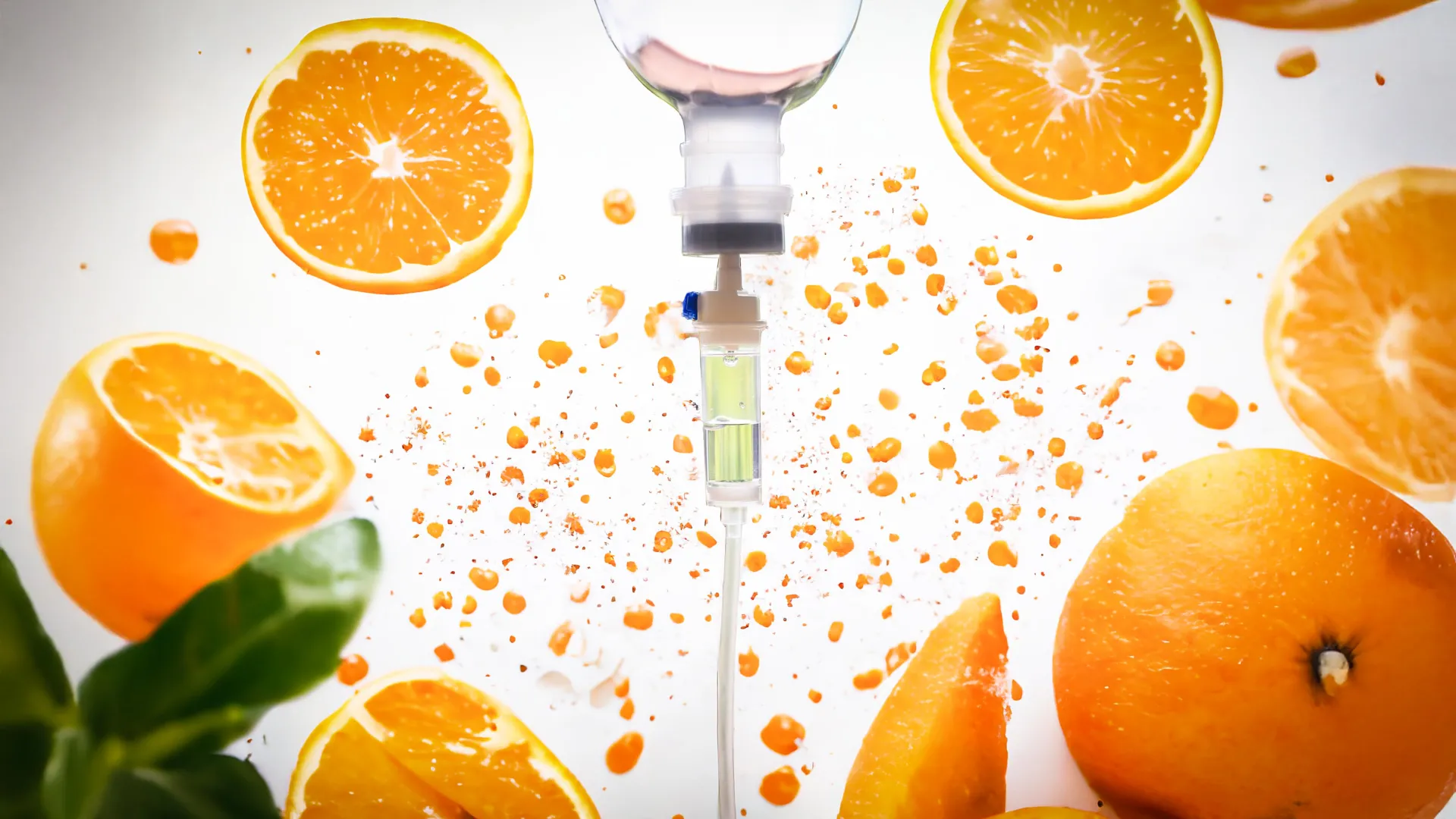
Pauling’s vitamin C story began in the 1970s, when he teamed up with the Scottish doctor Ewan Cameron and gave patients with advanced, incurable cancer very large amounts of vitamin C – first as a drip into a vein, then as tablets. Compared with similar patients who did not get vitamin C, they reported that the vitamin‑treated group lived longer and felt better. For some, they suggested, survival could be several times longer.