In cancer care, every hour a patient spends getting treatment is an hour away from the rest of their life. It could mean another afternoon in an infusion chair instead of at home. Another childcare arrangement to make. More missed work. Another exhausting drive to a distant treatment center.Medical advances that turn a seven-hour infusion into a minutes-long injection make living with cancer dramatically less punishing. Medicare should encourage that kind of progress. Unfortunately, a new proposal from the Centers for Medicare & Medicaid Services could instead discourage it.
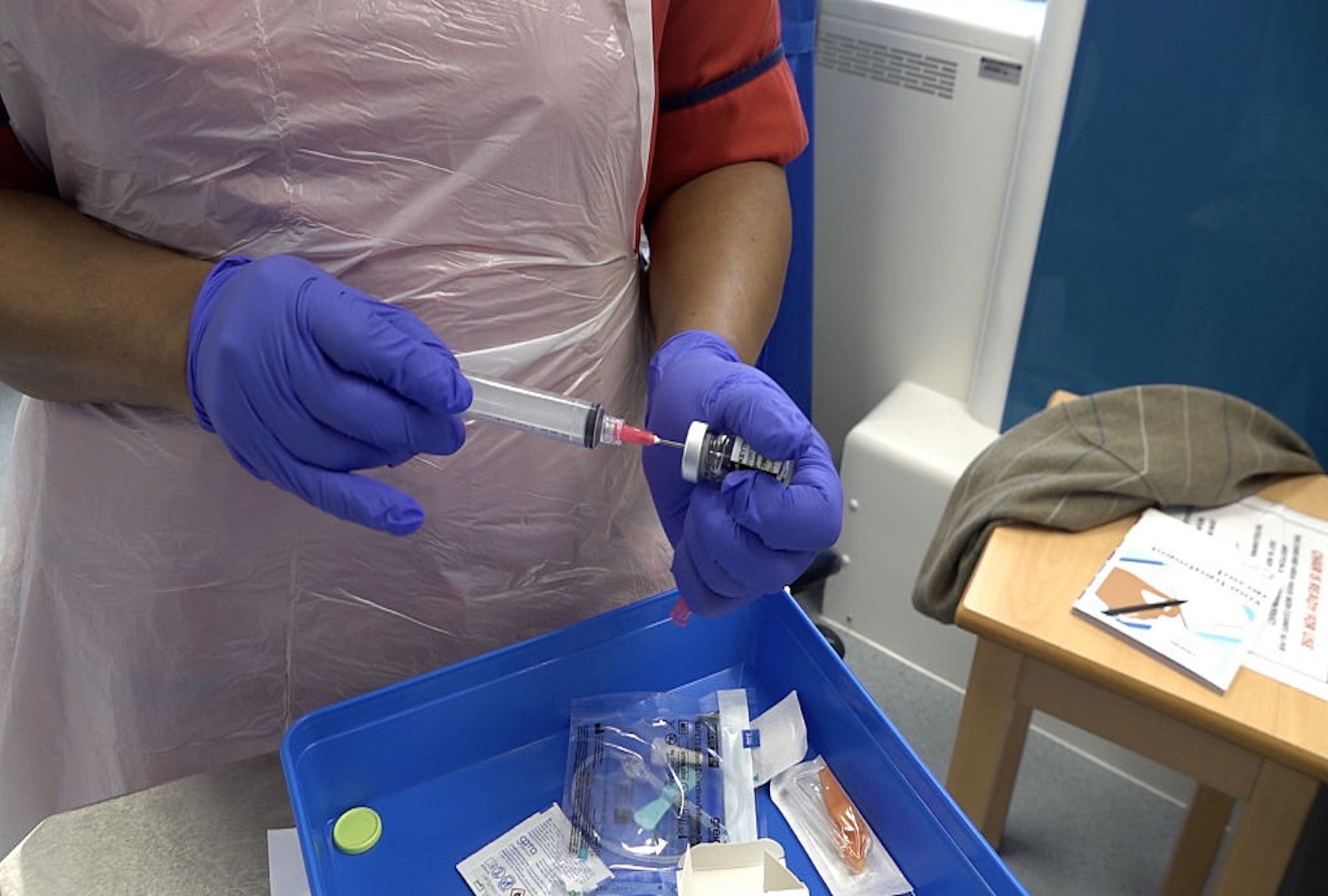
CMS is proposing to change how it classifies original intravenous biologics and newer subcutaneous, or injectable, versions of those drugs under Medicare’s Drug Price Negotiation Program. Developing a version of a complex biologic that can be safely administered through a brief injection rather than hours of intravenous infusion is not cheap. It can require years of research, clinical testing, and considerable scientific ingenuity. Yet CMS would apply the original medicine’s price to the newer subcutaneous version of the drug. CMS frames this proposal as a way to protect the integrity of Medicare’s negotiation program, but it fails to recognize the scientific significance and patient value of advances that can transform the treatment experience. A formulation that reduces hours of intravenous infusion to a brief injection is not a trivial modification. Nor were such innovations conceived to avoid Medicare negotiation: They were researched and advanced through clinical development years before the negotiation program was enacted. Treating them as mere workarounds — rather than genuine efforts to improve patient care — punishes progress that can make cancer care less burdensome and give patients part of their lives back.The inevitable result of punishing innovation will be less investment in new treatments, new equipment, and new methods of better delivering patient care — and therefore fewer breakthroughs like subcutaneous injections.Some cancer treatments’ traditional IV formulations can take up to eight hours to administer. Subcutaneous versions can take minutes. One study found that an injectable formulation reduced patients’ time in an infusion chair by 97% and cut the active time required of healthcare professionals roughly in half over a year of treatment. Those hours matter. They mean savings in time, in money, for the patient, for the medical practice, for Medicare, and for the healthcare system as a whole.Cancer treatment already brings fatigue, pain, nausea, financial stress, and uncertainty. Long infusions can force patients to miss work, arrange transportation, and often depend on family members and friends who must rearrange their own lives. Repeatedly placing and maintaining an intravenous line for traditional infusions can add still more discomfort and anxiety, and it raises the risk of infection.More convenient treatment can also relieve pressure on an oncology system struggling to meet demand. Shorter administration times can help oncology clinics treat more patients while freeing nurses to spend more of their time and expertise on complex cases.That is particularly important outside major metropolitan areas. More than 46 million people live in rural communities, where oncology services are increasingly scarce. Between 2014 and 2023, 424 rural hospitals stopped providing chemotherapy — more than one-fifth of those that offered it. Subcutaneous medicines will not eliminate rural cancer care deserts; many still require medical supervision. But treatments that require less time, equipment, and infusion capacity can help community clinics serve more patients and make each trip less burdensome for those traveling long distances. Faster treatment can also reduce costs. A recent analysis of seven medicines found that subcutaneous administration was associated with lower annual Medicare spending for five of them, with estimated annual savings reaching as much as $56,000 per patient. DR. OZ JUST FIRED A $4.5 BILLION SHOT AT BIG HOSPITAL HYPOCRISYCancer policy understandably focuses on whether treatments help patients live longer. But the quality of that time matters, too. Hours not spent in an infusion chair are hours spent with family, earning a living, or recovering at home. CMS should focus on lowering costs for patients, not discouraging innovations that make cancer care easier to endure. CMS should revise its proposal before it becomes a barrier to genuine, patient-centered progress.Marcia K. Horn, JD, is the president and CEO of the International Cancer Advocacy Network, a 501(c)(3) nonprofit organization founded in 1996 that helps late-stage cancer patients find clinical trials and second opinions (https://askican.org).